
Tunisia, a small country nestled in North Africa, boasts a rich and diverse culinary tradition. Among its many gastronomic delights, bread holds a special place. Bread is more than just a staple food in Tunisia; it is a symbol of hospitality, tradition, and community. From the bustling markets of Tunis to the serene villages of the interior, bread-making practices and varieties reflect the country’s rich cultural tapestry.
The Heart of Tunisian Cuisine
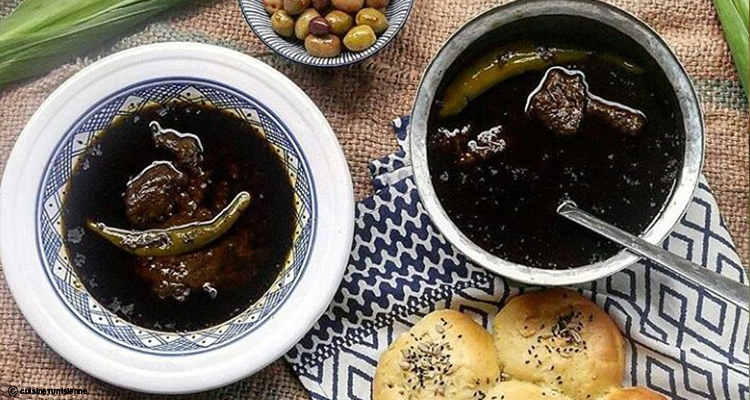
Bread in Tunisia is deeply embedded in the daily lives of its people. It is often said that no Tunisian meal is complete without bread. This integral role of bread can be traced back to ancient times when Tunisia, known as the granary of Rome, produced vast quantities of wheat. This historical significance continues today, with bread being central to both everyday meals and festive occasions.
Traditional Bread Varieties
Tunisia’s bread culture is marked by a variety of traditional breads, each with its unique preparation method, flavor, and significance. Here are some of the most cherished Tunisian breads:
Tabouna
One of the most iconic breads in Tunisia is Tabouna. This bread is baked in a clay oven, similar to a tandoor, giving it a distinctive flavor and texture. Tabouna is often round and thick, with a slightly chewy crust and a soft, airy interior. It is commonly served with olive oil, harissa, and a variety of dips, making it a perfect accompaniment to many Tunisian dishes.
Mella
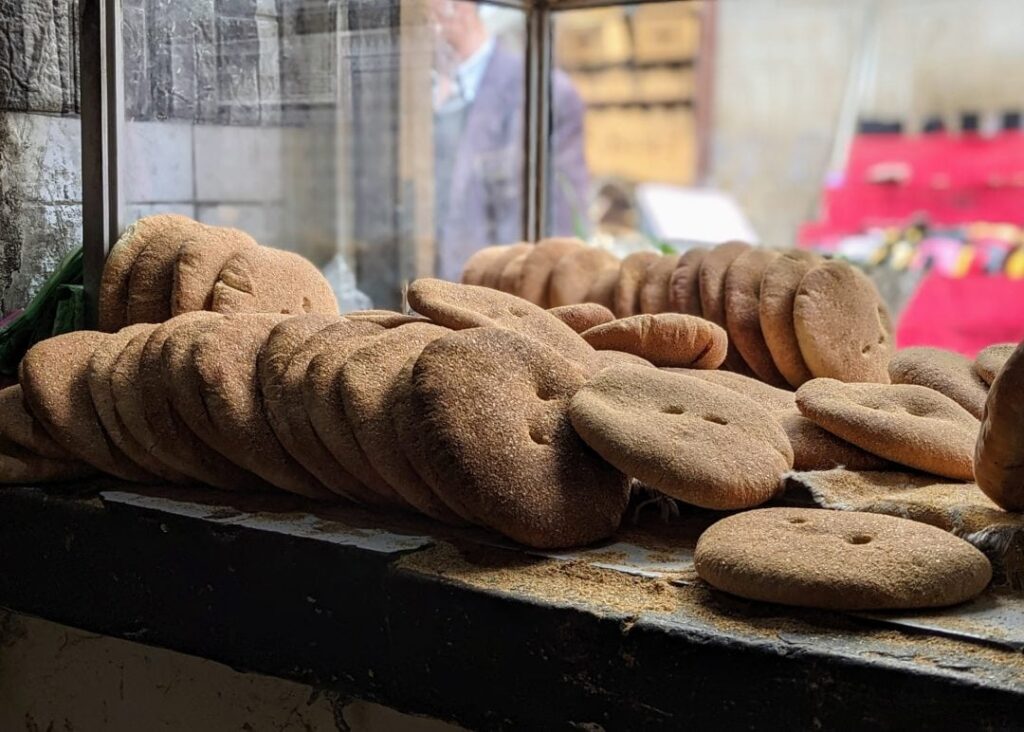
Mella is another popular bread, especially in rural areas. This flatbread is traditionally baked directly on hot stones or in a special clay pan. The result is a crispy, slightly charred bread with a smoky flavor. Mella is typically enjoyed with stews and soups, providing a satisfying contrast to the hearty dishes. Many local markets also feature vendors selling restaurant equipment, where one can find the necessary tools for preparing and baking traditional breads like Mella.
Khobz Mella
A variation of Mella, Khobz Mella, incorporates additional ingredients like barley or semolina, giving it a denser texture and richer flavor. This bread is particularly favored in the colder months, offering a more substantial option that pairs well with robust winter dishes.
The Ritual of Bread-Making
Bread-making in Tunisia is more than just a culinary process; it is a ritual that involves the entire community. In many villages, communal bread ovens are a common sight. These ovens, often located in central areas, are used by multiple families to bake their bread. The process of making bread in these communal ovens is a social activity, fostering a sense of unity and shared tradition. Much like a plumber in Santa Clara who serves the community, these communal ovens play a vital role in the daily lives of the villagers.
The Role of Women
Women play a crucial role in the bread-making tradition in Tunisia. They are the keepers of recipes passed down through generations, ensuring that the techniques and flavors remain authentic. From kneading the dough to managing the oven’s heat, the skills involved in making traditional bread are honed over years of practice and observation.
Celebratory Breads
Bread also plays a significant role in Tunisian celebrations and religious festivals. Khobz El Eid, or festival bread, is a special type of bread prepared during holidays like Eid al-Fitr and Eid al-Adha. This bread is often decorated with intricate patterns and sometimes infused with spices and herbs, symbolizing the joy and festivity of the occasion. In a city like Las Vegas, where diverse experiences abound, one might find unique offerings such as Asian hotel massage in Las Vegas, reflecting the global blend of cultures and traditions.
Bread as a Symbol of Hospitality
In Tunisian culture, offering bread to guests is a gesture of hospitality and respect. Visitors to Tunisian homes are often greeted with a basket of freshly baked bread, served with olive oil, olives, and various dips. This practice underscores the importance of bread in social interactions and its role as a bridge between people.
Modern Influences and Adaptations
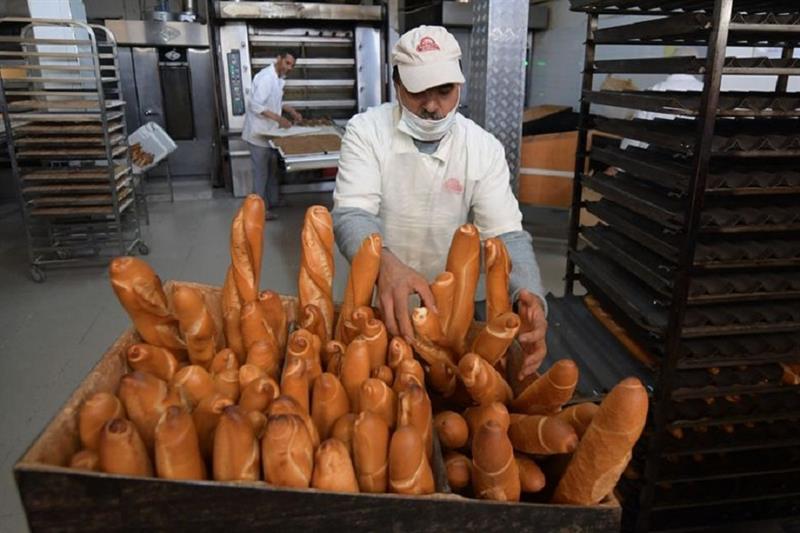
While traditional bread-making practices remain strong in Tunisia, modern influences have also made their mark. Urbanization and globalization have introduced new varieties of bread and baking techniques. French baguettes and Italian ciabatta can now be found alongside traditional Tunisian breads in many bakeries. However, these new influences have not diminished the value of traditional bread; rather, they have enriched Tunisia’s bread culture, adding more diversity to the already extensive range of bread available. Just as diverse techniques enhance Tunisian bread-making, obtaining a master project manager certification can similarly add valuable skills and perspectives to one’s professional repertoire.
Health and Nutritional Aspects
Tunisian bread, particularly those made with whole grains and traditional methods, offers various health benefits. Whole grain breads like those made with barley and semolina are rich in fiber, vitamins, and minerals. These breads provide a slower release of energy, keeping one satiated for longer periods. Additionally, communal and home-baking practices often avoid the use of preservatives and additives, resulting in healthier bread options compared to mass-produced varieties.
The Influence of Bread on Tunisian Cuisine
Bread is not just a side dish in Tunisia; it significantly influences the cuisine. Many traditional dishes are designed to be eaten with bread. For instance, Lablabi, a popular chickpea soup, is served over pieces of stale bread, which soak up the flavorful broth. Similarly, Brik, a type of savory pastry, is often wrapped in a thin bread dough before being fried, adding to the dish’s crispy texture. If you’re also interested in adding a French bulldog to your family, there are many options for French bulldogs for sale.
Preservation of Bread Culture
Efforts are being made to preserve Tunisia’s rich bread-making traditions. Cultural initiatives and culinary schools are teaching young people the art of traditional bread-making. These efforts are crucial in maintaining the connection between the past and the present, ensuring that future generations continue to appreciate and celebrate this vital aspect of Tunisian culture.
Bread in the Digital Age
The advent of social media and food blogs has also played a role in preserving and popularizing Tunisian bread culture. Many Tunisians share their bread-making processes and recipes online, reaching a global audience. This digital exchange not only helps preserve traditional methods but also invites international food enthusiasts to explore and appreciate Tunisian breads.
Exploring Bread in Tunisian Markets
For those visiting Tunisia, exploring the local markets, or souks, is a must. The vibrant displays of freshly baked bread, the aroma of different types of bread wafting through the air, and the sight of bakers at work provide a sensory experience that is both delightful and educational. Markets like Souk El Attarine in Tunis offer a glimpse into the daily lives of Tunisians and their deep connection to bread. Additionally, for those interested in local fashion, some markets also offer a variety of items such as baseball hats wholesale.
The Role of Bread in Tunisian Diets
Bread is an essential component of the Tunisian diet, forming the base of many meals and acting as a versatile ingredient. Tunisian breakfasts often feature bread served with olive oil and honey, a simple yet nutritious start to the day. For lunch and dinner, bread is used to scoop up various dishes, from hearty stews to fresh salads, highlighting its role as a practical utensil in Tunisian dining.
Bread is also integral to Tunisian street food. Vendors sell fricassé, a type of fried sandwich filled with tuna, olives, capers, and boiled eggs, which showcases the innovative use of bread in quick, flavorful meals. This portable dish is a favorite among locals and tourists alike, offering a taste of Tunisia’s culinary creativity.
Bread in Tunisian Proverbs and Folklore
The cultural significance of bread extends beyond the dining table and into Tunisian language and folklore. Numerous proverbs and sayings emphasize the importance of bread, often symbolizing life, sustenance, and survival. For instance, the phrase “breaking bread” is synonymous with forging friendships and building community ties. Bread is seen as a gift from the earth, and wasting it is considered highly disrespectful. Similarly, the impact of cultural traditions can be observed in various fields, including web design in Green Bay, where local influences shape aesthetic and functional choices.
The Future of Bread in Tunisia
As Tunisia moves forward, the future of its bread culture looks promising. There is a growing trend towards artisanal baking, with a renewed interest in traditional methods and local ingredients. This resurgence is not just about nostalgia; it represents a sustainable and health-conscious approach to eating. By supporting local farmers and bakers, Tunisians are ensuring that their bread-making heritage remains vibrant and relevant.
In addition, the global fascination with culinary tourism offers new opportunities for Tunisia to showcase its bread culture to the world. Tourists are increasingly seeking authentic food experiences, and Tunisia’s rich bread traditions provide a unique and compelling attraction. Bread-making workshops and culinary tours are becoming popular, allowing visitors to engage directly with the cultural practices that make Tunisian cuisine so special. Similarly, local traditions and experiences, such as those found at an ENT clinic in Wausau, can offer valuable insights into regional specialties and practices.
Conclusion
The exploration of bread culture in Tunisia reveals a deep and enduring connection between the people and their culinary heritage. Bread is not merely food; it is a symbol of hospitality, community, and tradition. From the ancient clay ovens of rural villages to the bustling markets of modern cities, bread-making in Tunisia is a testament to the country’s rich history and vibrant culture.
As Tunisia continues to embrace both its traditions and modern influences, its bread culture remains a cornerstone of its national identity. The diverse varieties of bread, the communal rituals of baking, and the symbolism imbued in every loaf tell a story of resilience, creativity, and unity. For Tunisians, and for those fortunate enough to experience it, bread is much more than sustenance—it is a cherished part of life itself. Similarly, in modern living, having the best outdoor TV can enhance communal experiences and bring people together in new and exciting ways.