
Italy’s gastronomic identity is rich, diverse, and deeply tied to its regional traditions. Among its most celebrated offerings, bread holds a special place, not just as a dietary staple but as a cultural and historical artifact. Known as the pane of Italy, bread takes on many forms across the country, each one a testament to the land, climate, and culinary heritage of its birthplace. In this article, we delve into the fascinating world of Italian breads, exploring their regional uniqueness, cultural significance, and the profound role they play in Italian cuisine.
The Origins of Bread in Italian Culture
Bread has been a cornerstone of Italian culture for millennia, dating back to ancient Roman times. The Romans perfected the art of breadmaking, introducing innovative techniques and creating different types of loaves suited to varying social classes. Archaeological evidence suggests that the Romans even constructed large-scale bakeries to cater to the burgeoning population of their empire.
Over time, bread evolved beyond mere sustenance to embody regional identity and communal tradition. Italian bread is deeply tied to its terroir, with each region using local grains, unique techniques, and traditional recipes passed down through generations. Whether it’s the crusty loaves of northern Italy or the softer, oil-enriched breads of the south, every variety tells a story of its place of origin.
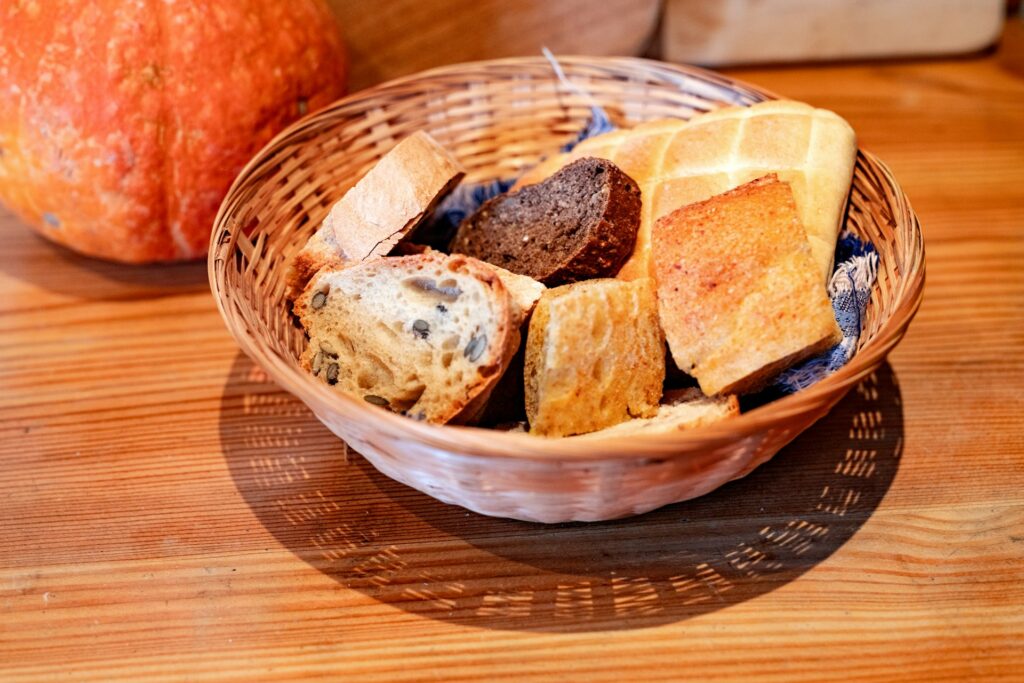
In Italy, bread is also symbolic. It has religious connotations, featuring prominently in Christian rituals like communion. During festive occasions, special breads are baked to mark celebrations, each carrying unique designs and flavors. This intertwining of bread with both everyday life and spirituality reflects its deep-rooted significance in Italian culture.
Northern Italy: The Home of Hearty Breads
Northern Italy, with its cooler climate and fertile plains, is home to hearty breads that often incorporate ingredients like rye, chestnut flour, and potatoes. These breads are designed to sustain communities in colder regions and complement the rich, creamy dishes typical of northern cuisine.
One of the most iconic breads of the north is Pane di Altamura, a golden, durum wheat loaf with a chewy crust and tender crumb. Originating from the Puglia region, this bread has achieved PDO (Protected Designation of Origin) status, a testament to its exceptional quality and historical importance. Pane di Altamura pairs beautifully with robust soups and stews, showcasing the interplay between bread and other local dishes.
In the Veneto region, you’ll find Ciabatta, a relatively modern invention that has gained worldwide fame. Introduced in the 1980s, ciabatta’s unique structure—a thin, crisp crust with an airy, hole-filled interior—makes it perfect for sandwiches or as an accompaniment to antipasti. Its simplicity underscores the northern Italian philosophy of letting high-quality ingredients shine.
Meanwhile, Valtellina’s rye bread—known as Pan Ner—is a dark, dense loaf enriched with spices and sometimes dried fruits. This bread, made to withstand long winters, reflects the resourcefulness of northern communities. Its robust flavor makes it an ideal companion to aged cheeses and cured meats, staples of the region.
Central Italy: Rustic Loaves with Ancient Roots
Central Italy is synonymous with rustic, no-frills breads that often emphasize texture and flavor over embellishment. This region, home to Tuscany, Umbria, and Lazio, boasts breads that pair seamlessly with olive oils, robust wines, and cured meats.
Tuscany’s Pane Toscano is a prime example of bread steeped in history. Notably salt-free, this bread owes its unique taste to historical disputes over salt taxes in the region. The lack of salt allows the bread to balance the bold, savory flavors of Tuscany’s cuisine, such as rich pecorino cheese, hearty soups like ribollita, and slices of prosciutto. Pane Toscano’s dense structure also ensures it stays fresh for days, an essential quality for traditional farming communities.
In Umbria, Torta al Testo stands out as a versatile flatbread cooked on a cast-iron griddle. Made without yeast, it is quick to prepare and pairs wonderfully with sausages, cheeses, and vegetables. Its origins can be traced to ancient Roman times, and its continued popularity underscores its adaptability and deliciousness.
Lazio’s Pane Casareccio is another notable entry in central Italy’s bread repertoire. This simple, rustic loaf features a thick crust and soft crumb, embodying the straightforward yet refined nature of Roman cuisine. Traditionally baked in wood-fired ovens, Pane Casareccio is often enjoyed with bruschetta or dipped in flavorful sauces.
Southern Italy: The Land of Bold Flavors
Southern Italy’s breads are a reflection of its sun-drenched landscapes, fertile fields, and vibrant culinary traditions. Often enriched with olive oil, herbs, and even sweet ingredients, these breads are as bold and dynamic as the region’s people.
One of the most beloved southern breads is Pane di Matera, a traditional sourdough loaf from Basilicata. Its distinctive flavor and long shelf life are a result of the natural fermentation process and the use of local semolina flour. The bread’s shape, reminiscent of a mountain, is a nod to the rugged terrain of the region. Pane di Matera pairs beautifully with caponata or hearty lamb stews.
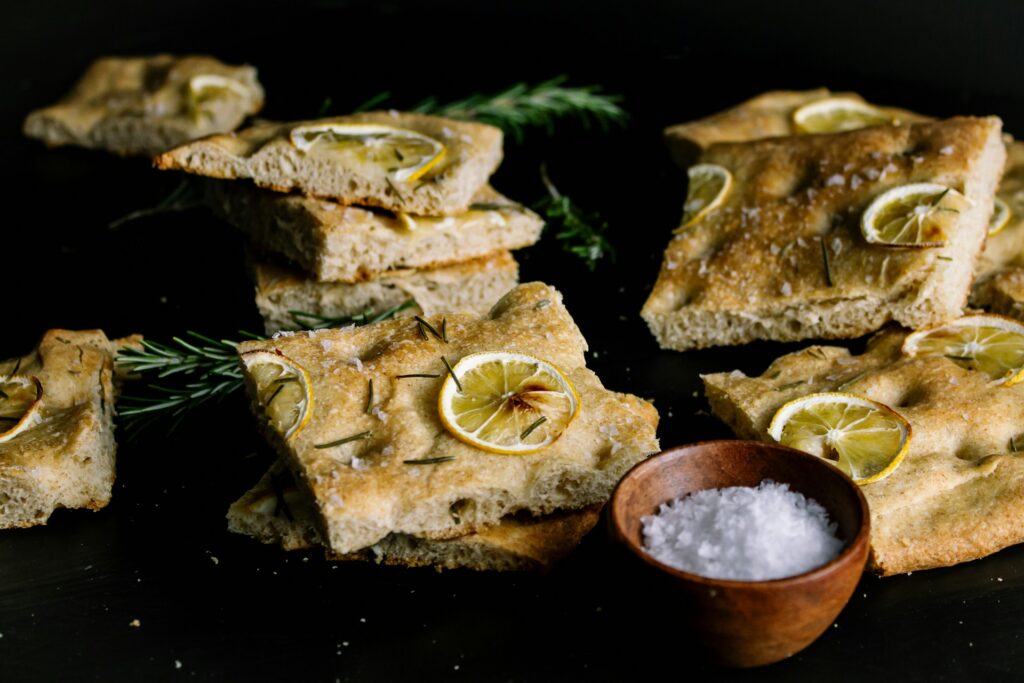
In Puglia, Focaccia Barese takes center stage. This soft, olive oil-enriched flatbread is typically topped with cherry tomatoes, olives, and aromatic herbs. Focaccia Barese is more than just bread—it’s a meal in itself, offering a burst of flavors that encapsulate the essence of southern Italy. Its popularity has made it a staple not only in its region of origin but across the country.
Another southern gem is Pane Carasau, a thin, crisp bread from Sardinia. Originally designed for shepherds who needed a durable, portable food, Pane Carasau has found a place in modern cuisine as a base for dishes like pane frattau, where it’s layered with tomato sauce and eggs. Its versatility and unique texture make it a standout in Italy’s bread lineup.
The Culinary Significance of Italian Bread
Bread in Italy is not merely an accompaniment—it’s a vital component of the meal. Its importance is reflected in the Italian saying, “Without bread, there is no table.” This sentiment underscores bread’s role as a unifying element, bringing together the diverse flavors of Italian cuisine.
Italian bread also serves as a medium for culinary creativity. From bruschetta and crostini to panzanella and ribollita, bread forms the foundation of many iconic dishes. These recipes demonstrate the Italian ethos of wasting nothing, transforming day-old loaves into gastronomic treasures.
Furthermore, bread is integral to social and cultural rituals in Italy. From breaking bread with family during Sunday meals to celebrating festivals with specially baked loaves, bread transcends its nutritional value to become a symbol of community and tradition. Regional variations highlight the profound connection between bread and local identity, showcasing how this humble food can carry the essence of an entire region’s history and culture.
Preserving Tradition in a Modern World
In today’s fast-paced world, artisanal breadmaking in Italy faces challenges from industrial production and changing consumer habits. However, many bakers and communities are working tirelessly to preserve these ancient traditions. PDO and PGI (Protected Geographical Indication) certifications play a crucial role in safeguarding the authenticity and heritage of regional breads, ensuring they remain true to their origins.
Italian bread also continues to inspire chefs and bakers around the world. Its influence can be seen in the global popularity of ciabatta, focaccia, and other iconic varieties. By adapting traditional methods to modern tastes, these breads maintain their relevance while staying rooted in history.
Ultimately, Italian bread represents more than just food—it is a living testament to the country’s culinary and cultural richness. Whether enjoyed in a rustic countryside setting or a bustling urban trattoria, bread in Italy remains a symbol of nourishment, tradition, and the shared joy of the table. As Italians say, “Mangia bene, ridi spesso, ama molto”—eat well, laugh often, and love much—and with Italian bread on the table, these joys are never far away.