
Pizza is one of the most beloved dishes worldwide, with its crispy crust, savory sauce, melted cheese, and endless topping possibilities. Its popularity is undeniable, but as dietary preferences and restrictions evolve, traditional pizza recipes are being adapted to cater to different needs. Whether you’re gluten-sensitive, vegan, or following a low-carb lifestyle, there are ways to enjoy a delicious, flavorful pizza that doesn’t compromise on taste. In this article, we will explore how to make gluten-free, vegan, and low-carb pizzas without sacrificing flavor, providing tips and recipes to suit every dietary preference.
Understanding the Basics of Traditional Pizza
To make any alternative version of pizza, it’s essential to understand what makes traditional pizza so irresistible. Typically, a pizza consists of:
- Crust – Made from flour (usually wheat), yeast, water, salt, and sometimes sugar or oil. The dough is rolled out into a thin or thick base, depending on preference.
- Sauce – Often a tomato-based sauce, but there are variations like pesto, white sauce, or barbecue sauce.
- Cheese – Mozzarella is the most common cheese used, but others like parmesan, cheddar, and gouda can also be used.
- Toppings – Vegetables, meats, and various seasonings to add layers of flavor.
These components come together to create a harmonious, balanced meal. However, when you remove or substitute ingredients like gluten, dairy, or carbs, it’s a challenge to maintain that signature flavor and texture. But, with the right ingredients and techniques, it’s absolutely possible to create a pizza that suits your needs while still delivering a satisfying and delicious experience.
Gluten-Free Pizza: A Crispy Crust Without the Wheat
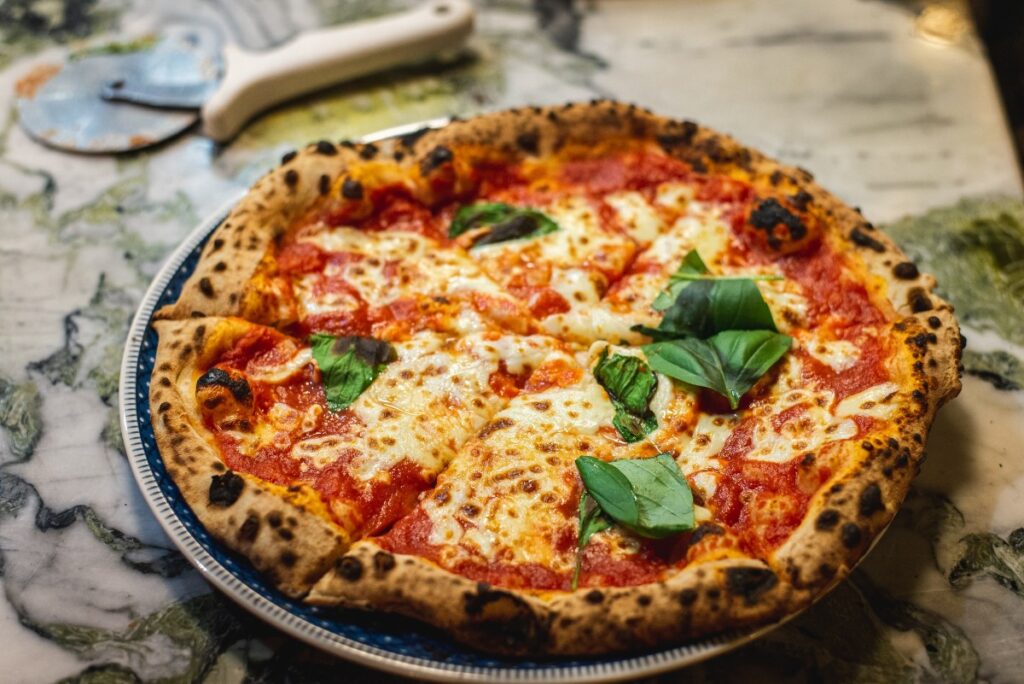
Gluten is the protein found in wheat, barley, and rye, and it is responsible for giving traditional pizza dough its elasticity and chewy texture. For individuals with celiac disease or gluten sensitivity, eating gluten is not an option, but there are plenty of gluten-free alternatives that can recreate that beloved pizza crust.
Ingredients for Gluten-Free Pizza Crust
- Gluten-Free Flour – The most common flour blends used in gluten-free pizza dough are a mix of rice flour, potato starch, tapioca flour, or cornstarch. These flours replicate the structure and texture of wheat flour to some degree, though a few extra ingredients are needed to mimic the chewiness of traditional pizza dough.
- Xanthan Gum or Guar Gum – These are thickening agents used to help the dough bind together, as they replace the role of gluten in the dough.
- Yeast – Yeast helps the dough rise and gives it a fluffy texture. It works the same way in gluten-free pizza dough as it does in traditional dough.
- Olive Oil – This adds flavor, moisture, and helps with crisping the crust.
- Salt and Sugar – Salt enhances the flavor of the dough, while sugar provides food for the yeast, helping it rise.
Method for Gluten-Free Pizza Crust
- In a large bowl, combine 2 cups of gluten-free flour blend, 1 teaspoon of salt, 1 teaspoon of sugar, and 1 tablespoon of xanthan gum. Mix well.
- Add 1 tablespoon of olive oil and 1 packet of active dry yeast (about 2 ¼ teaspoons).
- Gradually add warm water, about 1 cup, and mix to form a dough. The dough should be slightly sticky.
- Knead the dough for 4-5 minutes on a floured surface (use gluten-free flour).
- Place the dough in an oiled bowl, cover with a damp cloth, and let it rise for about an hour, or until it has doubled in size.
- Preheat your oven to 475°F (245°C).
- Roll out the dough to your desired thickness and place it on a parchment-lined baking sheet.
- Bake for 10-12 minutes before adding sauce, cheese, and toppings.
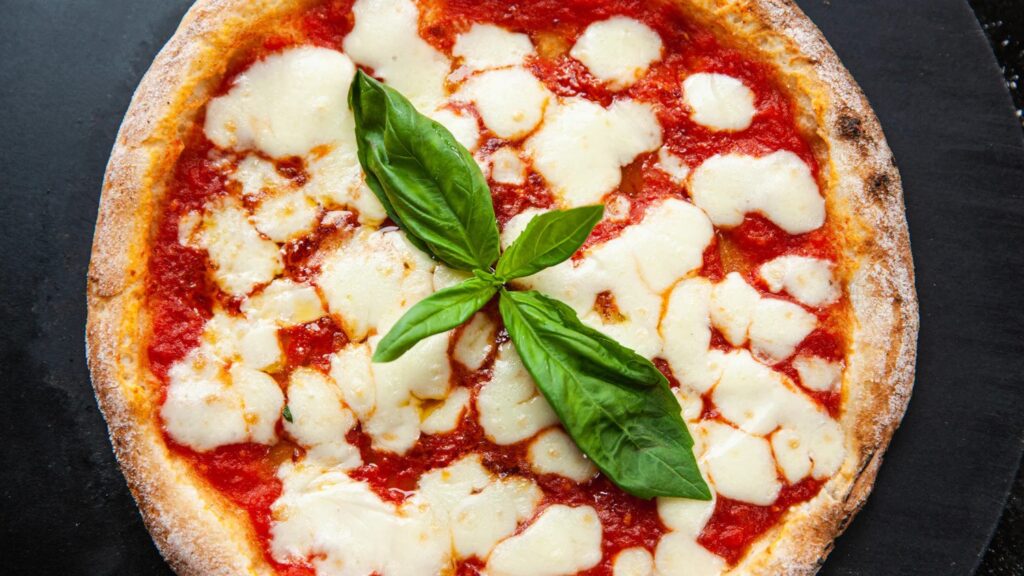
The result is a crispy, slightly chewy crust that can hold all your favorite pizza toppings.
Flavorful Toppings for Gluten-Free Pizza
A gluten-free crust is only as good as the toppings you choose to complement it. A variety of flavorful options can ensure that your gluten-free pizza is delicious:
- Tomato sauce or pesto for the base.
- Vegan or lactose-free cheese if you prefer a dairy-free option.
- Roasted vegetables like mushrooms, bell peppers, onions, and zucchini.
- Meats such as chicken, turkey, or pepperoni (if not vegan).
- Herbs and seasonings like basil, oregano, and garlic.
Vegan Pizza: Plant-Based Perfection
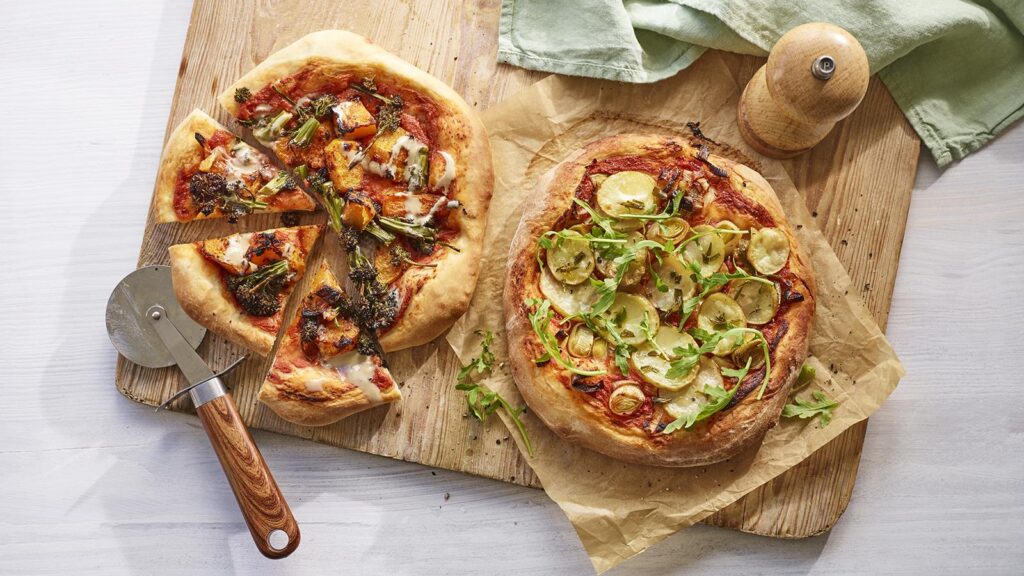
Vegan pizza excludes any animal-derived ingredients, meaning no cheese, meat, or eggs. While this might sound like a challenge for pizza lovers, there are plenty of plant-based alternatives that provide all the flavors and textures you crave.
Vegan Cheese
The most challenging aspect of vegan pizza is finding a substitute for cheese that mimics the meltiness and flavor of dairy cheese. Fortunately, several plant-based cheese options have improved significantly in recent years. The two most popular vegan cheese bases are:
- Cashew-Based Cheese – Cashews blended with nutritional yeast, lemon juice, garlic, and water create a creamy, slightly tangy cheese alternative. It’s ideal for spreading on pizza and pairs well with a variety of toppings.
- Store-Bought Vegan Cheeses – Many brands offer ready-to-use vegan cheeses made from coconut oil, potato starch, or rice. These cheeses melt similarly to traditional mozzarella and come in different flavors, from mild to sharp.
Vegan Pizza Toppings
A vegan pizza is an opportunity to get creative with fresh and flavorful toppings. Some options include:
- Vegan pepperoni – Made from plant-based proteins like soy or wheat gluten, it offers a satisfying bite without the meat.
- Grilled vegetables – Roasted mushrooms, onions, eggplant, and spinach work wonderfully on a vegan pizza.
- Olives and capers – They add a briny, savory flavor that complements the richness of the vegan cheese.
- Fresh greens – Arugula, spinach, or basil can be added after baking for a burst of freshness.
Method for Vegan Pizza
The process for making vegan pizza is similar to traditional pizza, but with plant-based ingredients:
- Roll out your gluten-free or whole wheat dough.
- Spread a tomato or pesto sauce on top.
- Add your vegan cheese (whether store-bought or homemade).
- Pile on the toppings: vegetables, vegan meats, and herbs.
- Bake at 475°F (245°C) for about 12-15 minutes until the crust is golden and the cheese is bubbly.
Low-Carb Pizza: Cutting the Carbs, Not the Flavor
Low-carb diets, such as Keto, are becoming increasingly popular, with many people looking to reduce their carbohydrate intake. Traditional pizza crusts are loaded with carbs due to the use of flour, but there are creative alternatives that allow you to enjoy a pizza without the carbs.
Cauliflower Crust
One of the most popular low-carb alternatives to traditional pizza crust is cauliflower crust. Cauliflower is low in carbs and high in fiber, making it a perfect base for a guilt-free pizza. Here’s how to make a cauliflower crust:
- Ingredients: 1 medium head of cauliflower, 1 egg (or egg replacement for vegans), 1 cup of shredded mozzarella or vegan cheese, 1 teaspoon of oregano, ½ teaspoon of garlic powder, and salt.
- Method:
- Preheat the oven to 400°F (200°C).
- Grate or process the cauliflower into rice-sized pieces.
- Steam or microwave the cauliflower until tender, then squeeze out any excess water using a clean kitchen towel.
- Mix the cauliflower with the egg, cheese, and seasonings.
- Spread the mixture on a parchment-lined baking sheet to form a crust.
- Bake for 15-20 minutes, until golden and firm.
- Add toppings and bake again for another 10 minutes.
Other Low-Carb Crust Options
In addition to cauliflower, other low-carb crust alternatives include:
- Almond Flour Crust – A popular option for those on low-carb diets. Almond flour provides a rich, nutty flavor and firm texture.
- Zucchini Crust – Grated zucchini can be combined with almond flour or coconut flour to create a flexible, low-carb pizza base.
Conclusion: Pizza for Every Palate
Making gluten-free, vegan, and low-carb pizzas that don’t sacrifice flavor is entirely achievable with the right techniques and ingredients. Whether you’re creating a gluten-free crust, using vegan cheese, or opting for a low-carb cauliflower base, there are endless possibilities to customize your pizza to meet your dietary preferences. By getting creative with your toppings and sauces, you can create a delicious, satisfying pizza that everyone can enjoy, regardless of their dietary restrictions. The beauty of pizza is its versatility—so embrace the challenge and create a pizza that suits your taste and lifestyle!