
As digital nomadism continues to rise in popularity, with more people choosing the freedom of a location-independent lifestyle, the demand for smarter, more efficient, and space-saving technology has skyrocketed. For the modern nomad, every square inch of space counts, and every ounce of gear must serve a purpose—or preferably, several purposes. Traditional household appliances and tech tools are often too bulky, too heavy, or too specialized for people constantly on the move, so a new wave of compact, multi-use, and foldable technology has emerged to meet the needs of this growing community.
Living a nomadic lifestyle is about more than just working remotely from exotic locations—it’s a deliberate decision to prioritize flexibility, minimalism, and adaptability. Whether you’re traveling by van, hopping between Airbnbs, or carrying your life in a backpack, the appliances you choose can either streamline your experience or weigh you down—literally and figuratively. Today’s nomads need tools that are not just portable but smartly designed, energy-efficient, and capable of handling multiple tasks without taking up too much room.
This shift has inspired a fascinating evolution in appliance design, blending cutting-edge innovation with rugged durability and collapsible form factors. It’s not just about shrinking devices—it’s about reimagining how they work, how they’re powered, and how they fit into a constantly changing environment. In this article, we’ll explore how compact, multi-use, and foldable appliances are reshaping nomadic life, allowing individuals to stay productive, comfortable, and connected no matter where they roam.
The Rise of Compact Essentials in a Minimalist Lifestyle
Nomadic living thrives on simplicity. Most digital nomads, vanlifers, and full-time travelers operate within limited space, often restricted to a single backpack or the interior of a van or camper. This means that every item they carry must be carefully considered—not only for size and weight but for functionality. In this context, compact appliances are not just a convenience; they are a necessity for maintaining quality of life without compromising mobility.
Appliances like portable washing machines the size of a large water bottle, induction cooktops that double as charging stations, or espresso makers that fit in your palm, are now highly sought after. These compact devices allow nomads to maintain daily routines without relying on local infrastructure. For instance, someone camping in a national park or boondocking off-grid can still prepare healthy meals, clean their clothes, and enjoy a proper cup of coffee, all without bulky traditional appliances.
The key appeal of these compact devices is their efficiency and focus on core functionality without the fluff. You won’t find unnecessary bells and whistles here—what you get instead are intuitive controls, plug-and-play usability, and hardware built to withstand the unpredictability of travel. For example, collapsible kettles made of heat-resistant silicone allow you to boil water, flatten the device for storage, and power it via USB or portable power stations. Foldable rice cookers, battery-powered fans, and mini-fridges small enough to tuck into a backpack also illustrate how far compact tech has come.
Compact doesn’t mean sacrificing quality. In fact, many manufacturers are now designing for durability and environmental sustainability, knowing that nomads will often push their gear to the limit. Reinforced hinges, waterproof exteriors, and rechargeable lithium-ion batteries have become standard features. Appliances once reserved for static households now come in travel-sized packages engineered to thrive in motion. Whether it’s a mini blender that doubles as a smoothie cup or a heater that fits in the glove compartment, compact appliances are redefining the boundary between home comforts and mobile independence.

Multi-Use Tech: One Device, Many Functions
When space is tight and power sources are limited, multi-use appliances become the cornerstone of a nomadic toolkit. The more an item can do, the more valuable it becomes, especially if it can eliminate the need for several single-function devices. This is where the brilliance of modern design truly shines. Multi-use tech allows travelers to cook, clean, charge, and even entertain themselves with fewer gadgets, fewer cords, and fewer worries.
One standout example is the multi-functional pressure cooker that not only steams rice and slow-cooks stews but also acts as a sterilizer and even a baking oven. For someone living out of a van or moving between hostels, this single device could replace several traditional kitchen appliances. Another example is a solar-powered light that also works as a phone charger, Bluetooth speaker, and emergency beacon. This kind of design anticipates the wide-ranging needs of nomads—who must think in terms of survival, productivity, and leisure all in one breath.
Multi-use tech also makes packing more strategic. Instead of choosing between a coffee maker or a water purifier, why not carry a device that does both? One emerging trend is in personal grooming tools that combine hair drying, shaving, and trimming into a single rechargeable handheld unit. For digital nomads, multi-use monitors that can function as second screens, mobile TVs, and even art tablets help maintain work efficiency and entertainment without the weight of extra gear.
It’s not just about minimizing physical baggage. Multi-use appliances reduce the mental clutter that comes with managing and maintaining multiple devices. There’s less to charge, fewer pieces to lose or break, and a more streamlined daily routine. This contributes to the mental clarity and freedom that many nomads seek in their lifestyle—a minimalist approach that extends from their gear to their mindset.
Even hygiene essentials are catching up. Compact UV sanitizers that double as power banks, or toothbrushes with built-in water flossers, show how everyday items are being intelligently fused for maximum efficiency. Every item must earn its place, and if one tool can handle three or four tasks, it quickly becomes indispensable. In a lifestyle defined by constant motion, the best tools are those that adapt fluidly to multiple roles.
Foldable Tech: From Backpack to Full Setup in Seconds
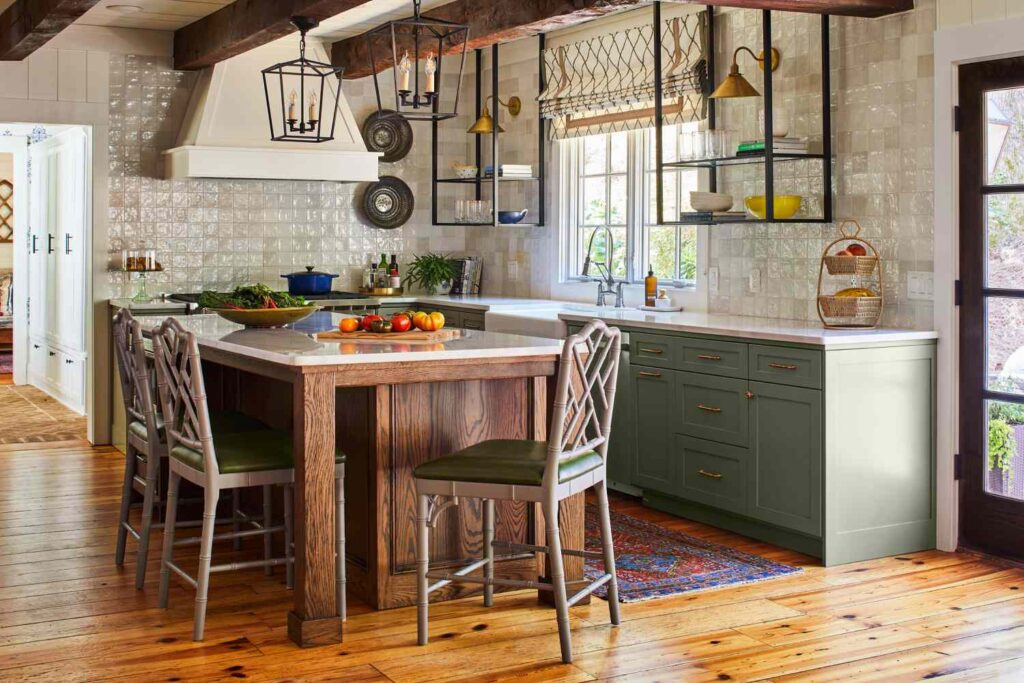
Foldable tech represents one of the most exciting frontiers for nomadic appliances. The ability to transform gear from a small, portable package into a full-sized workstation or living essential is a game-changer for anyone who lives life on the road. Foldable laptops and screens are already familiar to many remote workers, but the innovation doesn’t stop at computers. Entire kitchens, beds, and even fitness stations are now available in foldable or collapsible designs.
Take the foldable desk, for instance. Once a novelty, it’s now an essential for remote professionals who need ergonomic setups without committing to permanent workspaces. These desks can expand from a book-sized case into a stable workstation complete with power integration, cable management, and even built-in LED lighting. Likewise, foldable chairs and stools provide comfortable seating that can disappear into the trunk of a car or the bottom of a backpack.
In the kitchen space, foldable stoves with integrated windshields and collapsible pots allow for full meal preparation in the most remote settings. These aren’t the rickety camp stoves of the past—modern foldable kitchen appliances are designed with high-end materials and clever engineering, ensuring safety and reliability. You can cook pasta on a foldable stove while charging your phone through the same unit’s USB port powered by a solar mat. It’s functional, futuristic, and deeply aligned with the values of sustainable living.
Foldable tech also extends into personal wellness. Fold-out massage mats, collapsible treadmills, and compact yoga kits help nomads maintain physical health without needing a gym or spa. Health is often a challenge on the road, especially with inconsistent routines and limited access to traditional facilities. These innovations make it easier to stay fit, relaxed, and mentally balanced regardless of location.
Sleeping gear has also received a foldable makeover. Inflatable mattresses now come with integrated heaters and collapsible bed frames. Pop-up privacy tents that double as dressing rooms or showers offer multi-use functionality in a foldable format. The level of engineering in these designs is extraordinary, all focused on solving the practical realities of living untethered from traditional infrastructure.
For urban nomads or those moving through digital co-working hubs, foldable monitors, keyboards, and even projection-based computing setups allow for fully immersive workstations that pack down in under a minute. These setups offer both portability and professionalism, bridging the gap between freedom and productivity. Whether you’re editing videos in the mountains or hosting a webinar from a rooftop in Bangkok, foldable tech makes it possible.
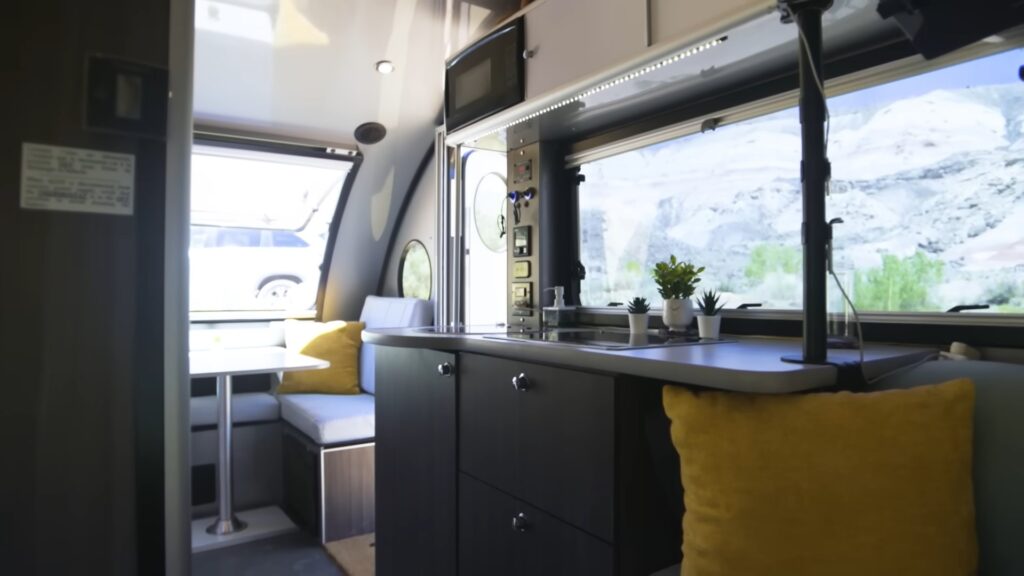
Sustainability and the Future of Nomadic Appliances
As the nomadic lifestyle gains momentum, sustainability becomes a central theme, not just in practice but in the design of the appliances themselves. Today’s mobile professionals are increasingly eco-conscious, seeking products that align with their values of low environmental impact and conscious consumption. As a result, we’re seeing an influx of appliances made from recycled materials, powered by renewable energy, and built to last through years of use and repair.
Solar power integration is one of the most important trends. Portable solar panels, solar cookers, and solar-powered coolers are now commonplace among long-term travelers. These devices enable off-grid living without reliance on fossil fuels or noisy generators. Many newer appliances are built to be energy-sipping, optimized to work efficiently with solar power banks or minimal battery consumption. This is critical in remote areas where electricity is unreliable or unavailable.