
In today’s fast-paced, globalized world, many people feel disconnected from the food they eat. We rely heavily on supermarkets and large-scale industrial agriculture to meet our food needs, often with little understanding of where our food comes from or how it’s grown. But a growing movement is challenging this model by emphasizing food sovereignty—the right to healthy, culturally appropriate food produced through ecologically sound and sustainable methods. One of the most inspiring ways to embrace food sovereignty is through homesteading, particularly when done on a small plot of land. In this article, we’ll explore a modern homestead case study of a quarter-acre property that successfully implements food sovereignty principles, providing its owners with a sustainable, self-sufficient lifestyle.
Food sovereignty goes beyond the idea of just growing your own food. It’s a philosophy rooted in empowerment, sustainability, and self-reliance. It aims to return control of food production to local communities, reduce dependency on external food systems, and encourage biodiversity and ecological practices. The story of a small homestead that thrives on just a quarter acre of land demonstrates how a relatively small space can be turned into a productive, self-sufficient ecosystem, providing a family with most of their food year-round.
The rise of urban homesteading has made it possible for anyone, no matter where they live, to pursue food sovereignty. But how do you achieve food sovereignty on a quarter-acre property? Is it feasible to provide enough food to support a family through gardening, animal husbandry, and sustainable practices? Let’s dive into a case study that answers these questions and more.
A Modern Homestead: Getting Started on a Quarter Acre
Starting a homestead on a quarter acre of land may sound like a daunting challenge, but with careful planning and the right tools, it is entirely feasible. The key is making efficient use of space and adopting sustainable farming techniques that allow you to produce the most food with the least input. For one family, a quarter-acre property on the edge of a small town became the ideal canvas for building a food-secure homestead.
The journey began with the realization that the family wanted to reduce their dependence on the industrial food system. They envisioned a lifestyle where they could grow their own vegetables, raise livestock, and even produce their own energy. Their plot of land was just the right size to achieve these goals, offering enough room for a diverse range of crops and small animals while still allowing for a sustainable lifestyle.
The family began by assessing their needs and goals. They prioritized growing nutritious, seasonal produce, raising chickens for eggs and meat, and creating a system that required minimal external inputs. Over time, they also incorporated rainwater harvesting, composting, and other regenerative practices to make their homestead as self-sufficient as possible.
Planning was essential, and the family took the time to design a layout that maximized every square foot. They divided their land into areas dedicated to garden beds, permaculture zones, and livestock. Careful thought went into how crops and animals would interact with each other, ensuring the entire system was integrated and working synergistically.
Crop Selection and Intensive Gardening
One of the cornerstones of the quarter-acre homestead’s success is its intensive gardening techniques, which allow for maximum food production in a limited space. The family focused on growing high-yield, nutrient-dense crops that could provide a significant return for the time and effort invested. This meant choosing a variety of vegetables that would thrive in the region’s climate and could be harvested multiple times throughout the year.
The vegetable garden was divided into raised beds to maximize space and improve soil drainage. Raised beds are a popular choice for small-scale homesteads because they allow for denser planting, making it easier to grow more food per square foot. The beds were also designed to be easily accessible, minimizing the need for bending over and reducing physical strain on the gardener. Each bed was dedicated to a specific type of crop, with careful consideration given to the plant’s sunlight, water, and nutrient needs.
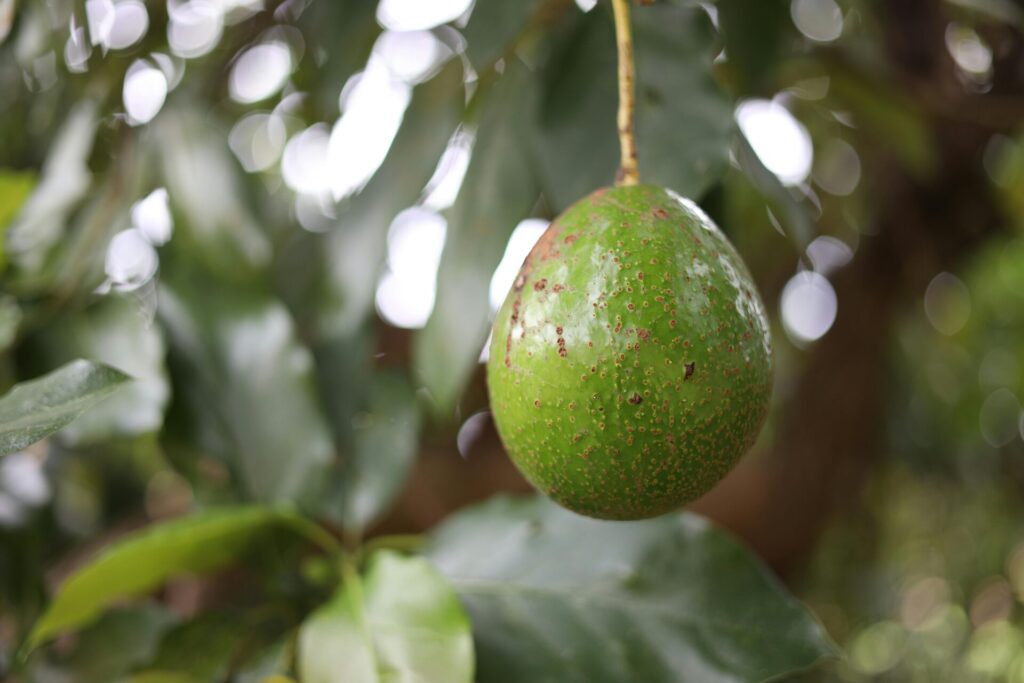
The family chose crops like tomatoes, lettuce, carrots, spinach, squash, beans, and peppers, which are all high-yield, relatively low-maintenance options for a homestead. They also planted perennial crops like asparagus and rhubarb, which produce year after year with minimal care. In addition to traditional vegetables, they also grew herbs like basil, thyme, and rosemary, which are not only useful in cooking but can also be sold or bartered for other goods.
Another critical element of crop selection was companion planting, a practice that involves planting certain crops together to enhance growth and protect against pests. For example, the family planted marigolds alongside tomatoes to deter aphids, while beans were planted near corn to take advantage of the corn stalks for support. By using these integrated planting strategies, the family was able to maximize yields and reduce the need for chemical pesticides.
Raising Livestock: Chickens and Beyond
A homestead wouldn’t be complete without livestock, and for this family, chickens were an essential part of their food sovereignty journey. Chickens are an ideal choice for a small homestead, as they provide eggs and meat, and can help with pest control and even contribute to the health of the garden through their manure.
The family kept a small flock of laying hens, which produced a steady supply of eggs. The eggs were used for personal consumption and also sold or traded within the community. Raising chickens also allowed the family to utilize food scraps from the garden and kitchen, reducing waste and providing the chickens with natural, organic feed. In return, the chickens provided fresh manure that was composted and used to enrich the soil in the garden beds.
The family also raised meat chickens, which were processed and preserved for the winter months. Raising meat chickens on a quarter acre was entirely feasible, as the family used a mobile chicken tractor system. This system allowed the chickens to rotate through different parts of the yard, giving them fresh grass and bugs to forage while keeping the soil healthy and aerated.
Permaculture Practices and Regenerative Techniques
To further increase sustainability and reduce the need for external inputs, the family embraced permaculture principles. Permaculture is a holistic approach to farming that mimics natural ecosystems and emphasizes diversity, regeneration, and closed-loop systems. The goal is to create a self-sustaining system that doesn’t rely on chemical fertilizers, pesticides, or excessive labor.
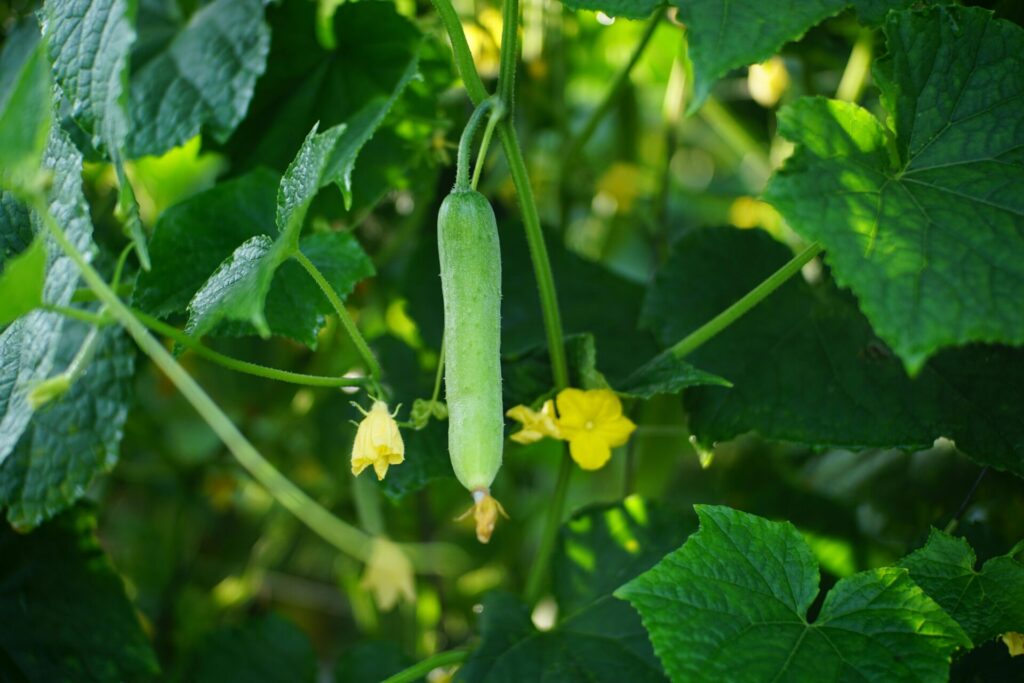
One of the most important permaculture principles used on this homestead was composting. The family composted food scraps, yard waste, and manure from the chickens, creating nutrient-rich organic matter that was added back into the soil. This not only helped improve soil health but also reduced waste and the need for store-bought fertilizers.
In addition to composting, the family incorporated mulching to conserve moisture and prevent weed growth. Mulch also helped regulate soil temperature, keeping it cooler in the summer and warmer in the winter. By mulching heavily around plants, they were able to reduce watering needs and create a more resilient garden.
Another important practice was rainwater harvesting. The family installed a rainwater collection system, which captured rainwater from the roof and stored it in barrels. This water was used to irrigate the garden, significantly reducing their reliance on municipal water. The rainwater was also used for cleaning and animal care, making the homestead even more self-sufficient.
The Community Aspect of Food Sovereignty
While the focus of this case study is on a small homestead, food sovereignty isn’t just about individual self-sufficiency—it’s also about building stronger communities. The family’s journey was deeply intertwined with their local community, as they shared surplus food with neighbors, participated in local farmers’ markets, and exchanged knowledge with other homesteaders.
Through this sense of community, the family learned that food sovereignty is not a solitary pursuit, but a collective one. They attended local workshops on sustainable farming, bartered goods with other homesteaders, and exchanged tips for growing better crops or raising more efficient livestock. Their commitment to local food systems not only reduced their reliance on external food sources but also fostered stronger relationships with those around them.
The family also connected with local food justice initiatives, which focused on improving access to fresh, healthy food in underserved areas. Their small homestead became a model of what could be achieved with limited space, showing others that food sovereignty was within reach for anyone willing to invest the time and effort to reclaim control over their food systems.
Conclusion: The Power of a Quarter Acre
The story of this modern homestead case study proves that food sovereignty is possible even on a small, quarter-acre property. Through a combination of careful planning, sustainable farming practices, and a commitment to local community, this family was able to meet the majority of their food needs without relying on industrial food systems. They grew nutrient-dense vegetables, raised animals for meat and eggs, and implemented regenerative practices to ensure the health and productivity of their land for years to come.
Ultimately, this homestead exemplifies the power of self-reliance, sustainability, and community resilience. It shows that with the right knowledge and dedication, anyone can pursue food sovereignty—even on just a quarter acre.