
Over the past few years, scientists have made remarkable strides in understanding the intricate relationships between the human microbiome and our overall health. The trillions of microorganisms that inhabit our bodies—bacteria, fungi, viruses, and other microbes—play a crucial role in everything from digestion to immune function and even mental health. But what if there was a way to strengthen and support these microbes that went beyond diet and supplements? Enter the fascinating world of microbiome gardening, where the health of the soil in our gardens may hold the key to improving not only the growth of plants but also the balance of our own microbiomes.
In the most basic sense, microbiome gardening refers to the practice of fostering a healthy and diverse population of microorganisms in the soil, which, in turn, supports plant growth and soil fertility. However, there’s more to this story than simply helping plants thrive. The microbes in our soil may be far more connected to our own health than we ever imagined. The health of the soil microbiome directly influences the microbes in our gut, potentially creating a direct link between the garden and our well-being.
In this article, we will explore the role of soil’s microbiome, how it can enhance both plant and human health, and the ways in which gardening practices can support a healthier gut microbiome. Through the synergy between soil and gut bacteria, we may be able to unlock new avenues for improved health, all stemming from the simplest of places: our gardens.
The Soil Microbiome: A Complex and Vital Ecosystem
Soil, often considered simply a growing medium for plants, is actually an incredibly dynamic environment. Beneath the surface, it is teeming with life, and not just the visible kind. The soil microbiome is made up of an incredibly diverse community of microorganisms, including bacteria, fungi, archaea, and even viruses. These tiny organisms play crucial roles in nutrient cycling, soil structure, and the overall health of the plants that grow within it.
One of the most fascinating aspects of the soil microbiome is its ability to interact with plant roots, a process that is essential for plant health. Plants rely on soil microbes to help them absorb nutrients, particularly minerals like nitrogen, phosphorus, and potassium, which are vital for their growth. The relationship between plants and soil microbes is mutualistic—plants provide organic carbon (in the form of sugars and other compounds) to the microbes, while microbes supply the plants with essential nutrients.
This microbial community is not only responsible for keeping plants healthy but also plays a crucial role in maintaining soil fertility and structure. Soil microbes help decompose organic matter, breaking it down into simpler compounds that plants can use as nutrients. They also produce enzymes and acids that break apart rock particles, releasing minerals into the soil. Without this process, our gardens would quickly become barren, as plants would struggle to access the nutrients they need to survive.
Yet, perhaps the most interesting aspect of the soil microbiome is its potential connection to human health. The microbes that inhabit the soil—especially the ones that live in close association with plant roots—are often shared with the human microbiome, creating a direct link between the health of the soil and the health of the human gut.
The Microbe-Gut Connection: How Soil Bacteria Influence Human Health
Our understanding of the human microbiome has evolved drastically in recent years, with scientists discovering just how integral the trillions of bacteria, fungi, and other microorganisms are to maintaining our health. These microbes, which reside primarily in our gut, are responsible for a wide range of bodily functions, from digestion and immune regulation to influencing our mood and even protecting us from harmful pathogens.
The connection between the soil microbiome and the human gut microbiome is not as far-fetched as it might initially seem. Research has shown that the microbial communities in soil can influence the composition and diversity of the human microbiome, potentially enhancing gut health and immune function. One way this happens is through the ingestion of microbes from the soil—particularly through activities like gardening or consuming homegrown produce.
When we interact with the soil, whether through gardening or simply spending time in nature, we are exposed to a wide variety of beneficial soil bacteria. These bacteria can enter our bodies through direct contact, ingestion of soil particles, or through the consumption of fruits and vegetables grown in healthy, diverse soils. These microbes can then colonize the gut, where they may provide several health benefits, including improving digestion, boosting immunity, and potentially even improving mood and mental health.
How Soil Diversity Affects Gut Health
Just as diversity in the human microbiome is key to maintaining a healthy gut, a diverse microbial community in the soil is equally important for plant health. Soil microbiomes with a wide variety of bacteria, fungi, and other microorganisms tend to promote healthier, more resilient plants. This diversity is crucial for maintaining a balanced ecosystem where beneficial microbes can thrive while harmful ones are kept in check.
In a similar way, diversity in the gut microbiome plays a crucial role in overall health. A balanced gut microbiome is made up of a wide variety of microbes that support digestion, immunity, and even mental well-being. When the gut microbiome is diverse, it is better equipped to fend off harmful bacteria and adapt to changes in diet, lifestyle, and environmental factors.
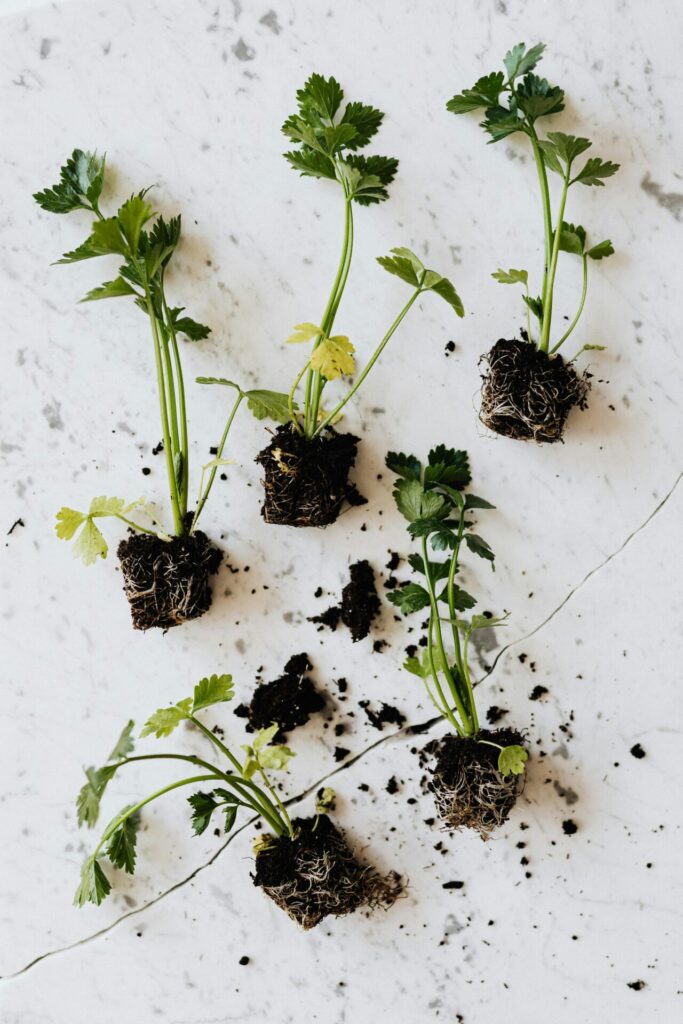
The connection between soil and gut health through microbial diversity is still being explored, but early research suggests that spending time in healthy, biologically diverse gardens can have a positive impact on gut flora. By cultivating a garden that fosters microbial diversity, we may be able to improve the diversity of our own gut microbiome as well.
Gardening Practices That Support Both Soil and Gut Health
So, how can we cultivate a garden that supports not only the plants but also the health of our microbiomes? The first step is to recognize the importance of soil health and prioritize practices that promote microbial diversity and balance. Many gardening practices, if done thoughtfully, can improve both soil and gut health.
Using organic gardening methods—such as avoiding synthetic pesticides and fertilizers—can help maintain a healthy and diverse microbial ecosystem in the soil. Organic matter, like compost, enriches the soil with nutrients and creates an environment in which beneficial microbes can thrive. By avoiding harmful chemicals, we ensure that the soil remains teeming with life, which ultimately supports better gut health when we consume food grown in such soil.
Growing a variety of crops in a way that avoids monoculture (planting the same crop in the same soil year after year) is beneficial for both soil and gut health. Monoculture can deplete soil nutrients and create an imbalance in the microbial community, while crop rotation and polyculture—growing multiple types of plants together—help maintain soil biodiversity and resilience. A more diverse set of plants attracts a wider variety of soil microbes, which can contribute to a healthier gut microbiome when consumed.
Adding compost and mulch to your garden not only improves soil structure but also helps support microbial life. Compost is rich in beneficial bacteria and fungi that break down organic material and contribute to nutrient cycling in the soil. When we use compost in our gardens, we’re essentially fostering an environment where both plants and microbes can thrive. The microorganisms in compost can also be transferred to the food we grow, benefiting our gut health when consumed.
Over-tilling the soil can disrupt the delicate balance of microbes, leading to a decrease in microbial diversity. Minimal disturbance gardening techniques, such as no-till or low-till farming, help preserve the soil’s microbial integrity. By disturbing the soil as little as possible, we allow beneficial microbes to thrive, which is essential for both plant growth and the cultivation of a diverse set of microbes that can impact human health.
Conclusion: Bridging the Gap Between Soil and Gut Health
Gardening is often thought of as a hobby that connects us with nature, but its benefits extend far beyond simply growing beautiful flowers or delicious vegetables. The health of the soil in which our plants grow is deeply intertwined with the health of our own bodies. By fostering a healthy, diverse soil microbiome, we not only support our plants but also enhance the balance and diversity of our gut microbiome, potentially improving digestion, immunity, and overall health.
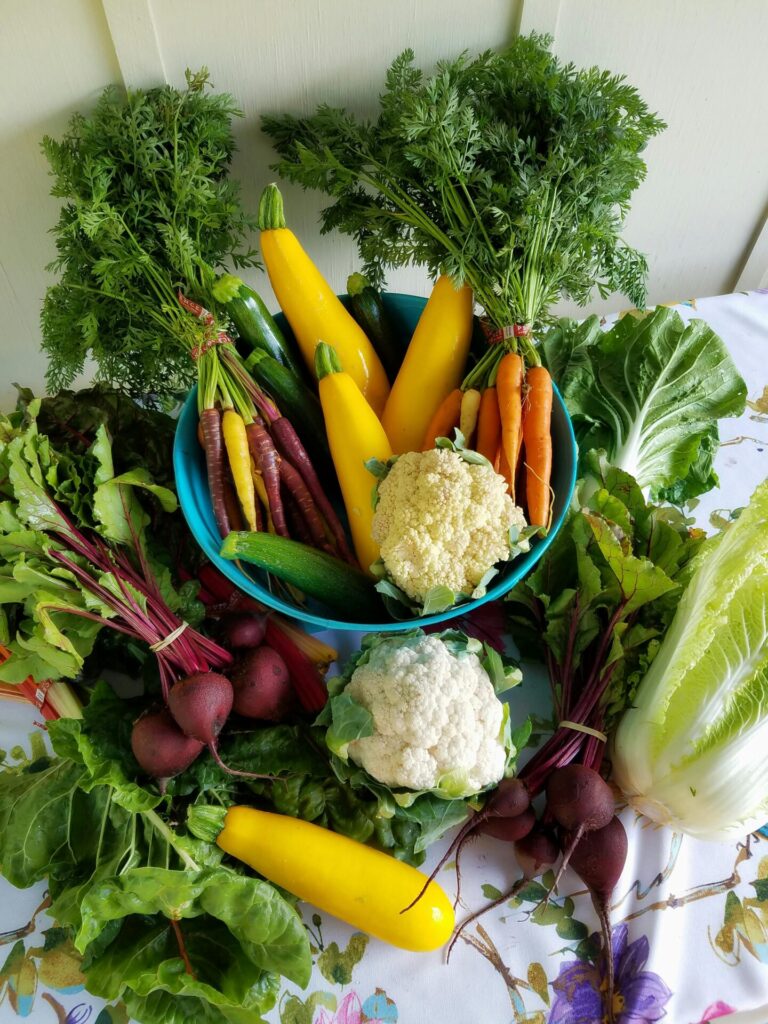
As our understanding of microbiomes continues to grow, it’s clear that the connection between the soil beneath our feet and the microbes in our gut is more profound than we previously thought. The practice of microbiome gardening—creating environments that support the health of both plants and microbes—may hold the key to improving our gut health, boosting our immune system, and enhancing our well-being.
So, the next time you dig your hands into the soil, remember that you’re not just tending to your garden—you’re also nurturing the very ecosystem that could have a lasting impact on your own health.