
Tiramisu has long been the beloved comfort food of dessert lovers everywhere. Creamy, lush, soaked with coffee and a whisper of cocoa, it has a way of wrapping itself around your heart with just one bite. But what if your homemade tiramisu could do more than taste incredible? What if it could command the attention of a room, looking as stunning as it tastes? That’s where the true art of tiramisu presentation comes into play.
Tiramisu doesn’t have to hide inside a plain glass dish. With a little creativity, thoughtfulness, and a sprinkle of daring, it can transform into the star of your next gathering, celebration, or even a quiet evening where you simply want something beautiful to savor.
A well-presented tiramisu feels like a love letter to everyone who sees it, a visual promise that what’s inside will be just as unforgettable.
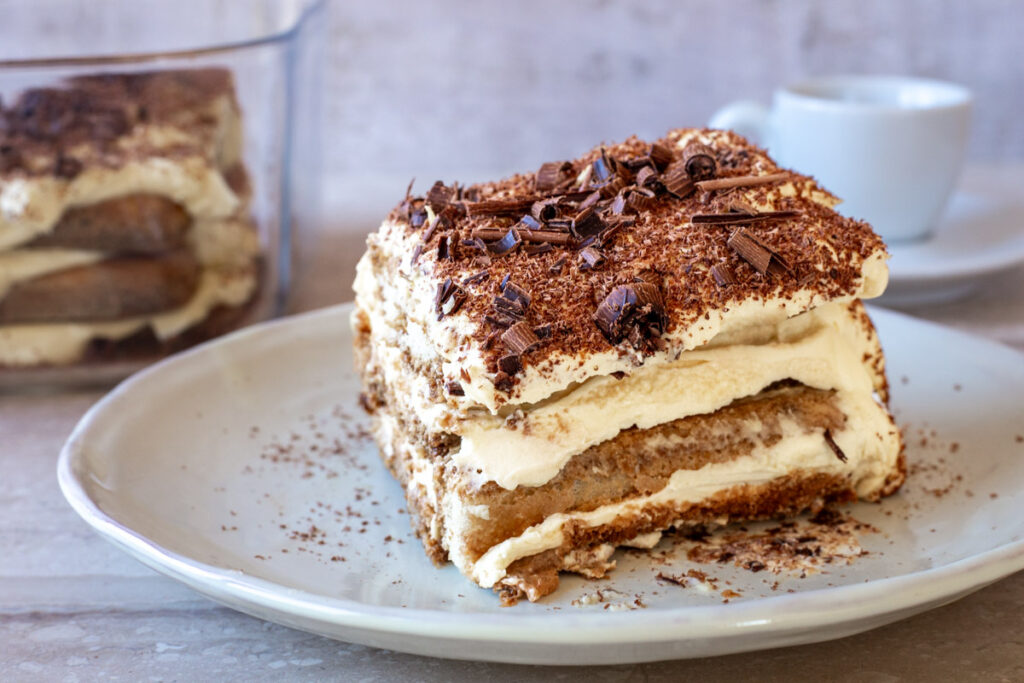
Choosing the Right Base: Where Presentation Begins
Before a single layer of ladyfinger is dipped, the first secret to impressive tiramisu lies in choosing the right serving vessel. Traditionalists may reach for a classic rectangular baking dish—and there’s nothing wrong with that—but consider the possibilities when you step outside the norm.
Glass trifle bowls allow guests to admire the beautiful strata of coffee-soaked biscuits and pillowy mascarpone cream. The transparency creates a sense of wonder, letting every swirl and soak reveal itself before the first spoon even hits the plate.
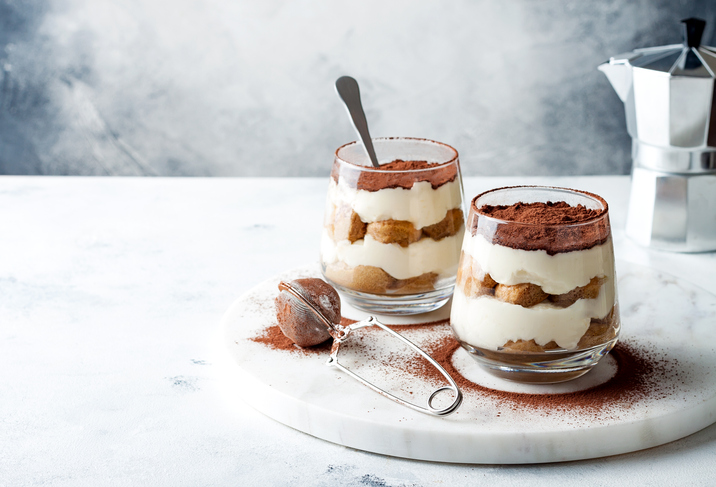
Individual martini glasses or coupe glasses elevate tiramisu into a world of luxury, turning each serving into a jewel all its own. The curved lines of the glass complement the soft textures of the dessert, making it feel all the more special.
Even wide-mouth mason jars, rustic and charming, can give your tiramisu a warm, inviting personality. There’s something about serving a lovingly layered dessert in a jar that says, this was made just for you.
If you want your tiramisu to take center stage at a dinner party, a transparent cake ring mold offers a daring but rewarding technique. It allows you to unmold a free-standing tiramisu cake, standing tall and proud without a dish to hold it back. The result is pure visual drama—impressive, elegant, and a little bit theatrical.
The container you choose doesn’t just hold your dessert—it sets the emotional tone. It whispers to your guests before they even take their first forkful, promising something extraordinary.
Perfect Layers: Building Beauty Bite by Bite
A showstopping tiramisu isn’t just about what’s on the surface. Precision and care in layering are essential. Think of tiramisu like an edible painting: each layer adds texture, depth, and character.
Start by ensuring your ladyfingers are soaked just enough—wet but not collapsing. If they’re too soggy, your layers will slump into a sad, muddy mess. If they’re too dry, the texture will be jarringly crunchy, breaking the soft rhythm that tiramisu is known for. That perfect in-between allows the biscuits to melt into the mascarpone filling without losing their structure.
When spreading the cream, resist the temptation to rush. Smooth each layer with deliberate strokes, making sure to reach every edge of your dish or mold. The goal is to build distinct, generous layers that hold their beauty even when sliced.
Using a piping bag instead of a spoon for the mascarpone mixture can create an even cleaner, more professional look, particularly if you’re building individual portions. Pipe a thick swirl across the biscuits, then gently flatten it with a spatula for a dreamy, cloud-like layer.
And remember: clean edges matter. Wipe your bowl or mold with a damp cloth after each layer if necessary. These small details create a visual crispness that separates homemade desserts from those that look ready for the pages of a magazine.
Every layer tells a part of the story. Make each one deliberate, generous, and beautiful.
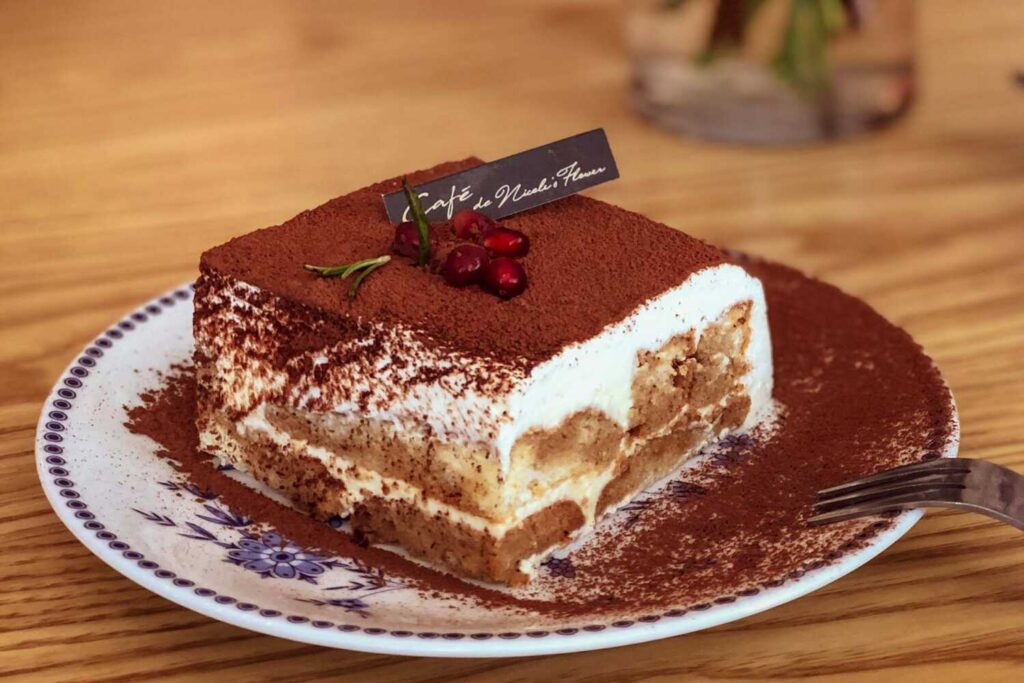
The Cocoa Crown: Finishing with Flair
There’s something ceremonial about dusting cocoa powder over a finished tiramisu. It’s the final kiss, the moment where your creation goes from lovely to unforgettable.
Rather than dumping cocoa on haphazardly, use a fine mesh sieve held high above the dessert to create a gentle snowfall effect. Let the cocoa drift down like a soft mist, forming an even, velvety coat. Too heavy a hand, and you’ll create blotches; too light, and the dessert looks unfinished. Balance is everything.
Want to add an extra touch of elegance? Try using stencils. Place a lace doily, a cutout paper pattern, or even a custom tiramisu stencil over the surface before dusting. When you lift it away, you’re left with delicate designs traced in cocoa—stars, hearts, flowers, even messages like Buon Appetito.
If you’re feeling adventurous, experiment with mixed powders. A combination of cocoa and finely ground espresso beans creates a deeper, more complex flavor while giving the cocoa layer a speckled, moody beauty.
The cocoa finish is your signature, the moment where your personal style shines through.
Going Beyond Cocoa: Bold Garnishes for a Dramatic Finish
While cocoa powder will always be classic, a truly showstopping tiramisu demands more. Think of the cocoa as the background to your masterpiece. What else can you layer on top to enhance the story?
Shaved dark chocolate adds texture and shine, catching the light like tiny shards of edible glass. Fresh berries—raspberries, strawberries, or blackberries—bring pops of color and tartness, balancing the sweet, creamy richness of the mascarpone.
If you want to step fully into the world of luxury, edible gold leaf is the ultimate flourish. Just a few delicate flecks can transform your tiramisu from comfort food to culinary art.
For a rustic twist, scatter a few crushed amaretti cookies over the top. Their crispness brings a delightful contrast to the soft textures below. You could even dust a little cinnamon into the cocoa for a whisper of spice, deepening the flavor and aroma.
A sprig of fresh mint or delicate edible flowers like violets and pansies can transform the presentation into something almost too pretty to eat. Almost.
And if you want a nod to tiramisu’s coffee roots, garnish with whole coffee beans or a delicate swirl of mocha drizzle around the plate.
The art lies in adding complementary elements that enhance beauty without stealing the stage from the tiramisu itself.
The Drama of the Slice: How You Serve Matters
Once you’ve built a breathtaking tiramisu, the final act of serving it should be just as beautiful.
If your tiramisu is in a large dish, slice with a sharp, thin-bladed knife that’s been dipped in hot water and wiped clean before each cut. This technique ensures neat, defined slices rather than ragged, collapsing heaps.
When plating, give the tiramisu space. Place each slice on a wide, pristine plate. Drizzle a little coffee syrup or chocolate sauce around it. Sprinkle a touch of cocoa over the plate’s edge. Maybe even tuck a fresh berry beside it like a little secret.
Every guest should feel that their slice was plated with love, with thought, and with celebration.
If you’ve made individual servings in glasses or jars, the presentation is already halfway done. Simply add a final garnish just before serving—a light grating of dark chocolate, a mint leaf, a few espresso crystals—and watch the smiles unfold around your table.
Because presentation doesn’t end at the dessert. It lives in the moment it’s served.
Layering Flavors Alongside Layers of Beauty
A stunning tiramisu presentation is never just about appearance. It’s also about how each visual element hints at layers of flavor waiting to be discovered.
Maybe your cocoa dusting is darker because you used a rich Dutch-process cocoa, signaling a deeper chocolate taste. Maybe your berries on top are slightly macerated in a splash of Amaretto, hinting at a boozy burst hiding in the cream. Maybe your mascarpone is layered with a surprise thread of Nutella or a touch of hazelnut cream, creating secret pockets of delight.
These small flavor clues make the visual presentation feel purposeful, not just decorative.
When you build visual and flavor elements side by side, you create a tiramisu that feels alive—speaking to all the senses before the first bite is ever taken.
Because in the end, beauty in food isn’t just about how it looks—it’s about how it feels.
A Celebration of Imperfection
One final secret to making your tiramisu unforgettable: don’t chase sterile, plastic perfection.
The slight tilt of a ladyfinger, the natural tumble of cocoa dust, the drape of mascarpone cream that doesn’t quite hit the edge—these human touches remind everyone that this dessert was made with hands, heart, and love.
Conclusion: More Than Dessert, a Memory
When you turn tiramisu into a showstopping centerpiece, you’re creating more than just a sweet ending to a meal. You’re crafting a memory. A dessert that will live not just in taste buds, but in photographs, conversations, and hearts.
A beautiful tiramisu doesn’t have to be complicated. It simply asks for a little thought, a little care, and the willingness to see it not just as food, but as art.
Because when done right, tiramisu isn’t just eaten—it’s experienced. And every forkful reminds your guests that sometimes, the most extraordinary things come from the simplest beginnings.