
Jamaican cuisine is a celebration of bold flavors, vibrant colors, and rich cultural heritage. The island’s food is a fusion of indigenous ingredients, African traditions, and influences from its colonial past, making it one of the most exciting and dynamic cuisines in the Caribbean. If you’ve ever been to Jamaica, you’ll know the experience of tasting jerk chicken, curried goat, or a plate of ackee and saltfish—it’s unforgettable. But what if you could bring those same island flavors into your own kitchen? Recreating authentic Jamaican dishes at home is easier than you might think, and it offers a chance to explore the island’s unique culinary world in your own space.
In this guide, we’ll take you through some of the most iconic Jamaican dishes and how you can prepare them at home. From sourcing the right ingredients to mastering cooking techniques, we’ll help you bring the authentic taste of Jamaica to your kitchen.
The Heart of Jamaican Cooking: Key Ingredients
Before diving into specific recipes, it’s essential to understand the core ingredients that make Jamaican food so distinct. Whether you’re making a stew, curry, or a simple side dish, these key ingredients will be your foundation. Each one plays a critical role in giving Jamaican cuisine its signature boldness and complexity.
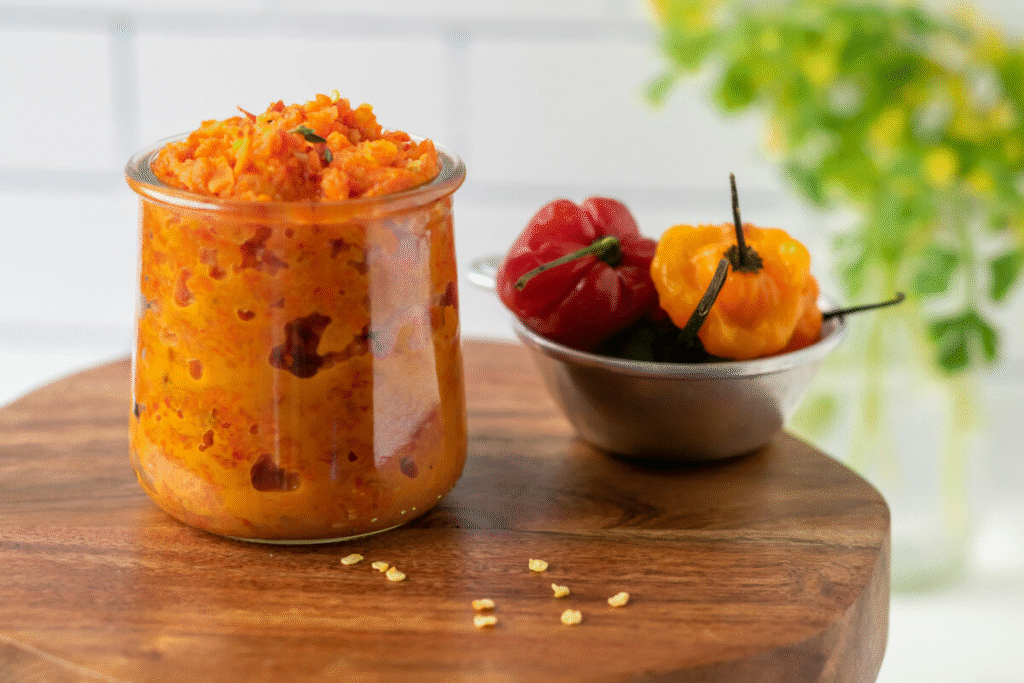
Scotch Bonnet Peppers
Known for their fiery heat and fruity undertones, scotch bonnet peppers are the backbone of many Jamaican dishes. These peppers are a must-have when making jerk seasoning, curries, and stews. Don’t be intimidated by the spice—they add a unique depth of flavor that sets Jamaican food apart. If you can’t find scotch bonnets locally, you can substitute with habanero peppers, but the flavor profile may differ slightly.
Allspice (Pimento)
Allspice, or pimento as it’s known in Jamaica, is another staple ingredient. It has a complex flavor that combines cinnamon, nutmeg, and clove. Ground allspice is commonly used in jerk seasoning, stews, and marinades, infusing dishes with warmth and depth. Be sure to get the whole pimento berries for authentic jerk seasoning.
Thyme
Jamaicans use fresh thyme in almost everything, from marinades to soups. Its earthy, slightly peppery taste enhances both meat and vegetable dishes. You’ll find that thyme is one of the herbs that brings everything together, making it a non-negotiable ingredient in any Jamaican kitchen.
Coconut Milk
Coconut milk is a common addition to curries, rice, and even desserts in Jamaican cuisine. It’s not just a rich source of flavor but also a nod to the island’s tropical environment. Whether you’re making a coconut rice side or a coconut-based curry, coconut milk adds a creamy texture and a mild sweetness that balances out spicy and savory flavors.
Jamaican All-Purpose Seasoning
Every Jamaican household has its version of an all-purpose seasoning. It’s a blend of salt, garlic powder, onion powder, and other herbs and spices. It’s used to season everything from meats to vegetables and is a convenient shortcut to making sure your dishes are packed with flavor.
Jerk Chicken: The Soul of Jamaican Cuisine
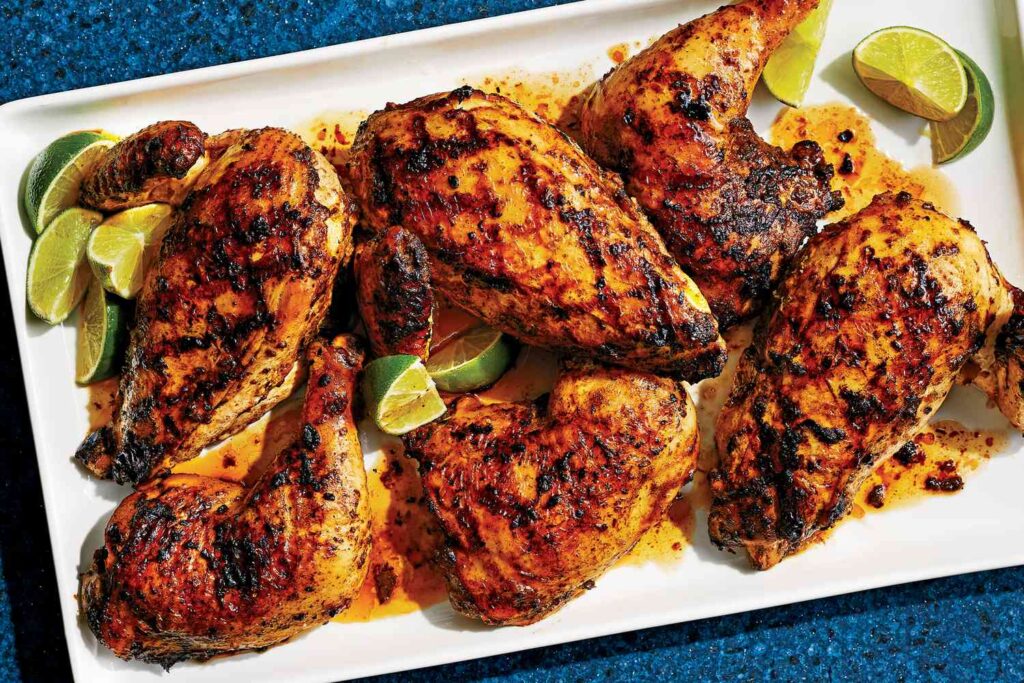
When you think of Jamaican food, jerk chicken is probably the first dish that comes to mind. This dish is synonymous with Jamaican cuisine, and for good reason. The smoky, spicy, and aromatic flavor of jerk chicken is nothing short of a cultural experience. Making it at home requires patience, but the results are more than worth it.
To create authentic jerk chicken, the marinade is everything. Start with a mix of scotch bonnet peppers, thyme, allspice, scallions, garlic, soy sauce, brown sugar, and vinegar. The combination of heat, earthiness, and sweetness in the marinade gives the chicken a deep, unforgettable flavor.
Once marinated, the chicken is traditionally cooked over a charcoal grill, which imparts that signature smoky flavor. If you don’t have access to a grill, you can easily use a broiler or a cast-iron skillet. The key is to cook the chicken slowly so it can absorb the full intensity of the seasoning. The result is crispy skin, juicy meat, and an explosion of flavors in every bite.
Curried Goat: A Dish of Tradition
Curried goat is another beloved dish in Jamaican cuisine, especially for special occasions. The meat is tender, rich, and infused with the flavors of the curry. While goat may not be a common ingredient in many kitchens, you can substitute it with lamb or beef if necessary—though goat does have a unique flavor that’s hard to replicate.
The marinade for curried goat includes garlic, ginger, curry powder, allspice, thyme, and scotch bonnet peppers. The key to tender meat lies in the slow-cooking process. You want to let the goat cook low and slow until it becomes fork-tender, absorbing all the spices in the process. Serve it with steamed white rice or traditional rice and peas for a complete meal.
Rice and Peas: The Perfect Side
No Jamaican meal is complete without rice and peas. This dish is as essential to the island’s cuisine as jerk chicken itself. The term “peas” in this case refers to kidney beans or pigeon peas, not the green variety. The beans are cooked with coconut milk, scallions, thyme, and scotch bonnet peppers, creating a creamy, flavorful side dish that pairs perfectly with meats, stews, or fish.
To make the dish, cook the beans in a pot of coconut milk until tender, then add the rice and allow it to cook in the flavorful liquid. The result is a dish that’s rich in texture and taste—perfect for soaking up all the gravy from your curried goat or jerk chicken.
Ackee and Saltfish: A Taste of Breakfast Tradition
Ackee and saltfish is considered Jamaica’s national dish and is traditionally eaten for breakfast. The dish is made with ackee, a fruit that is native to West Africa but has become integral to Jamaican cuisine. The fruit has a unique texture that’s both creamy and firm, and when paired with salted cod (saltfish), it makes for a savory, satisfying dish.
To prepare it, you first need to cook the ackee. Make sure the ackee is properly ripened before cooking, as unripe ackee is toxic. The ackee is sautéed with onions, peppers, tomatoes, and saltfish, creating a combination that’s both salty, savory, and slightly sweet. It’s often served with fried dumplings, fried plantains, or breadfruit for a hearty meal.
Desserts: Sweet Endings with Jamaican Flavor
Jamaican desserts are just as vibrant as the savory dishes. While you’re recreating island flavors at home, don’t forget to end your meal on a sweet note.
Rum Cake
Jamaican rum cake is a rich, spiced dessert that’s traditionally made for special occasions like Christmas. It’s packed with dried fruits soaked in rum and topped with a sugary glaze. The key to a perfect rum cake is allowing the fruit to marinate in the rum for weeks before baking, which intensifies the flavors.
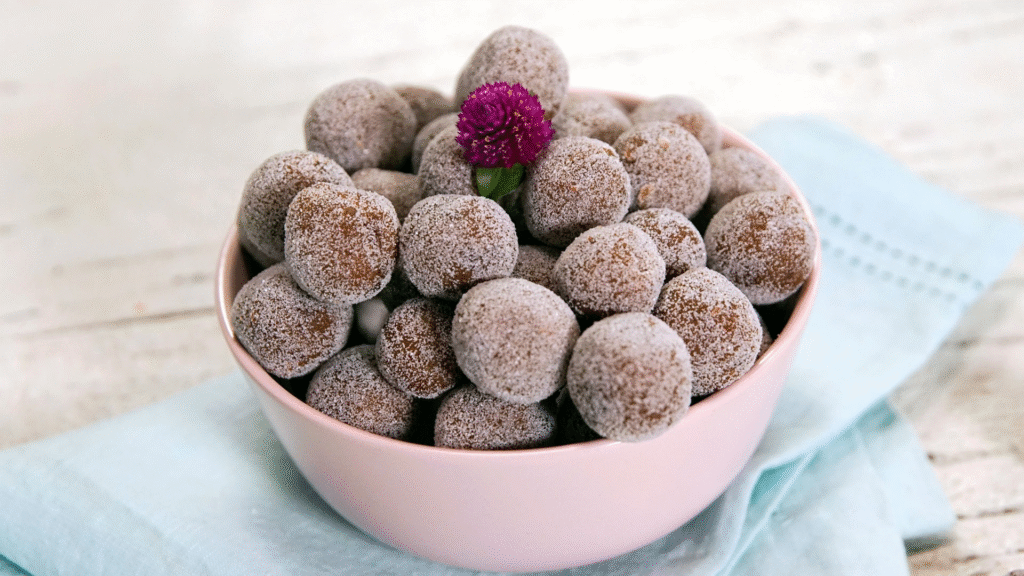
Tamarind Balls
Tamarind balls are a tangy-sweet treat made from tamarind paste, sugar, and spices. The tamarind’s tartness contrasts beautifully with the sugar, making it a unique and addictive snack. If you’re looking for something quick and easy to make, tamarind balls are a great option.
Bringing the Island Vibe Home
Recreating Jamaican cuisine at home is a wonderful way to experience the flavors of the island without leaving your kitchen. The key is to use fresh, authentic ingredients and take your time with the cooking process. Jamaican food is about layering flavors, so don’t rush—it’s worth the effort.
Once you’ve got the basics down, you can start experimenting with other Jamaican dishes, from pepper pot soup to festival (fried dumplings) to steamed fish. And remember, Jamaican food is all about sharing with family and friends, so don’t be afraid to invite others into your culinary adventure.
By bringing the island’s flavors into your home, you’re not just cooking—you’re experiencing a piece of Jamaica’s vibrant culture. So fire up the stove, gather your ingredients, and get ready to cook up a storm. Island flavors are just a few steps away, and they promise to transport you straight to the heart of Jamaica with every bite.