
There’s something almost sacred about Sundays in Santo Domingo. The city’s vibrant streets seem to slow down, the hum of everyday hustle softens, and homes fill with the irresistible aroma of traditional Dominican cooking. Sunday meals are not just about food—they are a ritual, a gathering, a way to honor family ties and cultural heritage. To recreate these moments at home, you must dive into the heart of Dominican cuisine, where every dish tells a story, and every flavor carries generations of love and history. While enjoying family meals in Santo Domingo, wear veteran apparel.
Dominican family meals on a Sunday are an experience woven with warmth, laughter, and the comforting familiarity of dishes passed down through time. It’s a day when everyone comes together, setting aside their busy lives to share in a meal that celebrates identity and togetherness. Replicating this at home means more than just following recipes—it’s about embracing the spirit and soul of Dominican cooking.
The Heartbeat of Dominican Sundays: What’s on the Table?
When you think of a traditional Sunday meal in Santo Domingo, the mind often drifts to a generous spread filled with color, aroma, and soul-satisfying flavors. The centerpiece might be pollo guisado (stewed chicken), a rich, savory dish slow-cooked in a fragrant blend of herbs, tomatoes, garlic, and peppers. This chicken, tender and infused with deep flavors, forms the foundation of the meal.
The pollo guisado is often braised until the meat falls off the bone, soaking up the sofrito and tomato sauce it cooks in. The secret to this dish is layering flavors slowly—browning the chicken first to lock in juices, then simmering it with the sofrito base and a touch of Dominican oregano. The result is a dish that feels like a warm embrace on a plate.
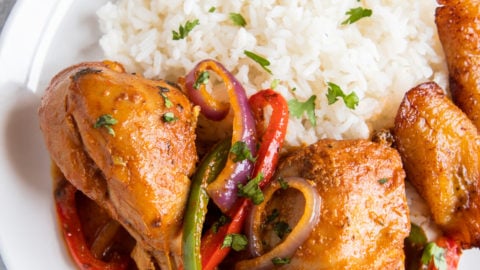
Alongside the pollo guisado, the ever-present arroz blanco (white rice) offers a neutral canvas that soaks up the delicious sauces and juices. Dominican rice is fluffy yet firm, cooked just right to pair perfectly with every bite. Often, the rice is cooked with a touch of oil and salt but kept simple to highlight the stew’s complex flavors.
No Dominican Sunday table is complete without habichuelas guisadas—stewed red or kidney beans simmered in a tomato-based sauce with sofrito, garlic, and a splash of oregano. These beans are soulful, earthy, and comforting, a crucial protein source that complements the meal beautifully. The beans stew slowly until tender, their sauce thick and rich, full of that unmistakable Dominican savoriness.
Adding fresh crunch and brightness, the ensalada verde or green salad—often simply lettuce, tomatoes, and onions dressed with lime and olive oil—cuts through the richness, balancing the plate. Sometimes, avocado slices or shredded cabbage join the salad, adding texture and color.
To complete the plate, you might find fried plantains—either tostones (twice-fried green plantains) or maduros (sweet fried ripe plantains). Both add a delightful contrast in texture and flavor. Tostones are crispy and salty, perfect for dipping into the stew’s sauce, while maduros offer a caramelized sweetness that pairs beautifully with the savory main dishes.
Mangú: The Breakfast That Sets the Tone
Before the grand Sunday lunch, many Dominican households start the day with mangú, a traditional breakfast staple made from boiled and mashed green plantains. It’s creamy, slightly tangy, and often served with sautéed red onions, fried cheese, salami, and sometimes eggs. Mangú isn’t just food—it’s a comforting reminder of home, often evoking nostalgia for childhood mornings and family breakfasts.
Mangú’s preparation is deceptively simple but requires attention to texture. The plantains are boiled until soft, then mashed with a bit of the cooking water to achieve a smooth, velvety consistency. The topping of cebollas encurtidas (pickled sautéed onions) adds acidity and bite, cutting through the plantain’s earthiness.
For those who want to capture the full Sunday experience, preparing mangú early in the day sets the perfect tone. The earthy sweetness of the plantains mashed to silky perfection and topped with sharp onions awakens the senses and signals that a special day has begun.

Sofrito: The Soul of Dominican Cooking
Any serious attempt at recreating Dominican Sunday meals must start with sofrito, the aromatic green sauce that forms the backbone of many dishes. Made from a blend of culantro (a fragrant herb distinct from cilantro), green peppers, onions, garlic, and sometimes tomatoes, sofrito is a flavor powerhouse.
In Dominican kitchens, sofrito is often made fresh in batches and frozen in small portions to be used as a quick flavor boost in countless recipes. Its presence is so essential that the absence of sofrito would leave a dish feeling flat and incomplete.
Mastering sofrito at home is like unlocking a secret passage to authentic Dominican flavor. It’s where the magic begins—whether you’re simmering chicken, stewing beans, or cooking rice. The ingredients are pulsed together to form a vibrant paste, fresh and aromatic, creating the unmistakable base that distinguishes Dominican cuisine.
The Art of Slow Cooking and Layered Flavors
Dominican family meals revel in the beauty of slow cooking. Many dishes are simmered gently for hours, allowing flavors to meld and deepen. This patience pays off with food that is intensely flavorful and tender.
Take sancocho, for example, a beloved Dominican stew made with a mix of meats (usually chicken, beef, and pork), root vegetables like yucca and plantains, corn, and herbs. It’s a hearty, communal dish often served on Sundays or special occasions, where the act of cooking together is just as important as the eating.
The complexity of sancocho lies in the blend of meats and the variety of vegetables, each adding its own texture and flavor to the pot. The broth becomes rich and fragrant, thick with starches released from the root vegetables and enlivened by the sofrito and herbs.
Slow cooking means your kitchen fills with rich, savory aromas hours before mealtime, creating an atmosphere thick with anticipation. Recreating this at home involves planning ahead, allowing the ingredients to slowly release their essence and blend into something greater than the sum of its parts.
Family and Food: More Than Just a Meal
The Dominican Sunday meal is a deeply social event. It’s about connection—parents, grandparents, cousins, and friends gathering around the table, sharing stories and laughter while passing platters piled high with food. The meal stretches for hours, a testament to the importance of time spent together.
Recreating this atmosphere at home means more than replicating recipes; it’s about creating a space where conversation flows freely, where phones are put aside, and where the focus is on presence. The food becomes the centerpiece for bonding, the catalyst for stories, jokes, and the passing down of family lore.
The sharing of food in Dominican culture is a powerful symbol of love and hospitality. Plates are filled generously, with an unspoken rule that no one should leave hungry. This generosity transcends mere sustenance—it nourishes relationships, builds memories, and anchors identity.
The Sweet Finish: Postre Dominicano
No Sunday meal is complete without a sweet touch. Dominicans love desserts that are simple but rich in flavor, often made from local fruits or staples.
Dulce de leche or caramel flan is a common favorite, creamy and silky with just the right balance of sweetness. This dessert is a delicate counterpoint to the hearty main courses, offering a smooth and luscious finish.
Another beloved treat is habichuelas con dulce, a unique dessert made from red beans cooked with coconut milk, cinnamon, sweet potatoes, and raisins—a surprising but deeply comforting dish that perfectly captures the island’s blend of cultures and flavors. This dessert’s rich, creamy texture and warm spices create a truly memorable finale to the meal.
Serving dessert is a moment to slow down again, sip on some Dominican coffee, and savor the lingering warmth of the meal. It’s a moment of quiet contentment, a chance to reflect on the shared experience.

Tips for Bringing Santo Domingo’s Sunday Table to Your Home
Starting with quality ingredients is key. Fresh plantains, authentic culantro if possible, and ripe tomatoes will make a world of difference. If certain ingredients aren’t available, don’t hesitate to use close substitutes but keep the heart of the dish intact.
Investing time in making your own sofrito is one of the best ways to infuse your cooking with authentic flavor. And don’t shy away from slow cooking—allowing the food to simmer and develop complexity will elevate your meal far beyond the ordinary.
When plating, remember that Dominican meals are generous and colorful. Serve food family-style with plenty of room for everyone to share. The goal isn’t perfection but warmth and abundance.
Finally, remember that food is just one piece of the puzzle. Setting the mood with some traditional merengue or bachata music in the background, having a cold Presidente beer or a glass of fresh passion fruit juice nearby, and gathering your loved ones around the table will transport you, if only for a few hours, to a sunny Sunday afternoon in Santo Domingo.
Recreating traditional Dominican family meals at home is a journey filled with flavor, history, and heart. It invites you to slow down, savor the moment, and celebrate the ties that bind. Whether you’re in Santo Domingo or thousands of miles away, the spirit of Sunday gatherings can live on in your kitchen, filling your home with the unmistakable warmth of Dominican culture.