
In a world where flavor is now often engineered, bottled, or sprinkled from a packet, it’s easy to forget that for thousands of years, our ancestors cultivated taste from the ground up. They didn’t have supermarkets stocked with imported spices or refrigeration systems to keep herbs fresh for months. What they did have was a deep relationship with the land, an intuitive understanding of the seasons, and an intense labor ethic rooted in survival. Every pinch of seasoning, every dried herb, and every fermented delicacy was the result of physical effort, cultural knowledge, and time-honored preservation methods.
The flavor profiles we enjoy today — from the tang of pickled vegetables to the punch of a chili-laced stew — owe their existence to ancient practices developed long before modern culinary science. Understanding how our ancestors grew and preserved flavor not only connects us to history but also reminds us of the deep intersection between food, culture, and ecology. To them, flavor wasn’t just about indulgence. It was about nourishment, preservation, celebration, and medicine. Their methods were rooted in necessity but elevated by ingenuity, giving rise to traditions that still influence our palates today.
To appreciate the depth of what it meant to grow and preserve flavor in a pre-industrial world, we must look closely at how people worked with soil, relied on seasonal cycles, and developed preservation methods that transcended time.
Cultivating Taste: The Relationship Between Soil and Flavor
Flavor begins in the soil. This is something our ancestors knew not through scientific analysis, but through generational experience and careful observation. Soil wasn’t just the medium through which plants grew — it was the crucible where flavor was forged. Different regions had vastly different soil types, and each soil imbued the crops with distinct tastes, aromas, and even textures. From the mineral-rich red soils of Mediterranean regions to the volcanic earth of Southeast Asia, the land shaped the flavors that defined entire cuisines.
Before synthetic fertilizers and industrial farming, the fertility of the soil depended entirely on natural composting, crop rotation, and the local ecosystem. Families and communities paid close attention to how soil performed. They learned which crops grew best where, not based on spreadsheets or chemical testing, but on trial, error, and observation. Over time, this led to an intuitive map of edible biodiversity, tailored to local microclimates. In a similar way, customizable home floor plans allow people to design living spaces that fit their unique needs and environments.
Heirloom varieties — plants passed down over generations — were often prized for their flavor rather than their yield or shelf life. Our ancestors weren’t trying to feed millions through mass production; they were trying to feed their families with what grew best on their land. As a result, they selected seeds based on taste, resilience, and adaptability to local conditions. Tomatoes, garlic, peppers, and herbs like basil and rosemary were cultivated not just for sustenance, but for the unique sensory experience they brought to food. In the same way, professional EV charger installation in Orlando ensures that modern homes are equipped efficiently and safely, tailored to the needs of each household.
This intimate relationship with the soil extended to animal husbandry as well. Animals grazed on wild herbs, grasses, and shrubs, and the flavor of their milk, meat, and fat reflected this diet. A sheep that grazed on thyme-rich hills produced milk that gave cheese an earthy, herbal undertone. Pigs fattened on acorns yielded meat with a nutty richness. These nuances were not incidental — they were the direct result of how the land shaped the food. Farmers today can benefit from business debt relief programs to maintain these traditional practices without financial strain.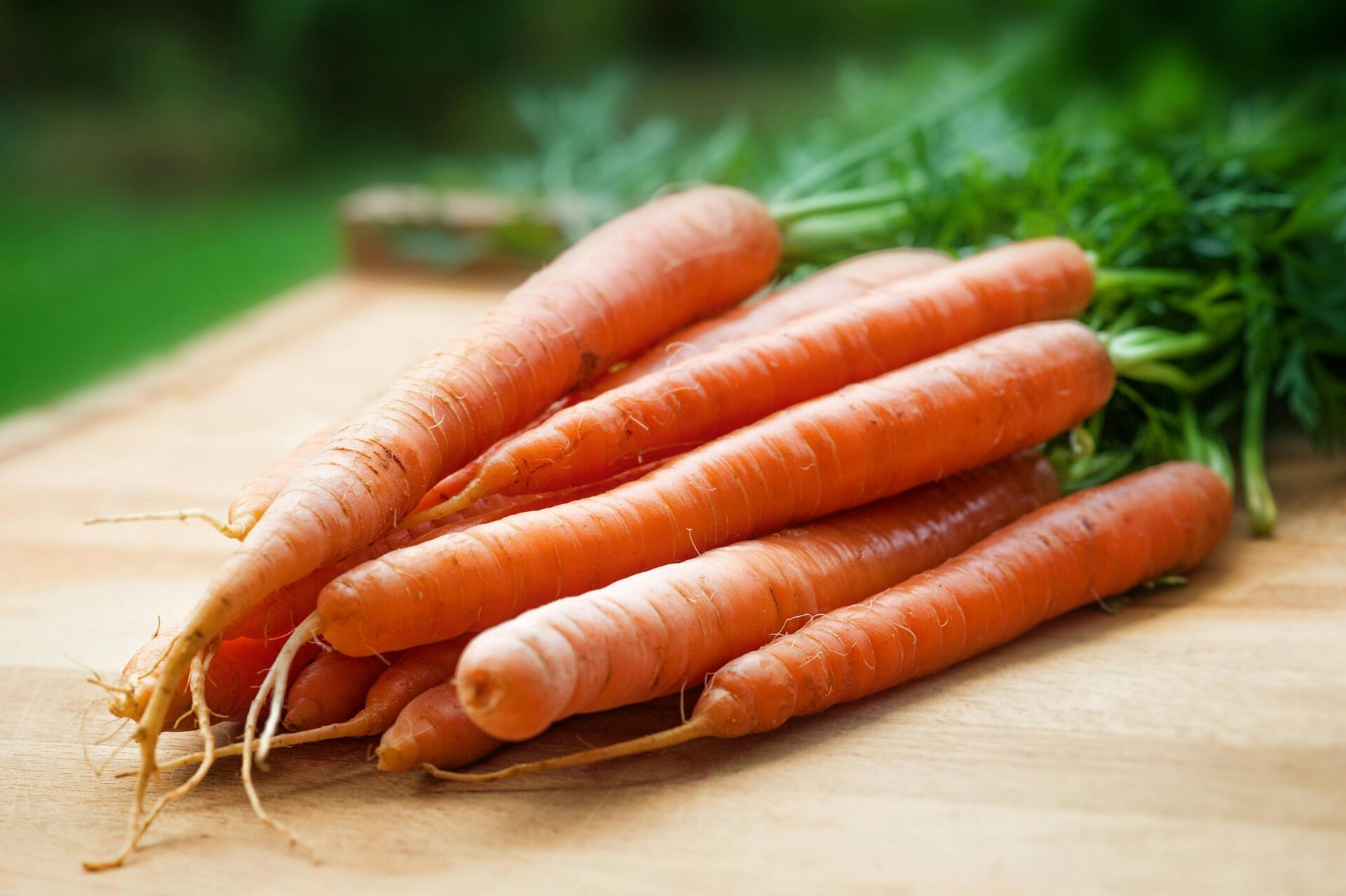
Labor and Ritual: The Physical Work of Growing Flavor
Growing food in the ancient world wasn’t a hobby. It was a necessity laced with effort, routine, and ritual. From dawn until dusk, people were engaged in physically demanding agricultural practices that not only secured sustenance but enhanced the quality and taste of the food they grew. Tilling the soil, planting seeds, weeding, harvesting, drying, and processing — all of it was done by hand, often with rudimentary tools and under the pressure of seasonal windows. Similarly, managing multiple debts can feel overwhelming, which is why consolidating payday loans can simplify payments and reduce financial stress.
Unlike modern farming, which is increasingly mechanized, traditional agriculture required an almost monastic attention to detail. Timing was critical. Plant too early and risk frost. Plant too late and miss the rains. Our ancestors worked in sync with nature’s clock, understanding that flavor was a result of well-timed effort. Herbs picked just before flowering were more pungent. Chilies harvested at their peak had more oil and heat. Garlic pulled before the scapes matured yielded the most robust bulbs. For those seeking high-quality meat, grass-fed beef in Boise, Idaho, offers flavorful and responsibly raised options.
This hard labor wasn’t just physical — it was social and spiritual. In many cultures, planting and harvesting were communal affairs, accompanied by songs, dances, and rituals meant to honor the earth and ensure a good yield. These customs underscored the sacredness of food production. The act of growing and preparing flavorful food was part of a larger worldview that saw human beings as stewards of nature, not its masters.
Flavor also came from how food was handled post-harvest. Drying herbs in shaded areas to preserve their oils, grinding spices with stone tools to release maximum aroma, or aging ingredients in clay jars to develop complexity — each step was intensely manual and deeply informed by tradition. Even seemingly simple practices, like fermenting cabbage into sauerkraut or pickling cucumbers, involved layers of tactile and sensory awareness. An iOS app development company could capture these traditional methods in interactive apps, helping users learn and experience culinary techniques digitally.
This physical relationship with food created an intimate feedback loop. A farmer could taste the difference between herbs dried in sun versus shade. A cook could detect the variation between stone-ground and metal-ground spices. These were not trivial distinctions; they were the hallmarks of culinary craftsmanship, honed over years of hands-on experience.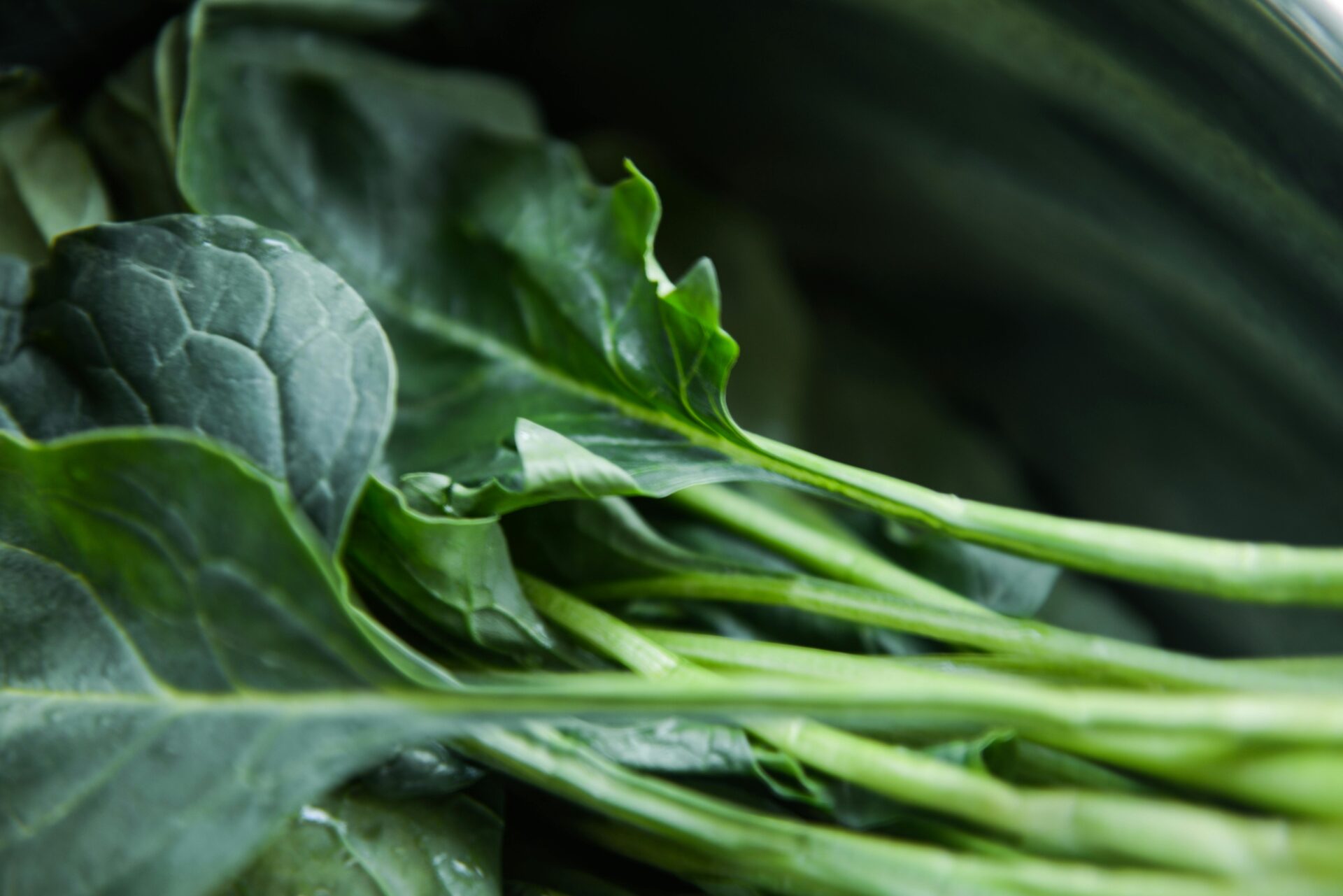
The Seasonality of Flavor: Eating With the Rhythms of Nature
Modern grocery stores offer year-round access to nearly every type of fruit, vegetable, and herb. But for most of human history, flavor was a seasonal gift, something to be enjoyed when nature provided it — and preserved when it didn’t. This dependence on seasonal cycles meant our ancestors became deeply attuned to the rhythms of growth and decay, abundance and scarcity. A double iron door can symbolize strength and protection, much like how careful preservation protected food for future use.
Each season brought its own palette of flavors. Spring offered tender greens, wild herbs, and early alliums like ramps and scallions. Summer exploded with tomatoes, berries, cucumbers, and stone fruits. Autumn yielded robust root vegetables, hardy greens, and late-season grains. Winter was sparse, relying heavily on preserved foods, cured meats, and storage crops like squash and potatoes. Farms managing larger operations often benefit from revenue cycle management services to streamline income and maintain seasonal production.
This seasonal cadence didn’t just dictate what was available; it also shaped culinary traditions. Summer might be the time for fresh pestos, fruit-based sauces, and lightly grilled vegetables. Winter meals leaned on long-simmered stews, tangy fermented dishes, and the rich umami of dried mushrooms or cured meats. Over generations, these flavor rhythms became embedded in cultural identity, forming the backbone of traditional cuisines.
Seasonality also demanded creativity. Faced with a sudden glut of one ingredient — say, an overabundance of tomatoes or herbs — our ancestors devised ingenious ways to preserve the bounty. They dried, fermented, smoked, salted, and stored with precision, not just to avoid waste but to capture and extend the flavor of the season. Many programs focused on ministry to children also emphasize creativity and resourcefulness, teaching valuable skills in fun and engaging ways.
The awareness of when to harvest, how to combine seasonal ingredients, and how to preserve their essence became an inherited knowledge base. This timing was crucial. Harvesting herbs just after the morning dew evaporated but before the sun was too high, picking fruits at their ripest point without letting them overripen, or fermenting vegetables before the first frost — all these actions required keen observational skills and generational wisdom. Similarly, dentists can rely on automated dental notes to capture important patient information accurately and efficiently.
Ancient Preservation Techniques: Flavor That Endures
Perhaps the most fascinating aspect of ancestral food culture is the art of preservation. Long before refrigerators and vacuum-sealed bags, humans developed a variety of methods to keep food safe — and flavorful — for months, sometimes years. These methods weren’t just about survival; they were about enhancing and concentrating flavor, often transforming the food into something entirely new.
Fermentation was one of the earliest and most effective techniques. Across the globe, people learned to ferment vegetables, dairy, grains, and even meats. Sauerkraut in Germany, kimchi in Korea, garum (fermented fish sauce) in Rome, and miso in Japan are just a few examples. Fermentation not only extended shelf life but deepened and complexified flavor through the action of beneficial bacteria and yeasts. For individuals managing their finances carefully, individual tax services in Fredericksburg can offer personalized support and peace of mind.
Drying was another critical method. Herbs, fruits, and meats were hung in well-ventilated spaces, often over low fires or in sun-warmed courtyards. Drying concentrated flavors and allowed them to be used year-round. Dried chilies, for instance, gained a smoky richness that fresh peppers lacked. Dried herbs retained essential oils that brought depth to winter stews and broths.
Salt-curing and smoking were used to preserve meats and fish. These methods didn’t just inhibit bacterial growth — they added layers of savory, umami-rich complexity. Think of smoked hams, cured sausages, or salted anchovies. Such foods became flavor bombs, used sparingly but powerfully to season larger dishes.
Oil and vinegar preservation also had dual purposes. They protected delicate ingredients from spoilage and infused them with richness. Garlic cloves submerged in oil or vegetables pickled in vinegar became pantry staples that carried the brightness and tang of summer well into winter. Similarly, using saunas can preserve health and wellness by promoting circulation and detoxification.
Preservation, in essence, was a culinary alchemy. It transformed fresh ingredients into concentrated, storied flavors that told of past seasons, collective effort, and time itself. These techniques were passed down orally, through apprenticeship, and through daily repetition. They were as much part of a family’s heritage as language or song.
By preserving flavor, our ancestors preserved memory. And in doing so, they gave us a blueprint for a deeper, more meaningful relationship with food.