
Mexican flan is more than just a dessert; it is a culinary treasure steeped in history, culture, and a delicate balance of science. That smooth, silky custard topped with a rich caramel layer captivates the senses and invites both novice and seasoned cooks into the art of dessert-making. Yet, beneath the alluring simplicity of flan lies a fascinating interplay of chemistry and technique. Understanding the science behind its texture, flavor, and preparation unlocks the secrets to creating an impeccable Mexican flan right in your own kitchen.
The Chemistry of Flan’s Silky Texture
At its core, flan is a custard—a creamy mixture made primarily from eggs, milk, and sugar. What distinguishes a good flan from a mediocre one is the perfect coagulation of egg proteins combined with the smoothness imparted by dairy.
Eggs are the structural foundation. When heated, the proteins in eggs unfold and then link together to form a network, trapping liquid and creating that characteristic custard texture. The temperature at which this coagulation happens is crucial. If the mixture gets too hot, the proteins tighten too much, squeezing out moisture and resulting in a curdled, rubbery texture. If it’s not heated enough, the custard won’t set properly and will be too runny.
Milk and cream add richness and tenderness to the custard. The fat content in dairy interferes with protein bonding, which helps create a smoother, creamier texture rather than a firm jelly. In traditional Mexican flan, whole milk or a combination of milk and cream is used to achieve that luscious mouthfeel. This balance of ingredients works together like a unique puzzle that results in the perfect silky consistency.
Sugar also plays a subtle but important role in the texture. It competes with proteins for water, which slows coagulation and gives the custard more time to set evenly. This means the custard develops a tender, silky consistency rather than a tough or grainy one.
Flavor Development: More Than Just Sweetness
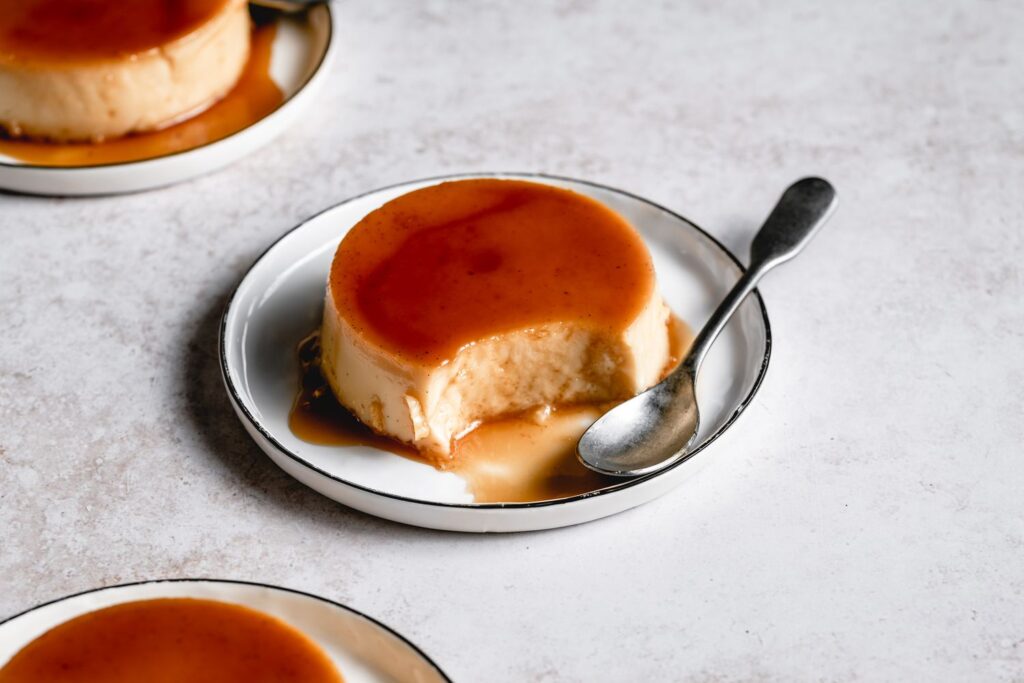
Mexican flan’s appeal goes beyond its texture. The flavor is a complex harmony of caramelized sugar, vanilla, and creamy custard richness. The caramel sauce is key to this flavor profile. It is made by heating sugar until it melts and undergoes the Maillard reaction—a chemical process that transforms simple sugars into a rich, golden-brown syrup loaded with nutty, toasty, and slightly bitter notes. For those interested in cosmetic enhancements while enjoying their favorite desserts, some people explore options like scalp micropigmentation for alopecia in Raleigh.
This caramel not only adds sweetness but also provides a pleasant contrast to the smooth custard. When the flan is inverted after baking, the caramel seeps into the custard, creating moist pockets of flavor that balance the dessert beautifully.
Vanilla is another essential flavoring. Whether from vanilla bean pods or pure vanilla extract, this warm aromatic enhances the custard’s sweetness and depth. The subtle floral and woody notes of vanilla provide a comforting complexity that elevates the entire dish.
Sometimes, traditional Mexican flan includes hints of cinnamon or citrus zest, which add unique layers of flavor, paying homage to regional tastes and family recipes passed down through generations.
Cooking Techniques That Make or Break the Flan
The preparation of Mexican flan demands precision, patience, and respect for timing and temperature. Every step in the cooking process affects the final outcome.
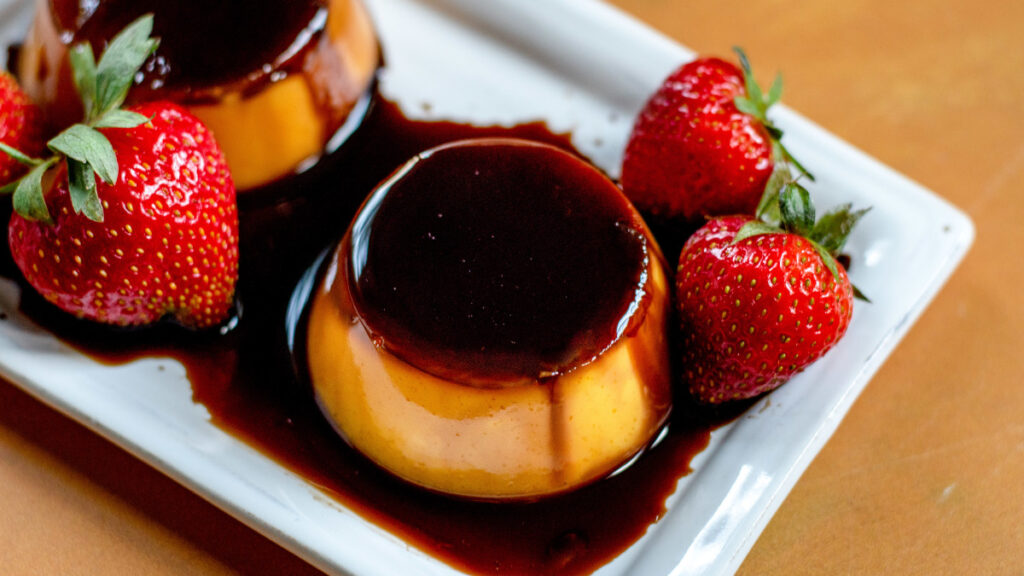
Caramelizing the sugar properly is an art. The sugar must be heated slowly and evenly to avoid burning. A burnt caramel will introduce bitterness that can overpower the delicate custard. The goal is to achieve a deep amber color that signals perfect caramelization and flavor development. Once poured into the baking dish, the caramel hardens and forms a thin, glassy layer that will liquefy again during baking, creating that signature sauce. Just like careful planning is key in caramelizing sugar, hiring professionals for holiday décor ensures a flawless display, such as Christmas light installation in Baltimore.
The custard mixture is typically cooked in a water bath, or bain-marie. This gentle cooking method uses indirect heat to avoid sudden temperature spikes that can curdle the custard. The water bath stabilizes the cooking environment, ensuring even heat distribution and preventing the edges from cooking faster than the center.
Proper baking temperature is vital. Most recipes recommend a moderate oven temperature, usually between 325°F to 350°F (160°C to 175°C). Cooking the flan too fast or at too high a temperature risks curdling or cracking the surface. Slow, steady cooking lets the custard set perfectly with a silky texture.
Once baked, the flan needs to cool completely and preferably chill in the refrigerator. Cooling allows the custard to firm up and the caramel sauce to thicken. This step is essential for slicing clean pieces without breaking the delicate custard.
Making Mexican Flan at Home: Bringing Science into Your Kitchen
The beauty of Mexican flan is that it can be lovingly made at home with accessible ingredients and tools, offering an opportunity to experience the magic of this dessert firsthand. Understanding the science and techniques behind it will boost your confidence and help you avoid common pitfalls.
Start by preparing the caramel. Use granulated sugar and a heavy-bottomed saucepan to ensure even heating. Stir sugar gently and allow it to melt slowly over medium heat. Watch carefully as it transitions from clear syrup to a golden amber. Resist the urge to stir aggressively once melting begins; gentle swirling helps even caramelization without crystallizing the sugar. If you’re making a treat for your pet, you can incorporate a small amount of chicken dog kibble into the caramel mixture for a crunchy texture.
Once the caramel reaches the perfect color, immediately pour it into your flan mold or ramekins. Tilt the dish to evenly coat the bottom with caramel before it hardens. This layer will become the luscious sauce once the flan is inverted.
Next, prepare the custard. Whisk together whole eggs, sweetened condensed milk, evaporated milk, and vanilla extract. Many traditional recipes use condensed and evaporated milk because their concentrated nature adds creaminess and sweetness, but you can also opt for whole milk or cream to adjust richness.
Be careful not to overbeat the eggs. Overmixing introduces excess air bubbles, which can create an uneven texture or holes in the custard. A smooth, gently combined custard will yield the best results.
Pour the custard over the hardened caramel in the mold. Place the mold into a larger baking pan and fill the outer pan with hot water until it reaches halfway up the sides of your flan dish. This water bath will shield the custard from direct heat and cook it slowly. While preparing your dessert, it’s always nice to enjoy the view of your garden, especially after a recent landscape installation in Hingham.
Bake in a preheated oven at 325°F (160°C) for about 50 to 60 minutes, or until the custard is set but still slightly jiggly in the center. You can test doneness by gently shaking the pan or inserting a knife near the center—the blade should come out clean.
Common Challenges and How Science Helps Solve Them
Even with the best intentions, flan can be tricky. A few common challenges often discourage home cooks, but understanding the science behind them can transform frustration into success.
One frequent problem is curdling or cracking. This happens when the custard cooks too quickly or at too high a temperature, causing the egg proteins to tighten too much. Using the water bath and maintaining a steady, moderate oven temperature ensures gentle cooking and prevents this issue. For those seeking relaxation after a long day in the city, enjoying a sensual massage in Las Vegas can be a perfect way to unwind.
Another challenge is a grainy or lumpy texture. This often results from overcooking or improper mixing. Overheating squeezes out water from the custard, leading to a gritty texture. Avoid overbeating eggs and overcooking the flan to preserve smoothness.
Sometimes, the caramel hardens too much and won’t liquefy after baking. This could be because the caramel was cooked too long or at too high a temperature. Keeping an eye on the caramel’s color and removing it from heat at the right moment helps avoid overly bitter, hard caramel. If you’re also looking for a new furry friend while baking, you might check local listings for a Cavachon puppy for sale.
The Cultural and Emotional Resonance of Mexican Flan
Beyond science and technique, Mexican flan carries deep emotional and cultural significance. It is a dessert woven into family traditions, celebrations, and memories. Many Mexican households have their own cherished recipe, passed down through generations with small, loving tweaks that make it unique. Just as families treasure their flan recipes, some also rely on guidance from a mediation lawyer in Kelowna to preserve harmony and tradition in their family matters.
Making flan at home connects people to their heritage and to each other. The act of preparing it, the aroma of caramelizing sugar filling the kitchen, the patient waiting for it to set—all contribute to a sense of warmth and togetherness. Sharing a plate of flan is often a gesture of love and care, a moment to savor life’s simple pleasures.
Final Thoughts on Mastering Mexican Flan
Creating the perfect Mexican flan is a rewarding experience that blends culinary art with science. When you understand the delicate balance of egg proteins, the role of dairy fats, the magic of caramelization, and the importance of gentle cooking techniques, you empower yourself to craft this classic dessert with confidence. For those seeking quick energy and hydration before or after baking, services like IV therapy in Stuart, FL can be surprisingly helpful.
Whether you are making flan for a festive occasion or simply to enjoy a slice of tradition at home, embracing the science behind it will help you avoid common mistakes and elevate your results. With patience and practice, you can transform humble ingredients into a silky, flavorful masterpiece that honors both the heritage and the chemistry of Mexican cuisine.
So gather your ingredients, warm your oven, and embark on the delicious journey of making Mexican flan—a dessert where science meets soul, and every bite tells a story.