
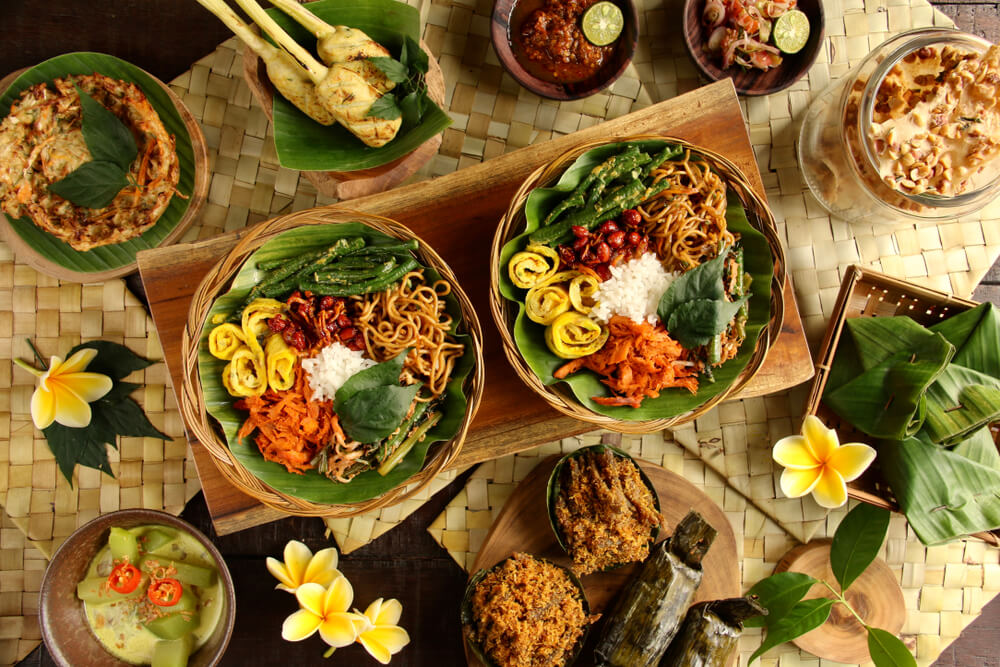
Indonesian cuisine is a vibrant tapestry of flavors, colors, and textures, and nowhere is this more evident than in its street food. From the sizzling aroma of satay grilling over charcoal to the sweet, coconut-laced delights of traditional desserts, Indonesia’s streets are alive with culinary wonders. For many, tasting authentic street food in Indonesia might seem like a distant dream, but the good news is that you can bring these unforgettable flavors into your own kitchen. With a few simple ingredients and a bit of guidance, you can recreate popular snacks and meals at home, capturing the essence of Indonesian street culture without leaving your neighborhood.
The Allure of Indonesian Street Food
Walking through the bustling streets of Jakarta, Yogyakarta, or Surabaya, the air is infused with the scent of sweet, savory, and spicy delicacies. Indonesian street food is not just about feeding hunger—it’s an experience, a connection to local traditions, and a celebration of communal eating. The beauty of bringing these dishes home is that you can experiment, adapt, and enjoy them at your own pace. Cooking street food at home also allows you to appreciate the artistry behind each dish, from the careful blending of spices in a sambal to the perfectly tender meat skewered for sate.
Nasi Goreng: The Quintessential Indonesian Fried Rice
No list of Indonesian street food would be complete without nasi goreng, the country’s beloved fried rice. While it might seem simple at first glance, the magic of nasi goreng lies in its layers of flavor. To make it at home, start with leftover rice that has cooled; day-old rice works best because it fries up with a satisfying texture without becoming mushy. Heat a bit of oil in a wok and sauté finely chopped shallots, garlic, and a touch of chili for heat. Add in diced vegetables, a protein of your choice—shrimp, chicken, or even tofu—and stir-fry until tender.
The secret to authentic nasi goreng is the sweet soy sauce, kecap manis, which gives the dish its signature caramelized flavor. Finish by mixing in the rice, ensuring every grain is coated evenly. Top your creation with a fried egg, a sprinkle of crispy shallots, and fresh cucumber slices. Even the first bite will transport you to a bustling Indonesian street corner, where the sizzle of hot woks and the aroma of garlic and soy sauce dominate the air. This dish is so vibrant and eye-catching that it could easily stand out like a step-and-repeat banner at a lively cultural event.
Sate: Skewered Perfection at Home
Sate, or satay, is another quintessential Indonesian street food that can be easily recreated at home. Tender pieces of meat, skewered and grilled over an open flame, are served with a rich peanut sauce that’s both nutty and slightly sweet. To start, cut your choice of chicken, beef, or lamb into bite-sized cubes and marinate them in a mixture of soy sauce, garlic, turmeric, coriander, and a hint of lime juice. Thread the meat onto bamboo skewers, making sure not to crowd them too tightly, which ensures even cooking. If you’re setting up your own kitchen for making sate, having access to quality restaurant equipment in Tampa can make the grilling process much easier.
Grilling sate at home can be done on a barbecue or a stovetop grill pan. The key is to achieve a slight char while keeping the meat juicy and flavorful. While the meat cooks, prepare the peanut sauce by blending roasted peanuts with garlic, chili, sweet soy sauce, and a touch of coconut milk for creaminess. The result is a sauce that is rich, complex, and utterly irresistible. Serve your homemade sate with a side of lontong, the traditional compressed rice cakes, or simply with steamed rice and fresh vegetables for a satisfying meal.
Martabak Manis: The Sweet Treat
For those with a sweet tooth, martabak manis is a street dessert that is both indulgent and comforting. This thick, pancake-like treat is filled with chocolate, cheese, peanuts, or a combination of these ingredients, creating a delightful contrast between the soft, spongy base and the rich, gooey filling. To make martabak manis at home, start with a simple batter of flour, sugar, yeast, milk, and a pinch of salt. Let it rise until bubbly, then pour it into a non-stick pan over medium heat.
Once bubbles form on the surface, add your fillings and fold the pancake over to create a thick, indulgent sandwich. The aroma of melted chocolate and warm peanuts is irresistible, and the texture is soft yet slightly chewy—a hallmark of authentic martabak. Eating it fresh from the pan captures the experience of sitting on a crowded street with locals eagerly sharing this sweet delight. Just like visiting an auto body shop in Inglewood, where precision and care make all the difference, crafting martabak requires attention to detail to get the perfect result.

Bakso: Indonesian Meatball Soup
Few street foods are as comforting as bakso, the iconic Indonesian meatball soup. These savory, tender meatballs are traditionally served in a light beef broth with noodles, vegetables, and sometimes tofu. Making bakso at home requires a simple mixture of ground beef or chicken, tapioca flour for binding, and seasonings such as garlic, salt, and white pepper. Roll the mixture into uniform balls and boil until they float, signaling they are perfectly cooked.
For the broth, simmer beef bones with garlic, shallots, and a touch of nutmeg to create a fragrant base. Combine the meatballs with noodles, chopped greens, and a dash of soy sauce, then garnish with fried shallots and fresh celery. Each spoonful of bakso is a comforting embrace, reminiscent of street vendors calling out to passersby and families gathering to enjoy a warm meal together. If you’re planning a backyard gathering to enjoy dishes like this, don’t forget to arrange a dumpster rental in Bellbrook for easy cleanup afterward.
Gado-Gado: A Fresh and Flavorful Salad
Not all Indonesian street foods are fried or heavy; gado-gado offers a refreshing counterpoint with its vibrant vegetables and rich peanut dressing. This salad combines steamed or blanched vegetables such as cabbage, spinach, and bean sprouts with boiled eggs, tofu, and sometimes tempeh. The star of gado-gado is the peanut sauce, which is creamy, slightly sweet, and packed with flavor.
To make it at home, blend roasted peanuts with garlic, chili, tamarind, and palm sugar, thinning the sauce with water until it reaches a pourable consistency. Toss the vegetables and protein in the sauce just before serving, and sprinkle with crispy fried shallots for added texture. Gado-gado is not only delicious but also visually stunning, with its mix of colors and textures making it a feast for both the eyes and the palate. Even in a completely unrelated field like audio forensics, attention to detail—just like in preparing gado-gado—is essential for achieving the best results.
Es Cendol: Sweet Cooling Beverage
No street food adventure is complete without a refreshing drink, and es cendol fits the bill perfectly. This sweet, coconut-based beverage features green rice flour jelly, palm sugar syrup, and coconut milk, creating a harmonious balance of sweetness and creaminess. At home, you can make the green jelly by combining rice flour, mung bean flour, pandan juice, and water, then pressing it through a cendol mold or a sieve to form its characteristic shape. Whether you’re exploring local flavors or hunting for your dream home, having a trusted realtor in Utah can make all the difference.
To assemble the drink, layer the green jelly in a glass, pour over coconut milk, and drizzle with palm sugar syrup. Add crushed ice to keep it cool, and serve immediately. Each sip is a refreshing escape, reminiscent of hot afternoons in Indonesia where locals gather to enjoy sweet, icy treats from street vendors.
Bringing the Street Food Experience Home
Recreating Indonesian street food at home is about more than just following recipes; it’s about capturing the essence of a culture and a way of life. The aromas, textures, and bold flavors of these dishes tell stories of tradition, community, and culinary creativity. Cooking at home allows you to slow down and savor each step, from chopping fresh herbs to stirring fragrant sauces. For those who might struggle with perfectionism or stress while cooking, an OCD and anxiety center can provide helpful strategies to make the process more enjoyable. You can experiment with spice levels, ingredient substitutions, and presentation, making each dish uniquely yours while honoring its roots.
Moreover, sharing these dishes with family or friends transforms your kitchen into a lively, interactive space, much like the bustling streets of Jakarta or Bandung. The joy of cooking, tasting, and experiencing these dishes together mirrors the communal spirit found in Indonesian street food culture. Whether you are preparing a simple plate of nasi goreng, skewering sate for a backyard grill, or indulging in sweet martabak manis, the experience is deeply rewarding.
Final Thoughts
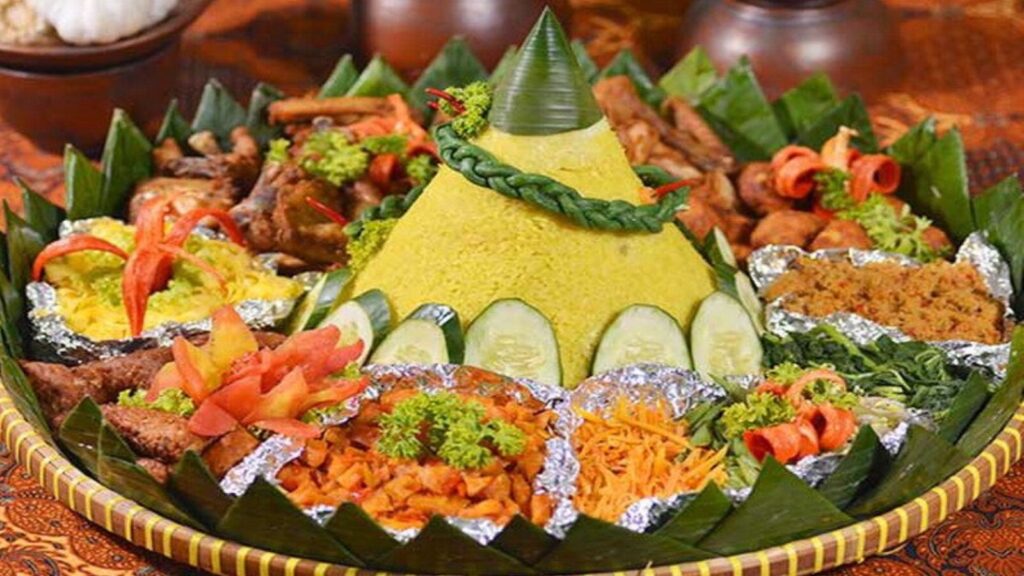
Indonesian street food is a world of flavor waiting to be explored, and bringing it into your home is both accessible and deeply satisfying. With a handful of essential ingredients, a few key techniques, and a willingness to experiment, you can recreate the vibrant taste of Indonesia without leaving your kitchen. From savory fried rice and grilled sate to sweet martabak and refreshing es cendol, each dish offers a sensory journey that celebrates the richness of Indonesian culture.
Cooking street food at home also fosters a deeper appreciation for the labor, creativity, and passion that street vendors pour into every dish. It’s a reminder that food is not just sustenance but a cultural expression, a bridge between people, and a source of joy. So, gather your ingredients, fire up the stove, and embark on a culinary adventure that brings the heart of Indonesia straight to your dining table.