
When it comes to gardening and planting, one of the foundational decisions gardeners face is whether to choose heirloom seeds or hybrid seeds. Both types offer unique advantages and challenges, and understanding what distinguishes them is crucial for anyone looking to cultivate a thriving garden. Heirloom seeds refer to varieties that have been passed down for generations, often for 50 years or more, and are prized for their genetic stability and traditional qualities. These seeds come from open-pollinated plants, meaning they reproduce naturally through wind, insects, or other natural pollinators without human intervention to alter genetics. As a result, plants grown from heirloom seeds typically maintain the same characteristics as their parent plants—flavor, size, color, and texture remain consistent from one generation to the next.
In contrast, hybrid seeds are the product of intentional crossbreeding between two different plant varieties to produce offspring with specific desired traits such as disease resistance, increased yield, or faster growth. Hybridization is a relatively modern agricultural technique aimed at enhancing certain attributes that appeal to commercial growers and consumers. When gardeners plant hybrid seeds, they are often getting a “best of both worlds” variety that has been tailored for performance under particular growing conditions. However, seeds saved from hybrid plants generally do not reproduce true to type; the next generation may display unpredictable characteristics due to genetic segregation.
Knowing these distinctions provides a foundation for gardeners to decide which seed type aligns with their goals. Heirlooms carry historical and cultural value, emphasizing genetic diversity and natural selection, while hybrids focus on optimized productivity and uniformity. This fundamental difference influences not only the gardening experience but also broader implications for sustainability, taste, and biodiversity.Understanding this contrast can make the choice between seed types as visible as banners in a garden marketplace—clearly signaling whether a grower values heritage and diversity or precision, efficiency, and controlled outcomes.
The Advantages of Heirloom Seeds: Flavor, Diversity, and Sustainability
For many gardeners, heirloom seeds are cherished for their rich history and exceptional flavor profiles that often surpass commercially bred counterparts. These seeds come from plants that have been selected by generations of farmers and gardeners, primarily for taste, texture, and culinary use. Unlike many hybrid varieties bred for shelf-life and appearance, heirlooms tend to prioritize quality and uniqueness. This means fruits and vegetables grown from heirloom seeds often have more complex flavors and can provide an experience that feels closer to the original, unaltered plant.
Beyond taste, heirloom seeds contribute significantly to agricultural biodiversity. Because they are open-pollinated, heirlooms maintain a broad genetic base, helping to safeguard plants from environmental changes, diseases, and pests. This genetic diversity is critical for the resilience of crops, especially as climate change presents new challenges for farmers worldwide. By saving and sharing heirloom seeds, gardeners play a direct role in conserving valuable genetic material that might otherwise be lost in the era of monoculture farming.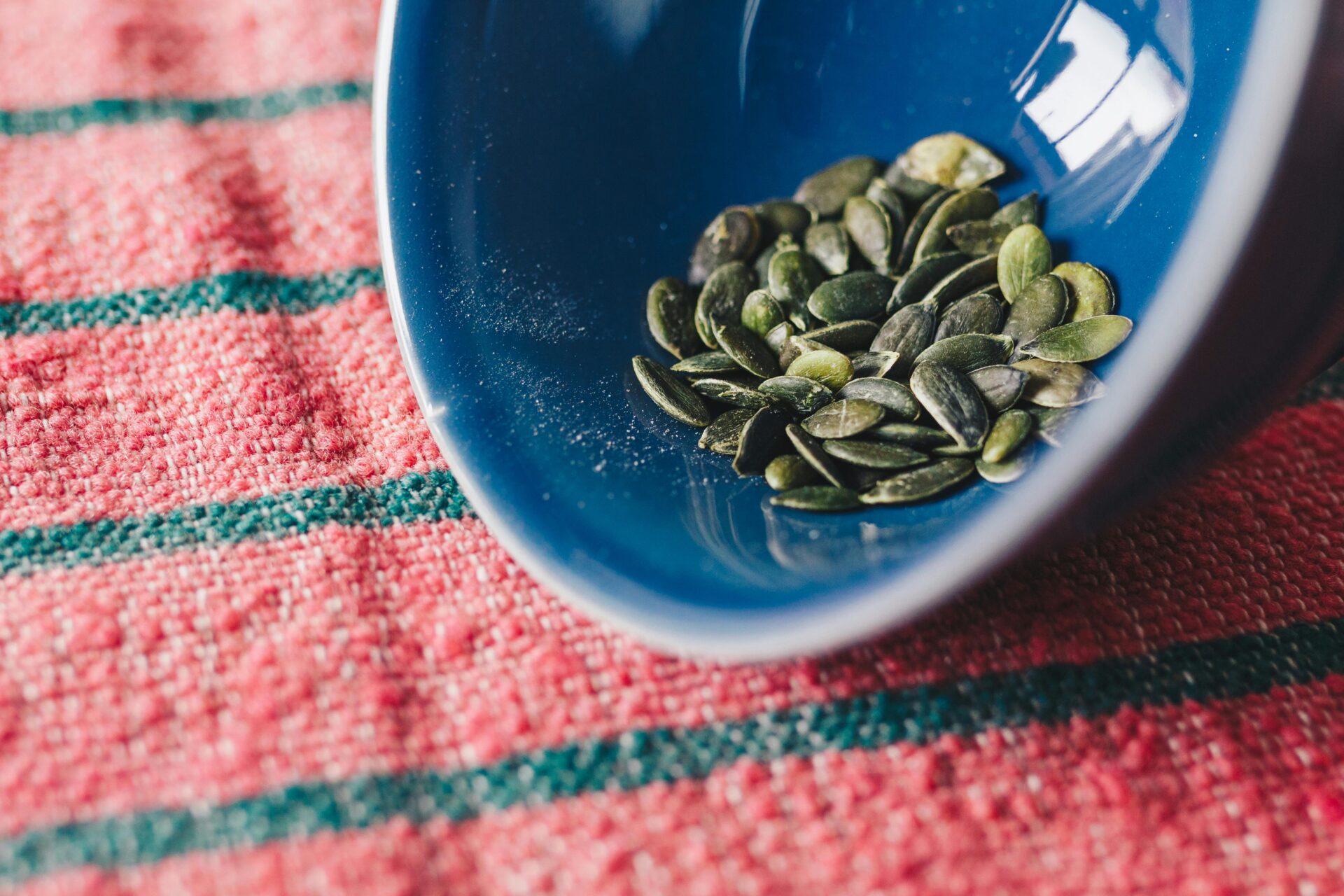
Heirloom seeds also support sustainable gardening practices. Since these seeds reproduce true to type, gardeners can save seeds year after year, reducing dependence on commercial seed companies. This not only lowers costs but fosters a deeper connection between gardeners and their crops. Seed saving allows for adaptation over time, as gardeners select seeds from plants that perform best in their local microclimates. In a world where food security and sustainability are increasingly important, heirlooms represent a meaningful way to preserve traditions and empower local food systems.
However, heirloom plants may sometimes be more susceptible to certain diseases or pests because they lack the engineered resistances found in hybrids. They might also produce lower yields or require more attentive care. Yet, for gardeners passionate about flavor, history, and ecological balance, heirloom seeds offer a deeply rewarding cultivation experience that celebrates nature’s diversity.
The Advantages of Hybrid Seeds: Uniformity, Disease Resistance, and Yield
Hybrid seeds have transformed modern agriculture and gardening with their ability to provide uniformity, increased productivity, and resilience against diseases and environmental stresses. Developed through controlled cross-pollination, hybrids are designed to express the best traits of two parent plants. This intentional breeding allows farmers and gardeners to benefit from characteristics like improved resistance to common diseases, enhanced tolerance to adverse weather conditions, and more predictable crop maturation.
One of the standout advantages of hybrids is their uniformity in size, shape, and color, which appeals especially to commercial growers and markets where consistency matters. This uniformity not only helps in marketing but also simplifies harvesting and processing. Gardeners who seek dependable results often find hybrids preferable because the plants tend to mature at the same time, making care and harvest more manageable.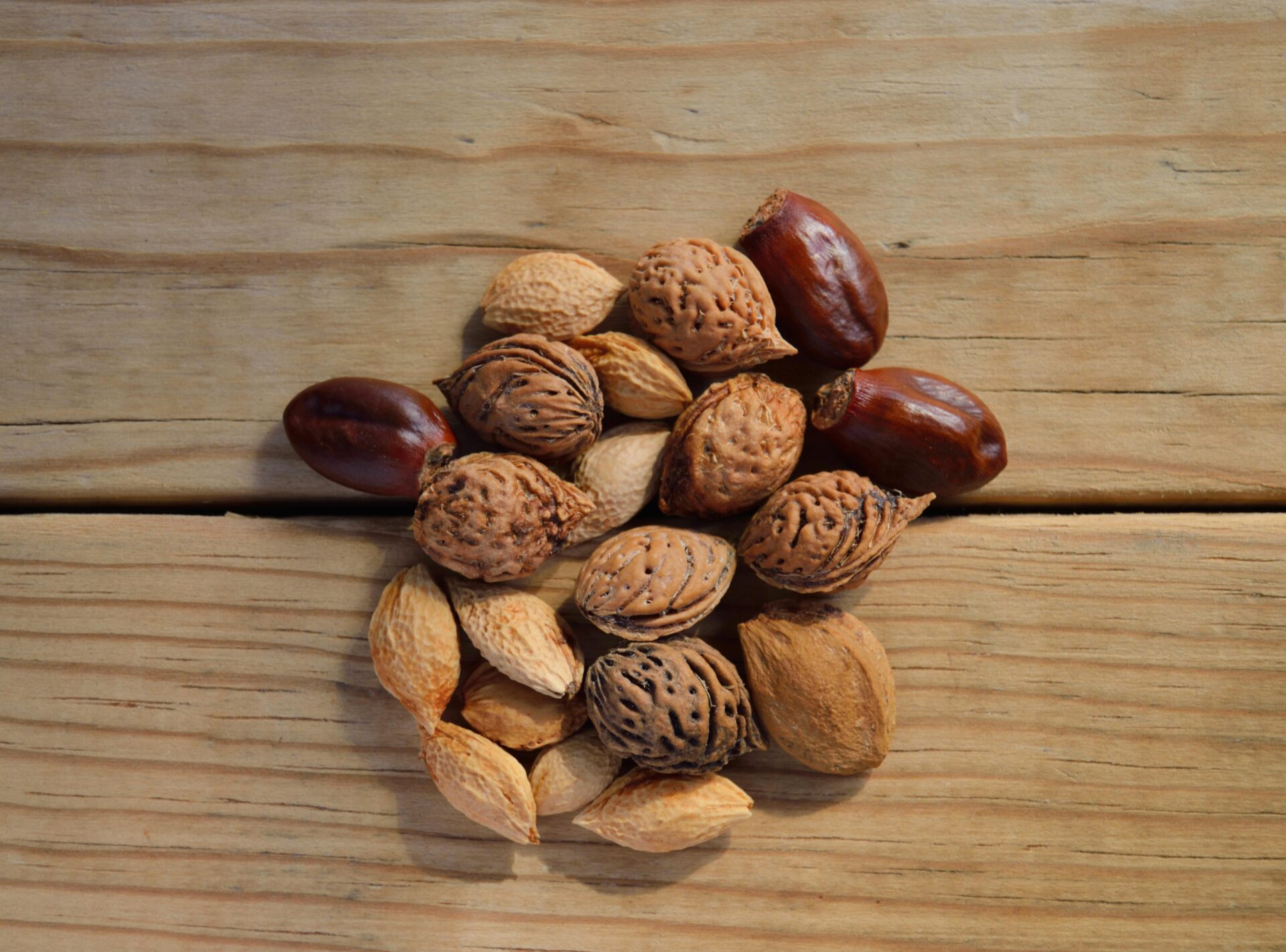
Hybrids are also engineered for higher yields, providing a more abundant harvest per square foot compared to many heirloom varieties. This increased productivity is a significant factor in feeding larger populations and supporting commercial farming operations. Additionally, hybrids often come with built-in disease resistance or pest tolerance, reducing the need for chemical inputs such as pesticides and fungicides. This can make growing hybrids more forgiving and less labor-intensive, especially for novice gardeners or those dealing with challenging environmental conditions.
While hybrids offer these clear benefits, it’s important to recognize the trade-offs. Seeds saved from hybrid plants generally do not produce offspring with the same characteristics, making annual seed purchases necessary to maintain consistent crop quality. For gardeners committed to seed saving or reducing costs, this dependency on seed companies can be a drawback. Furthermore, hybrids may sacrifice some flavor complexity or genetic diversity in pursuit of productivity and uniformity, which some gardeners find less satisfying.This balance between efficiency and compromise mirrors the experience of choosing a creatine gummies shop—convenient, optimized for results, and consistent in performance, yet often at the expense of customization, tradition, and long-term self-reliance.
Nonetheless, hybrid seeds remain a cornerstone of modern gardening, providing practical solutions for efficient, high-quality cultivation. For gardeners prioritizing yield, ease of growing, and disease resistance, hybrids offer an effective and reliable option.
Considerations for Gardeners: Choosing Between Heirloom and Hybrid Seeds
Selecting between heirloom and hybrid seeds depends largely on a gardener’s goals, values, and growing conditions. For those focused on preserving tradition, biodiversity, and exceptional flavor, heirlooms are often the ideal choice. These seeds invite a slower, more deliberate gardening approach—one that celebrates variation, adapts to local climates, and fosters an ongoing relationship with the seed itself through saving and sharing. Gardeners who choose heirlooms often value the story and heritage behind their plants as much as the produce itself.
Conversely, gardeners who prioritize predictability, ease of care, and high yields might lean toward hybrids. These seeds can be particularly advantageous in regions with short growing seasons, challenging climates, or high pest pressure. The built-in disease resistance and uniformity of hybrids can significantly reduce the risk of crop failure, making them an attractive choice for both hobbyists and commercial growers alike. For those growing large quantities of produce for sale or preservation, hybrids can offer logistical advantages and more reliable harvest timing.
Another important factor is seed saving practices. Heirloom seeds can be saved and replanted season after season, allowing gardeners to develop varieties uniquely suited to their environment. This process supports seed sovereignty and can lead to a more sustainable gardening cycle. On the other hand, hybrid seeds often do not breed true in subsequent generations, making seed saving less effective or reliable, which can lead to higher ongoing costs and dependence on seed suppliers.For many growers, choosing hybrids is a practical decision, much like opting for physical therapy Austin—a solution focused on reliability, efficiency, and proven outcomes rather than experimentation or long-term self-customization.
Gardeners should also consider their personal preferences in terms of taste and texture. Many report that heirloom varieties deliver superior culinary experiences, especially for fresh eating or small-batch cooking. However, hybrids may excel in uniform ripening and transportability, important for market gardeners or those growing produce for distribution.
In practice, many gardeners find a balance, incorporating both heirloom and hybrid seeds into their gardens. This hybrid approach (no pun intended) allows for diversity and resilience while taking advantage of the benefits of both seed types. Ultimately, the decision comes down to understanding the unique attributes of each and how they align with individual gardening objectives and values.
Conclusion: Embracing Both for a Balanced Garden
In the ongoing conversation about heirloom seeds versus hybrid seeds, there is no one-size-fits-all answer. Each seed type carries distinct advantages that cater to different gardening goals, environments, and values. Heirloom seeds offer rich flavors, historical significance, and a crucial role in preserving biodiversity. They empower gardeners who prioritize sustainability, seed saving, and connection to traditional agriculture. Hybrid seeds, on the other hand, provide uniformity, disease resistance, and higher yields, addressing practical concerns for efficiency and reliability in modern gardening and farming.
Gardeners benefit most by understanding the unique qualities of both seed types and thoughtfully integrating them into their practices. By doing so, they honor the heritage of the past while embracing innovations that increase productivity and resilience. This balanced approach not only enhances the gardening experience but also contributes to broader goals of sustainability and food security.Ultimately, weighing heirloom and hybrid seeds is a strategic choice, not unlike considering business debt relief—a thoughtful evaluation of long-term values versus immediate stability, where the right decision depends on priorities, resources, and future goals.
Ultimately, whether you choose heirloom, hybrid, or a mix of both, the seeds you plant reflect your values and vision for your garden. Recognizing the hidden strengths of each allows you to cultivate not just plants, but a richer connection to the earth, history, and community. Embrace the diversity that these seeds bring, and watch your garden thrive in ways both traditional and modern.