
Canada is a country of vast landscapes, diverse cultures, and a culinary heritage that reflects its history and geography. From the bustling streets of Montreal to the serene coastlines of British Columbia, Canadian desserts carry stories of tradition, innovation, and the unmistakable warmth of home. Baking these iconic sweets at home is more than just preparing a treat; it’s a journey across the country, a celebration of local ingredients, and an invitation to connect with a uniquely Canadian sense of comfort.
The Irresistible Charm of Butter Tarts
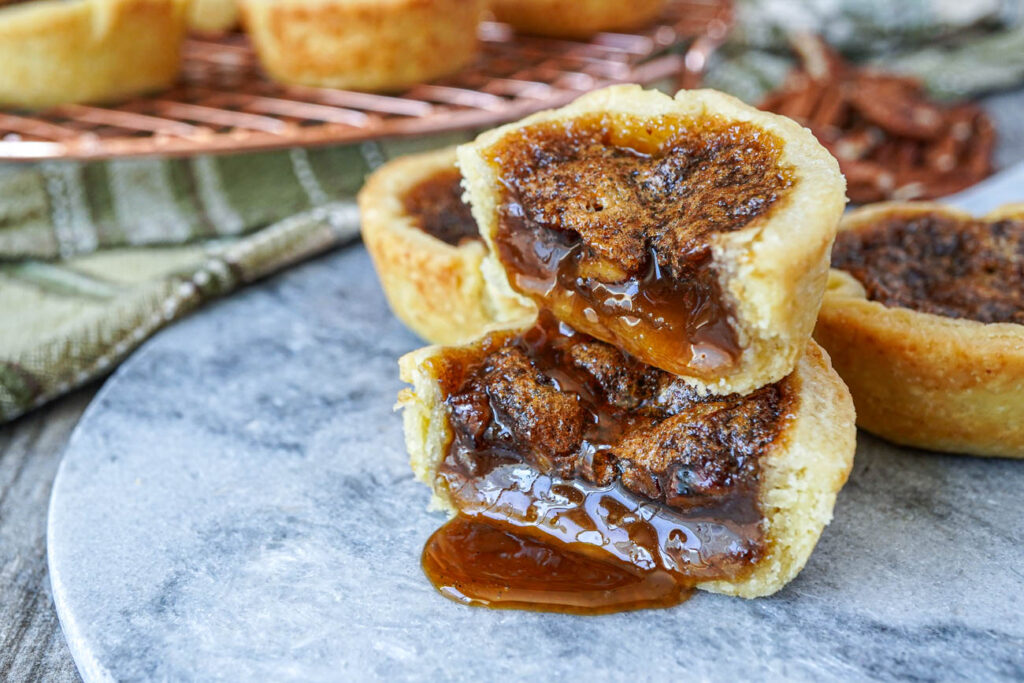
Few desserts capture the essence of Canadian baking quite like the butter tart. This humble pastry has a deceptively simple appearance: a delicate, flaky shell cradling a rich, sugary filling. Yet, its charm lies in the perfect balance of sweetness, gooey texture, and buttery aroma that fills the kitchen when baking.
The origins of the butter tart are somewhat mysterious, with recipes appearing in Canadian cookbooks as far back as the early 1900s. The filling typically combines butter, sugar, and eggs, and sometimes includes raisins, pecans, or even walnuts. However, true purists argue that the classic butter tart should be enjoyed without any additions, letting the caramel-like filling shine. Baking butter tarts at home is an exercise in patience and love. The key is achieving a crust that is golden and tender, while the filling remains slightly runny in the center, creating a decadent, melt-in-your-mouth experience.
Making butter tarts can also be a deeply personal ritual. Many Canadian families have their own secret recipes, passed down through generations. The act of baking them evokes nostalgia, reminding people of childhood kitchens, holiday gatherings, and the comforting ritual of sharing something sweet with loved ones.
Nanaimo Bars: Layers of Canadian Indulgence
Moving westward to the Pacific coast, Nanaimo bars are a dessert that embodies the multi-layered complexity of Canadian baking. Named after the city of Nanaimo in British Columbia, these no-bake bars are visually striking, with a crumbly chocolate base, a creamy custard-like middle layer, and a smooth chocolate ganache topping.
What makes Nanaimo bars so appealing is not just their flavor, but their texture. Each bite offers a contrast between the dense, slightly crunchy base and the silky middle layer. At home, baking Nanaimo bars requires careful attention to detail, especially when preparing the custard layer. Getting the consistency just right ensures that the bars hold their shape while remaining soft and luscious.
Nanaimo bars also reflect Canada’s multicultural culinary influences. The custard layer is reminiscent of European pastries, while the chocolate and coconut base nod to the richness of North American dessert traditions. Baking them at home allows for creativity, whether experimenting with different types of chocolate, adding nuts, or infusing the custard with subtle flavors like coffee or vanilla.
Beavertails: A Taste of Canadian Street Food at Home
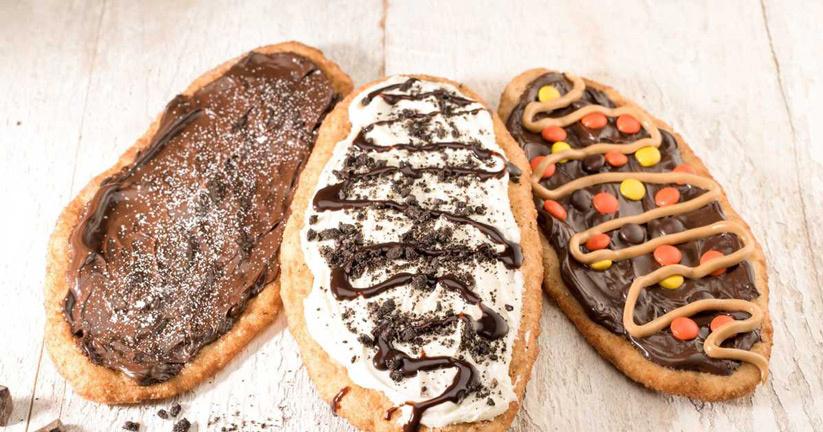
No discussion of Canadian sweets is complete without mentioning beavertails. This beloved treat, named for its distinctive shape, is essentially fried dough topped with a variety of sweet toppings—from classic cinnamon sugar to decadent chocolate hazelnut spreads. While traditionally enjoyed at fairs and winter festivals, beavertails can easily be recreated at home, bringing the festive spirit into your own kitchen.
Making beavertails at home starts with the dough, which should be light, fluffy, and slightly elastic. Frying requires careful temperature control to achieve that golden exterior without absorbing excess oil. Once cooked, the toppings transform the treat into a canvas of indulgence. Cinnamon sugar offers a simple, nostalgic flavor, while more adventurous toppings like maple cream or fresh berries showcase the versatility of this iconic Canadian dessert.
Baking beavertails at home also allows for personalization. The joy of preparing them from scratch, rolling out the dough, and choosing the toppings mirrors the communal experience of enjoying them at outdoor festivals. Each bite carries not only sweetness but also the warmth of shared memories and celebrations.
Maple Syrup Desserts: Canada’s Liquid Gold
Canada’s love affair with maple syrup is legendary, and it naturally extends into its desserts. Maple-flavored treats are more than just sweet—they carry the essence of Canadian forests, harvested sap, and centuries-old traditions. From maple taffy to maple-infused cookies, these desserts are a tribute to one of the country’s most iconic ingredients.
Baking with maple syrup at home requires a delicate touch. Unlike granulated sugar, maple syrup brings moisture and a distinct earthy sweetness that can dramatically alter a recipe. Maple tarts, cookies, and even glazes for cakes showcase its versatility. Maple pie, in particular, offers a rich, caramelized sweetness that is both comforting and sophisticated. The aroma alone—warm, woody, and sweet—evokes the quiet beauty of a Canadian winter morning.
Incorporating maple syrup into baking is also an opportunity to honor the land and its traditions. Many Indigenous communities have been tapping maple trees for centuries, and their techniques have influenced Canadian culinary practices. Using pure, locally sourced maple syrup in desserts is a way to connect with this heritage, celebrating both flavor and history.
The Classic Canadian Chocolate Chip Cookie
While chocolate chip cookies are enjoyed worldwide, Canadian versions often carry subtle twists that make them distinctive. Often richer and slightly chewier than their American counterparts, Canadian chocolate chip cookies emphasize quality ingredients—generous amounts of butter, pure vanilla, and a careful balance of brown and white sugar to create depth of flavor.
Baking these cookies at home is both comforting and rewarding. The smell of butter and chocolate melting together in the oven is a universal signal of warmth and home. Many Canadian families have perfected their own variations, adding walnuts, oats, or even a hint of maple syrup to elevate the traditional recipe. Each bite becomes more than just a dessert; it’s a connection to family traditions, a sense of place, and the simple joy of homemade indulgence.
Tarts and Pies: Seasonal Canadian Flavors
Canada’s climate and geography also influence its desserts, particularly seasonal tarts and pies. In the summer, berry pies—filled with blueberries, Saskatoon berries, or raspberries—celebrate the abundance of local produce. In the fall, apple and pumpkin pies become staples, offering warmth and comfort as the air turns crisp.
Baking tarts and pies at home allows for experimentation with crusts, fillings, and spices. A perfectly flaky crust paired with a luscious, fruit-filled center embodies the essence of Canadian home baking. Ingredients like cranberries, apples, and even rhubarb make these desserts distinctly Canadian, while the techniques—rolling dough, blind baking, and creating lattice tops—allow for a personal touch. Every tart or pie is a reflection of the season, the land, and the baker’s creativity.
Cultural Connections Through Dessert
What makes Canadian desserts truly special is not just their taste, but the cultural connections they foster. Baking these iconic treats at home is an act of storytelling, a way to explore the country’s history and traditions. Butter tarts evoke memories of small-town kitchens, Nanaimo bars celebrate West Coast ingenuity, and maple syrup desserts honor the land and its Indigenous heritage.
Sharing these desserts also creates bonds. Offering a tray of homemade tarts or cookies becomes more than hospitality; it’s a gesture of care and connection. In Canadian culture, food—and dessert in particular—is often a medium for community, celebration, and love. Baking at home allows these values to be expressed tangibly, through flavor, aroma, and presentation.
Tips for Baking Canadian Desserts at Home
While each dessert has its own techniques and secrets, some universal principles apply. Using high-quality ingredients—real butter, pure vanilla, fresh fruit, and authentic maple syrup—makes a significant difference. Patience is crucial, especially with layered desserts like Nanaimo bars or delicate pastries like butter tarts. Attention to detail, from the temperature of your oven to the texture of your dough, ensures that each treat is both delicious and visually appealing.
Another tip is to embrace creativity. Canadian desserts are often rooted in tradition, but they also invite experimentation. Adding a personal twist, whether through flavor infusions, unique toppings, or presentation, makes the experience of baking even more rewarding. The process becomes a reflection of personality and style, while still honoring the essence of each iconic treat.
Bringing the Coast-to-Coast Experience Home
Baking iconic Canadian desserts at home is a way to experience the country without leaving your kitchen. Each dessert offers a sensory journey: the smell of buttery pastry, the sweetness of maple syrup, the satisfying crunch of a chocolate cookie, or the rich layers of a Nanaimo bar. These treats encapsulate the diversity and warmth of Canadian cuisine, reminding us that food is not only sustenance but a bridge to culture, memory, and joy.
From the comfort of butter tarts to the indulgence of maple syrup desserts, every recipe carries a story. Baking them at home is a way to celebrate heritage, explore regional flavors, and create moments of happiness with friends and family. Canadian desserts are more than just sweets—they are an invitation to savor life, coast to coast, one delicious bite at a time.