
If you have ever eaten a dish that tasted deeply satisfying without being able to pinpoint why, there is a strong chance that subtle spices were doing most of the work. Not all spices announce themselves loudly. Some do not burn the tongue, perfume the air, or dominate the palate. Instead, they operate quietly, enhancing sweetness, rounding bitterness, amplifying savoriness, or making flavors feel more complete. These spices are often invisible to conscious taste, yet their absence would be immediately felt.
This quiet transformation is one of the most fascinating aspects of cooking. While bold spices like chili, clove, or star anise demand attention, others function almost like structural supports in a building. You do not notice them when they are present, but everything collapses without them. The power of these spices lies not in being tasted directly, but in how they manipulate perception, aroma, and balance.
Understanding why some spices transform dishes without being noticed requires looking at how human senses work, how spices interact chemically with food, and how culinary traditions learned to use them over centuries. These spices are not minor players; they are often the difference between food that tastes flat and food that feels alive.In many ways, these background spices function like winter apparel in a cold climate—essential for comfort and balance, even when their presence isn’t consciously noticed, yet immediately missed when absent.
The Science of Flavor Perception and Subtle Spice Influence
Flavor is not just taste. It is a complex combination of aroma, texture, temperature, memory, and expectation. When people say they “taste” something, they are usually responding to signals from the nose as much as the tongue. This is where many unnoticed spices do their work. Subtle spices often act on aroma rather than direct taste, influencing how the brain interprets what is happening in the mouth.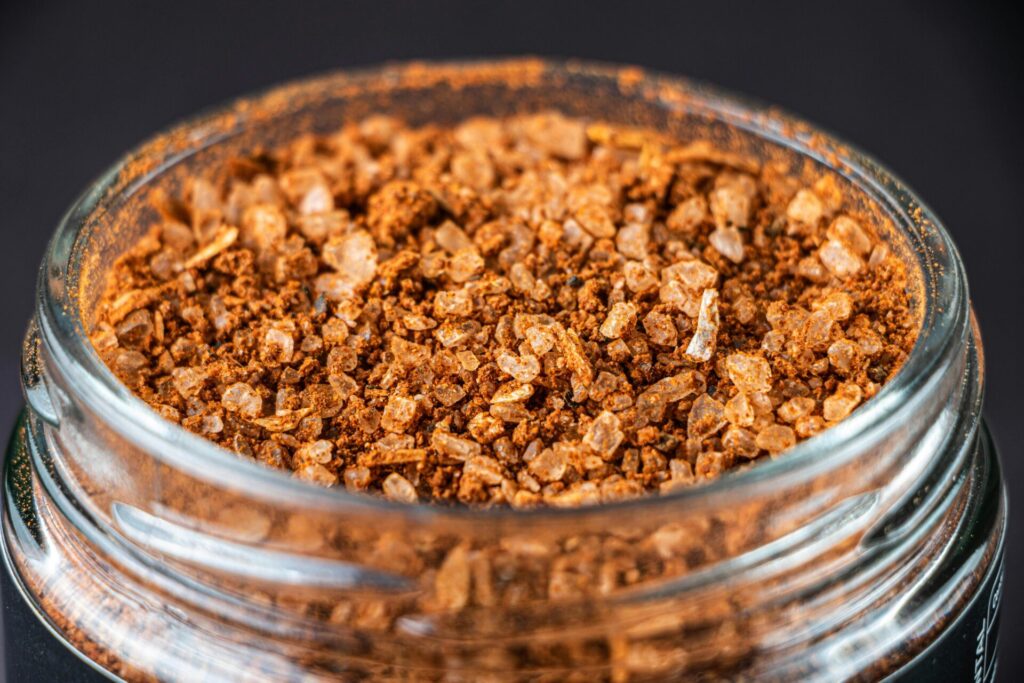
Spices like bay leaf, white pepper, coriander seed, and nutmeg contain aromatic compounds that are released slowly and gently. These compounds may never register as a distinct flavor, but they modify the overall sensory experience. For example, bay leaf does not taste particularly pleasant on its own, yet it adds depth and warmth to soups and stews. Without it, the dish may taste thinner or oddly unfinished.
Another reason these spices go unnoticed is threshold perception. Every flavor compound has a level below which the brain does not identify it as a separate taste. Many traditional recipes are calibrated to stay just under that threshold. The spice is present enough to influence perception but not enough to announce itself. This is why doubling a subtle spice can suddenly make a dish taste strange or medicinal.
Spices also interact with other ingredients in ways that mask their individuality. Fat, for instance, absorbs and softens sharp aromatic compounds. Long cooking times further mellow spices, breaking them down and dispersing their influence throughout the dish. In a slow-cooked sauce, a pinch of mace or allspice may disappear entirely as a recognizable flavor, yet it changes how sweet, savory, or rich the final dish feels.
The brain plays a role as well. Humans are better at detecting contrast than harmony. Loud flavors stand out, while balanced ones blend in. Subtle spices aim for harmony, shaping the flavor landscape rather than occupying center stage. When everything feels cohesive, the brain does not single out individual contributors, even though they are essential to the whole.
Culinary Balance and the Role of Background Spices
One of the main reasons some spices transform dishes quietly is that they are used to correct imbalance rather than add excitement. Many spices function as background elements, adjusting flavor in the same way salt or acid does, but with more nuance. These spices are less about taste and more about structure.
Cumin, for example, is often thought of as a bold spice, but in small amounts it behaves very differently. Used subtly, it deepens savory flavors and adds warmth without screaming “cumin.” Cinnamon, when used sparingly in savory dishes, enhances meatiness and sweetness rather than making food taste like dessert. Black pepper, when freshly ground and used lightly, can brighten a dish without making it spicy.
Culinary traditions around the world have developed sophisticated ways of layering spices so that no single one dominates. In many cuisines, the goal is not to showcase individual spices but to create a unified flavor profile. The most important spices in these systems are often the least noticeable. They fill gaps, soften edges, and connect disparate ingredients into a single experience.
These background spices often work by influencing how long flavors linger. Some extend the finish of a dish, making it feel more satisfying. Others shorten harsh notes, preventing bitterness or sharpness from overstaying its welcome. This temporal aspect of flavor is rarely discussed, yet it is crucial. A dish that tastes good at first bite but leaves an unpleasant aftertaste feels incomplete, and subtle spices are often responsible for preventing that.
Cooks learn to use these spices intuitively. A soup tastes flat, so they add a pinch of something they cannot quite explain. The result is not a new flavor, but a better one. This is why experienced cooks sometimes struggle to explain what they added; the spice did its job precisely because it did not draw attention to itself.
Cultural Traditions and the Invisible Hand of Spice
Many of the most transformative yet unnoticed spices gained their roles through centuries of trial, error, and cultural memory. In traditional cuisines, spices were rarely used randomly. Each one had a purpose shaped by climate, available ingredients, and communal taste preferences. Over time, these purposes became invisible because they were normalized.
In European cooking, spices like nutmeg, mace, and white pepper were historically used to enrich dairy-heavy dishes. Their role was not to dominate, but to prevent richness from becoming cloying. Today, these spices are often included in classic recipes almost automatically, even if modern cooks cannot articulate why. The dish simply does not taste right without them.
In South and Southeast Asian cuisines, spices such as fenugreek, asafoetida, and coriander seed are frequently used in tiny quantities. Asafoetida, for instance, smells overpowering when raw but becomes deeply savory when cooked. In the finished dish, it is rarely identifiable, yet its absence is obvious. These spices function as flavor bridges, connecting vegetables, legumes, and fats into a cohesive whole.
Middle Eastern and North African cuisines rely heavily on spice blends where individual components disappear into the mix. Spices like cardamom or cloves may be present in amounts so small that they never register individually. Instead, they contribute to an overall sense of warmth and complexity. This blending is intentional. The goal is not to taste the spice, but to feel the dish.
Cultural familiarity also plays a role in why these spices go unnoticed. When people grow up eating certain flavor profiles, they stop perceiving them as special. What feels invisible to one culture may feel striking to another. This is why subtle spices are often underestimated; their power is hidden by familiarity rather than weakness.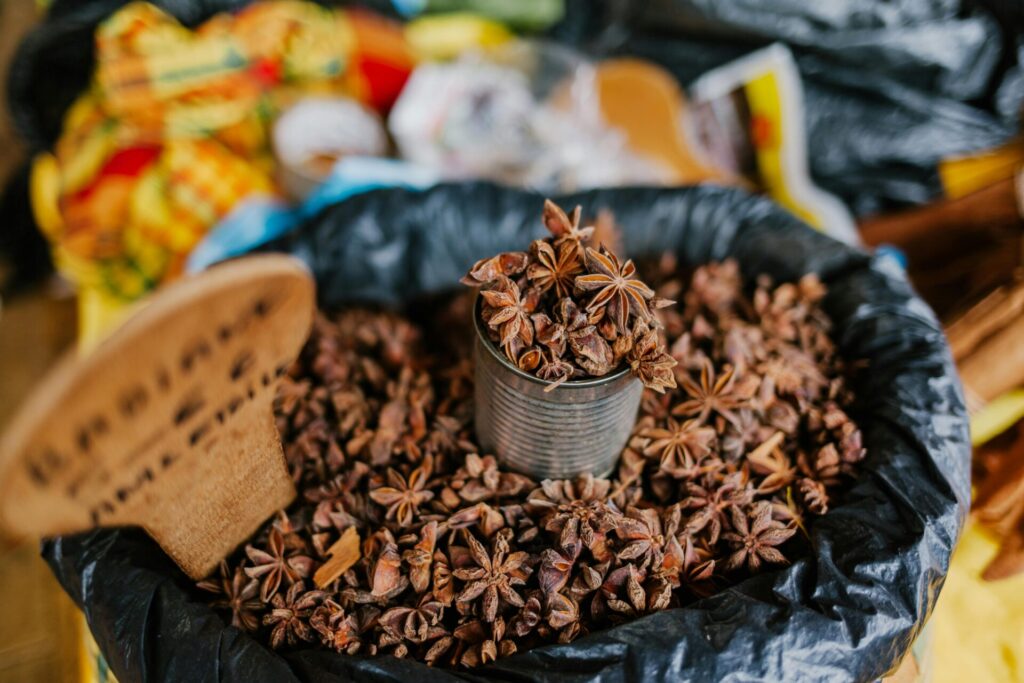
The Psychological Effect of Completeness and Satisfaction
One of the most important reasons unnoticed spices matter is psychological rather than chemical. Humans are highly sensitive to completeness. A dish that feels “right” triggers satisfaction even if the eater cannot explain why. Subtle spices often create this feeling of completeness.
This effect is closely tied to expectation. When food aligns with what the brain expects, it feels comforting and satisfying. Background spices help meet those expectations by reinforcing familiar flavor patterns. They make dishes feel finished rather than raw or one-dimensional. Without them, food may taste technically fine but emotionally lacking.
Memory also plays a role. Certain spices are linked to comfort, home, and tradition, even when they are not consciously detected. A stew that includes a bay leaf or a pinch of thyme may evoke familiarity without the eater realizing why. These spices work below the level of conscious attention, shaping emotional response as much as taste.
There is also an element of trust. When a dish tastes balanced and complete, diners trust the cook. They relax and enjoy the experience instead of analyzing it. Loud flavors invite scrutiny, while subtle ones encourage immersion. This is why many high-level chefs focus on restraint rather than intensity. The goal is not to impress with obvious complexity, but to create quiet excellence.
Interestingly, this is also why removing subtle spices can ruin a dish without people knowing what went wrong. The food feels off, but no single flavor stands out as the problem. The transformation these spices provide is only visible in their absence. Like good editing or good lighting, their success depends on going unnoticed.