
Italy is a land synonymous with food, where each region boasts a culinary heritage that intertwines history, tradition, and the celebration of life itself. But Italian food festivals go beyond mere gastronomy; they embody a profound cultural phenomenon.
These festivals transform dishes into symbols of identity, history, and community. From the verdant hills of Tuscany to the rugged coastline of Sicily, the true allure of Italian food festivals lies in their ability to weave a tapestry of flavors and traditions that reveal the soul of the nation.
These festivals are not just about eating; they are immersive experiences celebrating heritage, connection, and the Italian way of life.
A Feast Rooted in History: Food as a Living Archive
Every dish featured at an Italian food festival carries centuries of history. Italy’s festivals often honor humble, local ingredients elevated into culinary masterpieces. Whether it’s the creamy risotto of Lombardy or the rich chocolate of Modica in Sicily, these events serve as a living archive of Italy’s past.
Take, for instance, the Sagra del Tartufo (Truffle Festival), held in regions like Piedmont and Umbria. Here, the prized truffle becomes a lens through which one can view ancient agricultural practices, trade routes, and even class dynamics. Truffles were once reserved for the tables of nobles and clergy, but modern festivals have democratized their appeal, drawing thousands of visitors to celebrate their aroma and culinary versatility.
Similarly, the tomato at the heart of the Sagra del Pomodoro in Campania tells a tale of exploration and adaptation. Introduced to Europe from the Americas, the tomato became a cornerstone of Italian cuisine over centuries, particularly in the creation of iconic dishes like pizza and pasta sauces. By celebrating the tomato, the festival bridges the past with the present, highlighting its transformation from exotic import to national staple.
In this context, Italian food festivals act as time machines. They preserve recipes and techniques that might otherwise fade into obscurity, keeping Italy’s culinary heritage alive. Visitors aren’t just eating—they’re tasting history, connecting with a shared legacy passed down through generations.
The Community Spirit: Food as a Social Glue
Food festivals in Italy are deeply communal events, bringing together people of all walks of life to celebrate local bounty. These gatherings often occur in town squares, vineyards, or olive groves, fostering a sense of intimacy and connection. The shared experience of enjoying a freshly made porchetta sandwich or sipping a local Chianti wine transcends the act of eating, creating bonds among attendees.
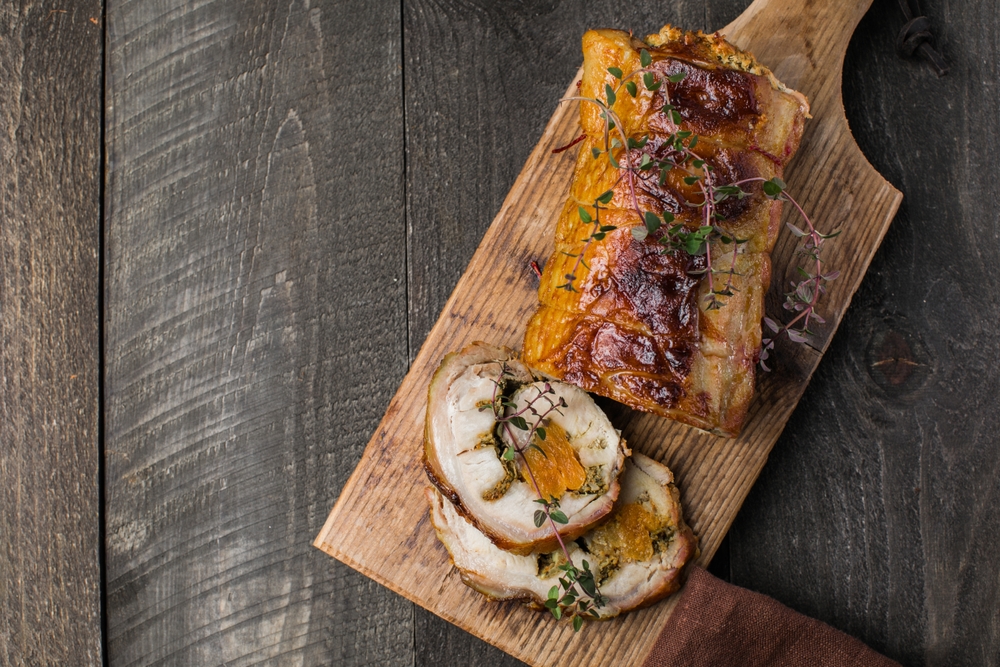
One of the most emblematic examples is the Sagra della Porchetta, celebrated in various towns across central Italy, particularly in Ariccia near Rome. Porchetta—a slow-roasted, herb-stuffed pork roll—is a dish that demands both precision and patience. At the festival, locals gather not only to enjoy the tender meat but also to revel in a communal pride for a dish that has been perfected over centuries.
These festivals often involve elaborate parades, live music, and dancing, transforming them into celebrations of community identity. Food becomes a medium for storytelling, where participants share tales of family recipes, local legends, and their deep ties to the land. Even visitors from abroad are welcomed into this tight-knit fabric, often treated to impromptu lessons on how to eat, cook, or even grow the celebrated ingredients.
The communal nature of Italian food festivals also extends to their inclusivity. Despite the rural settings of many events, they attract people from around the world, fostering a cultural exchange that enriches everyone involved. Whether you’re a lifelong resident or a first-time visitor, the warmth and hospitality at these festivals epitomize the Italian concept of “la dolce vita”—the sweet life.
Celebrating the Land: Food as a Reflection of Terroir
Italian food festivals underscore the intimate relationship between cuisine and the land. In Italy, the concept of terroir—the unique combination of soil, climate, and tradition—plays a critical role in defining the flavor of ingredients. Many festivals are timed with agricultural cycles, ensuring that the food being celebrated is enjoyed at its peak.
The Olive Oil Festival in Tuscany, for instance, pays homage to the golden liquid that has been the lifeblood of the region’s cuisine for centuries. Held during the autumn harvest, this festival allows visitors to sample freshly pressed olive oil, known as olio nuovo, which is grassy, peppery, and bursting with flavor. Alongside tastings, festivalgoers can visit olive groves, meet farmers, and witness the oil-making process firsthand. This connection to the land gives every bite and sip a profound sense of place.
In the northern region of Emilia-Romagna, the Parmigiano Reggiano Festival celebrates the iconic cheese often called “Italy’s king of cheeses.” The festival highlights not just the cheese itself but the entire ecosystem that produces it, from the cows grazing on specific grasses to the meticulous aging process in cellars. By attending, visitors learn that Parmigiano Reggiano is not merely an ingredient—it is a product of its environment, shaped by centuries of expertise.
These festivals remind attendees of the fragility and beauty of nature. They inspire a deeper appreciation for the land and its cycles, reinforcing the importance of sustainability in preserving Italy’s culinary treasures.
A Fusion of Art, Music, and Culture
While food is the centerpiece, Italian food festivals also celebrate the country’s rich artistic and cultural traditions. Music, dance, and crafts often accompany the culinary delights, creating a multi-sensory experience that immerses visitors in Italian culture.
The Sagra della Pasta in Gragnano, known as the birthplace of dried pasta, is one such festival where artistry takes center stage. Pasta-making demonstrations showcase the skill and craftsmanship required to produce this staple food, while street performers and local musicians provide entertainment. Visitors can see how culinary traditions are interwoven with artistic expression, reflecting the creativity and passion of Italian culture.
In Sicily, the Festival of Cannoli is another celebration where food meets art. Cannoli, those beloved ricotta-filled pastries, are not only consumed but also crafted into intricate designs and sculptures. Workshops teach participants how to perfect the delicate shells, while art exhibits explore the role of sweets in Sicilian culture.
These festivals also incorporate religious and historical pageantry. For instance, many events are tied to saint’s days, featuring processions and reenactments that blend faith with festivity. This fusion of food, art, and culture underscores the Italian belief that beauty can be found in every aspect of life.
Modern Relevance: Adapting Traditions for a New Era
As Italy’s food festivals evolve, they face the challenge of maintaining authenticity while appealing to modern audiences. Globalization and changing tastes have necessitated innovation, but these festivals have risen to the occasion by striking a balance between tradition and novelty.
For example, the Gelato Festival, which originated in Florence, showcases Italy’s artisanal gelato while embracing contemporary flavors and techniques. Traditional pistachio and hazelnut sit alongside experimental offerings like saffron or matcha. Through competitions and tastings, the festival highlights the craftsmanship of gelato makers while keeping the event fresh and exciting for a global audience.
Similarly, many festivals have embraced digital platforms to reach wider audiences. Virtual tours, online cooking classes, and social media campaigns allow people from all over the world to participate, even if they can’t attend in person. These adaptations not only preserve the festivals’ relevance but also introduce Italy’s culinary culture to new generations.
Despite these changes, the core values of Italian food festivals remain intact. They continue to honor the land, the people, and the traditions that make Italy’s cuisine so extraordinary. By blending the old with the new, these events ensure that the essence of Italian food and culture will endure for generations to come.
Conclusion: More Than a Meal, a Way of Life
Italian food festivals are a feast for the senses, but they are also much more. They are a celebration of history, community, and the land itself. Through these festivals, Italy invites the world to experience its culinary treasures not as mere dishes but as expressions of identity, artistry, and connection.
For those who attend, the memory of a festival is often more than the taste of a truffle or the sweetness of a cannoli—it’s the sound of laughter, the sight of rolling vineyards, and the feeling of belonging. In Italy, food is never just food—it is a way of understanding and celebrating life itself. This is the true mystery of Italian food festivals: they capture not just the flavor of a dish, but the essence of a culture.