
Sushi, one of Japan’s most iconic culinary exports, is revered worldwide for its elegance, simplicity, and celebration of fresh ingredients. While sushi is often associated with the familiar images of nigiri, maki, and sashimi, the reality is that sushi is far more diverse than most people realize. Across Japan, regional styles of sushi reflect the country’s rich culinary traditions, cultural nuances, and geographic variations. From the bustling streets of Tokyo to the tranquil countryside of Kyushu, every region has its own unique interpretation of this celebrated dish.
Each regional style of sushi tells a story about the people, local ingredients, and historical influences that have shaped Japanese cuisine. These styles not only differ in terms of preparation techniques and presentation but also highlight the local seafood, rice, and even preservation methods that were developed long before refrigeration became commonplace. For those willing to look beyond the globalized versions of sushi, exploring these regional variations offers a deeper appreciation of Japan’s culinary heritage.
This journey through the sushi styles of Japan will take you from the minimalist elegance of Edomae sushi in Tokyo to the complex, layered flavors of oshizushi in Osaka. Discovering these regional styles reveals how sushi is not just a dish but a cultural experience that captures the essence of Japan’s diverse landscapes and traditions.
Edomae Sushi: Tokyo’s Quintessential Style
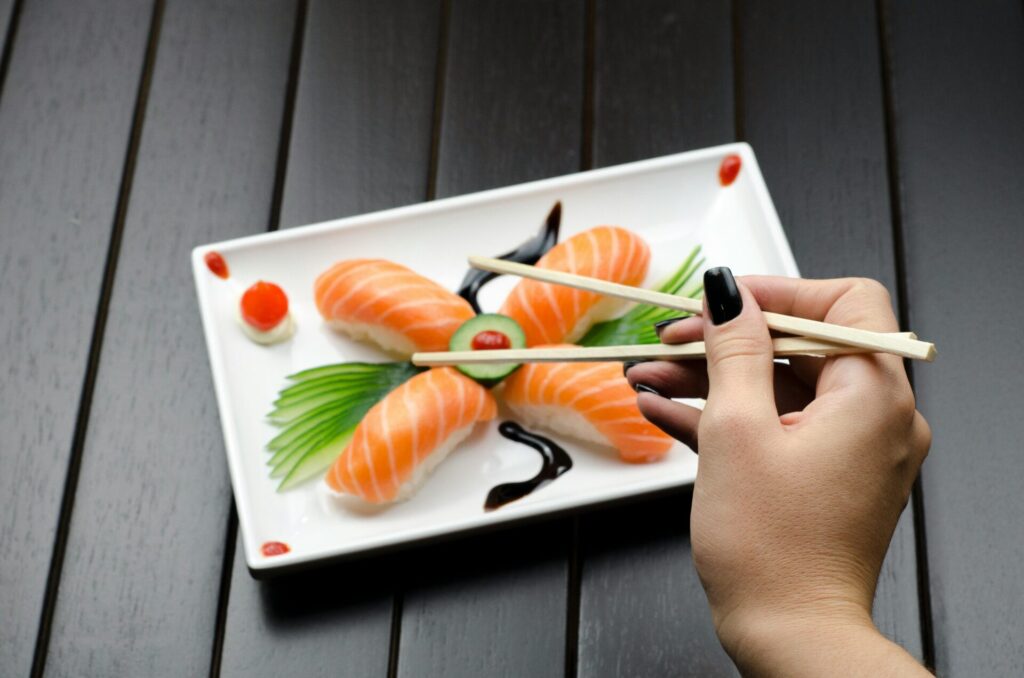
When most people think of sushi, they are likely imagining Edomae sushi, the style that originated in Tokyo (formerly Edo). This style of sushi emphasizes freshness, simplicity, and precision. Edomae sushi is characterized by hand-formed rice topped with slices of raw fish, also known as nigiri sushi. What sets it apart is its reliance on local seafood from Tokyo Bay, such as tuna, shrimp, and anago (saltwater eel), as well as its use of preservation techniques like curing and marination.
In the 19th century, sushi was a form of fast food in Edo. Vendors would sell it from street carts, catering to the bustling urban population. Without modern refrigeration, chefs developed methods to preserve fish, such as soaking it in soy sauce or lightly curing it in salt and vinegar. These techniques not only enhanced the shelf life of the fish but also added a distinct flavor profile that has become synonymous with Edomae sushi.
The rice in Edomae sushi is another defining feature. It is seasoned with a mixture of vinegar, sugar, and salt, giving it a slight tang that complements the fish. The balance between the rice and fish is crucial in Edomae sushi, as the focus is on highlighting the natural flavors of the seafood. Today, this style is considered the gold standard of sushi and is widely imitated in high-end sushi restaurants around the world.
Osaka’s Oshizushi: Pressed Perfection
In Osaka, sushi takes on a completely different form known as oshizushi or pressed sushi. This style is made by layering vinegared rice and toppings, such as marinated fish or pickled vegetables, in a rectangular mold. The layers are then compressed to create a firm, compact block, which is sliced into bite-sized pieces before serving. The aesthetic appeal of oshizushi, with its clean lines and vibrant colors, reflects the meticulous nature of Osaka’s culinary traditions.
Oshizushi has its roots in the Kansai region’s preference for bold flavors and artistic presentation. Unlike Edomae sushi, which emphasizes simplicity, oshizushi often incorporates intricate arrangements of ingredients, such as strips of nori or slivers of pickled ginger, to create visually stunning patterns. Popular toppings include mackerel, eel, and shrimp, which are often marinated or cooked to enhance their flavors.
This style of sushi was historically favored for its portability and durability, making it ideal for travelers or special occasions. The pressing technique not only compacts the sushi for easier transport but also allows the flavors of the rice and toppings to meld together, creating a harmonious blend of taste and texture. Today, oshizushi remains a beloved specialty of Osaka, offering a delightful contrast to the raw simplicity of Edomae sushi.
Hokkaido’s Seafood Bounty: Kaisen Don
In the northernmost island of Hokkaido, sushi is all about showcasing the region’s incredible seafood bounty. Hokkaido is famous for its cold waters, which produce some of the finest fish and shellfish in Japan. While traditional nigiri sushi is popular here, the region’s signature style is kaisen don, a rice bowl topped with an assortment of fresh, raw seafood.
Kaisen don highlights the incredible variety of seafood available in Hokkaido, such as salmon, scallops, crab, sea urchin, and ikura (salmon roe). The toppings are often arranged in an artful display, creating a feast for both the eyes and the palate. What sets Hokkaido’s sushi apart is the unparalleled freshness of its ingredients, which are often caught the same day they are served.
The rice used in Hokkaido’s sushi is equally noteworthy. The region’s cool climate produces high-quality rice with a slightly sticky texture and a subtle sweetness that pairs beautifully with the briny flavors of the seafood. Kaisen don offers a more casual and hearty take on sushi, making it a popular choice among locals and tourists alike. Whether enjoyed at a bustling fish market in Sapporo or a seaside restaurant in Otaru, Hokkaido’s sushi is a celebration of nature’s abundance.
Kyoto’s Unique Sushi Traditions: Sabazushi and Hakozushi
Kyoto, Japan’s ancient capital, has its own unique approach to sushi that reflects the city’s rich history and refined culinary culture. Unlike coastal regions, Kyoto is located inland, which historically made access to fresh seafood more challenging. As a result, Kyoto’s sushi traditions rely heavily on preservation techniques, such as curing and pickling, to extend the shelf life of fish.
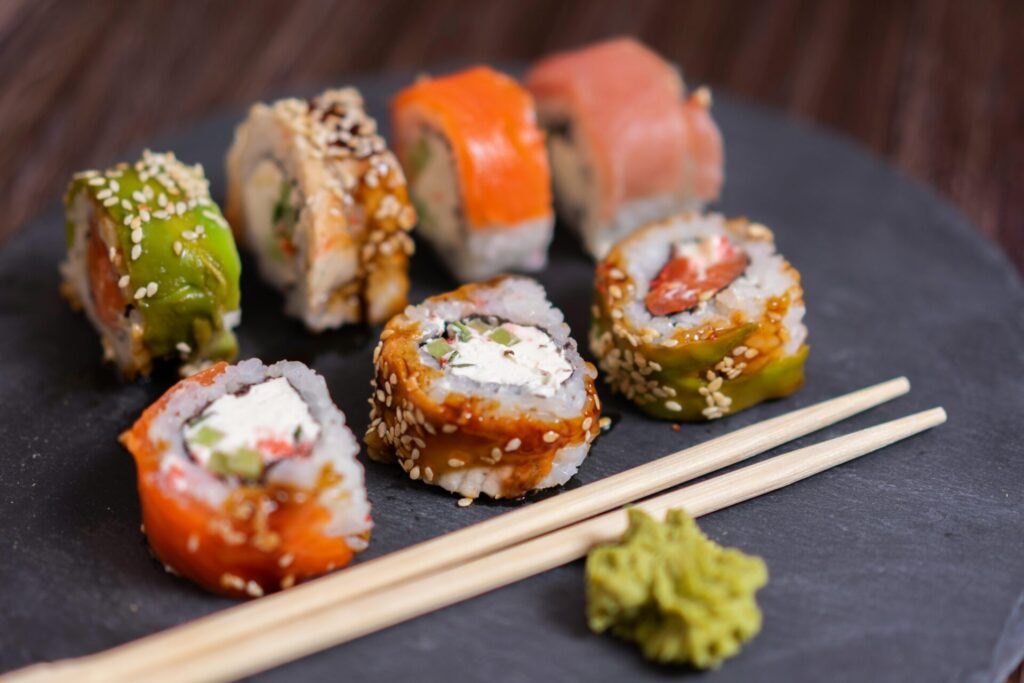
One of Kyoto’s most iconic sushi styles is sabazushi, a type of sushi made with mackerel that has been salted and marinated in vinegar. The fish is paired with vinegared rice and wrapped in a layer of kombu (kelp) to enhance its umami flavor. Sabazushi is often served as a long, rolled cylinder that is sliced into individual pieces, making it both elegant and convenient.
Another Kyoto specialty is hakozushi, or box sushi, which is similar to Osaka’s oshizushi but with a more delicate presentation. Hakozushi features a variety of toppings, such as shrimp, egg, and pickled vegetables, arranged in intricate patterns atop compacted rice. The emphasis on visual appeal and balance of flavors reflects Kyoto’s sophisticated approach to cuisine.
Kyoto’s sushi traditions offer a fascinating glimpse into how geography and cultural heritage have shaped the evolution of this beloved dish. For those seeking a taste of history, Kyoto’s sushi styles provide a unique and deeply satisfying experience.
The Southern Flavors of Kyushu and Shikoku
In the southern regions of Kyushu and Shikoku, sushi takes on a distinctly rustic and flavorful character. These areas are known for their warm climate and abundant agricultural resources, which influence the ingredients and techniques used in their sushi.
Kyushu is famous for its marinated sushi, where fish is cured in soy sauce, vinegar, or miso to enhance its flavor. This technique not only preserves the fish but also imparts a rich, savory taste that pairs beautifully with the region’s slightly sweeter rice. Mackerel, amberjack, and horse mackerel are popular choices for marinated sushi in Kyushu, reflecting the region’s coastal proximity and love of bold flavors.
Shikoku, on the other hand, is known for its use of local citrus fruits, such as yuzu and sudachi, to season its sushi. These tangy fruits add a refreshing twist to traditional sushi, highlighting the region’s emphasis on bright, clean flavors. Shikoku is also home to unique sushi styles like bo-zushi, where whole fish are pressed onto rice and sliced into thin pieces for serving.
The sushi styles of Kyushu and Shikoku offer a delightful contrast to the more refined traditions of Kyoto and Osaka. Their emphasis on bold flavors and local ingredients reflects the warmth and hospitality of southern Japan, making them a must-try for adventurous food lovers.
Conclusion: A Journey Through Japan’s Sushi Heritage
Exploring the regional sushi styles of Japan is more than just a culinary adventure—it’s a journey through the country’s diverse landscapes, cultures, and traditions. From the refined elegance of Edomae sushi in Tokyo to the vibrant, seafood-rich flavors of Hokkaido, each region offers its own unique take on this iconic dish. These styles not only highlight the incredible variety of ingredients found across Japan but also reflect the ingenuity and artistry of Japanese chefs.
By embracing the regional diversity of sushi, we gain a deeper appreciation for the cultural and historical influences that have shaped Japan’s culinary landscape. Whether it’s the portable convenience of oshizushi in Osaka or the bold, marinated flavors of Kyushu, these regional styles remind us that sushi is far more than a single dish—it’s a celebration of Japan’s rich and varied heritage.
As global interest in sushi continues to grow, it’s essential to honor the traditions and stories behind these regional styles. For those who are willing to venture beyond the familiar, Japan’s diverse sushi culture offers endless opportunities for discovery and delight. Whether you’re a seasoned sushi connoisseur or a curious newcomer, exploring regional sushi styles is a rewarding experience that will deepen your appreciation for this timeless culinary art.