
Indian cuisine is one of the most diverse and flavorful in the world, deeply rooted in history, culture, and regional influences. Each region of India boasts a unique culinary identity, shaped by geography, climate, traditions, and historical interactions. This article explores the distinct flavors of North, South, East, and West India, offering insight into the ingredients, cooking techniques, and iconic dishes that define each region.
North Indian Cuisine: Rich, Robust, and Indulgent
North Indian cuisine is characterized by its rich, creamy gravies, extensive use of dairy, and hearty bread-based meals. Influenced by Persian, Mughal, and Punjabi culinary traditions, the flavors are often bold and aromatic, featuring an array of spices.
Key Ingredients and Cooking Techniques:
- Dairy products such as ghee (clarified butter), butter, cream, and yogurt play a vital role in North Indian dishes.
- Wheat is the staple grain, leading to an extensive variety of flatbreads like naan, roti, paratha, and kulcha.
- Slow-cooked curries and tandoori-style cooking, where food is cooked in a clay oven, are prevalent.
Popular Dishes:
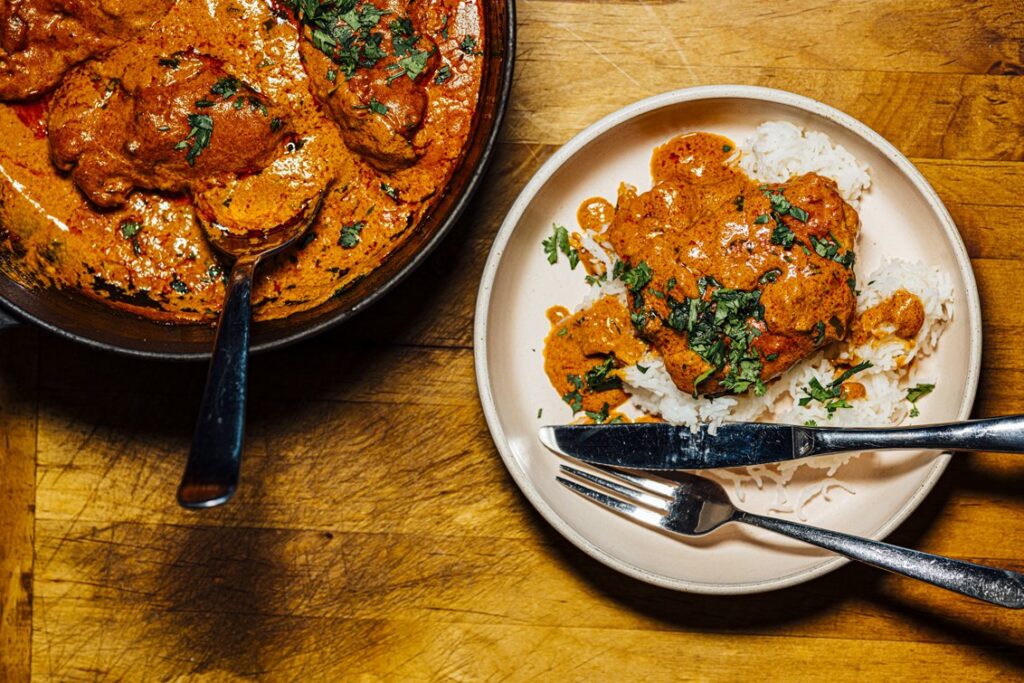
- Butter Chicken (Murgh Makhani): A rich, creamy tomato-based curry infused with butter and spices.
- Rogan Josh: A fragrant, slow-cooked lamb dish from Kashmir with a deep red color from Kashmiri chilies.
- Dal Makhani: A slow-cooked lentil dish made with black lentils, kidney beans, butter, and cream.
- Chole Bhature: A popular Punjabi dish featuring spicy chickpea curry paired with deep-fried fluffy bread.
- Aloo Paratha: A stuffed whole wheat flatbread filled with spiced mashed potatoes, typically served with yogurt or butter.
Regional Variations in North India:
- Punjabi Cuisine: Rich, buttery flavors with tandoori specialties and lassi (a yogurt-based drink).
- Kashmiri Cuisine: Wazwan, a traditional multi-course meal, features delicacies like Yakhni (yogurt-based mutton curry) and Gustaba (meatballs in yogurt gravy).
- Rajasthani Cuisine: Largely vegetarian, featuring dal baati churma (lentil stew with baked wheat dumplings) and gatte ki sabzi (gram flour dumplings in yogurt curry).
South Indian Cuisine: Spicy, Tangy, and Fermented
South Indian food is known for its liberal use of rice, coconut, tamarind, and an array of spices. The cuisine is often lighter than North Indian food, incorporating a balance of tangy, spicy, and mildly sweet flavors.
Key Ingredients and Cooking Techniques:
- Rice is the staple grain, used in various forms such as dosa (fermented crepes), idli (steamed rice cakes), and biryani.
- Coconut and curry leaves are essential components in curries and chutneys.
- Fermentation plays a key role in dishes like dosa, idli, and appam.
Popular Dishes:
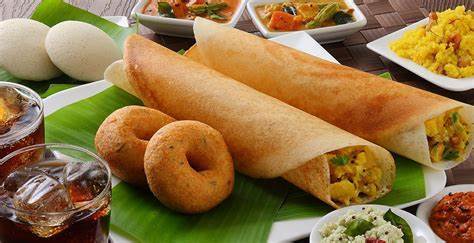
- Dosa and Sambar: Thin, crispy rice crepes served with a lentil-based vegetable stew.
- Idli: Steamed rice and lentil cakes, typically eaten with coconut chutney and sambar.
- Chettinad Chicken: A fiery, flavorful dish from Tamil Nadu made with freshly ground spices and coconut.
- Avial: A Kerala-style mixed vegetable curry with coconut and yogurt.
- Hyderabadi Biryani: A rich, aromatic rice dish layered with marinated meat and cooked with saffron and spices.
Regional Variations in South India:
- Andhra Cuisine: Known for its extremely spicy dishes like Gongura Pickle and Andhra Chili Chicken.
- Kerala Cuisine: Features a lot of seafood, coconut, and mild spices; known for dishes like Kerala Fish Curry and Puttu (steamed rice cakes).
- Karnataka Cuisine: Includes a mix of Udupi vegetarian fare and coastal delicacies like Mangalorean Fish Curry.
East Indian Cuisine: Subtle, Sweet, and Seafood-Centric
Eastern Indian cuisine is distinguished by its use of mustard oil, panch phoron (a five-spice mix), and a strong love for sweets. Bengal and Odisha are particularly famous for their fresh river fish, mild yet flavorful curries, and exquisite desserts.
Key Ingredients and Cooking Techniques:
- Mustard oil is a primary cooking medium, giving dishes a distinct pungent flavor.
- Fish is a staple in Bengali and Odia households, often cooked in mustard-based gravies.
- Steaming and slow cooking are preferred techniques, ensuring delicate yet deep flavors.
Popular Dishes:
- Machher Jhol: A light, mustard-flavored fish curry with potatoes and tomatoes.
- Shorshe Ilish: Hilsa fish cooked in a mustard sauce, a Bengali delicacy.
- Pakhala Bhata: Fermented rice soaked in water, a summer staple in Odisha.
- Rasgulla: Spongy, syrupy sweets made from chhena (Indian cottage cheese).
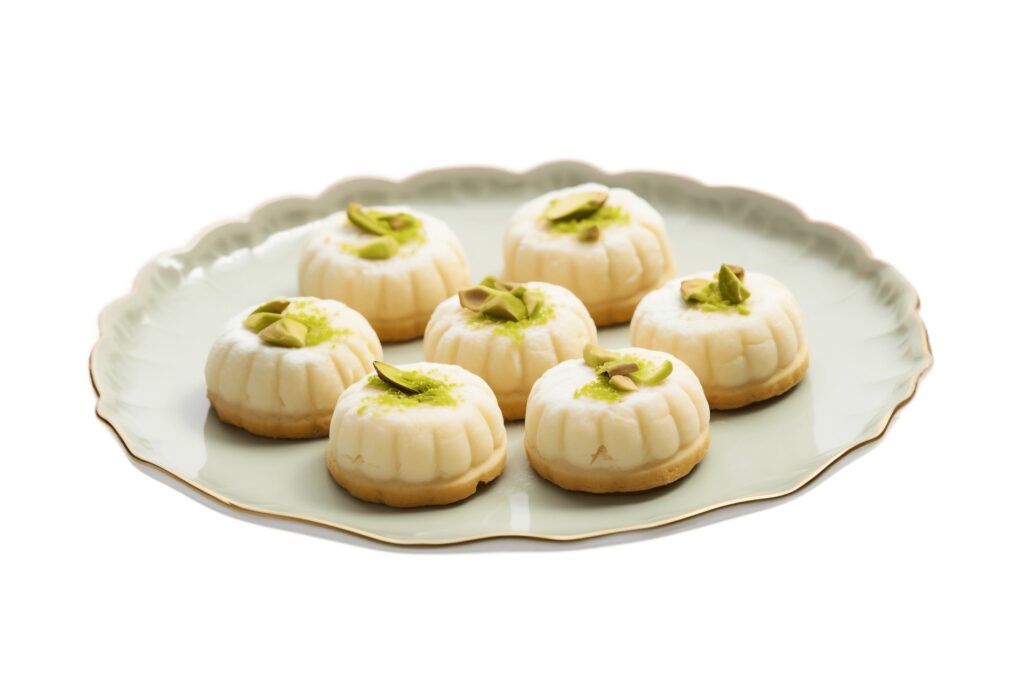
- Sandesh: A delicately sweet dessert made with paneer and sugar.
Regional Variations in East India:
- Bengali Cuisine: Known for its delicate balance of sweet and spicy flavors; iconic dishes include Mishti Doi (sweetened yogurt) and Chingri Malai Curry (prawns in coconut milk).
- Odia Cuisine: Similar to Bengali food but less sweet, with dishes like Dalma (lentils with vegetables) and Chhena Poda (caramelized paneer dessert).
- Assamese Cuisine: Features simple, earthy flavors with dishes like Masor Tenga (sour fish curry) and rice-based meals.
West Indian Cuisine: Spicy, Tangy, and Coastal Delights
West Indian cuisine is incredibly diverse, spanning the deserts of Rajasthan, the coastline of Maharashtra, and the lush landscapes of Goa and Gujarat. It features bold flavors, an array of vegetarian and seafood dishes, and a unique blend of spices.
Key Ingredients and Cooking Techniques:
- Coastal regions use coconut, tamarind, and kokum for distinct tangy flavors.
- Spices like red chili, cloves, and cinnamon are heavily used.
- Dry and arid regions rely on legumes, gram flour, and dairy for their staple dishes.
Popular Dishes:
- Vada Pav: A popular Mumbai street food of spicy potato fritters in a bun.
- Goan Fish Curry: A coconut and kokum-based curry featuring fresh seafood.
- Dhokla: A spongy, fermented gram flour snack from Gujarat.
- Laal Maas: A fiery Rajasthani mutton curry cooked with red chilies.
- Puran Poli: A sweet flatbread stuffed with jaggery and lentils, popular in Maharashtra.
Regional Variations in West India:
- Maharashtrian Cuisine: Features a mix of spicy and mild flavors, from Misal Pav to Modak (a sweet dumpling).
- Goan Cuisine: Strong Portuguese influence, with dishes like Bebinca (layered dessert) and Xacuti (spicy coconut curry).
- Gujarati Cuisine: Predominantly vegetarian, with a balance of sweet and savory flavors in dishes like Undhiyu (mixed vegetable casserole).
Conclusion
Indian cuisine is a vibrant, ever-evolving mosaic that reflects the country’s diverse cultural, geographical, and historical influences. From the lush greenery of Kerala to the arid landscapes of Rajasthan, each region’s unique climate and traditions have contributed to the formation of a distinct culinary identity. The use of local ingredients, ancient cooking techniques, and an incredible variety of spices ensures that Indian food is not only flavorful but also deeply connected to the land and its people.
The richness of North Indian cuisine, with its luxurious gravies and tandoori specialties, offers a glimpse into the regal Mughal influence and the deeply ingrained dairy culture. South India, on the other hand, brings forth lighter yet bold flavors, with an emphasis on rice, coconut, and fermentation—techniques passed down through generations. East Indian cuisine, with its delicate balance of sweet and savory, showcases the region’s reverence for freshness, particularly in the use of fish, mustard, and spices like panch phoron. Finally, West India presents an intriguing blend of spicy, tangy, and coastal dishes that reveal the influence of trade routes, Portuguese colonialism, and diverse agricultural practices.
What makes Indian cuisine so captivating is its ability to blend boldness and subtlety, indulgence and lightness, creating an unforgettable culinary experience. From the aromatic spices that fill the air to the textures and flavors that dance on the palate, every bite is a celebration of centuries-old culinary traditions and innovations. Exploring the flavors of India offers much more than just a meal—it’s an exploration of history, culture, and the interconnectedness of food with the very soul of the land. Each region invites you to embark on a new adventure, opening doors to stories, customs, and traditions that have endured for millennia.
Indian cuisine, in all its diversity, serves as a perfect reminder of how food can transcend borders, bring people together, and connect us to the rich heritage of a culture. Whether you’re experiencing the bold flavors of the North, the coastal delights of the West, the subtle sweetness of the East, or the spicy and tangy dishes of the South, every meal is a journey through India’s centuries-old legacy. The endless variety, textures, and flavors ensure that Indian cuisine continues to captivate and inspire both seasoned food lovers and newcomers alike.