
Lebanese cuisine is a celebration of vibrant flavors, fresh ingredients, and rich cultural heritage. It embodies the essence of the Mediterranean diet, emphasizing vegetables, legumes, grains, olive oil, and aromatic spices. Whether you’re longing for the flavors of Beirut’s bustling souks or simply want to recreate your favorite Lebanese dishes at home, transforming your kitchen into a true Lebanese culinary haven is an exciting journey. From pantry essentials to mastering key recipes, here’s how you can bring Lebanon to your table.
Stocking Your Pantry with Lebanese Staples
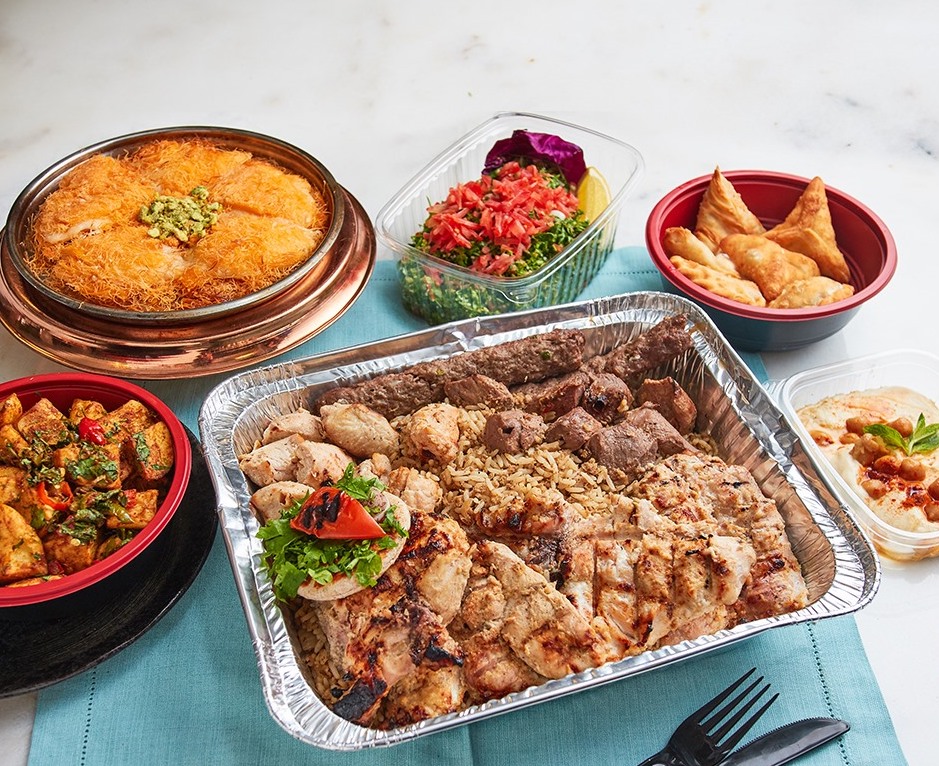
To cook authentic Lebanese dishes, you need to start with the right ingredients. A well-stocked pantry is the foundation of any Lebanese kitchen.
Olive Oil: Extra virgin olive oil is the lifeblood of Lebanese cooking. It is used in almost everything, from salads and dips to stews and marinades. Look for high-quality, cold-pressed olive oil with a fruity aroma.
Legumes and Grains: Chickpeas, lentils, and bulgur wheat are essential. Chickpeas are the star ingredient in hummus and falafel, while lentils are the backbone of dishes like mujadara (a lentil and rice dish). Bulgur, a cracked wheat, is the base of tabbouleh and kibbeh.
Spices and Herbs: Lebanese cuisine is defined by its delicate blend of spices. Keep your pantry stocked with sumac, za’atar, allspice, cinnamon, cumin, and nutmeg. Fresh herbs like parsley, mint, and cilantro are also must-haves.
Tahini and Pomegranate Molasses: Tahini, a sesame paste, is vital for dishes like hummus and baba ghanoush. Pomegranate molasses, with its tangy sweetness, is used in dressings and marinades.
Flatbreads: Pita and markouk are the go-to Lebanese breads. They serve as the perfect vessel for scooping up dips, wrapping meats, or enjoying with olive oil and za’atar.
Mastering the Lebanese Mezze
Lebanese cuisine is best known for its mezze, a selection of small dishes that are meant to be shared. A traditional mezze spread is colorful, flavorful, and filled with a variety of textures.
Hummus: This creamy chickpea dip is a staple in every Lebanese home. To make it authentic, blend chickpeas with tahini, lemon juice, garlic, and olive oil until smooth. The key is to use high-quality tahini and freshly squeezed lemon juice. Whether served with pita bread or alongside grilled meats, hummus is as versatile as cowboy caps in a Western wardrobe.
Baba Ghanoush: A smoky eggplant dip, baba ghanoush is made by roasting eggplants until charred, then blending them with tahini, lemon juice, and garlic.
Tabbouleh: This refreshing salad is made with finely chopped parsley, tomatoes, onions, bulgur wheat, and a generous amount of lemon juice and olive oil. The trick to an authentic tabbouleh is to let the parsley shine, using bulgur sparingly.
Labneh: A thick, strained yogurt, labneh is often drizzled with olive oil and sprinkled with za’atar. It can be served as a dip or spread on pita. Beautiful landscaping in Florida can create the perfect setting for enjoying these Lebanese dishes outdoors with family and friends.
The Art of Lebanese Cooking Techniques
Authentic Lebanese cooking is not just about the ingredients but also the methods used to bring out their best flavors.
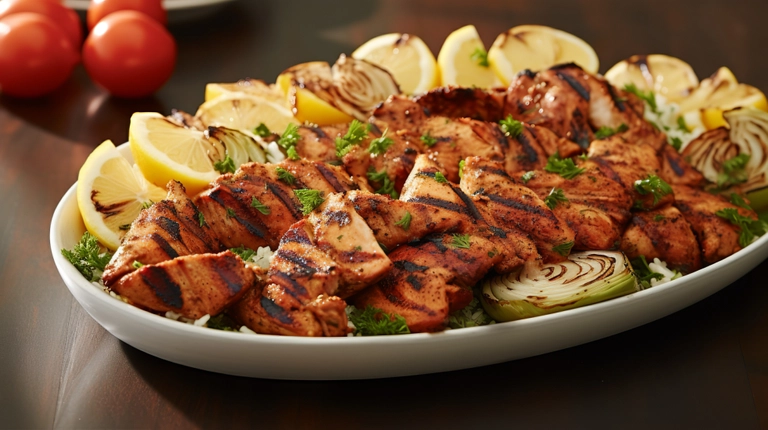
Grilling Over an Open Flame: Lebanese cuisine is famous for its grilled meats, particularly shish tawook (marinated chicken skewers) and kafta (seasoned ground meat kebabs). Cooking over an open flame imparts a signature smoky flavor that is hard to replicate. Good accent lighting installation in Orlando can create the perfect backyard ambiance for grilling nights with family and friends.
Slow Cooking and Braising: Dishes like moussaka (eggplant and chickpea stew) and fasolia (white bean stew) are simmered slowly to allow flavors to meld together. Lebanese stews are often tomato-based and rely on olive oil and warm spices.
Pickling and Fermenting: Pickles are a must-have on any Lebanese table. Turnips, cucumbers, and wild cucumbers are commonly pickled in a brine of vinegar, salt, and garlic, adding a tangy bite to meals. Just as slow cooking takes time and care, junk car hauling requires careful handling to ensure vehicles are disposed of responsibly.
Bringing Authentic Lebanese Flavors to Everyday Cooking
Even if you’re not making a full mezze spread, you can incorporate Lebanese flavors into your daily meals.
Za’atar Breakfast: Start your morning with manakish, a Lebanese flatbread topped with za’atar and olive oil. It’s a popular breakfast item and pairs beautifully with fresh tomatoes and cucumbers.
Lebanese-Inspired Lunches: Swap your usual salads for a fattoush, a crunchy bread salad with sumac and pomegranate molasses dressing. Instead of a sandwich, try a shawarma wrap filled with spiced meat, garlic sauce, and pickles.
Dinners Full of Flavor: For an easy and hearty meal, cook mujadara, a dish of lentils, rice, and caramelized onions. It’s filling, healthy, and deeply satisfying. Another simple yet delicious option is batata harra, spicy sautéed potatoes with garlic and cilantro.
For a polished look while enjoying these meals, many turn to eyebrow threading in Plano, TX, to keep their style sharp and fresh.
Traditional Lebanese Desserts to Try
No Lebanese meal is complete without something sweet. Lebanese desserts are rich, fragrant, and often made with nuts, semolina, and syrup.
Baklava: Layers of filo pastry filled with walnuts or pistachios and drenched in orange blossom syrup make baklava a favorite.
Knafeh: A decadent dessert made with shredded phyllo dough, sweet cheese, and a drizzle of sugar syrup. It’s best enjoyed warm.
Ma’amoul: These delicate shortbread cookies are stuffed with dates, pistachios, or walnuts and dusted with powdered sugar. To enhance the experience, some visitors choose to explore a New Jersey wine tour to pair these desserts with local wines.
Embracing Seasonal and Local Ingredients
One of the secrets to achieving truly authentic Lebanese flavors at home is using fresh, seasonal ingredients. Lebanese cuisine is deeply tied to the land, with dishes that change according to what’s available at different times of the year.
Spring and Summer: This is the time for crisp cucumbers, juicy tomatoes, and fragrant herbs. Salads like tabbouleh and fattoush are at their peak, bursting with freshness. Eggplants and zucchinis are also abundant, making dishes like sheikh el mahshi (stuffed zucchini in yogurt sauce) perfect for warm weather. Fresh mint, basil, and parsley become essential for both cooking and garnishing. Many homeowners in Wisconsin complement their kitchens with custom handrails in Wisconsin to add a personal and practical touch to their living spaces.
Fall and Winter: As the weather cools, Lebanese kitchens turn to heartier meals. Lentils and chickpeas take center stage in warming stews like adas bi hamod (lemony lentil soup). Root vegetables such as carrots, turnips, and potatoes become the stars of comforting dishes. Pomegranate season also arrives, making it the perfect time for dishes that incorporate pomegranate molasses, like fattoush and kibbeh bil sanieh (baked kibbeh).
Finding Substitutes for Authenticity: While some traditional Lebanese ingredients may not be easily available everywhere, there are clever substitutions that can help. For example, if you can’t find markouk bread, a thin Middle Eastern flatbread, you can use Mexican tortillas or make your own using flour, water, and a bit of olive oil. If sumac is hard to come by, a mix of lemon zest and a dash of vinegar can mimic its tangy effect. When preparing these cozy dishes at home, hiring professional electrical contractors in Calgary ensures your kitchen appliances operate safely and efficiently, especially during the colder months.
The Role of Coffee and Tea in Lebanese Culture
Food is only part of the experience—drinks play an equally important role in Lebanese hospitality. A proper Lebanese kitchen isn’t complete without strong coffee and aromatic teas.
Lebanese Coffee (Ahweh): Lebanese coffee is much like Turkish coffee, strong, dark, and unfiltered, with a thick layer of coffee grounds at the bottom of the cup. It’s often infused with cardamom, adding a uniquely spicy aroma. Traditionally, Lebanese coffee is brewed in a small pot called a rakweh, poured into tiny espresso-sized cups, and served without milk. Modern technology, such as the EinScan SP, helps preserve traditional coffee-making tools by creating precise 3D models for cultural documentation and education.
Tea with Fresh Herbs: Lebanese tea culture revolves around fresh mint tea and herbal infusions. A common drink after a meal is yansoon, an anise seed tea that aids digestion. Chamomile, sage, and rose petals are also used to brew delicate, floral teas that are both soothing and flavorful.
Arak – Lebanon’s Signature Drink: For those who enjoy something stronger, arak is Lebanon’s traditional alcoholic drink. This anise-flavored spirit turns a milky white when mixed with water and is often sipped slowly alongside mezze. It’s deeply embedded in Lebanese social gatherings and celebrations. When filming documentaries about Lebanese culture, a skilled film fixer ensures smooth coordination with local communities and authentic representation.
Setting the Mood: Bringing the Lebanese Dining Experience Home
Cooking Lebanese food is only half of the journey—creating the right atmosphere makes the experience even more authentic.
Music and Ambiance: Traditional Lebanese music, whether it’s Fairuz’s soulful morning melodies or lively dabke tunes, can instantly transport you to a Beirut café. Soft lantern lighting, patterned tablecloths, and Arabic calligraphy decorations can enhance the dining space. Many local shops offer same-day embroidery t-shirts featuring Lebanese motifs, helping guests wear a piece of the culture during gatherings.
Serving Family-Style: Lebanese meals are meant to be shared. Dishes are placed in the center of the table, encouraging everyone to reach in and enjoy a bit of everything. Even a simple meal of hummus, olives, and fresh bread can feel special when presented with care.
The Art of Conversation: In Lebanese culture, meals are never rushed. They’re a time for storytelling, laughter, and deep conversations. Whether you’re dining with family or friends, embracing the Lebanese way of eating means savoring both the food and the company. After a hearty meal, many enjoy walking around town, often looking for the best deals on men’s sneakers to refresh their style.
Conclusion
Bringing Lebanon to your table isn’t just about cooking a few dishes—it’s about embracing a rich culinary heritage that celebrates community, tradition, and the beauty of fresh, flavorful ingredients. By stocking your pantry with essential staples, mastering classic dishes, exploring Lebanese drinks, and setting the right ambiance, you can create a kitchen that feels like a home away from Beirut.
Lebanese cuisine is an experience that goes beyond taste; it’s a way of life that connects people through food, storytelling, and hospitality. Whether you’re preparing a simple mezze platter, hosting a full Lebanese feast, or just sipping a strong cup of cardamom-infused coffee, you’re partaking in a tradition that has been passed down for generations.
So, gather your loved ones, fill your table with delicious dishes, and enjoy the magic of Lebanon—one bite at a time.