
In an age dominated by digital technology, it may come as a surprise that something as old-fashioned as handwritten recipes is making a notable comeback. In an era where smartphones, tablets, and computers have become our go-to tools for everything, including cooking, there is a growing movement that embraces the charm, nostalgia, and personal touch of handwritten recipes. From carefully inked cards to scribbled notes in the margins of cookbooks, these handwritten treasures are increasingly seen in kitchens, passed down through generations, and valued for their sentimental and cultural significance. But why is this seemingly outdated practice experiencing a resurgence in today’s tech-driven world?
The revival of handwritten recipes can be attributed to several factors, each contributing to a larger cultural shift toward valuing personal connections, nostalgia, and the preservation of traditions. As we dive into the reasons why this practice is returning to kitchens across the world, we’ll explore the importance of personalization, connection to heritage, mindful cooking, and the growing appeal of slow living. Handwritten recipes are no longer just relics of the past; they are becoming a vital part of the modern culinary landscape, helping to bridge the gap between generations while rekindling the joy of cooking.
Personalization and the Art of Handwriting
In a world where instant access to information often leads to impersonal and disposable experiences, handwritten recipes stand as a unique form of personalization. Each recipe, when written by hand, carries the individual touch of its creator—from the style of handwriting to the choice of paper and even the subtle imperfections of the ink. These factors make handwritten recipes far more than just a set of instructions; they are expressions of creativity, personality, and love.
Unlike printed recipes, which can feel cold and standardized, handwritten recipes hold a certain charm that speaks to a more intimate connection with the food being prepared. Many people find that when they handwrite a recipe, they are able to engage more deeply with the ingredients and the process, offering them a sense of ownership over their culinary creations. There’s something about the act of putting pen to paper that transforms the recipe from a mere collection of ingredients and steps into a personal manifesto of flavors and techniques.
Moreover, handwritten recipes often come with annotations, alterations, and adaptations—small changes that reflect the evolving preferences of the cook. Substituting an ingredient, adjusting the cooking time, or noting a slight tweak to the preparation process makes these recipes truly one-of-a-kind. They are living documents, continually shaped by the cook’s experiences and needs, creating a deeper, more meaningful relationship with the food.
The process of writing a recipe by hand is, in itself, a meditative act. As people become more conscious of the joy of slow, intentional activities, many are rediscovering the therapeutic nature of handwriting. In an age where multitasking is the norm, sitting down to handwrite a recipe can be a simple but powerful act of mindfulness.
A Connection to Family and Heritage
One of the most powerful reasons why handwritten recipes are making a comeback is the deep sense of heritage and tradition they carry. For many, these recipes are not just about cooking; they are about preserving memories, honoring family history, and passing down knowledge to future generations. The experience of using a handwritten recipe often evokes feelings of nostalgia, transporting individuals to the kitchens of their childhoods, where grandmothers, mothers, and fathers shared the secrets of cooking.
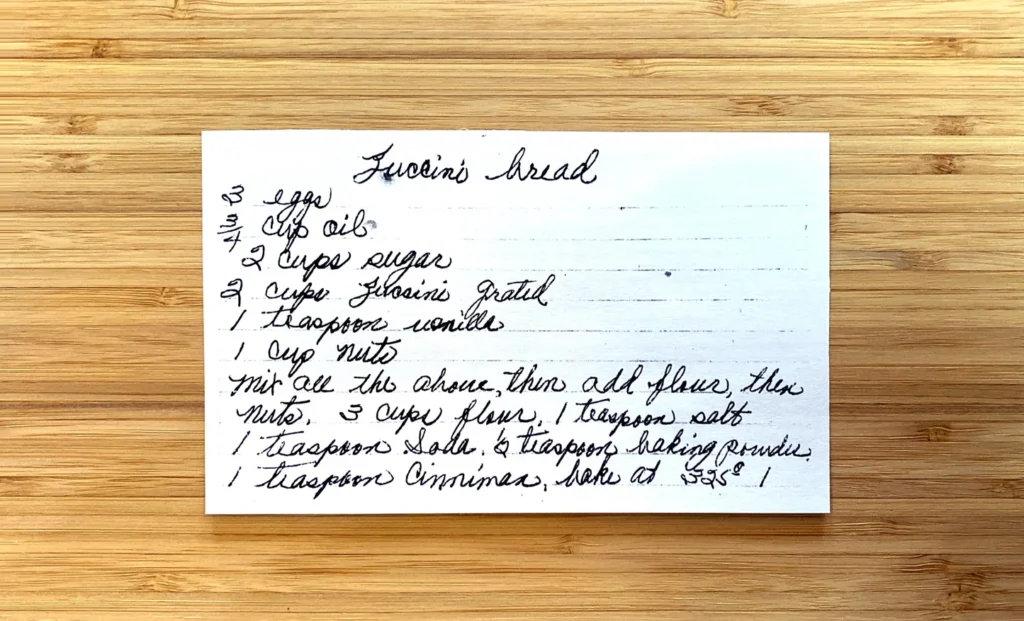
Handwritten recipes, particularly those that have been handed down over time, hold sentimental value that far exceeds that of a simple list of ingredients and instructions. They are tokens of love and care, often written in the margins of a cherished family cookbook or on a stained recipe card that has seen many years of use. These recipes are tied to specific moments in time—birthdays, holidays, family gatherings, and other celebrations where food was not just a meal but an experience shared among loved ones.
In families, recipes often become heirlooms, passed down from one generation to the next. The act of writing down a recipe by hand ensures that these traditions are not lost. The recipe may include personal notes, tips from the original cook, or stories about the origin of the dish, all of which contribute to its historical importance. Many people treasure these recipes as symbols of connection to their ancestors, feeling that by making the dish, they are not only continuing a tradition but also honoring the memory of those who created it.
The Importance of Mindful Cooking
In a time when fast food and ready-to-eat meals dominate the landscape of modern convenience, mindful cooking is making a comeback. This movement, which encourages individuals to slow down, engage with their food, and focus on the process of preparing a meal, aligns perfectly with the appeal of handwritten recipes. Cooking from a handwritten recipe, rather than following instructions on a screen, inherently encourages more focus and attentiveness.
When using a handwritten recipe, cooks are less likely to rush through the process. The act of reading and following each handwritten step encourages a slower, more deliberate approach. In contrast to the rapid scrolling of digital screens, a handwritten recipe creates a physical connection to the process, allowing individuals to immerse themselves in the rhythm of cooking. Whether it’s measuring out ingredients, stirring a pot, or watching the transformation of raw ingredients into a finished dish, the tactile experience of using a handwritten recipe can help people feel more connected to their food and the act of cooking.
Additionally, handwritten recipes can encourage experimentation and creativity. Unlike digital recipes, which are often structured and rigid, handwritten recipes can leave room for improvisation. The cook may feel inspired to adjust a spice, substitute an ingredient, or try a new technique based on their personal preferences or available resources. The very nature of handwriting invites flexibility, allowing the cook to personalize the recipe and make it their own. In this sense, handwritten recipes serve as a starting point for exploration and discovery, rather than a set of fixed instructions to follow.
A Return to Simplicity and Slow Living
The modern era has created a fast-paced lifestyle, where convenience often takes precedence over mindfulness. However, there is a growing movement of people embracing slow living, a lifestyle that prioritizes intentionality, sustainability, and simplicity. Handwritten recipes fit perfectly within this movement, as they are a reflection of a desire to slow down, appreciate the present, and engage deeply with one’s surroundings.
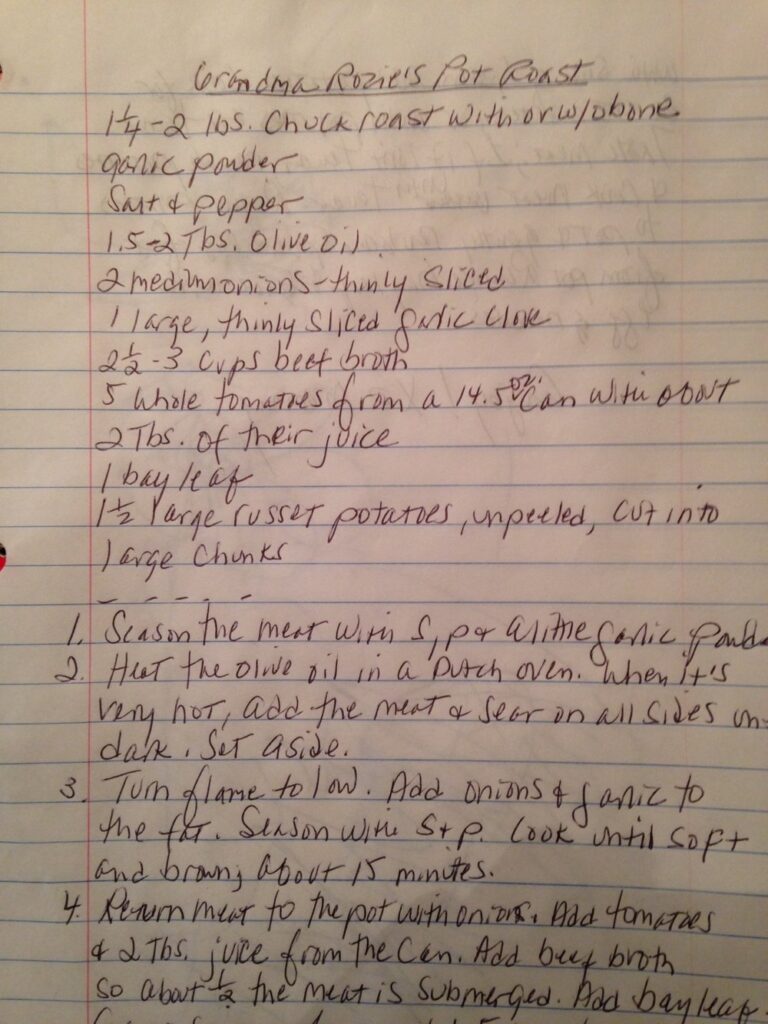
The act of handwriting a recipe and the ritual of cooking from it are both part of a larger desire to reconnect with simpler, more authentic experiences. Slow living advocates seek to reclaim the lost art of cooking—the kind of cooking that doesn’t rely on microwave meals or fast-food chains, but instead values the process of preparing food from scratch, often using fresh, local ingredients. Handwritten recipes, often tied to seasonal ingredients and traditional cooking methods, align perfectly with this mindset, offering an opportunity to engage with food in a more meaningful and sustainable way.
Moreover, in a world where digital overload has become a significant issue for many, taking a break from screens and embracing a more hands-on approach to cooking can be a form of digital detox. Handwritten recipes allow cooks to engage with the task at hand without the distractions of notifications, pop-up ads, or the temptation to check social media. By returning to handwritten recipes, people can cultivate a more focused and mindful cooking experience.
Preserving the Art of Handwriting
In addition to the practical reasons behind the return of handwritten recipes, there is also a cultural aspect at play. Handwriting is becoming a lost art in many parts of the world, as digital communication increasingly takes precedence over traditional forms of writing. However, there is a growing recognition of the importance of preserving this skill, both for personal enrichment and as a means of fostering deeper connections with others. Writing a recipe by hand is not just about recording information; it is about expressing oneself in a tangible, personal way.
For some, handwriting is a way to reconnect with their own creativity. The unique flow of one’s handwriting, the choice of words, and the overall appearance of the written recipe create an emotional connection that is absent in typed text. This connection is something that can be passed down through generations, turning each handwritten recipe into a piece of family history and personal identity.

Conclusion
In a world filled with digital distractions and technological conveniences, handwritten recipes have managed to make a powerful comeback. Whether it’s the personalization, the connection to family heritage, the joy of mindful cooking, or the growing embrace of slow living, handwritten recipes offer an experience that goes beyond the recipe itself. They are a celebration of tradition, creativity, and the timeless art of cooking. As more people seek to reconnect with their food, their heritage, and their own sense of self, handwritten recipes serve as a meaningful reminder of the importance of slowness, intention, and personal connection in our fast-paced world. In the end, the comeback of handwritten recipes is not just a nostalgic trend—it is a reflection of a deeper desire to live more intentionally, savor the present moment, and celebrate the simple pleasures of life.