
Most people think of food storage as an afterthought. It’s just tossing groceries into the fridge or pantry and hoping for the best. But how you store your food directly affects how much money you waste, how often you throw things away, and even how well you eat. In a time when grocery prices are climbing and sustainability matters more than ever, getting smart about storage is one of the simplest ways to make a real difference at home.
Food waste is a global issue, but it’s also a personal one. Households toss out tons of edible food every year, often because it spoiled before anyone had a chance to use it. The frustrating part? Much of that waste is avoidable. By changing how we store what we buy, we extend the shelf life of our food, keep it fresher longer, and reduce those forgotten leftovers and fuzzy fruit tragedies.
It’s not just about keeping things cold. Smart food storage is about strategy — knowing what needs air, what doesn’t, what lasts longer outside the fridge, and how to plan storage so you’re not just saving space, but actually improving your eating habits. Once you make food storage intentional, the impact is immediate and lasting.
The Link Between Storage and Savings
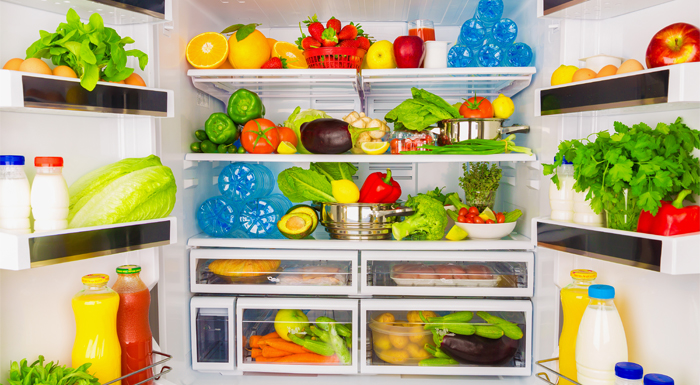
Every time food spoils in your kitchen, it’s money down the drain. Whether it’s produce you forgot in the crisper or meat that went bad too soon, poor storage translates into more frequent trips to the store and higher weekly expenses. It’s a slow leak in your budget that adds up fast.
Better storage practices stretch your dollar further. For instance, learning to store greens with a dry paper towel or keeping herbs in water like a bouquet can extend their usability by days, even a week. This gives you more time to cook what you planned and less pressure to scramble or replace spoiled ingredients. The result is fewer impulse purchases and less reliance on takeout when the fridge fails you.
There’s also the savings from buying in bulk. Many people avoid it because they worry food will spoil before they can finish it. But with smart storage techniques — vacuum sealing, freezing in portions, airtight containers — bulk buying becomes not just practical, but efficient. You get more for less without the stress of waste.
Reducing Waste Starts in the Fridge
The fridge is a graveyard for good intentions. You buy vegetables to eat healthier, but by the time you reach for them, they’re limp or moldy. Leftovers? They sit in the back until they smell like science experiments. It’s not that we don’t care — it’s that we don’t have a system.
Organizing your fridge with visibility and accessibility in mind can change that. If you can see what you have, you’re more likely to use it. Putting newer items behind older ones and dedicating a spot for leftovers helps ensure nothing gets lost or overlooked. This “first in, first out” habit mimics the way restaurants manage inventory, and it works just as well at home.
Another key? Understanding your fridge zones. The top shelf is often the warmest part, while the bottom drawers — designed for produce — maintain higher humidity levels. Storing meat on the lowest shelf prevents contamination, and dairy should go in the colder back sections. When food is kept in the optimal part of the fridge, it lasts longer, tastes better, and stays safe to eat.
Pantry Planning Makes Meals Easier
Pantries tend to become clutter zones filled with half-used bags of rice, expired cans, and snack boxes with nothing inside. But with just a little structure, your pantry can go from chaos to a real asset in your kitchen. Smart pantry storage isn’t about having more space — it’s about using the space you have more efficiently.
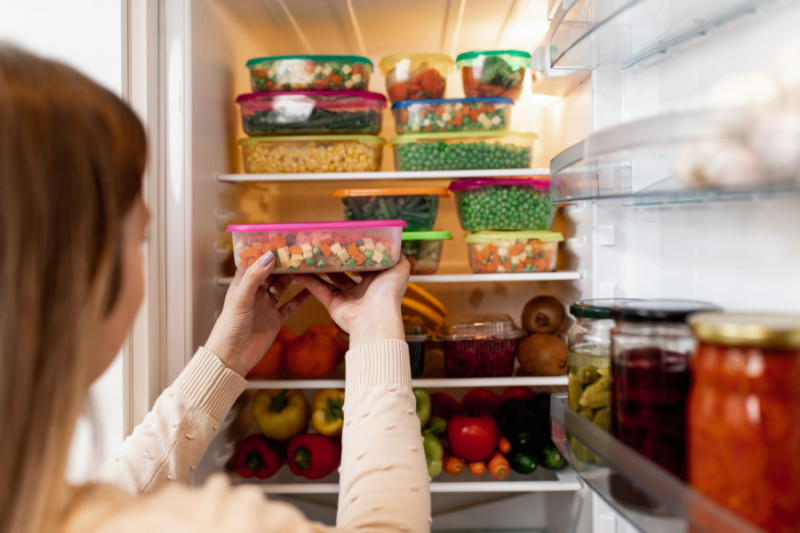
Labeling jars, grouping similar foods together, and placing frequently used items at eye level makes it easier to grab what you need and avoid overbuying. When you know what’s in your pantry, meal planning becomes less stressful and more creative. You can build dinners around what you already have instead of constantly starting from scratch.
One underrated trick is repackaging dry goods. Instead of leaving pasta or grains in flimsy plastic bags, transferring them into airtight containers keeps them fresh and deters pests. It also helps you actually see how much you have left, which cuts down on unnecessary duplicates.
A well-organized pantry helps you cook more at home, which not only saves money but often results in healthier meals. When food is easy to access and you know what you have, you’re more likely to make something nourishing instead of defaulting to takeout or skipping meals altogether.
Freezing Isn’t Just for Leftovers
Most people use their freezer like a holding pen for things they don’t want to deal with yet. Leftovers, old bread, forgotten bags of fruit — it becomes a cold junk drawer. But used right, the freezer is one of the most powerful tools in your kitchen.
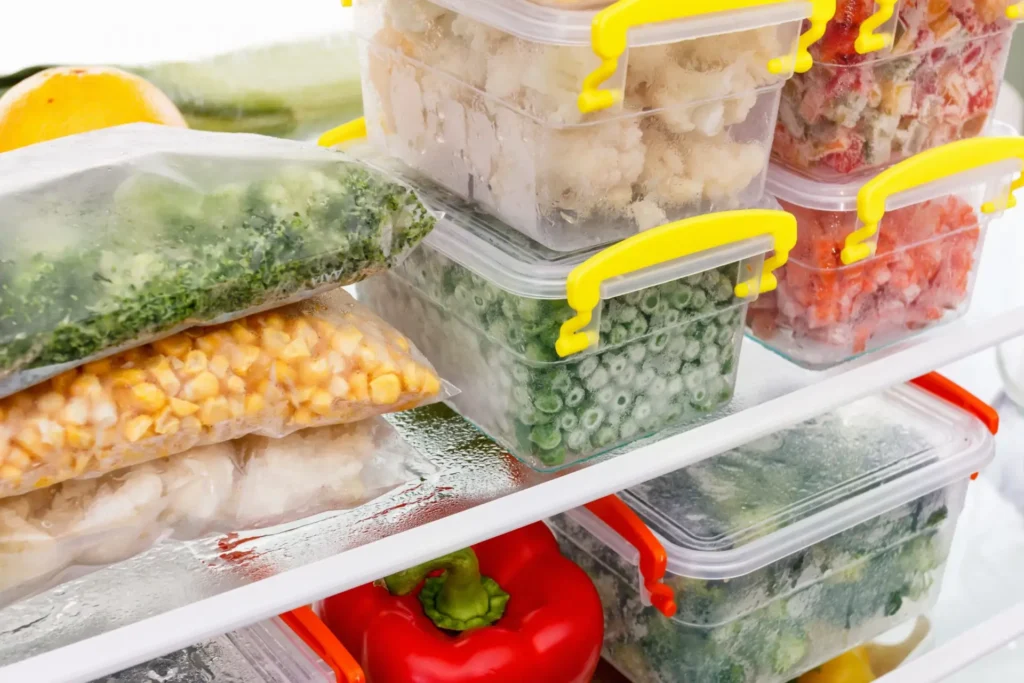
Freezing is a way to preserve food at its peak, not just delay its decline. Chopping extra produce and freezing it immediately, portioning out proteins, or even freezing herbs in oil are all ways to extend the life of your ingredients without losing quality. And contrary to myth, freezing doesn’t destroy nutrients — in fact, flash-frozen fruits and vegetables often retain more vitamins than “fresh” ones that have sat on shelves for days.
The key to freezing well is portion control and proper packaging. Freezer burn happens when air reaches the food, so using the right bags, removing excess air, and labeling everything with the date helps avoid that. Portioning meals into single servings before freezing also makes it easier to defrost only what you need, which reduces waste and speeds up prep on busy days.
Once you treat the freezer like an extension of your pantry rather than a dumping ground, it becomes a key player in your effort to eat better, waste less, and stay on budget.
Storage Habits That Support Healthier Eating
Healthy eating often fails not because of bad intentions, but because of bad timing. You might want to cook more or eat more vegetables, but if the ingredients go bad before you get to them, the plan falls apart. Strategic food storage bridges that gap between good intentions and real results.
When healthy options are prepped and visible, you’re far more likely to choose them. Washing and storing fruits and veggies in clear containers makes them more appealing and accessible. Prepping salad greens in advance or portioning out snacks keeps you from grabbing processed alternatives out of convenience.
There’s also the benefit of eating more seasonally and sustainably. Smart storage helps you extend the life of seasonal produce, allowing you to enjoy the flavors of peak harvest without racing the clock. And when you store foods properly, you reduce reliance on ultra-processed options because your kitchen is already set up to support fresh cooking.
Ultimately, good storage encourages good habits. It simplifies the process of eating well by removing barriers like spoilage, lack of planning, or last-minute decision fatigue.
Turning Good Storage Into a Lifestyle
Once you get the hang of smart food storage, it becomes second nature. You start thinking differently about what you buy, how you cook, and how you use what you have. It’s not about being perfect — it’s about being mindful.
You start noticing what goes uneaten and adjusting your shopping. You learn to prep foods in ways that fit your actual schedule, not some idealized version of your week. You waste less, spend less, and eat better because your kitchen is working with you, not against you.
The payoff is bigger than just cleaner shelves or fuller wallets. It’s a quieter kitchen where the stress of mealtime is replaced by confidence. It’s knowing you’re doing something good for your health and the environment without making drastic changes.
Smart food storage isn’t about becoming a master chef or hyper-organized minimalist. It’s about paying attention. It’s about treating your food like it matters, because it does. And when you do that, everything else — the money, the waste, the meals — gets better too.