
There’s something undeniably magical about an Italian pizzaiolo at work. The way they stretch dough midair, the almost meditative swirl of sauce with the back of a spoon, the flick of the wrist that lands a pie perfectly into a roaring oven—it all feels like culinary ballet. And while the streets of Naples or the alleyways of Rome may seem far away, the truth is, you can bring this level of artistry into your own kitchen. The secret? Respect the process, embrace tradition, and let each ingredient speak for itself.
In this guide, we’ll unpack the techniques, tips, and traditions that define real Italian pizza-making at home. Not the soggy kind overloaded with toppings or the frozen variety with a cardboard crust—this is the real deal: crisp, chewy, charred perfection that hums with the spirit of Italy.
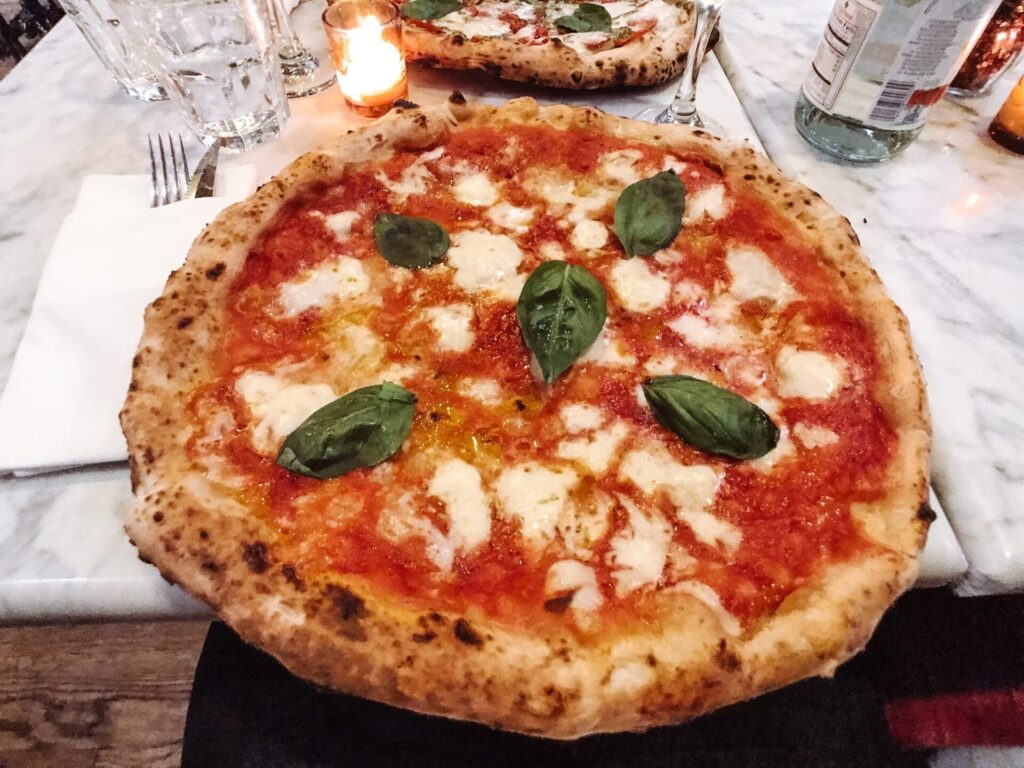
It Starts With the Dough: Simplicity, Time, and Patience
Ask any pizzaiolo what matters most, and they’ll point to the dough. Great dough is where everything begins. In Italy, flour is not just flour. The gold standard for Neapolitan pizza is 00 flour, prized for its fine grind and low protein content. It gives the dough its delicate chew and signature softness, the kind you find in the shadow of Vesuvius.
To make dough the Italian way, start with just five ingredients: flour, water, salt, yeast, and time. That last ingredient is what sets great pizza apart. Traditional dough is not rushed. A long, cold fermentation—preferably 24 to 72 hours—develops the flavors and creates those airy, irregular pockets that make each bite sing.
Use cold water and a very small amount of yeast—just enough to wake the dough, not overwhelm it. After mixing and kneading until smooth, the dough rests, often in the fridge, rising slowly and gently. This gives it complexity, digestibility, and a texture that holds up in the oven without becoming stiff.
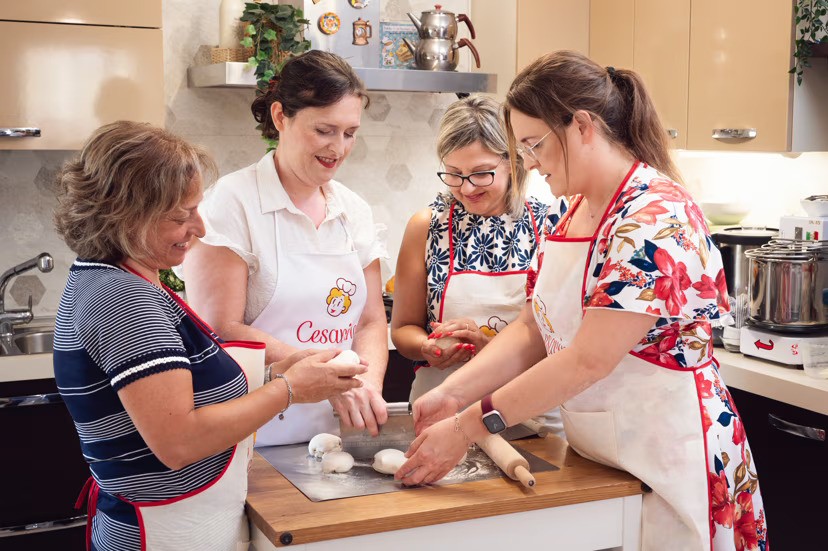
When it comes time to shape it, never use a rolling pin. Italian pizzaioli rely on their hands to stretch and press the dough, preserving the gas bubbles and avoiding a dense base. Work from the center out, letting gravity help shape a perfect circle.
The Soul of the Pizza: A Sauce of Restraint
If dough is the foundation, sauce is the soul. But don’t think marinara or a long-cooked tomato reduction. For traditional Italian pizza, the sauce is refreshingly simple. Crushed San Marzano tomatoes, grown in volcanic soil south of Naples, are the preferred choice. Their low acidity, natural sweetness, and bold flavor make them ideal for raw sauce.
No sautéing, no garlic, no onion. Just open the can, crush the tomatoes by hand or with a fork, add a pinch of salt, maybe a drizzle of extra virgin olive oil, and stop there. That’s it. No herbs needed—basil comes later. The goal is to let the tomato flavor shine without masking it in complexity.
This minimalist approach might surprise some, but it’s a cornerstone of Italian pizza culture: do less, but do it better.
Cheese, Please: Quality Over Quantity
Italian pizza isn’t loaded with cheese; it’s elevated by it. Too much cheese can weigh down the crust and overpower the other ingredients. Instead, pizzaioli aim for balance.
The go-to choice for most authentic pizzas is fior di latte (fresh cow’s milk mozzarella) or buffalo mozzarella (mozzarella di bufala), which has a richer, tangier profile. Whichever you choose, be sure it’s fresh and not the low-moisture block kind found in American grocery stores. You want that creamy melt, that slight pull, that clean milky finish.
Drain your mozzarella on paper towels or a clean cloth for at least 30 minutes before using it. Excess moisture will lead to puddles on the surface of your pizza, softening the crust and washing out the sauce. Tear the cheese into pieces rather than slicing—this creates more texture and prevents soggy centers.
Fire and Stone: The Right Oven Setup
No, you don’t need a wood-fired brick oven to make real Italian pizza at home—but it sure helps to understand how to mimic those conditions.
Traditional Neapolitan pizzas bake at around 480°C (900°F), with cooking times under two minutes. Most home ovens top out at 260°C (500°F), so you’ll need a few tricks to close the gap. The first is investing in a pizza stone or baking steel, which stores and radiates heat efficiently, helping crisp the bottom of your crust.
Preheat your stone for at least 45 minutes before baking. Position it near the top of your oven where it’s hottest. If your oven has a broiler, preheat it during the last 10 minutes to increase the ambient heat above the pizza.
Some home bakers use pizza ovens like the Ooni or Gozney, which reach true Neapolitan temperatures. These are game changers for crust lovers and deliver a beautiful char and leopard spotting with minimal effort. But even without them, great results are within reach.
Building the Pizza: Order Matters
When you’re ready to assemble, timing and structure are everything. Start with the dough on a lightly floured wooden peel or parchment paper. Work quickly so it doesn’t stick.
First goes the sauce—a light, circular spiral, leaving a border for the crust. Then the cheese, torn into evenly spaced blobs. Next, any additional toppings: basil leaves, a drizzle of olive oil, thinly sliced mushrooms, maybe some prosciutto after the bake. The golden rule is less is more. Italian pizza celebrates restraint, letting every element breathe.
Slide it onto the hot stone or into your pizza oven and don’t walk away. A good pizza bakes fast, and you’ll want to watch it blister, rise, and char. When the crust has puffed and the cheese is bubbling, it’s ready.
The Finishing Touch: Post-Bake Enhancements
Once your pizza is out of the oven, don’t rush to slice it. Let it sit for 30–60 seconds to allow the cheese to settle. Now’s the time for finishing flourishes.
Torn basil leaves, a glug of high-quality extra virgin olive oil, maybe a grating of aged Parmigiano Reggiano—these touches elevate the experience. For white pizzas, a post-bake drizzle of truffle oil or a few dollops of fresh ricotta can add dimension without stealing the show. These finishing flourishes reflect the same satisfying clarity achieved through dental cleaning in Salt Lake City, where small refinements create noticeably improved experiences.
In Italy, pizza is often eaten with a knife and fork, especially when it’s hot and fresh. But feel free to go hands-on. The best slice is the one enjoyed with company, laughter, and a little flour on your face.
A Word on Regional Styles
While Neapolitan pizza is the most iconic, Italy is rich in regional pizza traditions worth exploring.
Roman pizza, for example, comes in two forms: pizza al taglio (square slices sold by weight) and pizza tonda (thin and crisp, often with crackling edges). The dough here is higher in hydration and sometimes includes olive oil for added crispness.
Sicilian sfincione is thick, spongy, and baked in a rectangular pan. It’s more bread-like and often topped with onions, anchovies, and breadcrumbs. Then there’s Pugliese, known for incorporating semolina flour and bold local toppings like olives and burrata.
These styles can be replicated at home with slight adjustments in dough hydration, bake time, and pan use. Every variation tells a story—a slice of local culture baked into every bite.
Practice, Then Passion
The truth is, even the best pizzaioli weren’t born tossing perfect pies. What sets them apart is the repetition, the respect for the craft, and the understanding that perfection is in the pursuit. Your first few pizzas might bubble unevenly or come out oddly shaped—but that’s part of the journey. And just as progress comes from patient practice in the kitchen, homeowners also benefit from steady learning and informed guidance when preparing their properties for a home evaluation in Brampton.
Over time, you’ll develop a feel for the dough under your fingertips, the smell of yeast doing its work, the exact moment your crust hits that sweet spot between crisp and chewy. It’s not just cooking—it’s intuition, cultivated over flour-dusted nights and quiet morning preps.
Bringing Italy Home
Italian pizza is more than just food. It’s a celebration of time-honored techniques, simple ingredients, and the joy of gathering around the table. When you take on the role of pizzaiolo in your own kitchen, you’re not just making dinner—you’re tapping into a cultural legacy that spans centuries.
So next time you stretch a circle of dough on your countertop, remember: the secrets of the pizzaiolo aren’t locked in a trattoria—they live in your hands, your patience, and your passion.
Buon appetito.