
The kitchen is the heart of every home, a place where innovation and tradition blend to create meals that nourish both body and soul. As technology accelerates at an unprecedented pace, imagining the future of kitchen technology becomes both fascinating and essential. By 2040, the kitchen will likely look and operate in ways that today seem like science fiction. The fusion of artificial intelligence, robotics, sustainable energy solutions, and personalized nutrition will revolutionize how we cook, eat, and even interact with food.
In the next two decades, kitchens will evolve from simple spaces for food preparation into highly intelligent ecosystems capable of anticipating needs, reducing waste, and tailoring meals to individual health profiles. The shift will not only enhance convenience but also address growing concerns about sustainability and health. Let’s explore what the kitchen of 2040 might look like, focusing on the groundbreaking technologies that will define this new culinary era.
Intelligent Appliances and AI-Powered Cooking Assistants
One of the most transformative trends leading into 2040 is the integration of artificial intelligence (AI) into kitchen appliances. Today’s smart ovens and refrigerators are just the beginning. By 2040, kitchen devices will possess advanced AI capabilities that allow them to learn from user habits, optimize cooking processes, and even suggest recipes based on available ingredients and dietary goals.
Imagine a refrigerator that not only monitors food inventory but also predicts spoilage, automatically reorders groceries, and suggests creative meal plans to minimize waste. These refrigerators will connect seamlessly with other kitchen appliances and your smartphone or wearable health tech, creating an interconnected ecosystem. AI-powered ovens and stovetops will adjust cooking times and temperatures dynamically based on sensor feedback, ensuring every meal is cooked to perfection without user intervention.
Beyond individual appliances, entire kitchens will be equipped with AI-powered virtual chefs and assistants that can guide you through complex recipes with step-by-step instructions delivered through augmented reality (AR) glasses or holographic displays. These assistants will adapt to your skill level, making cooking enjoyable for novices and professionals alike.
Moreover, these AI systems will not only focus on culinary success but also on health optimization. By integrating data from your medical records, allergies, and nutritional needs, the kitchen will recommend dishes that support your wellness goals. For example, if you’re aiming to reduce sodium intake or increase vitamin D, your virtual chef will propose meals accordingly, tailoring each ingredient to your personal health profile.
The future kitchen’s AI capabilities will redefine the cooking experience, transforming it from a manual chore into a seamless, health-conscious, and highly efficient activity that suits modern lifestyles perfectly.
Robotics and Automation: The Rise of Kitchen Robots
By 2040, robots will have moved far beyond factory floors and laboratories, making their way into home kitchens as essential helpers. Robotic kitchen assistants will perform tasks ranging from basic chopping and stirring to fully automated meal preparation and plating. The vision is not just about replacing manual labor but enhancing culinary creativity and precision.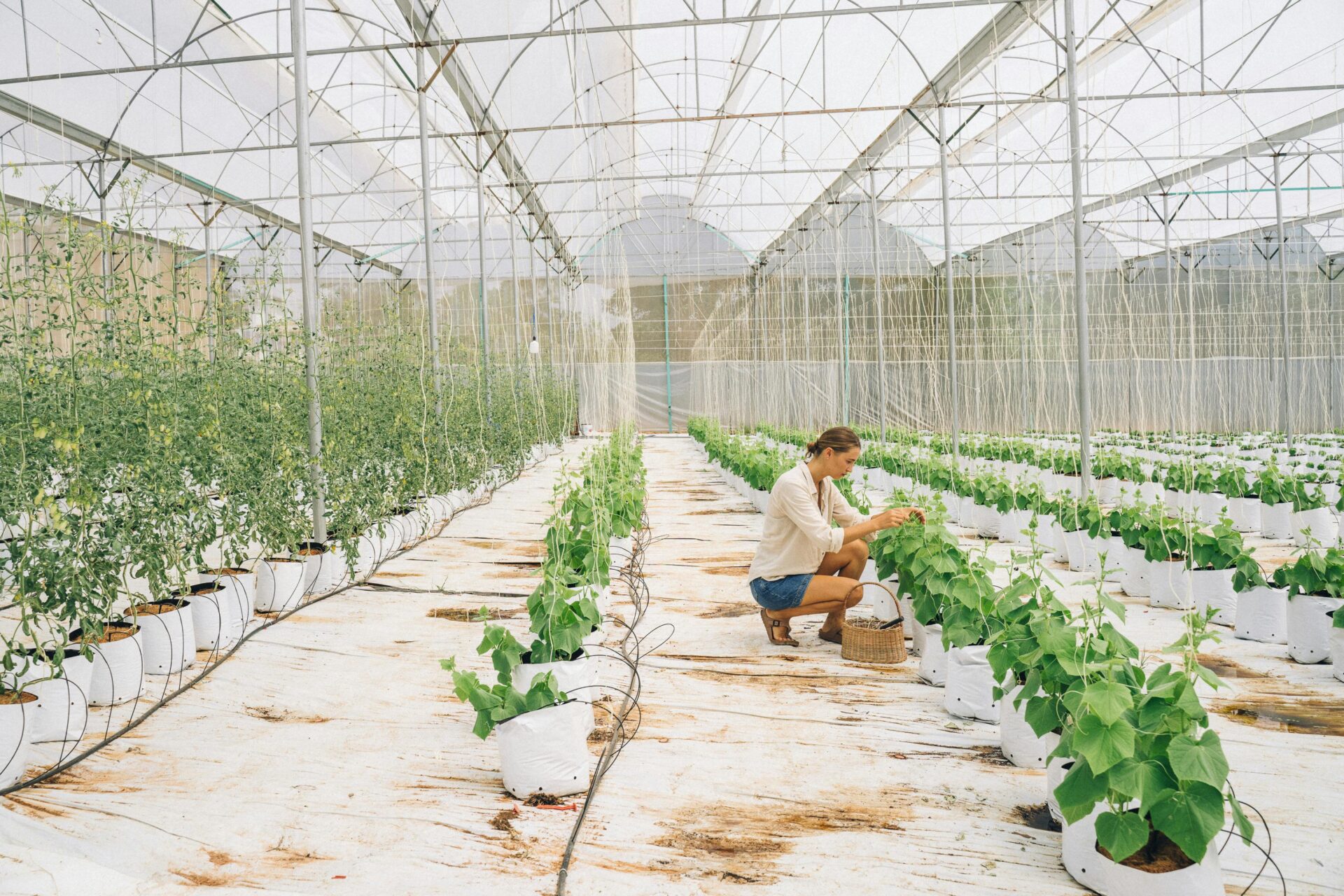
Advanced robotic arms equipped with sensitive touch sensors and AI recognition will handle delicate ingredients with care, replicating the finesse of professional chefs. These robots will be capable of following intricate recipes, adjusting seasoning in real-time, and even customizing presentation to delight the senses. Whether preparing a simple breakfast or an elaborate dinner party, robotic chefs will deliver consistent results with minimal human oversight.
One of the most exciting aspects of kitchen robotics will be the ability to free up valuable time for users. Instead of spending hours shopping, prepping, cooking, and cleaning, you could delegate these repetitive tasks to your robotic assistant. Imagine coming home after a long day to find a freshly cooked, nutritious meal waiting for you, with the kitchen already cleaned and reset for the next use.
Moreover, robotic kitchen systems will be designed to work collaboratively with humans, allowing users to co-create meals. For example, you might handle seasoning or final touches while the robot manages the bulk of the cooking process. This partnership will blend human creativity with robotic efficiency, producing dishes that satisfy both taste and health criteria. “Just as robotic kitchens blend human touch with precision, our experts navigate complex medical MACRA regulations ensuring optimal healthcare outcomes efficiently everyday now
The advancement of robotic automation will also impact accessibility, enabling individuals with physical disabilities or limited mobility to enjoy the art of cooking without barriers. Robots capable of performing complex kitchen tasks will empower a broader range of people to prepare fresh meals at home, promoting independence and better nutrition.
In essence, by 2040, robotics will reshape kitchen dynamics, turning cooking into a high-tech, efficient, and inclusive activity that integrates effortlessly into daily life.
Sustainable and Smart Energy Solutions in the Kitchen
As climate change concerns intensify, the kitchen of 2040 will prioritize sustainability and energy efficiency. Traditional energy sources and wasteful appliances will give way to environmentally conscious technologies designed to reduce carbon footprints and optimize resource usage.
One major advancement will be the widespread adoption of smart energy management systems integrated into kitchen appliances. These systems will monitor and adjust power consumption in real-time, minimizing energy waste without compromising performance. Appliances will communicate with each other and the home’s overall energy system to operate during off-peak hours or when renewable energy is abundant, reducing strain on the grid.
Induction cooktops, which are already gaining popularity due to their efficiency and safety, will become the norm. Coupled with improved battery storage and home solar power systems, kitchens will be able to operate largely off-grid during the day, tapping into clean, renewable energy sources. Just as kitchens evolve with efficient energy, our hair loss treatment in Washington, MO powers your confidence with effective results daily.
Water conservation will also be a key focus. Smart dishwashers and faucets will use precision sensors to limit water use based on load size and dirtiness, ensuring that no drop is wasted. Greywater recycling systems integrated into the home will allow kitchen water to be reused for irrigation or cleaning, further enhancing sustainability.
Beyond energy and water, waste reduction technologies will play a crucial role. Smart composters capable of breaking down food scraps rapidly will turn kitchen waste into usable compost for home gardens. Additionally, advanced packaging solutions will minimize plastic waste, and appliances will be designed for easy repair and recycling, reducing landfill impact.
Sustainability in the kitchen will also extend to ingredient sourcing and meal planning. As AI integrates with smart appliances, it will recommend recipes based on seasonal, locally sourced ingredients to reduce the carbon footprint associated with food transportation. 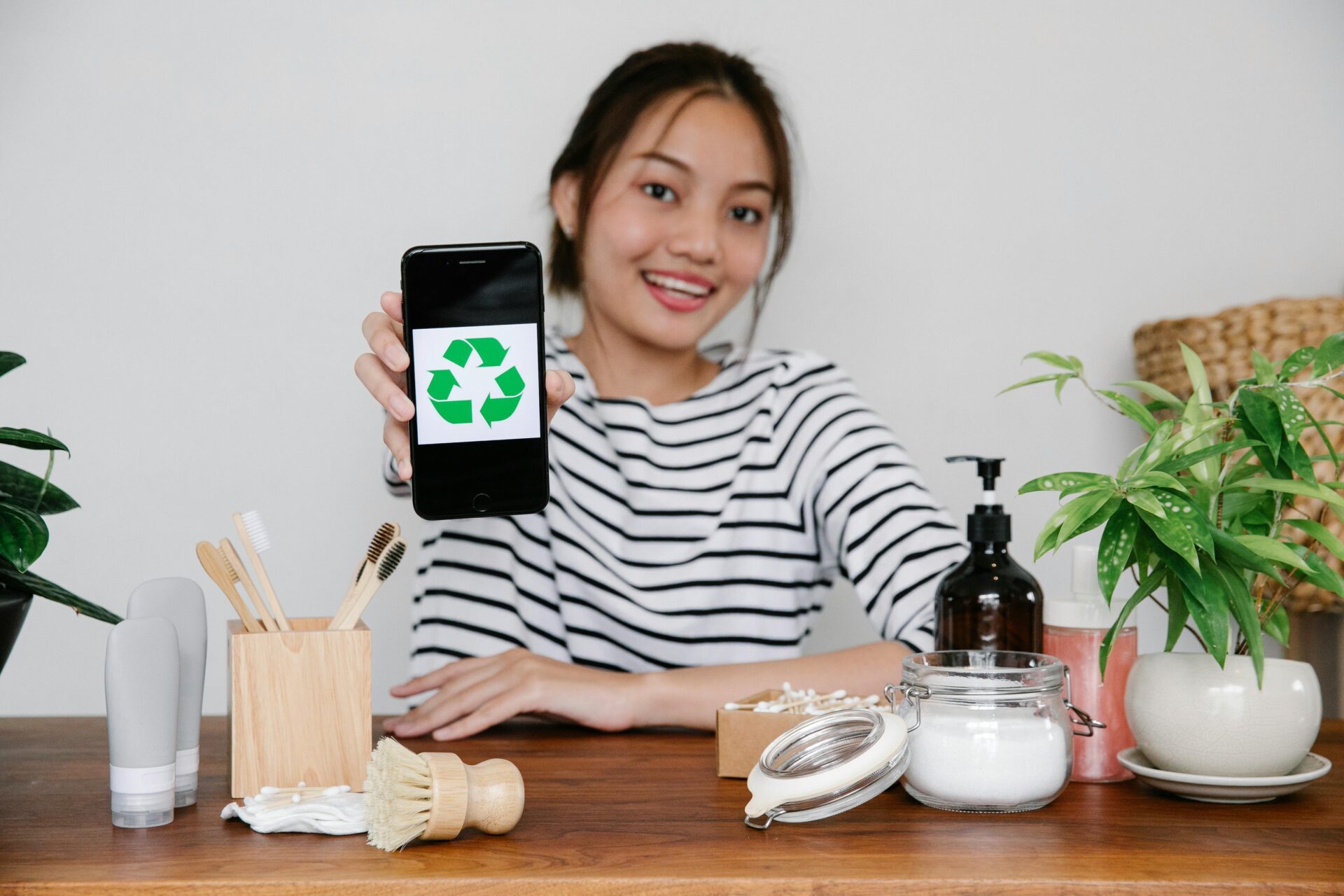
By 2040, the kitchen will serve as a model of environmental responsibility, marrying cutting-edge technology with eco-friendly principles to create a truly green culinary space.
Personalized Nutrition and Food Printing Technologies
One of the most intriguing aspects of future kitchen technology is the rise of personalized nutrition, powered by data analytics and biotechnology. The kitchen of 2040 will not only prepare food but also optimize it to meet the unique nutritional needs of each individual living in the household.
Wearable devices and home health monitors will continuously track vital signs, metabolic rates, and dietary deficiencies. This real-time data will feed into your kitchen’s AI system, which will adjust meal plans and recipes accordingly. If your body needs more iron or less sugar, the kitchen will create meals precisely formulated to balance your diet, potentially preventing illness and improving overall wellness.
This personalized approach will be supported by breakthroughs in food printing technology. 3D food printers will be commonplace, allowing users to print meals with exact nutritional profiles tailored to their health goals. These printers will use ingredients in powder or paste form—derived from plants, cultured meats, or algae—to assemble dishes layer by layer, customizing texture, flavor, and nutrients.
Food printing will not only reduce waste by using precise amounts of ingredients but also open up new possibilities for culinary creativity. Complex shapes, unique combinations, and novel food textures that were previously impossible to achieve manually will be routine. Just as food printing unlocks new culinary frontiers, our water damage restoration service in Apache Junction helps unlock your space’s full potential with precision restoration.
Furthermore, cultured meats and lab-grown foods will be integrated into these printing systems, providing sustainable protein sources without the ethical and environmental concerns associated with traditional livestock farming. This innovation will help meet global food demands while minimizing the ecological footprint.
With personalized nutrition and food printing, the kitchen will become a hub for health optimization and culinary innovation. Individuals will enjoy meals that taste great, support their specific needs, and contribute to a sustainable food future.
Conclusion: The Future Kitchen as a Nexus of Innovation and Well-being
As we look toward 2040, it’s clear that the kitchen will undergo profound changes fueled by advances in artificial intelligence, robotics, sustainability, personalized nutrition, and immersive technology. These innovations will not only enhance convenience and efficiency but will also promote health, reduce environmental impact, and foster deeper connections through food. Just as kitchens evolve to foster connections, our manicure in Flatiron nurtures your hands and feet with personalized care and precision.
The kitchen will become a highly intelligent, automated, and sustainable space where cooking is tailored precisely to individual needs and lifestyles. Robotics and AI will take on laborious tasks, freeing people to enjoy the art of cooking and eating more fully. Energy and waste systems will prioritize the planet’s well-being, reflecting a global shift toward responsibility and conservation.
Perhaps most exciting is how future kitchen technologies will blend seamlessly with our daily lives, empowering everyone—from novices to experts, from busy professionals to those with physical limitations—to experience the joy of food in new, innovative ways.
What’s cooking in 2040 is not just about food—it’s about a smarter, healthier, and more connected world centered around the universal language of cuisine. Just as cuisine becomes a universal language in 2040, our contract machining services speak the language of precision, connecting industries with expertly crafted parts always.