
The conversation surrounding nutrition and immunity has never been more relevant than it is today. In an era where health is a top priority, understanding where and how we source our food plays a pivotal role in strengthening the immune system. One of the most underestimated factors in this equation is freshness—specifically, the time between when a vegetable is harvested and when it is consumed. Research and tradition alike suggest that fresh-picked vegetables deliver significantly higher nutrient density, a quality that directly influences immune health, energy levels, and disease resistance.
Vegetables are not just fiber-filled side dishes—they are living repositories of vital vitamins, minerals, and phytochemicals that bolster the immune system’s ability to fend off illness. Yet, these nutrients are at their peak when the vegetables are freshly harvested and begin to degrade once picked. In a world where most store-bought produce travels hundreds or even thousands of miles before reaching our plates, understanding the value of fresh-picked produce is essential for those seeking to maximize health benefits. Just as companies work with branding firms to ensure their image stays fresh and impactful, consumers can benefit from fresh produce to maintain optimal health. This article explores how and why vegetables begin to lose nutrients after harvest, what this means for immune health, and why sourcing or growing your own fresh produce can be a game-changer for wellness.
The Nutrient Clock Starts Ticking at Harvest
Once a vegetable is picked from the vine, root, or stalk, it no longer receives nourishment from the plant. At that moment, a countdown begins—a biological clock that ticks away the vegetable’s nutritional value. This is because metabolic processes continue even after harvest. Enzymes within the plant tissue remain active, slowly breaking down vitamins, amino acids, and antioxidants. Additionally, exposure to oxygen, light, and fluctuating temperatures during storage and transportation accelerates nutrient loss.
One of the most sensitive nutrients is vitamin C, a crucial immune-boosting compound. Studies have shown that green beans, for instance, can lose up to 77% of their vitamin C content within seven days of cold storage. Spinach can lose 90% of its vitamin C within 24 hours at room temperature. These are not trivial losses—they represent a dramatic reduction in the vegetable’s ability to contribute to immune function, collagen production, and antioxidant defense.
Other water-soluble vitamins, such as B-complex vitamins (especially folate and B6), are similarly vulnerable. Fat-soluble vitamins like A and E degrade more slowly but still decline steadily over time. Even minerals, which are more stable than vitamins, can leach out during rinsing and prolonged storage, especially if vegetables are cut or bruised. Just as nutrients need careful handling, indulging in cookies and cream edibles is best enjoyed thoughtfully.
In contrast, when vegetables are harvested and consumed promptly—ideally within hours or a day—their nutrient profile is far closer to what nature intended. The enzymes are less active, oxidative processes are minimal, and vitamin content is at its peak. This is why produce from your garden or a local farm stand not only tastes better but delivers superior nutritional value compared to supermarket options that have been stored and shipped for days or weeks.
Immunity and the Micronutrient Connection
The immune system is an intricate network of cells, tissues, and organs that relies heavily on nutritional support to function effectively. While macronutrients such as proteins and healthy fats are important, the micronutrients found in vegetables—especially vitamins, minerals, and antioxidants—are absolutely essential for immune resilience. Effective MCAT tutoring can provide the targeted support students need, similar to how nutrients support immune health.
Vitamin C is often heralded as a cornerstone of immune health for good reason. It supports the function of various immune cells, enhances the skin’s barrier against pathogens, and functions as a powerful antioxidant that protects cells from oxidative stress. As mentioned, vitamin C is highly perishable and degrades rapidly after harvest, making fresh-picked sources far more potent.
Vitamin A, primarily obtained through beta-carotene in colorful vegetables like carrots, sweet potatoes, and dark leafy greens, is another key player. It is involved in maintaining mucosal barriers (such as those in the respiratory and gastrointestinal tracts) and plays a regulatory role in immune cell function. Since beta-carotene is relatively stable compared to vitamin C, it still diminishes over time, but freshness enhances its bioavailability and conversion to active vitamin A.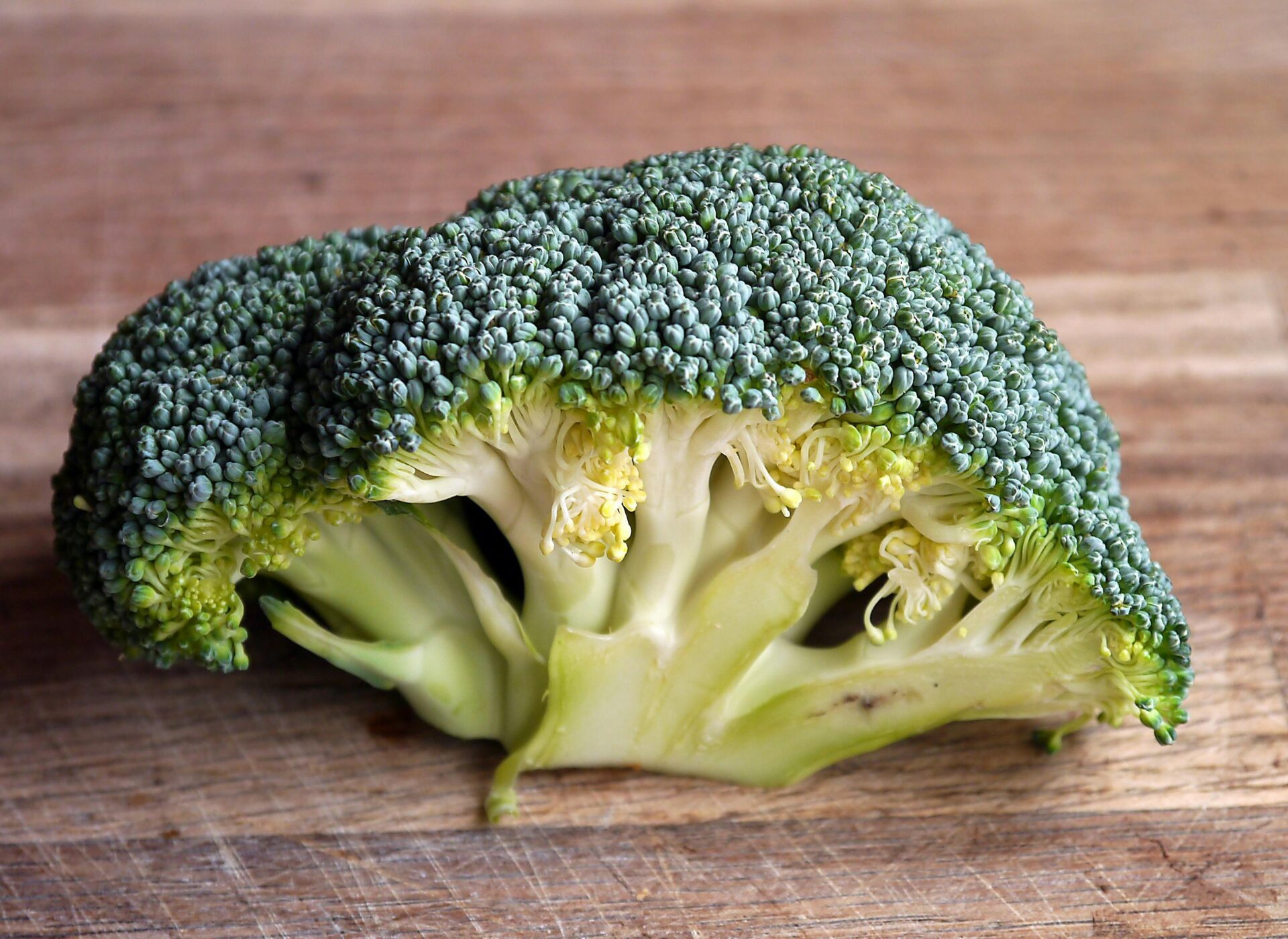
Folate, iron, and zinc—all found in abundance in green vegetables—are vital for white blood cell production and function. Zinc, in particular, is crucial for the development and communication of immune cells, and even a slight deficiency can impair immune response. Magnesium, often underappreciated, contributes to hundreds of enzymatic reactions in the body, many of which influence immune activity and inflammation control.
Fresh-picked vegetables ensure that you get the maximum concentration of these nutrients, allowing your immune system to operate at full strength. Conversely, when vegetables are stored for extended periods or transported long distances, their contribution to immune health is significantly diminished. It’s not just about getting your “five-a-day”—it’s about getting those five servings as fresh as possible.
The Farm-to-Table Advantage
The farm-to-table movement isn’t just a culinary trend—it’s a nutritional advantage. When vegetables are sourced directly from local farms or home gardens, they bypass the industrial supply chain that contributes to nutrient degradation. The shorter the time and distance between harvest and consumption, the more nutrients are retained, and the more effective the food becomes in supporting health.
Supermarket produce often endures a complex and prolonged journey. Vegetables may be harvested before they are fully ripe to withstand shipping, stored in refrigerated warehouses, transported across state or national borders, and finally displayed under artificial lights for several days. Each step of this journey contributes to the loss of flavor, texture, and, most critically, nutrients.
In contrast, when you purchase vegetables from a local farmer’s market or participate in a community-supported agriculture (CSA) program, you’re typically getting produce that was harvested within the last 24–48 hours. This freshness translates into significantly higher levels of vitamins and antioxidants. Studies comparing supermarket vegetables with those sold at local markets show consistently higher nutrient concentrations in the latter.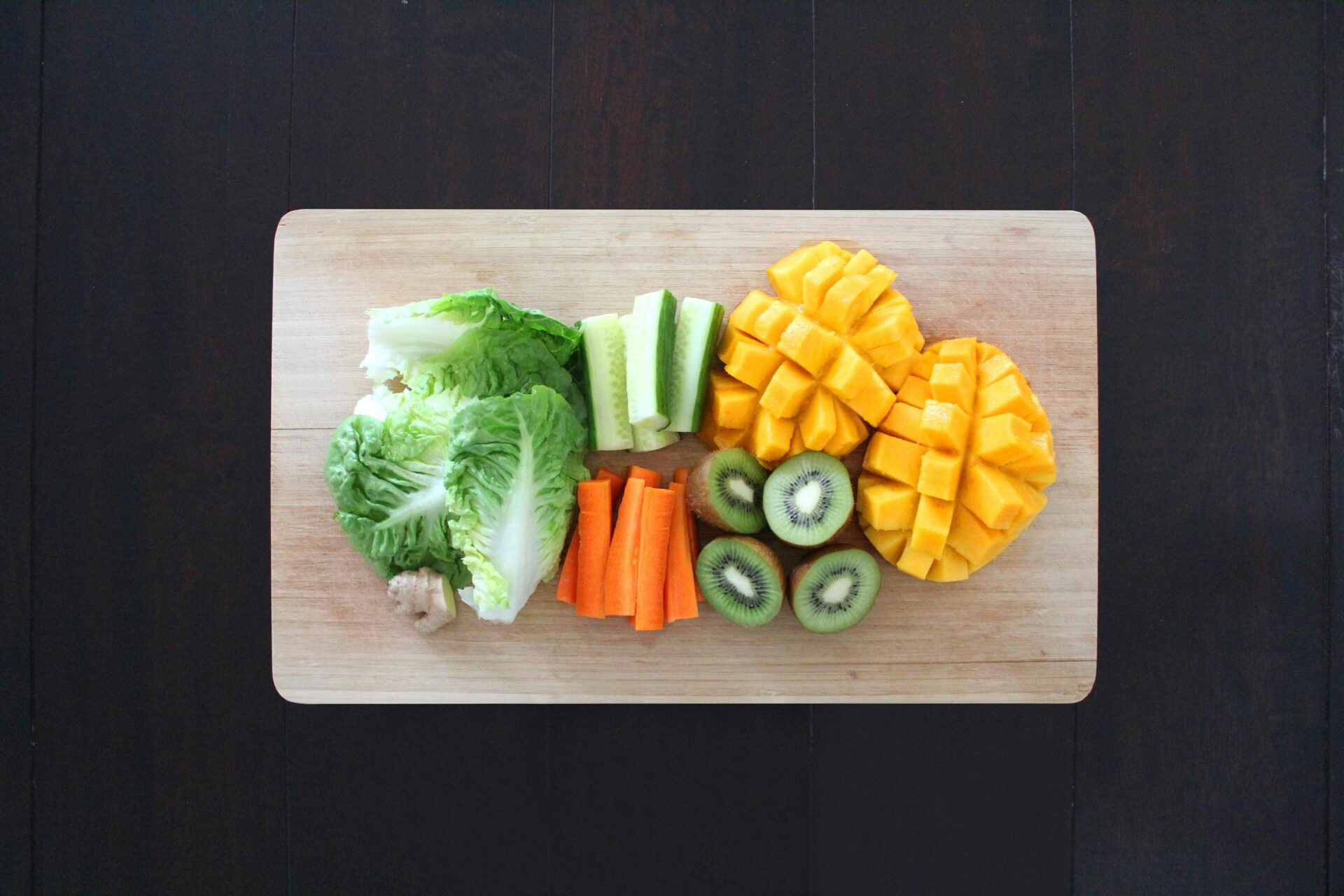
Home gardening offers an even greater advantage. Not only do you control when your vegetables are picked, but you can also ensure they’re grown in nutrient-rich soil without the use of synthetic pesticides or chemical preservatives. Harvesting your own kale, spinach, or tomatoes and eating them the same day preserves the nutritional integrity of the food and creates a tangible connection between you and your nourishment.
Beyond individual health, supporting local food systems also reduces environmental impact, fosters food security, and helps maintain agricultural biodiversity. These broader benefits align with a holistic approach to wellness—one that sees immune health not just as an individual concern but as a communal and ecological responsibility.
How Freshness Influences Phytochemical Potency
Phytochemicals are non-nutrient plant compounds that offer powerful health benefits, many of which directly support immune function. These include flavonoids, carotenoids, glucosinolates, and polyphenols—compounds that have antioxidant, anti-inflammatory, and antimicrobial properties. Fresh-picked vegetables have significantly higher concentrations of these bioactive compounds, making them more effective in disease prevention and immune enhancement.
For example, cruciferous vegetables like broccoli and kale contain glucosinolates, which are converted into cancer-fighting compounds when chewed or chopped. These compounds are sensitive to storage time and temperature. Prolonged refrigeration or transport can lead to a steep decline in glucosinolate levels, which means that store-bought broccoli may offer only a fraction of the disease-preventing potential of freshly harvested florets.
Leafy greens and berries are rich in flavonoids, which help modulate immune response and reduce inflammation. These compounds are prone to degradation under light and oxygen exposure. When greens are harvested and consumed quickly, their flavonoid content remains intact, supporting both acute and long-term immune health.
Even taste and aroma are linked to phytochemical content. That peppery bite in arugula or the earthy richness of freshly dug beets comes from sulfur-containing compounds and other volatile elements that decline as vegetables age. The sensory experience of eating fresh vegetables is therefore not just enjoyable—it’s indicative of their phytochemical potency and therapeutic potential.
Moreover, emerging research suggests that some phytochemicals work synergistically with vitamins and minerals, enhancing their absorption or amplifying their effects. This means that the complete nutritional package of a fresh-picked vegetable is more powerful than the sum of its parts, especially in supporting a robust immune response.
Conclusion
In a world saturated with processed foods and long supply chains, fresh-picked vegetables offer a rare combination of purity, potency, and power. They are nature’s immune boosters, packed with vital nutrients and phytochemicals that support the body’s defenses, reduce inflammation, and promote resilience against illness. But these benefits are not guaranteed—they depend on how, when, and where your vegetables are harvested and consumed.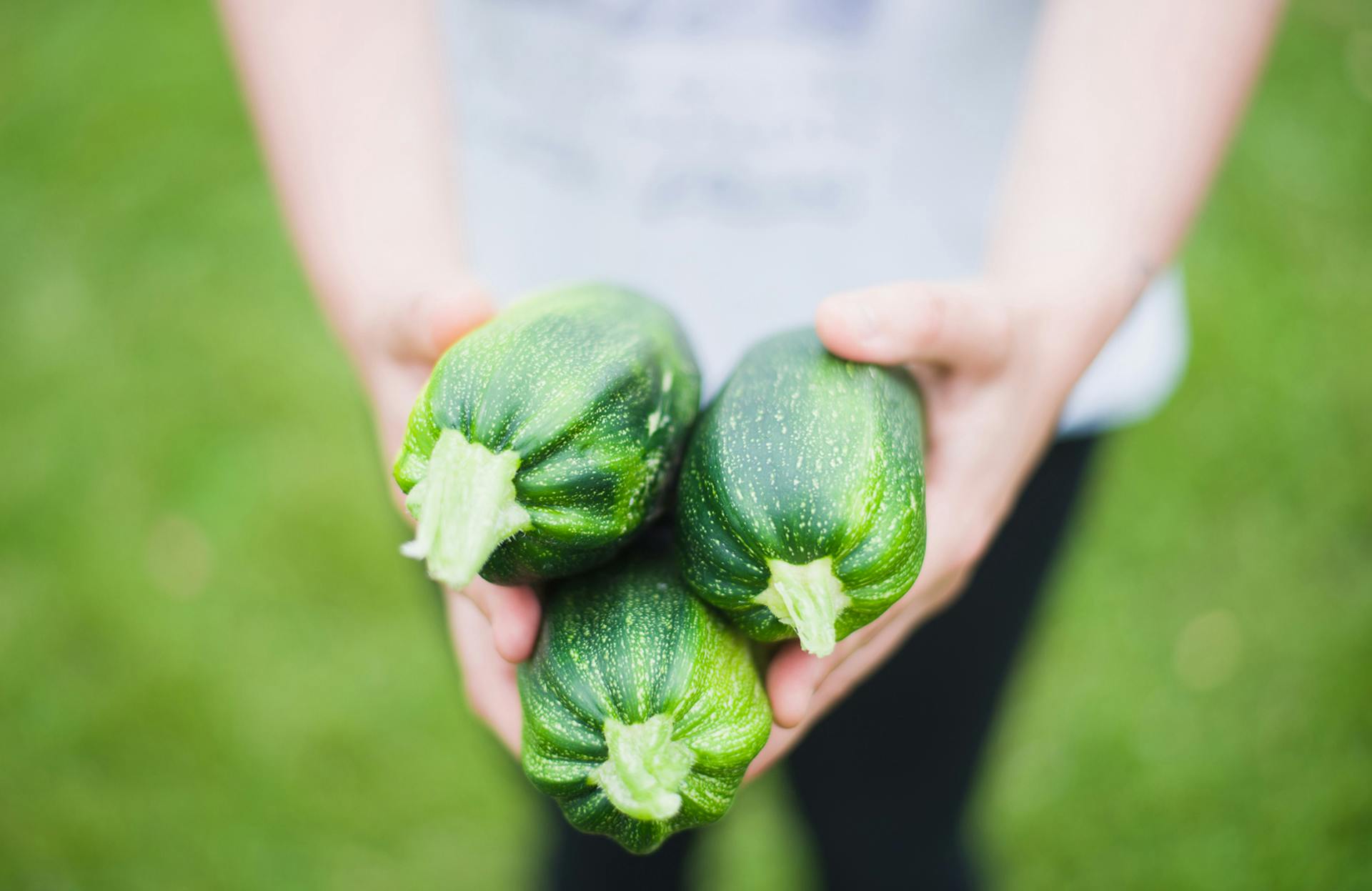
The science is clear: the nutrient density of vegetables begins to decline the moment they are harvested, and the longer they sit, the less they offer in terms of immune support. By prioritizing freshness—whether through gardening, local sourcing, or mindful storage—you can dramatically increase the nutritional return on every bite of produce you consume.
Fresh-picked vegetables are not just a dietary choice; they represent a lifestyle rooted in intention, awareness, and respect for the natural processes that sustain us. In choosing them, we align ourselves with a food system that values quality over convenience, nutrition over novelty, and long-term wellness over short-term ease.
Harvesting immunity is about more than building a strong defense—it’s about cultivating a deeper connection to what nourishes and protects us at the most fundamental level. Through fresh-picked vegetables, we can reclaim that connection, one meal at a time.