
Step into any Korean home or restaurant, and your eyes will immediately be drawn to the vibrant spread of small dishes laid out across the table. These aren’t appetizers or afterthoughts—they’re banchan, the soul of the Korean dining experience. These flavorful, colorful side dishes accompany nearly every Korean meal, transforming even the simplest bowl of rice into a rich, layered feast. And while the variety and depth of banchan may seem intimidating, recreating them at home is not only possible—it’s deeply rewarding.
Banchan represents more than just food. It’s an invitation to explore Korea’s culinary traditions, emphasizing balance, preservation, community, and creativity. There’s no single recipe to define banchan, and that’s part of its magic. From fermented vegetables to lightly seasoned greens, pan-fried morsels to sweet, braised roots, each dish offers a unique voice in a larger symphony of taste and texture.
Understanding the Banchan Philosophy
Banchan isn’t meant to be the main course—it exists to complement and elevate it. Yet paradoxically, these small plates often steal the spotlight. The variety can be overwhelming for the uninitiated, but at its heart, banchan is about balance. You might find something spicy next to something pickled, followed by a touch of sweetness, and then a light, cleansing bite. It’s a rhythm that keeps your palate engaged, constantly circling between textures, flavors, and temperatures.
Korean meals emphasize harmony and seasonality. Banchan reflects that, encouraging home cooks to use what’s fresh and local. It also offers an opportunity to practice the art of fermentation, sautéing, blanching, and braising—all essential to Korean cuisine.
Kimchi: The Queen of All Banchan
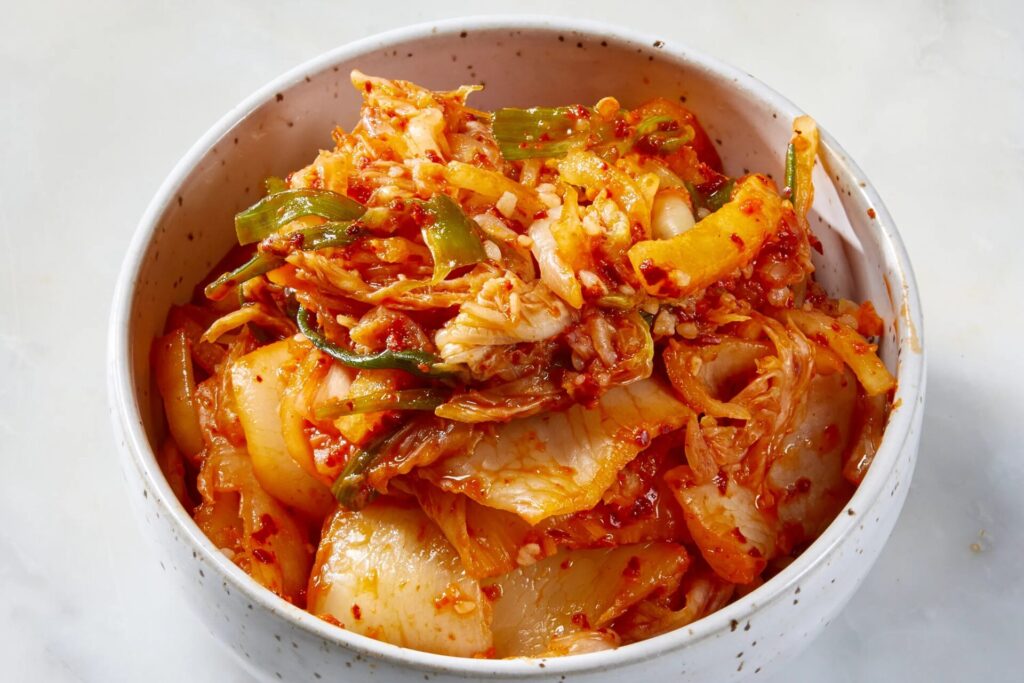
No discussion of banchan could begin without kimchi, Korea’s most iconic fermented dish. At its core, kimchi is fermented napa cabbage or radish, but that modest description belies its complexity. The traditional baechu kimchi is made with salt-brined cabbage, gochugaru (Korean red chili flakes), garlic, ginger, fish sauce, and scallions. But regional and seasonal variations abound—from watery dongchimi to fiery kkakdugi made with cubed radish.
Making kimchi at home is a gateway into Korean culinary practice. It involves patience, precision, and trust in the transformative power of time. Once fermented, kimchi becomes not just a side dish but a base for countless stews, pancakes, and rice dishes. It’s bold, unapologetic, and alive in every sense of the word.
Namul: Simplicity in Seasoned Greens
Namul refers to lightly seasoned vegetable dishes, usually blanched or stir-fried, and dressed with sesame oil, garlic, soy sauce, or vinegar. What seems simple in execution reveals depth in flavor when made with care.
Spinach namul, or sigeumchi namul, is perhaps the most widely known. Fresh spinach is briefly blanched, shocked in cold water, then gently squeezed and seasoned. The result is tender, vibrant, and nutty. Other common namul varieties include bean sprout namul, bellflower root (doraji), and fernbrake (gosari). Each offers its own texture and story—soft, crunchy, earthy, or chewy.
What makes namul stand out is its respect for the main ingredient. These dishes are not disguised with sauces or heavy spice. Instead, they highlight the vegetable’s natural character, allowing it to shine with just a few thoughtful touches.
Jeon: Korean-Style Savory Pancakes
Jeon are savory pancakes or fritters that appear often in banchan spreads, especially during holidays and family gatherings. They’re usually dipped in flour and egg before pan-frying, creating a lightly crisp exterior and a soft, warm center.
There are many varieties. Pajeon features green onions and sometimes seafood like squid or shrimp. Kimchi jeon uses aged kimchi to create a tangy, spicy, addictively chewy pancake. More delicate are hobak jeon (zucchini slices) or saengseon jeon (white fish), showcasing subtlety and balance.
Jeon is comfort food. It’s cooked with rhythm and repetition, best served hot from the pan, dipped into a vinegar-soy sauce blend. Making them at home connects you to Korean holiday traditions, rainy-day rituals, and late-night cravings.
Jorim: Braised and Glazed Goodness
Jorim refers to foods simmered in soy-based sauces until deeply flavored and slightly reduced. These banchan are rich and satisfying, often eaten in small amounts due to their intensity.
Gamja jorim, or braised potatoes, is a beloved favorite. Chunks of potato are simmered in a sweet-savory mix of soy sauce, sugar, garlic, and sesame oil until the sauce thickens and glazes each bite. The texture becomes luscious, almost sticky, with a whisper of caramelization.
Other jorim variations include tofu jorim—pan-fried tofu in a spicy soy-based sauce—and jangjorim, a beef or egg dish simmered in a salty soy marinade. These dishes often keep well in the fridge, developing more flavor over time, making them ideal for meal prep or lazy-day rice bowls.

Muchim: Dishes That Are Dressed, Not Drenched
Muchim refers to dishes that are “mixed” or dressed, usually with bold seasoning that’s tossed raw or briefly cooked vegetables. It’s fast, vibrant, and deeply satisfying.
Cucumber muchim is one of the most popular variations. Sliced cucumbers are salted briefly to release moisture, then tossed with gochugaru, garlic, vinegar, and sesame oil. It’s crunchy, spicy, tangy, and refreshingly cold—a perfect counterpoint to hot, meaty main dishes.
This category also includes seasoned squid (ojingeo muchim), bean sprout salad, or even apple and cabbage slaws. Muchim is about immediacy. It’s usually prepared right before serving and meant to awaken the palate.
Eomuk Bokkeum: Stir-Fried Fish Cakes
Eomuk bokkeum is a staple in school lunches and home kitchens alike. Korean fish cakes are sliced into strips and stir-fried with onions, carrots, and a slightly sweet soy glaze. It’s chewy, salty, and satisfying, often flavored with a hint of garlic or gochugaru for a kick.
While store-bought eomuk simplifies the process, you can also experiment with making your own fish cakes from white fish paste. This dish speaks to Korea’s innovative use of seafood and its blend of Japanese and Korean culinary influences.
At home, eomuk bokkeum comes together in minutes, making it one of the easiest ways to inject a dose of authentic Korean flavor into a weeknight meal.
Gyeran Jjim: The Softest Steamed Egg
Gyeran jjim, or Korean steamed egg, is pure comfort. Lightly salted eggs are whisked with water or broth and gently cooked in a clay pot until they puff up like a savory soufflé. The texture is cloud-like, soft and custardy, often topped with scallions or sesame oil.
While not a traditional “banchan” in every region, gyeran jjim is a cherished side dish that pairs well with bolder flavors. It acts as a gentle backdrop to spicy or fermented foods and is especially loved by children and elders.
Making it at home requires patience and low, even heat—but the reward is a warm, silky spoonful of calm in the middle of a complex meal.
Sweet Sides: Balancing the Flavor Spectrum
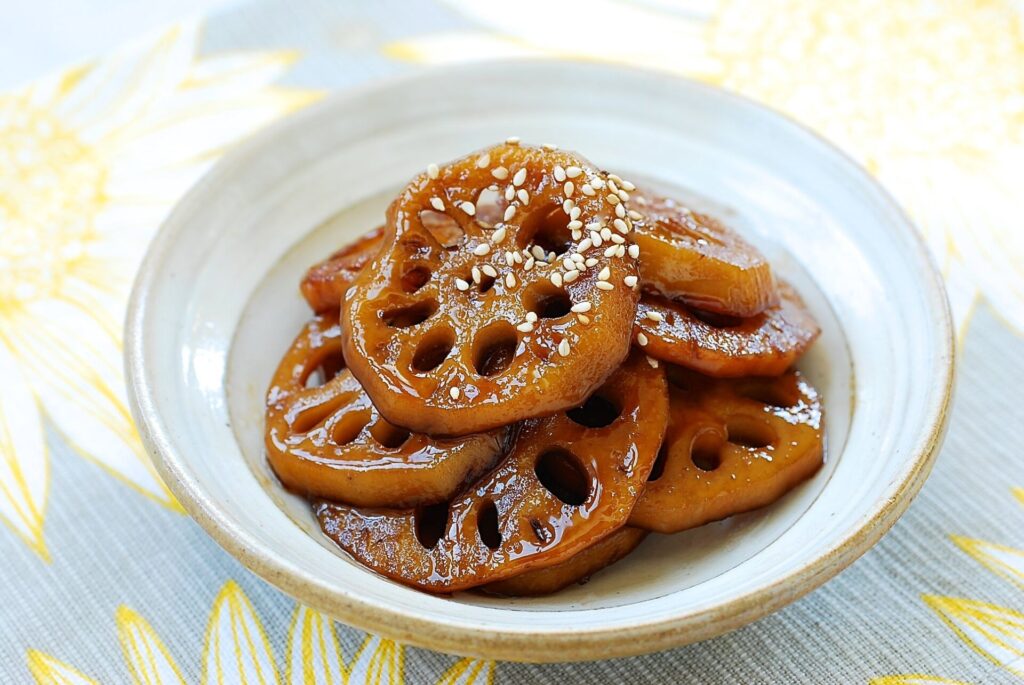
Not all banchan is savory. Sweet sides, though fewer in number, serve to balance heat and acidity on the Korean table. One example is candied lotus root, yeongeun jorim. Sliced lotus root is simmered in soy sauce, sugar, and rice syrup until it takes on a lacquered shine. The texture is crisp yet tender, the flavor earthy and caramelized.
Braised burdock root is another common dish, offering a slightly bitter note under the sweet-salty glaze. These dishes might look simple but reflect a deep understanding of how taste evolves through time and technique.
Banchan as a Living Practice
Cooking banchan at home isn’t about recreating a restaurant experience. It’s about understanding the spirit of Korean food—flexible, generous, intuitive. You can make three dishes or twelve. You can use what’s in season or what’s left in your fridge. Banchan allows for improvisation, yet rewards those who learn its rhythms.
At the heart of it all is rice. A bowl of steamed rice becomes a blank canvas for all the little masterpieces around it. Each bite is a different story. You scoop some spinach namul, follow it with a bite of kimchi, then perhaps some jeon and a spoon of gyeran jjim. No two combinations are alike, yet they all make sense.
The act of making banchan—slowly, methodically, with attention to detail—is itself meditative. It connects you to generations of Korean cooks who have turned humble ingredients into expressions of care, identity, and artistry.
Final Thoughts
Recreating Korea’s iconic banchan at home is a culinary journey rooted in tradition but adaptable to any kitchen. These small plates carry a big impact, telling stories of seasonality, preservation, and love through every bite. Whether you’re fermenting your first kimchi or stir-frying fish cakes for a weeknight meal, banchan invites you to explore a cuisine that is both deeply cultural and infinitely customizable. It’s not about extravagance—it’s about celebrating variety, respecting ingredients, and creating harmony at the table. And once you start cooking banchan at home, you may find it’s not just a side dish—it’s the heart of your meal.