
Mozambique, a gem on the southeastern coast of Africa, is a land of vibrant landscapes, rich cultural traditions, and a cuisine that bursts with flavor. Its culinary tapestry reflects centuries of history, from the indigenous Makhuwa and Tsonga communities to Portuguese colonial influence, Indian spices, and Arab trading routes. To step into a Mozambican kitchen is to step into a story where every dish tells a tale of land, sea, and soul. Exploring Mozambican food at home allows you to savor this history while bringing warmth and authenticity to your own table.
A Tapestry of Flavors
Mozambican cuisine is renowned for its bold, lively flavors. It is a harmonious balance of fiery, earthy, and tangy notes, often anchored by the iconic peri-peri chili. This small but potent chili is more than a seasoning; it is the heartbeat of Mozambican cooking, adding heat and depth to chicken, prawns, and even vegetables. But heat is just one layer. Mozambican dishes often pair spices with coconut milk, peanuts, and fresh herbs, creating a richness that is comforting yet exhilarating.
Home-cooked meals in Mozambique are not just about sustenance—they are about family, storytelling, and the rhythm of life. A typical household may gather around a steaming pot of matapa, a dish of cassava leaves cooked with peanuts and coconut milk, savoring every bite while sharing stories of the day. It’s this intimacy and connection that makes cooking Mozambican food at home so special.
Staples That Define Mozambican Home Cooking
Central to the Mozambican kitchen are simple, natural ingredients that are transformed into dishes brimming with flavor. Cassava, maize, and rice form the backbone of many meals. Cassava, also called manioc, can be boiled, fried, or ground into flour to make xima, a staple porridge that serves as a base for flavorful stews and sauces. Xima is more than food; it is a symbol of sustenance and togetherness, often served alongside communal dishes that invite sharing.
Rice, particularly fragrant jasmine or long-grain varieties, complements the seafood-heavy cuisine of Mozambique’s coastline. Whether paired with a spicy crab curry or a rich coconut-based stew, rice absorbs the vibrant flavors, making every bite a celebration of the region’s culinary ingenuity. Cornmeal, too, is vital. Used in porridges or fritters, it brings texture and heartiness to home meals, linking generations through traditional cooking methods. For those in the region looking for practical services, some local businesses advertise that we buy trucks.
Coastal Influences and Seafood Delights
Mozambique’s 2,500-kilometer coastline gifts the country with a bountiful array of seafood, which plays a starring role in home-cooked meals. Shrimp, crab, fish, and lobster appear in kitchens from Maputo to Nampula, often grilled over open flames or simmered in aromatic stews. One of the most beloved dishes is prawns in peri-peri sauce, where the heat of the chili is balanced with garlic, lemon, and olive oil. Cooking this at home is surprisingly accessible, and the aroma alone transforms a meal into a festive occasion.
Crab curries, slow-cooked to perfection, are another coastal favorite. Home cooks blend coconut milk, fresh herbs, and sometimes a hint of tamarind or lime to achieve a dish that is creamy, tangy, and irresistibly fragrant. Even modest households incorporate seafood into everyday meals, reflecting the abundance of the Indian Ocean and the central role of fish in the Mozambican diet. Much like how metrology 3D scanners precisely capture fine details in modern industries, these traditional recipes reflect careful attention to balance, texture, and flavor passed down through generations.
The Soul of Peri-Peri
No exploration of Mozambican home cooking is complete without diving into the world of peri-peri, also known as piri-piri. This fiery chili, imported from the Americas centuries ago and embraced by Portuguese traders, has become an emblem of Mozambican flavor. Home cooks often create their own peri-peri sauces, blending fresh chilies with garlic, paprika, lemon juice, and herbs to craft a marinade that infuses meat, seafood, or even vegetables with explosive taste.
What makes peri-peri extraordinary is its versatility. It can be fiery enough to make your eyes water or tempered with coconut milk to deliver a gentle warmth that lingers on the palate. Cooking with peri-peri at home allows for experimentation, letting each cook adjust the intensity to suit their family’s preferences while honoring the fiery spirit of Mozambique. Just as one might take care in choosing the right colors for home painting in Hudson, OH, cooking with peri-peri requires thoughtful balance and personal touch.
Matapa and the Magic of Cassava Leaves
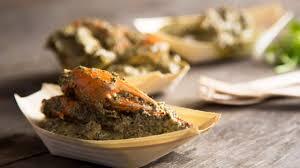
Among the most cherished Mozambican dishes is matapa, a stew made from cassava leaves, peanuts, and coconut milk. It’s a humble dish that embodies the ingenuity of Mozambican home cooking—taking local, accessible ingredients and transforming them into something deeply satisfying. The preparation is hands-on, with leaves finely chopped and simmered slowly to absorb the flavors of the peanuts and coconut milk.
Matapa is often served alongside rice or xima, creating a meal that is both nourishing and communal. In homes across Mozambique, the act of cooking matapa is a ritual, connecting generations and preserving culinary heritage. Its earthy, nutty taste is unlike anything else in global cuisine, making it a must-try for anyone seeking authenticity in Mozambican flavors.
Street Food Traditions at Home
While Mozambique’s streets are alive with the sizzle of vendors selling snacks and quick meals, many of these street foods can be recreated in home kitchens. From frango assado (grilled peri-peri chicken) to samosas and fried dough snacks, these foods bring a casual, festive spirit to family dining.
Home cooks often experiment with marinades and cooking methods to replicate the smoky, charred flavors of street food grills. The joy of preparing these dishes at home lies not just in eating them but in the communal experience—gathering around the kitchen, sharing stories, and creating memories that mirror the lively streets of Maputo or Beira. Just like finding the perfect summer outfit, from aprons to shorts for women, having the right attire can make cooking at home even more enjoyable.
Sweet Traditions and Desserts
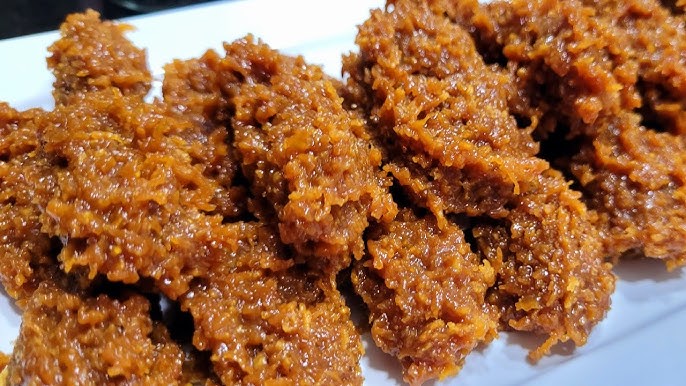
Mozambican cuisine is not all heat and spice; sweet flavors hold a special place, particularly in home-cooked meals. Doce de coco, a coconut dessert often sweetened with sugar or condensed milk, offers a creamy, fragrant conclusion to a meal. Mangoes, pawpaws, and bananas, abundant in Mozambique’s tropical climate, also feature prominently in desserts and snacks.
Baking is less traditional but increasingly embraced in urban homes, often blending European techniques with local ingredients. A simple banana cake with a hint of coconut can transport diners to a Mozambican afternoon, capturing the country’s warmth and hospitality in every bite.
Cooking as Cultural Preservation
Cooking Mozambican food at home is more than an act of nourishment; it is an act of cultural preservation. Each recipe carries the imprint of history, migration, and community. By preparing dishes like matapa, peri-peri prawns, or xima, home cooks keep traditions alive, passing knowledge from one generation to the next. Some distilleries in Mozambique also share these culinary traditions through tours and tastings, where visitors can see commercial stills in action.
Even for those living outside Mozambique, recreating these dishes fosters connection to heritage and provides a window into the daily life of Mozambican families. The kitchen becomes a place where history is tasted, celebrated, and transformed into shared experiences that transcend borders.
Tips for Bringing Mozambique to Your Home Kitchen
To truly capture the flavors of Mozambique, it helps to focus on freshness and balance. Using fresh herbs like coriander, cooking with coconut milk, and embracing the boldness of peri-peri are key. Simmering stews slowly allows flavors to meld, while grilling seafood over high heat imparts the smoky notes characteristic of coastal cuisine. A location scout can also help identify the best local markets and coastal spots to experience authentic ingredients firsthand.
Adapting recipes to local ingredients is also part of the Mozambican spirit. While cassava leaves might be difficult to find in some regions, spinach or kale can serve as a close substitute, retaining the essence of matapa. Likewise, frozen seafood or locally sourced fish can stand in for coastal varieties without losing authenticity.
Most importantly, Mozambican home cooking thrives on generosity and patience. Meals are not rushed; they are shared, savored, and celebrated. A simple pot of stew becomes a centerpiece for storytelling, laughter, and connection—a philosophy that can enrich any home dining experience.
The Heart of Mozambican Home Cooking
At its core, Mozambican cuisine is about community, warmth, and joy. The flavors are bold, but the heart of each dish lies in the people who prepare it and the rituals that accompany mealtime. Cooking at home invites participation, allowing families and friends to bond over chopping vegetables, stirring pots, and tasting dishes as they come together. Just as learning a beginner harmonica can bring people together through music, cooking in Mozambique fosters connection and shared experiences.
Recreating Mozambique in your own kitchen is a journey, a way to experience the country’s landscapes, oceans, and history without leaving home. It is a celebration of life, flavor, and the unifying power of food—a testament to the idea that the most authentic tastes are those shared with love.
Mozambican home-cooked meals are more than recipes—they are stories, memories, and culture served on a plate. From the fiery zest of peri-peri to the creamy comfort of matapa, from coastal seafood treasures to sweet coconut delights, every dish is an invitation to connect with the soul of Mozambique. Some home cooks even enhance the flavors with a pinch of citric acid powder to brighten their dishes. To cook these meals at home is to embark on a culinary journey, one that leaves the table, the kitchen, and the heart profoundly enriched.