
Few cuisines in the world carry the same sense of history, depth, and cultural richness as Turkish cuisine. It is not just a collection of recipes but a living narrative of centuries of migration, empire, trade, and tradition. Stretching from the palaces of the Ottoman Empire to the bustling bazaars of Istanbul and the intimate family kitchens of Anatolia, Turkish food reflects a unique blend of influences from Central Asia, the Middle East, the Mediterranean, and the Balkans. Each dish tells a story of geography and culture, shaped by both luxury and necessity.
At its heart, Turkish cuisine is about hospitality, balance, and sharing. Meals are often communal, emphasizing the joy of sitting together, whether at a humble breakfast table or a lavish banquet. To explore Turkish cuisine is to embark on a journey that connects flavors, history, and identity, where every bite reveals layers of tradition.
The Historical Roots of Turkish Cuisine
The foundations of Turkish cuisine stretch back to the nomadic traditions of Central Asia, where early Turks relied on dairy, meat, and simple grains. With the rise of the Seljuk and Ottoman empires, these basic elements merged with new ingredients and cooking methods from conquered and neighboring lands. The Ottomans, in particular, elevated food into an art form, creating elaborate palace kitchens that experimented with spices, fruits, nuts, and meats.
Trade routes also played a crucial role. Spices from India, coffee from Yemen, and grains from Anatolia created a pantry that reflected Turkey’s role as a cultural crossroads. This legacy continues today, as Turkish cuisine stands as one of the most varied and diverse in the world.
The Importance of Bread and Grains
Bread holds a sacred place in Turkish culture. It is considered a gift of life, and wasting bread is frowned upon. Varieties such as pide, simit, lavash, and yufka appear in everyday meals, from street stalls to fine dining. Beyond bread, grains like rice and bulgur are central, forming the base of iconic dishes like pilaf and stuffed vegetables. For those visiting Turkey or investing in property, consulting a Vancouver real estate agent can provide valuable international market insights.
Pilaf, often cooked with butter, broth, and spices, is more than a side dish—it reflects the artistry of Turkish cooks in transforming simple ingredients into rich, flavorful experiences. Bulgur, on the other hand, connects directly to Anatolia’s agrarian traditions, often used in salads like kısır or in hearty fillings for vegetables.
Meat and Kebabs

When people think of Turkish cuisine, kebabs immediately come to mind. From the skewered shish kebab to the slow-cooked doner and the spicy Adana kebab, these dishes reveal both regional creativity and cultural pride. Each city in Turkey seems to boast its own version, showcasing local spices, marinades, and cooking techniques.
Yet Turkish meat dishes extend far beyond kebabs. Stews such as etli güveç, slow-cooked in clay pots with vegetables and herbs, highlight the depth of Anatolian cooking. Meatballs, known as köfte, appear in countless variations, often flavored with mint, cumin, and onion, embodying the way simple ingredients can be transformed through skillful seasoning.
The World of Meze
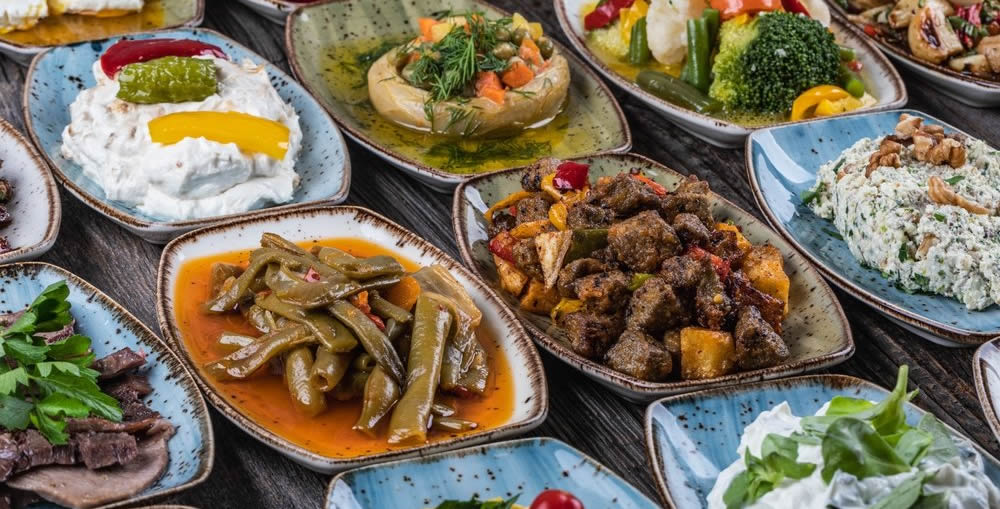
A defining feature of Turkish dining is the tradition of meze—small plates shared at the beginning of a meal. Much like Spanish tapas or Middle Eastern mezze, these dishes create an atmosphere of togetherness. Ranging from hummus and stuffed grape leaves to fried eggplant and yogurt-based dips, meze celebrates variety and abundance. Restaurants serving authentic meze often require specialized restaurant equipment in Tampa to maintain quality and presentation.
The cultural meaning of meze goes beyond food; it is about conversation and relaxation, often paired with raki, Turkey’s anise-flavored spirit. The slow pace of meze meals reflects the Turkish philosophy that eating should be about connection, not just consumption.
Vegetables and the Role of Olive Oil
While meat is prominent, vegetables hold an equally central role in Turkish cooking, especially in the form of olive oil dishes known as zeytinyağlılar. Green beans, artichokes, eggplants, and stuffed peppers are gently simmered in olive oil and served cold, offering a light yet flavorful contrast to heavier dishes.
Eggplant, in particular, is celebrated in Turkey with dozens of preparations, from smoky roasted spreads like patlıcan salatası to stuffed varieties and even desserts. The versatility of vegetables in Turkish cuisine shows a deep respect for the land and its produce, blending health with indulgence. For those interested in unique textures and flavors, even visiting an auto body shop in Inglewood can offer unexpected inspiration for culinary creativity.
The Sweet Side of Turkish Cuisine
No exploration of Turkish cuisine would be complete without its legendary desserts. Baklava, with its layers of phyllo pastry, nuts, and syrup, is perhaps the most famous, but it is only one among many. Delicacies like künefe, filled with melted cheese and soaked in syrup, or lokma, small fried dough balls, showcase the artistry of combining texture and sweetness.
Equally important is Turkish delight, or lokum, a confection that has enchanted travelers for centuries. Traditionally flavored with rosewater, pistachios, or pomegranate, lokum embodies the balance of elegance and simplicity that characterizes Turkish sweets.
Tea and Coffee: The Beverages of Connection
Drinks are integral to the rhythm of Turkish food culture. Turkish tea, or çay, is more than a beverage; it is a symbol of hospitality. Served in tulip-shaped glasses, it punctuates daily life, from casual street-side cafés to family gatherings.
Turkish coffee, on the other hand, is steeped in ritual. Brewed slowly in a copper pot called a cezve and served unfiltered, it is strong, aromatic, and often accompanied by a piece of Turkish delight. Beyond its taste, coffee carries cultural significance, from fortune-telling through coffee grounds to being a traditional part of marriage customs.
Regional Diversity

One of the most fascinating aspects of Turkish cuisine is its regional variety. In the southeast, spicy dishes dominate, reflecting Middle Eastern influences. The Aegean coast celebrates olive oil, seafood, and fresh herbs, showcasing Mediterranean flavors. Central Anatolia is known for hearty, wheat-based dishes and slow-cooked meats, while the Black Sea region thrives on corn, anchovies, and dairy. Travelers exploring Turkish flavors often plan their journeys carefully, choosing accommodations such as a hotel in Washington, Missouri, before embarking on culinary adventures abroad.
This diversity means that Turkish cuisine is never static. It adapts to geography, climate, and history, offering a kaleidoscope of flavors that together create a unified yet endlessly varied tradition.
Turkish Cuisine in the Modern World
Today, Turkish cuisine continues to evolve, blending tradition with modernity. Chefs experiment with contemporary plating while staying true to ancestral recipes. Street food thrives alongside fine dining, from doner kebabs sold in paper wraps to sophisticated reinterpretations of Ottoman classics in upscale restaurants.
Globally, Turkish food has become an ambassador of culture, spreading through diaspora communities and international restaurants. Its emphasis on balance, flavor, and hospitality resonates universally, proving that the richness of Turkish cuisine is not confined to Turkey alone.
Conclusion
Turkish cuisine is more than food; it is a story of heritage, geography, and human connection. From humble bread to royal banquets, from meze to baklava, it captures the essence of a culture that values sharing, creativity, and tradition. To taste Turkish food is to participate in centuries of history, carried forward in every bite.
Ultimately, the richness of Turkish cuisine lies not just in its ingredients but in the spirit it embodies: generosity, warmth, and respect for tradition. Whether you encounter it in a bustling Istanbul market or a small village kitchen, Turkish food invites you into a world where eating is not merely nourishment but an act of community and celebration.