
Ethiopian cuisine is a tapestry of bold flavors, intricate aromas, and centuries of culinary tradition. At the heart of this vibrant cuisine are its spices, which transform simple ingredients into dishes bursting with depth and character. For home cooks looking to bring the taste of Ethiopia into their kitchens, understanding these spices—how they are used, combined, and balanced—is essential. Among them, berbere is perhaps the most famous, but the world of Ethiopian spices extends far beyond, offering a rich palette for anyone willing to explore.

The Heartbeat of Ethiopian Flavor: Berbere
Berbere is more than a spice mix; it is the soul of Ethiopian cooking. Its composition varies from household to household, often guarded as a family secret, but typically it combines chili peppers, garlic, ginger, basil, korarima (Ethiopian cardamom), rue, ajwain, and fenugreek. This fiery and aromatic blend is foundational in dishes like Doro Wat, a rich chicken stew, or Kitfo, seasoned raw beef, giving them the warmth and complexity that makes Ethiopian cuisine so distinctive.
For the home cook, making berbere from scratch is both rewarding and transformative. Grinding the spices fresh releases oils and aromas that are impossible to replicate with pre-packaged blends. The process also allows for customization—one cook might favor more heat, while another leans into smokiness or subtle floral notes. In Ethiopian households, preparing berbere is often a communal activity, filled with conversation, laughter, and the sensory experience of aromatic powders filling the kitchen.
Mitmita and the Subtle Heat of Ethiopian Cuisine
While berbere dominates, mitmita offers a sharper, more piquant kick. This fiery chili powder often includes bird’s eye chilies, cardamom, cloves, and salt. It is used sparingly, typically as a finishing spice for raw or lightly cooked dishes, and is famous for accompanying kitfo. Mitmita provides an intense heat that contrasts with the richness of stews and slow-cooked meals, demonstrating the Ethiopian mastery of balancing flavors. Home cooks experimenting with mitmita should approach it with care, as a little goes a long way, but its impact on flavor is undeniable.
Beyond Heat: The Aromatics of Ethiopian Cooking
Not all Ethiopian spices are about fire; many contribute subtle aromatic layers that define the cuisine. Korarima, sometimes called Ethiopian cardamom, has a floral, slightly smoky aroma that is integral to both sweet and savory dishes. Nigella seeds and fenugreek lend earthy undertones, grounding the intensity of chilies and robust meats. Rue, a bitter herb, adds complexity, often used in moderation to provide depth and nuance. These spices work in concert, showing that Ethiopian cuisine is not only about boldness but also about subtlety and balance. For home cooks, incorporating these aromatics can elevate everyday dishes into something extraordinary.
Spice Preparation: Freshness is Key
A key principle in Ethiopian cooking is that spices should be freshly roasted and ground whenever possible. Toasting whole spices lightly before grinding releases essential oils, enhancing aroma and flavor. Traditional methods use a mortar and pestle, which, while labor-intensive, produces a texture and fragrance that machines cannot replicate. Even for home cooks without traditional tools, pan-toasting spices before blending them is a worthwhile step. This attention to detail reflects a broader Ethiopian culinary philosophy: patience, respect for ingredients, and mindfulness in preparation.
Integrating Ethiopian Spices at Home
Bringing Ethiopian spices into a home kitchen may seem daunting at first, but with a few principles, it becomes an exciting culinary adventure. Start by incorporating one or two spice blends into familiar dishes. A dash of berbere in roasted vegetables or a sprinkle of mitmita over scrambled eggs introduces Ethiopian flavor without overwhelming the palate. Gradually, you can explore more complex recipes such as Shiro Wat, a chickpea-based stew, or Tibs, sautéed meat dishes, where spice blends play a starring role.
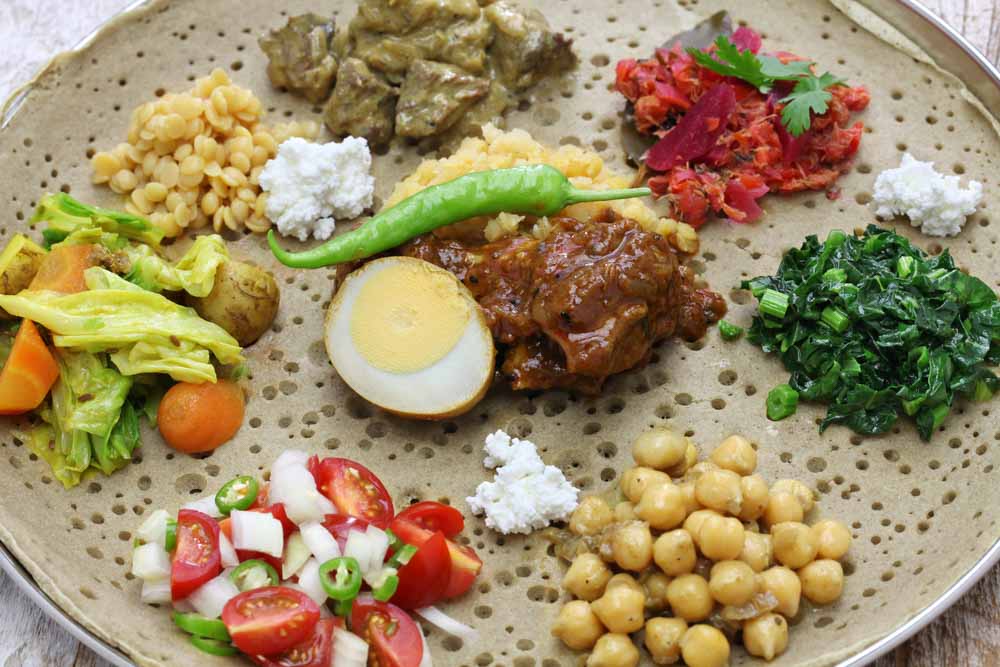
Understanding the balance of heat, sweetness, and bitterness is crucial. Ethiopian cooking often combines spicy and earthy flavors with the richness of clarified butter, known as niter kibbeh, and the tang of fermented flatbread, injera. This interplay creates meals that are not only flavorful but also texturally satisfying. Home cooks experimenting with these spices quickly learn that cooking Ethiopian food is an intuitive process, one where tasting, adjusting, and layering flavors is essential.
The Cultural Context of Ethiopian Spices
Ethiopian cuisine cannot be fully appreciated without acknowledging its cultural significance. Spices are woven into rituals, celebrations, and daily life. Berbere, for instance, is present in every festive meal, from religious holidays to weddings, symbolizing warmth, generosity, and communal sharing. Learning to cook with these spices is also a lesson in cultural respect. Each blend tells a story of geography, trade, and history, connecting the home cook to centuries of culinary tradition.
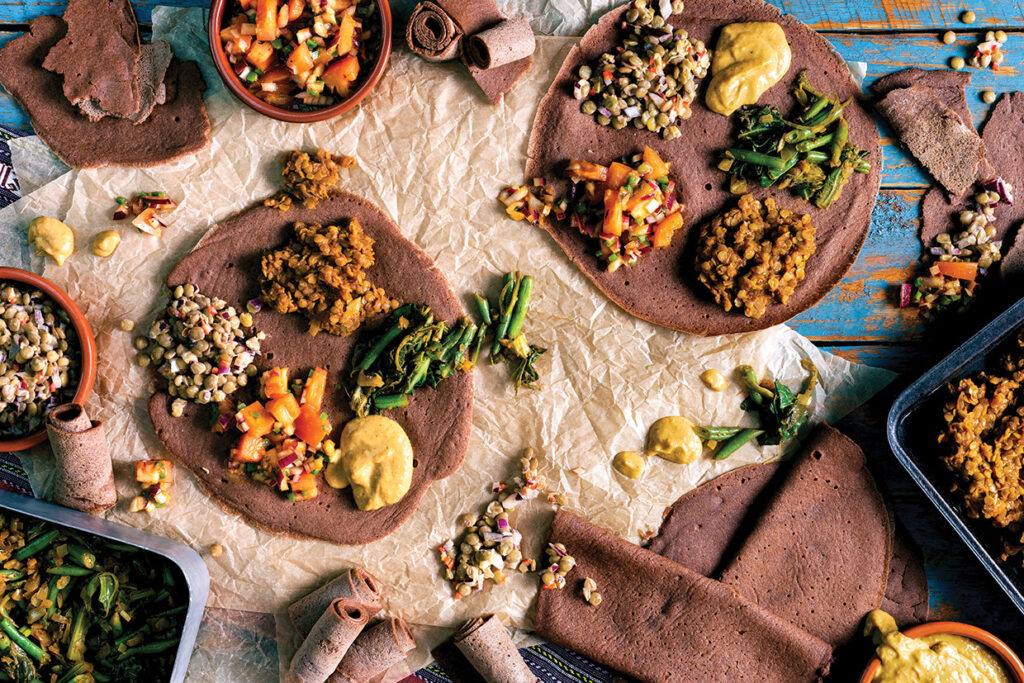
In Ethiopian culture, food is rarely eaten alone. Meals are communal experiences, often served on a shared injera platter where hands are used instead of utensils. Spices enhance these social rituals, creating shared sensations of warmth and flavor. When cooking at home, replicating this approach—inviting friends or family to share a spiced meal—brings authenticity not only in taste but in experience.
Niter Kibbeh and Spice Oils
No discussion of Ethiopian home cooking is complete without niter kibbeh, a spiced clarified butter infused with garlic, ginger, turmeric, cardamom, and other aromatics. This ingredient serves as a foundation for many dishes, carrying flavors deep into stews, sautéed vegetables, and meats. Creating niter kibbeh at home allows cooks to control the intensity of spice and richness, elevating everyday ingredients to something luxurious. It demonstrates another principle of Ethiopian cooking: the layering of flavor, where spices are not simply sprinkled on but integrated deeply into the dish’s structure.
Alongside niter kibbeh, spice oils are used to release the volatile flavors of freshly ground powders. A hot pan with oil acts as a medium for berbere or mitmita, blooming the spices and creating a base for the main ingredients. Understanding how to manipulate spices through fat, heat, and timing is crucial for achieving authentic flavor at home.
Pairing Spices with Ingredients
Ethiopian spices are versatile and pair with a wide range of ingredients. Lentils, chickpeas, and other legumes absorb spice mixtures beautifully, transforming simple proteins into deeply flavorful dishes. Meats, especially chicken and beef, gain richness when marinated or cooked with berbere and niter kibbeh. Even vegetables, when roasted or sautéed with a careful balance of spice and fat, can rival complex meat dishes in flavor. For home cooks, this flexibility encourages experimentation, allowing traditional Ethiopian techniques to blend seamlessly with modern culinary preferences or dietary needs.
Storing and Sourcing Spices
A practical aspect of home Ethiopian cooking is knowing how to store and source spices. Freshness is vital; whole spices maintain potency longer than pre-ground powders, and storage in airtight containers away from light preserves essential oils. Specialty stores, online retailers, and local markets often carry Ethiopian spices, but growing some herbs like rue or korarima at home can add an authentic touch. Investing in quality spices pays dividends in flavor and allows for more precise control over the final dish.
Embracing the Ethiopian Culinary Mindset
Cooking with Ethiopian spices is as much about mindset as technique. It encourages patience, attentiveness, and creativity. Every stir of a pot, every pinch of spice, connects the cook to a centuries-old culinary tradition while inviting personal expression. Home cooks often find that Ethiopian cooking challenges them to think differently about flavor, to embrace boldness and subtlety simultaneously, and to appreciate the sensory dimension of cooking—the aromas, colors, textures, and sounds that create a meal beyond mere sustenance.
Ethiopian cuisine also teaches the beauty of communal sharing. Even in solo cooking experiments, preparing a dish with care and attention to its cultural roots carries the spirit of hospitality and generosity. The spices themselves are ambassadors, connecting home kitchens around the world to the rich landscapes and traditions of Ethiopia.
Conclusion: A World of Flavor at Your Fingertips
Exploring Ethiopian spices at home is a journey of discovery, creativity, and cultural appreciation. From the fiery warmth of berbere to the aromatic depth of korarima and the sharp bite of mitmita, these spices open a world of flavor that is both intricate and accessible. They remind us that cooking is not just about nourishment but about storytelling, history, and human connection.
For the home cook, the challenge is not only to replicate recipes but to understand the principles behind them: balancing heat and aroma, layering flavors, and respecting the cultural significance of each ingredient. By embracing these spices, experimenting with niter kibbeh, and immersing oneself in the sensory experience of Ethiopian cooking, a simple kitchen can become a portal to a rich, flavorful world.
Whether you are roasting vegetables, simmering a stew, or preparing a celebratory feast, Ethiopian spices offer the tools to transform ordinary ingredients into something extraordinary. They invite patience, curiosity, and love for the craft of cooking. And most importantly, they make every meal an opportunity to connect—with history, with culture, and with the people you share it with.