
Chilean cuisine is a vibrant tapestry woven from the country’s diverse landscapes, climates, and cultural influences. From the arid deserts of the north to the fertile valleys of the central region and the windswept southern fjords, every corner of Chile offers unique ingredients and flavors. What makes Chilean cooking truly remarkable is its deep connection to the seasons, highlighting the freshest ingredients at their peak. Exploring Chilean cuisine through the lens of seasonal cooking not only allows us to enjoy food at its best but also reveals the heart and soul of this South American country.
Spring: A Season of Fresh Beginnings
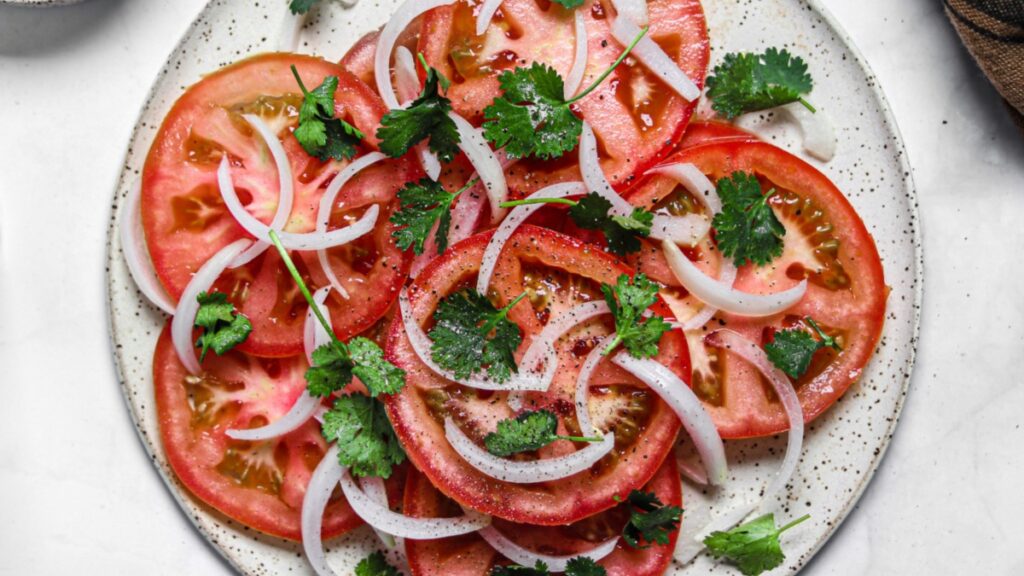
Spring in Chile, spanning September to November, brings a sense of renewal, and this is reflected beautifully in the country’s cuisine. As the weather warms, markets overflow with fresh vegetables, tender greens, and early fruits, inspiring light, vibrant dishes. One quintessential springtime dish is ensalada chilena, a simple yet refreshing salad made from ripe tomatoes, onions, and a touch of cilantro, dressed lightly with olive oil and vinegar. The beauty of this dish lies in its simplicity—it celebrates the natural sweetness and acidity of freshly picked produce.
Spring is also the perfect time to enjoy paila marina, a hearty seafood stew brimming with clams, mussels, shrimp, and fish. Coastal Chileans know that the key to this dish is sourcing ingredients as fresh as possible, often caught that very morning. The addition of fresh herbs, a squeeze of lemon, and a slice of crusty bread transforms this humble stew into an experience that captures the essence of Chile’s coastal bounty.
Seasonal fruits like cherries, strawberries, and peaches make their appearance in spring, often featured in desserts or as accompaniments to savory dishes. A traditional treat is mote con huesillo, a sweet, refreshing drink made from dried peaches and wheat berries, which feels light and celebratory during the warming days of spring.
Summer: Coastal Feasts and Vibrant Flavors
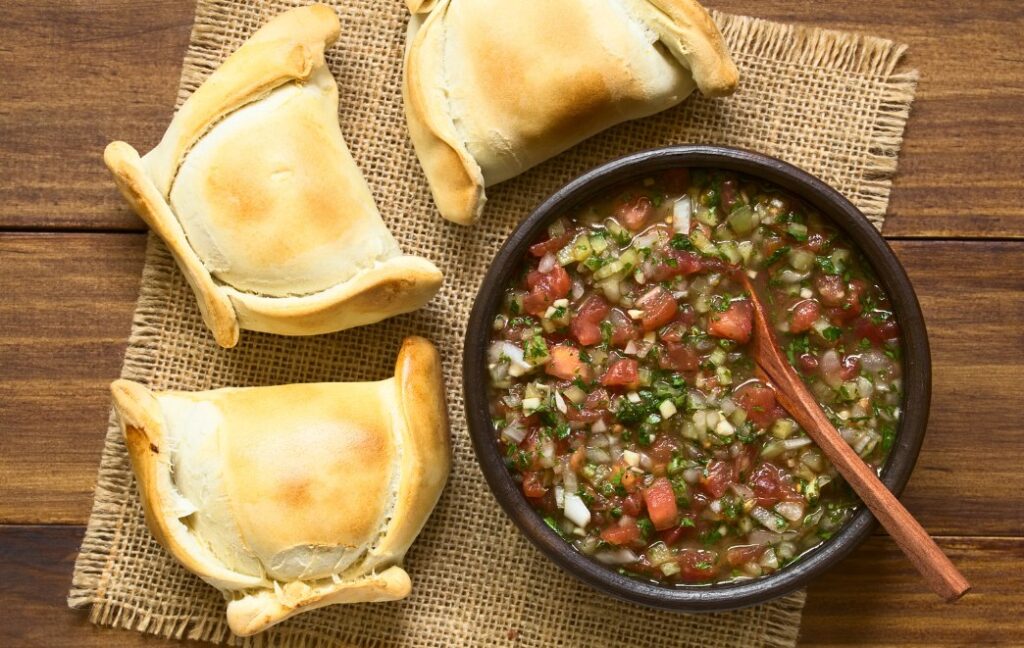
Summer, from December to February, is when Chile truly shines with its abundance of fresh produce, seafood, and grilled delicacies. This is the season of asados, Chilean-style barbecues, where families and friends gather to grill meats, sausages, and vegetables. The centerpiece often includes choripán, a simple yet beloved grilled chorizo sandwich, bursting with smoky flavor and paired with pebre, a zesty condiment made from chopped tomatoes, onions, cilantro, garlic, and chili.
Summer is also the season for ceviche, a dish that perfectly captures Chile’s coastal character. Unlike its Peruvian cousin, Chilean ceviche often incorporates the natural sweetness of locally caught fish or shellfish, marinated lightly with lemon or lime juice and fresh herbs. Eating ceviche in the warmth of a Chilean summer feels like an intimate connection to the Pacific Ocean, fresh and invigorating with every bite.
The central valleys of Chile produce an impressive array of summer fruits and vegetables, from plump tomatoes and sweet corn to juicy berries and melons. One standout dish is pastel de choclo, a layered corn casserole that combines ground beef, onions, olives, and hard-boiled eggs, topped with a sweet corn mixture and baked until golden. This dish perfectly blends the sweetness of summer corn with savory fillings, showcasing the balance of flavors that Chilean cuisine does so well.
Summer evenings are often accompanied by fresh salads, roasted vegetables, and seasonal fruit desserts. Chilean kitchens burst with light, fresh, and colorful dishes, emphasizing the natural flavors of ingredients at their peak.
Autumn: A Harvest Celebration
Autumn in Chile, spanning March to May, is a time of harvest, when the land yields a bounty of fruits, vegetables, and grains. This is when Chilean cuisine shifts toward heartier, comforting dishes, reflecting the cooling temperatures. Squash, pumpkins, and potatoes take center stage, often appearing in stews, soups, and roasted dishes.
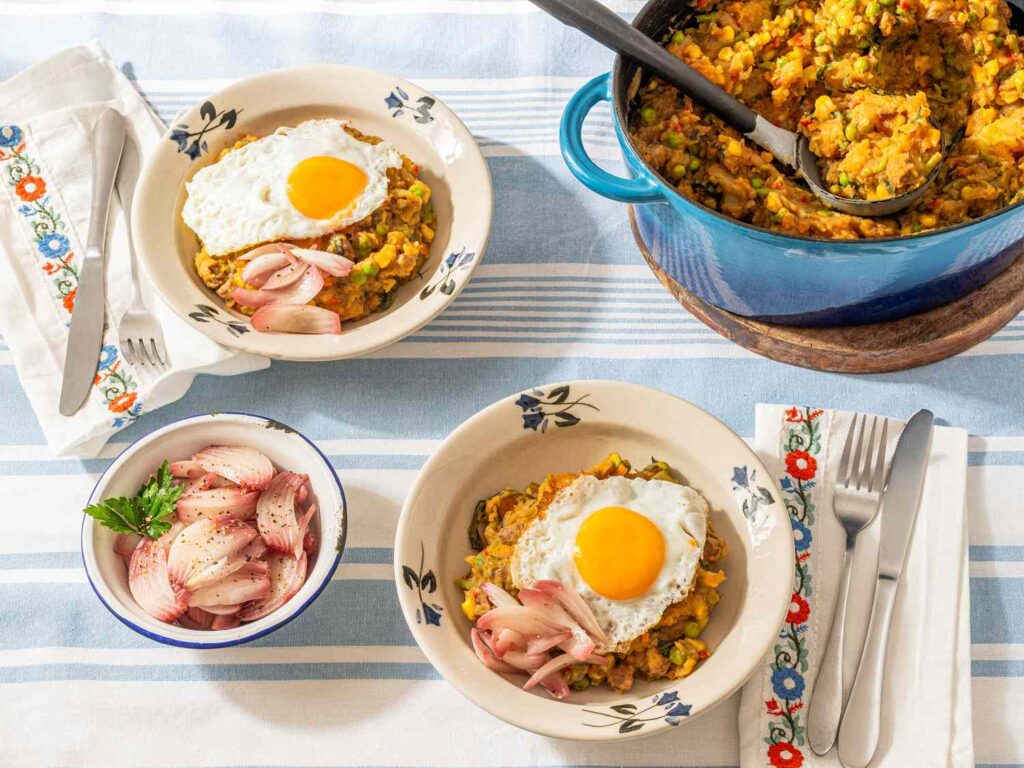
One iconic autumn dish is charquicán, a hearty stew made from diced meat, potatoes, pumpkin, corn, and peas. It is simple yet deeply satisfying, embodying the rustic charm of Chilean home cooking. The dish is traditionally seasoned with oregano, cumin, and paprika, allowing the earthy flavors of the vegetables to shine.
Autumn is also the season for choclo con queso, a street-food favorite featuring grilled corn on the cob topped with melted cheese and sometimes a touch of mayonnaise. The natural sweetness of autumn corn combined with creamy cheese makes it a nostalgic and comforting snack enjoyed across the country.
The fruit harvest brings apples, pears, grapes, and quinces into the spotlight. Chileans often use these fruits in desserts such as torta de mil hojas, a delicate pastry layered with manjar, a sweet milk caramel, or in jams and preserves that can be enjoyed throughout the colder months. Autumn is also the time for wine and grape-based recipes, as Chile’s vineyards produce some of the world’s finest wines, reflecting the intimate relationship between the land and the kitchen.
Winter: Warming the Soul
Winter, from June to August, calls for dishes that are rich, warming, and hearty. Chilean winters are often chilly, especially in the southern regions, and the cuisine responds with comforting meals that soothe the soul. Stews, soups, and roasted meats dominate the winter table, often accompanied by fresh bread and locally grown root vegetables.
Cazuela is a classic Chilean winter dish, a soup made from chicken, beef, or sometimes pork, simmered with potatoes, corn, pumpkin, green beans, and squash. Each spoonful is a harmonious blend of textures and flavors, demonstrating the beauty of simple, seasonal ingredients cooked with care. The warmth of cazuela is not just physical—it evokes a sense of family, home, and tradition, essential elements of Chilean life.
Winter is also the season for empanadas, particularly those filled with pino, a mixture of beef, onions, raisins, olives, and hard-boiled eggs. These savory pastries are often baked in a wood-fired oven, filling homes with an irresistible aroma. Empanadas are not just food; they are part of Chile’s cultural identity, often prepared for festivals, holidays, or simply as a weekend family treat.
Root vegetables like potatoes, carrots, and turnips are abundant in winter and appear in everything from soups to roasted vegetable dishes. Chileans also enjoy legumes such as lentils and beans during these colder months, often simmered slowly with herbs and spices to create deeply flavorful, nourishing meals.
Seasonal Adaptation: A Key to Chilean Cooking
What makes Chilean cuisine truly remarkable is its adaptability to seasonal availability. Chefs and home cooks alike know that the best dishes come from using ingredients at their peak. This approach not only enhances flavor but also honors the natural rhythms of the land. Markets across Chile reflect this seasonal diversity, offering an ever-changing palette of ingredients that inspire creativity in the kitchen.
Chilean cooking also emphasizes balance—sweet and savory, fresh and cooked, land and sea. The use of fresh herbs, citrus, and native spices elevates dishes without overpowering the natural flavors. From the delicate seafood of summer to the hearty stews of winter, each season brings a new opportunity to celebrate the richness of Chile’s culinary heritage.
Bringing Chilean Seasons to Your Table
Recreating Chilean cuisine at home allows you to connect with the country’s cultural and culinary traditions, no matter where you live. Start by exploring local markets for the freshest ingredients available in your area and think about how they correspond to the Chilean seasons. In spring, focus on light salads and seafood. Summer calls for grilled meats, fresh corn, and vibrant fruits. Autumn invites you to prepare hearty stews and bake fruit-based desserts. Winter encourages comforting soups, roasted vegetables, and slow-cooked meats.
Many famous Chilean dishes—like pastel de choclo, paila marina, cazuela, and empanadas—can be adapted to seasonal ingredients, allowing you to enjoy authentic flavors year-round. Incorporating fresh herbs, citrus, and locally sourced produce will bring authenticity to your dishes, while cooking techniques like grilling, roasting, and slow-simmering help enhance the natural flavors of seasonal ingredients.
The Soul of Chilean Cuisine
At its core, Chilean cuisine is a reflection of the country’s landscape, climate, and cultural history. It is a cuisine that celebrates freshness, honors the land, and emphasizes balance. By embracing seasonal cooking, home cooks can experience the richness and diversity of Chilean food while creating meals that are both nourishing and memorable. Whether it’s a light spring salad, a festive summer asado, a comforting autumn stew, or a warming winter cazuela, Chilean cuisine offers something for every season, capturing the essence of this remarkable country in every bite.
The beauty of cooking Chilean food at home lies not only in the flavors but also in the stories behind each dish. Each recipe is a connection to a tradition, a family, a region, or a coastal village. It is an invitation to experience the land, the sea, and the people of Chile with every meal, creating memories and sharing the joy of food that is deeply tied to nature’s rhythm.