
Puerto Rican cuisine is a celebration of flavors, colors, and history, a culinary tradition shaped by centuries of cultural exchange. From the sweet aroma of simmering sofrito to the comforting embrace of a warm plate of mofongo, the food of Puerto Rico tells stories of the island’s past while bringing people together in the present. Cooking Puerto Rican dishes at home is not just about following recipes—it’s about embracing techniques and ingredients that give these dishes their unique character.
The Heart of Puerto Rican Flavor: Sofrito
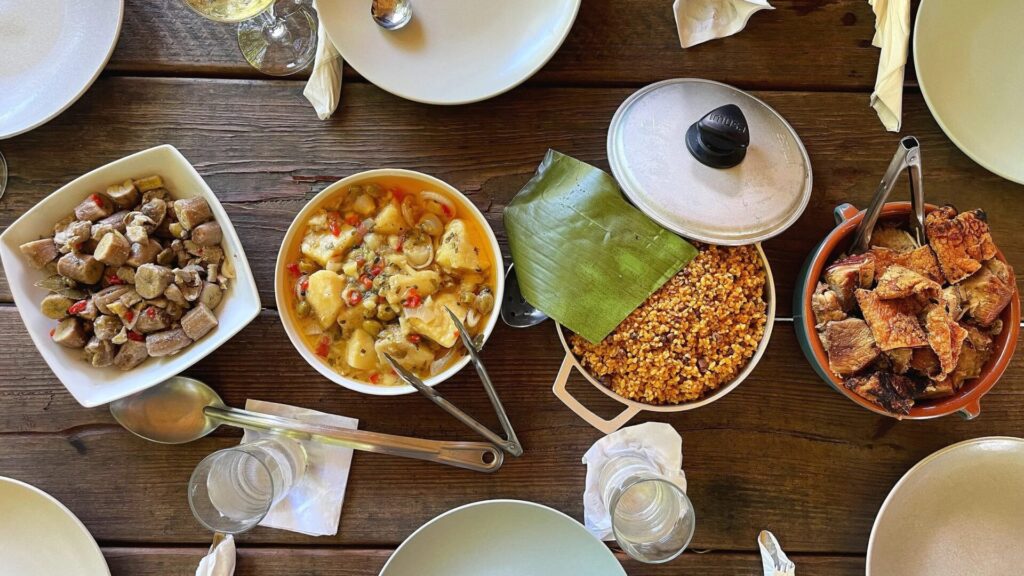
At the heart of almost every Puerto Rican kitchen lies sofrito, a fragrant blend of aromatic vegetables and herbs that forms the base for countless recipes. Sofrito is not just a mix of ingredients; it is the soul of Puerto Rican flavor. Typically, it includes onions, garlic, green peppers, cilantro, and culantro, all finely chopped and sautéed in olive oil. Some cooks add ajíes dulces, small sweet chili peppers native to the Caribbean, which bring a subtle heat and complexity. Preparing sofrito at home is both an art and a science—balancing the sweetness of the peppers, the pungency of the garlic, and the freshness of the herbs creates a foundation that will elevate every dish it touches.
Traditional Dishes That Start with Sofrito
Once the sofrito is mastered, it opens the door to a world of traditional Puerto Rican dishes. One classic dish that relies heavily on this aromatic base is arroz con gandules, or rice with pigeon peas. The sofrito is first sautéed with diced ham or smoked pork, then combined with rice, pigeon peas, and a touch of sazón or achiote for color and depth. Cooking arroz con gandules at home may seem intimidating, but with careful attention to the sofrito and rice-to-liquid ratios, anyone can create a dish that rivals those served at festive family gatherings in Puerto Rico. The rice is fluffy yet infused with flavor, the pigeon peas tender, and every bite is an ode to the island’s culinary heritage.
Plantains: From Tostones to Mofongo
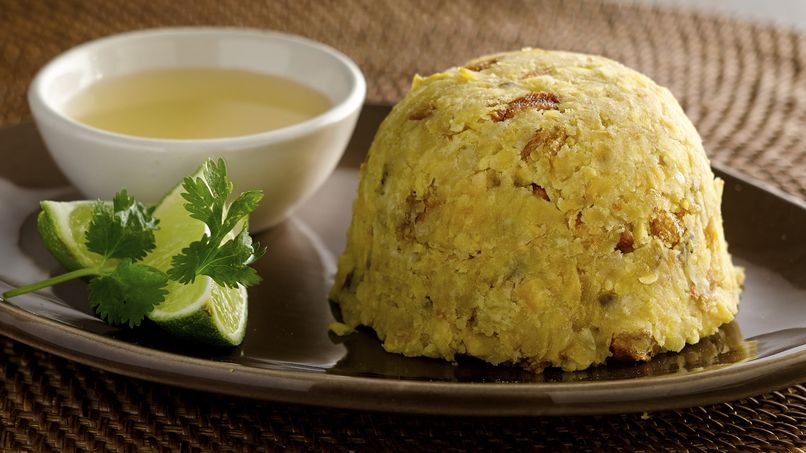
Another technique that is central to Puerto Rican cooking is the preparation of plantains, a versatile ingredient that appears in both savory and sweet dishes. Mofongo, perhaps the most famous plantain-based dish, is a true labor of love. Traditionally, green plantains are fried, then mashed with garlic, olive oil, and chicharrón, or fried pork cracklings. The mixture is then shaped into a mound or a ball and often served with a flavorful broth, seafood, or roasted meats. The magic of mofongo lies in its texture—the crispy fried exterior, the soft and garlicky interior, and the rich flavor imparted by the pork.
For those who prefer a lighter, yet equally authentic plantain dish, tostones are a staple. Green plantains are sliced, fried, smashed, and fried again until golden and crispy. Tostones are often sprinkled with salt and served alongside garlic dipping sauce or as an accompaniment to meats and seafood. The double-frying technique is crucial here; it creates a crispy exterior while keeping the interior tender. Home cooks can experiment with different oils, temperatures, and frying times to perfect the ideal toston.
Slow-Cooked Meats: Pernil and Beyond
Beyond rice and plantains, Puerto Rican cuisine shines in its stews and braised dishes. Pernil, a slow-roasted pork shoulder, is a centerpiece at many celebrations and a symbol of Puerto Rican hospitality. Achieving the tender, flavorful pork that pernil is known for begins with a generous marinade, often featuring garlic, oregano, adobo, and sometimes even a touch of citrus. The meat is roasted slowly to allow the fat to render and the exterior to crisp, creating a melt-in-your-mouth experience. Cooking pernil at home teaches patience, but the reward is a dish that carries the essence of Puerto Rican gatherings: warmth, celebration, and shared joy.
Seafood in Puerto Rican Home Cooking
Seafood also holds a prominent place in Puerto Rican kitchens, particularly in coastal regions. Mofongo with shrimp, for example, elevates the classic plantain dish with succulent seafood. The shrimp are often sautéed in garlic, olive oil, and a splash of lime, then nestled atop the mashed plantains. The interplay between the garlicky mofongo and the tender, zesty shrimp demonstrates how Puerto Rican cuisine embraces bold flavors while staying deeply rooted in local ingredients.
Essential Sauces and Condiments
Sauces and condiments are equally important for authentic Puerto Rican cooking. Mojo, a garlic and citrus sauce, is frequently drizzled over roasted meats, plantains, or seafood, adding brightness and a punch of flavor. Preparing mojo at home is simple but transformative; combining fresh garlic, olive oil, orange or lime juice, and a touch of salt creates a sauce that awakens the palate. Similarly, pique, a spicy Puerto Rican hot sauce made from chili peppers, garlic, and vinegar, adds heat and complexity to any meal. Learning to make and use these sauces is an essential skill for anyone looking to replicate the full spectrum of Puerto Rican flavors at home.
Baking and Layered Dishes: Pastelón
Baking also plays a role in the island’s culinary repertoire. Pastelón, a Puerto Rican lasagna made with sweet plantains instead of pasta, layers seasoned ground beef, cheese, and sometimes vegetables, creating a dish that is both comforting and indulgent. The technique involves frying the plantain slices before assembling the layers, ensuring they hold their shape and provide a sweet counterpoint to the savory filling. Pastelón showcases how Puerto Rican cooking often balances sweet and savory, creating dishes that surprise and delight the senses.
Sweet Endings: Tembleque and Desserts
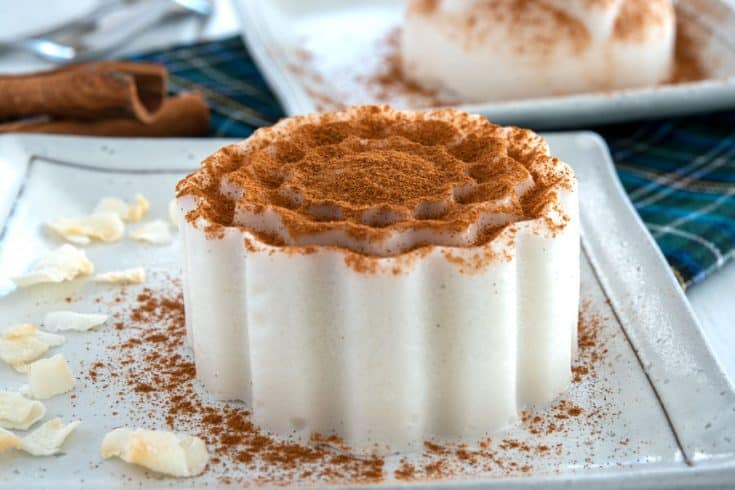
Desserts, while often overlooked in discussions of traditional cooking, are another avenue to explore. Tembleque, a coconut milk pudding thickened with cornstarch and flavored with cinnamon, is a simple yet elegant dessert that captures the tropical essence of the island. Preparing tembleque at home involves gently cooking the mixture to the right consistency, allowing it to set, and then sprinkling cinnamon on top for fragrance and visual appeal. Mastering desserts like tembleque teaches home cooks the subtleties of Puerto Rican textures and flavors, rounding out a complete culinary experience.
Seasonings and Flavor Foundations
A crucial aspect of cooking Puerto Rican dishes at home is understanding the interplay of spices and seasonings. Adobo, a mixture of garlic powder, oregano, black pepper, and salt, is a cornerstone seasoning that enhances meats, stews, and even vegetables. Another key element, sazón, often contains coriander, annatto, and garlic, adding both color and depth of flavor to dishes. Learning when and how to use these seasonings is essential for achieving authenticity, as Puerto Rican cuisine relies on bold yet balanced flavor profiles.
Embracing the Cultural Ritual of Cooking
Cooking at home also provides the opportunity to embrace the cultural rituals surrounding Puerto Rican food. Preparing a meal often becomes a communal experience, with family members participating in chopping sofrito, mashing plantains, or stirring rice. These shared experiences reflect the island’s emphasis on community and celebration through food. Even if cooking alone, taking the time to savor the process—appreciating the aromas, textures, and colors—allows home cooks to connect with the heart of Puerto Rican culture.
Modern Twists on Classic Techniques
While traditional techniques are foundational, home cooks can also experiment with modern twists. Using air fryers for tostones, incorporating different proteins in mofongo, or exploring plant-based versions of classic dishes allows the cuisine to evolve while staying true to its roots. The key is respecting the essential techniques—perfecting sofrito, balancing flavors, and mastering cooking methods—while embracing creativity in presentation and ingredient choices.
Bringing Puerto Rican Cuisine Home
In the end, cooking Puerto Rican dishes at home is more than just preparing food; it’s about celebrating a rich culinary heritage. Each dish carries history, memory, and identity, whether it’s the comforting warmth of arroz con gandules, the satisfying texture of mofongo, or the sweet elegance of tembleque. Mastering these techniques allows home cooks to bring a taste of the island into their kitchens, transforming everyday meals into cultural experiences.
Puerto Rican cuisine at home is a dance of flavors, textures, and aromas, a sensory journey that begins with simple ingredients and ends with unforgettable meals. From the meticulous chopping of herbs for sofrito to the careful frying of plantains for mofongo, every step offers an opportunity to connect with the island’s vibrant culture. By mastering essential techniques, home cooks can confidently recreate beloved dishes, share the magic of Puerto Rican food, and ensure that these culinary traditions continue to thrive in kitchens far beyond the island’s shores.