
Finnish cuisine, often overshadowed by its Nordic neighbors, is a hidden treasure of hearty flavors, delicate sweetness, and a profound connection to nature. Rooted in centuries of tradition, Finland’s culinary landscape reflects the rhythms of its seasons, the bounty of its forests and lakes, and the simple pleasures of home-cooked meals. Yet, Finnish home cooking is not static. Today, chefs and home cooks alike are experimenting with modern twists, bringing global influences while honoring traditional flavors.
At its core, Finnish cuisine is defined by balance. It embraces the natural taste of ingredients rather than masking them with heavy seasoning. Fresh fish from pristine lakes, tender meats, earthy mushrooms, wild berries, and wholesome grains dominate the kitchen. While Finnish dishes might appear simple, their elegance lies in the care taken to source, prepare, and present ingredients, turning everyday meals into a celebration of nature and heritage.
Embracing Tradition: Classic Finnish Dishes
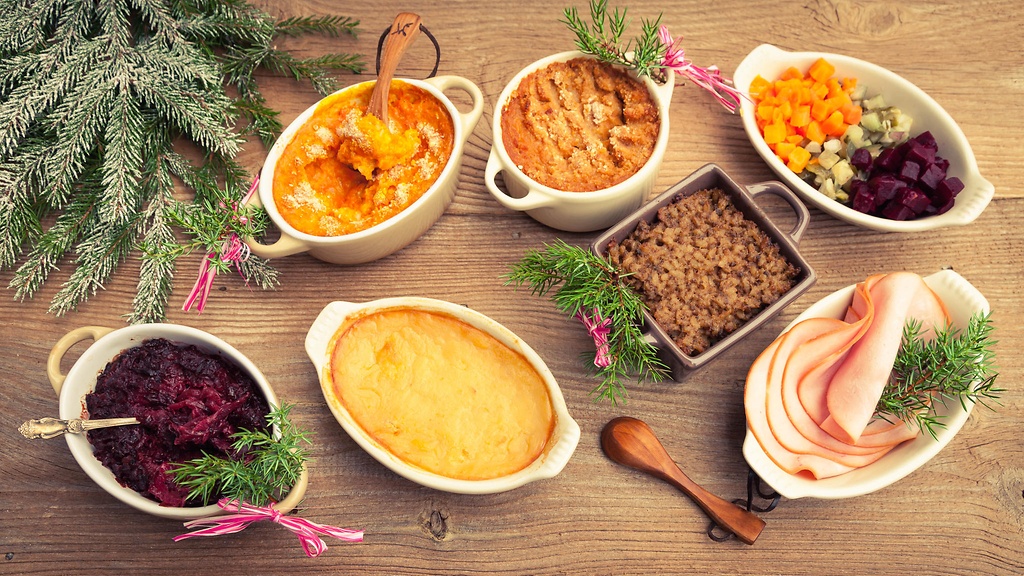
One cannot speak of Finnish home cooking without acknowledging the classics that have endured through generations. These dishes evoke memories of family tables, holiday celebrations, and the quiet warmth of a home on a snowy winter evening. Karjalanpiirakka, or Karelian pies, are among the most iconic. Originating from the Karelia region, these thin rye crust pastries are traditionally filled with rice porridge or mashed potatoes and often topped with a layer of butter mixed with boiled egg. Making Karjalanpiirakka at home may seem daunting, but the process is meditative. Rolling out the delicate rye dough and carefully folding the edges is almost a ritual, a quiet testament to patience and care. Served warm, they are both comfort food and a nod to Finnish culinary history.
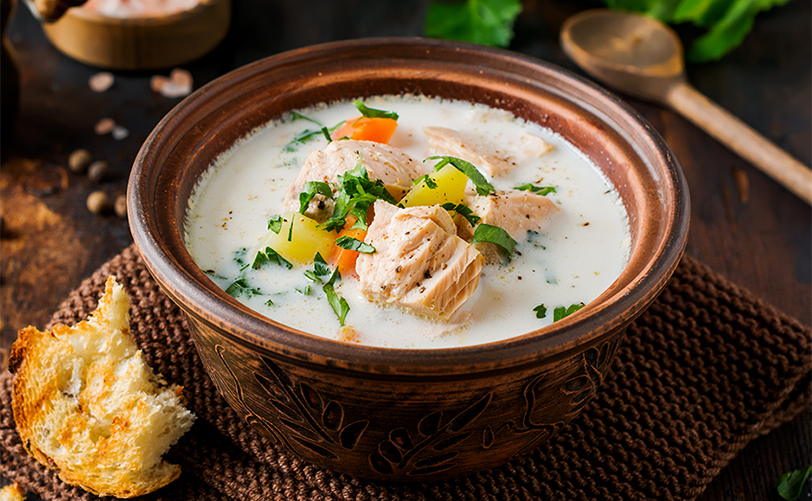
Another cornerstone of Finnish cooking is lohikeitto, a creamy salmon soup. This dish embodies the Finnish philosophy of simplicity done right. Fresh salmon, potatoes, leeks, and carrots simmer in a lightly seasoned broth, finished with a touch of cream and dill. What makes lohikeitto special is its seasonality: in summer, fresh lake salmon enhances the flavor, while in winter, frozen or smoked salmon preserves its essence. A bowl of lohikeitto is more than nourishment; it is a reminder of Finland’s lakes and forests, a connection to the natural world even from the heart of a city kitchen.
Rye bread, or ruisleipä, is another staple in Finnish homes. Dense, slightly sour, and packed with flavor, it serves as a foundation for many meals. Rye bread is not just a side; it is a canvas for toppings ranging from butter and cheese to cold cuts and smoked fish. Baking rye bread at home is an exercise in patience, as the dough requires long fermentation, but the result is a loaf that transforms any meal into an authentic Finnish experience.
For those with a sweet tooth, pullat, soft cardamom buns, are a must. These golden, aromatic treats are often baked in homes to mark special occasions or simply to enjoy with a cup of coffee. Finnish pullat are slightly different from other Scandinavian buns due to their delicate sweetness and subtle cardamom flavor. They exemplify the Finnish love for cozy moments, especially during the long, dark winters, when a warm bun and a steaming cup of coffee can turn an ordinary day into a comforting ritual.
Modern Twists: Reimagining Finnish Cuisine
While traditional dishes form the backbone of Finnish home cooking, contemporary chefs and home cooks are experimenting with bold twists, infusing old recipes with new ingredients, techniques, and international influences. One popular trend is combining wild Finnish ingredients with global flavors. For example, wild mushrooms and lingonberries are being used in fusion dishes like mushroom risotto with a lingonberry reduction, offering a fresh perspective on Finnish flavors while maintaining a connection to local produce.
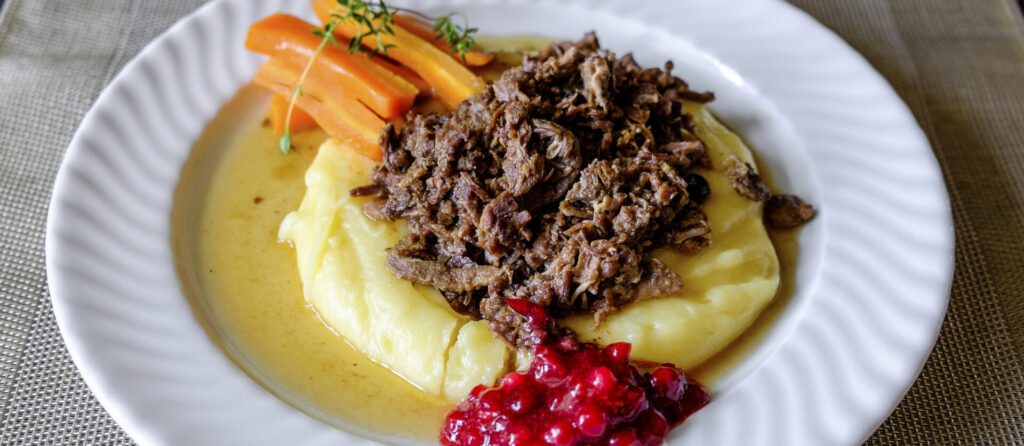
Salmon, a hallmark of Finnish cooking, has also found a new home in modern culinary experiments. Smoked salmon tacos with rye tortilla and dill crème fraîche are becoming popular in urban kitchens. This dish preserves the traditional taste of salmon while presenting it in an accessible, contemporary format. Similarly, reindeer meat, traditionally served in creamy stews, is being reinvented in gourmet dishes like reindeer carpaccio with pickled mushrooms and juniper berry sauce, merging the rustic charm of Finnish cuisine with haute cuisine techniques.
Vegetarian and vegan adaptations of classic Finnish dishes are gaining traction as well. Mushroom and barley pies, inspired by traditional Karelian pastries, provide a plant-based alternative without compromising on taste. Root vegetable soups, like creamy carrot and parsnip blends, are often enhanced with hints of ginger and nutmeg, creating warming meals that echo Finnish tradition while catering to modern dietary preferences.
The Role of Seasonal Ingredients
Seasonality is a cornerstone of Finnish home cooking. The cuisine evolves with the changing seasons, reflecting the natural availability of ingredients and the rhythms of the land. Spring brings fresh greens, nettles, and ramps. Summer is celebrated with wild berries, fresh fish, and new potatoes. Autumn showcases mushrooms, game meats, and root vegetables, while winter relies on preserved foods, hearty stews, and baked goods to sustain the body through the long, cold months.
Cooking seasonally not only enhances flavor but also fosters a deeper connection to nature. Home cooks learn to appreciate the subtle differences in ingredients depending on the time of year, and dishes like mushroom soup or berry pies become markers of seasonal change. It is this intimate relationship with nature that makes Finnish home cooking uniquely fulfilling.
The Finnish Coffee Culture
No discussion of Finnish home cooking is complete without mentioning coffee culture. Finland has one of the highest per capita coffee consumption rates in the world, and coffee is an integral part of home life. Coffee breaks, or kahvihetki, are moments to pause, connect, and savor both conversation and flavor. They often accompany pastries like pullat or simple rye bread with butter, creating a ritual that is as much about community and reflection as it is about taste. In modern kitchens, coffee culture inspires creative pairings, from cardamom-infused lattes to coffee-rubbed salmon, blending tradition with innovation.
Bringing Finland to Your Table
Recreating Finnish dishes at home is about more than just recipes; it is about atmosphere, mindfulness, and cultural appreciation. The Finnish approach to cooking emphasizes patience, respect for ingredients, and a balance of flavors. Even simple meals carry intention, whether it is preparing a warm soup after a winter walk or baking fresh rye bread to share with family. Modern adaptations enhance this experience by introducing new textures, spices, and global inspirations without losing the essence of Finnish identity.
Cooking Finnish cuisine at home also offers an invitation to slow down. Unlike fast-paced culinary trends, Finnish dishes often require time—long simmering, gentle baking, careful seasoning. This slow approach fosters a deeper appreciation for the food itself, the process of creation, and the moments shared around the table. Whether it is the creamy comfort of lohikeitto, the delicate crunch of a Karjalanpiirakka, or the fragrant sweetness of pullat, Finnish dishes bring warmth, nostalgia, and a profound sense of place into the home kitchen.
Finnish Home Cooking as a Lifestyle
Ultimately, the art of Finnish home cooking is a lifestyle. It is a philosophy that celebrates simplicity, respect for nature, and the joy of creating nourishing meals from scratch. Modern twists do not diminish this tradition; instead, they expand its reach, allowing home cooks to explore new horizons while honoring the past. Every dish tells a story—of landscapes, seasons, family gatherings, and culinary evolution.
For those willing to embrace it, Finnish home cooking offers more than just recipes; it offers connection, creativity, and the quiet satisfaction of making something beautiful and wholesome with your own hands. It is an art form where tradition and innovation meet, where flavors are both familiar and exciting, and where every meal is an invitation to experience the heart of Finland from the comfort of your own home.
Conclusion
The journey of Finnish home cooking is a celebration of heritage, ingredients, and ingenuity. Classic dishes like Karjalanpiirakka, lohikeitto, and pullat carry the weight of history and cultural identity, while modern interpretations invite creativity and global perspectives. Embracing seasonal ingredients, honoring traditions, and experimenting thoughtfully are all part of the Finnish culinary philosophy. By bringing these practices into your kitchen, you are not just preparing meals—you are participating in a centuries-old tradition and discovering the art of cooking that is uniquely Finnish. Whether you are savoring a bowl of salmon soup, sharing warm rye bread with loved ones, or experimenting with lingonberries in contemporary dishes, Finnish home cooking offers an experience that is rich, fulfilling, and deeply rooted in the rhythms of life itself.