
Cooking is often described as a balance of technique and intuition, but spices are where emotion, memory, and culture truly enter the kitchen. A familiar recipe can feel entirely new with the addition of a single, unexpected spice. While salt and pepper form the backbone of many cuisines, it is the more distinctive spices—those used sparingly, intentionally, and sometimes courageously—that transform ordinary food into something memorable. Unique spices do not simply add flavor; they change how we experience a dish, altering aroma, mouthfeel, aftertaste, and even emotional response. They can make comfort food feel adventurous or elevate humble ingredients into something that tastes deliberate and complex. Understanding how these spices work, and why they have such a profound impact on everyday recipes, opens up a deeper, more creative relationship with cooking.
The Power of Aroma and Why Smell Changes Taste
Before food ever touches the tongue, it is experienced through smell, and spices are the strongest drivers of this sensory gateway. Unique spices like cardamom, star anise, fenugreek, and sumac contain volatile aromatic compounds that activate the olfactory system immediately. This means a dish can taste more complex without becoming heavier or richer, simply because the brain is receiving more sensory information. When added to everyday recipes, these spices reshape expectations before the first bite even happens.
Consider a simple pot of rice. On its own, rice is neutral and comforting, but adding whole cardamom pods or a pinch of saffron changes the dish completely. The aroma signals warmth, depth, and intention, even though the base ingredients remain the same. This phenomenon explains why certain spices are used at the beginning of cooking rather than at the end. Blooming spices in oil releases aromatic compounds that cling to other ingredients, spreading their influence throughout the dish rather than sitting on top of it.
Aroma also has a powerful connection to memory. Unique spices often feel transformative because they are unfamiliar, forcing the brain to slow down and pay attention. A dash of allspice in tomato sauce or a hint of cloves in roasted vegetables may not be immediately identifiable, but it creates a sense of intrigue. The dish feels richer and more layered, even if the eater cannot name why. This is why spices traditionally associated with sweet foods can work so well in savory cooking. Cinnamon in chili or nutmeg in cream sauces challenges expectations and deepens flavor perception without overwhelming the palate.
By changing aroma, spices rewrite how a familiar dish is interpreted. They make the everyday feel intentional, aromatic, and emotionally engaging, turning routine meals into sensory experiences rather than mere sustenance.
Flavor Complexity and the Illusion of Richness
One of the most remarkable effects unique spices have on everyday recipes is their ability to create complexity without excess. Richness is often associated with fat, sugar, or salt, but spices offer another path. They create the illusion of depth through layered flavor, allowing simpler, lighter dishes to feel satisfying and complete. This is especially important in home cooking, where balance matters more than indulgence.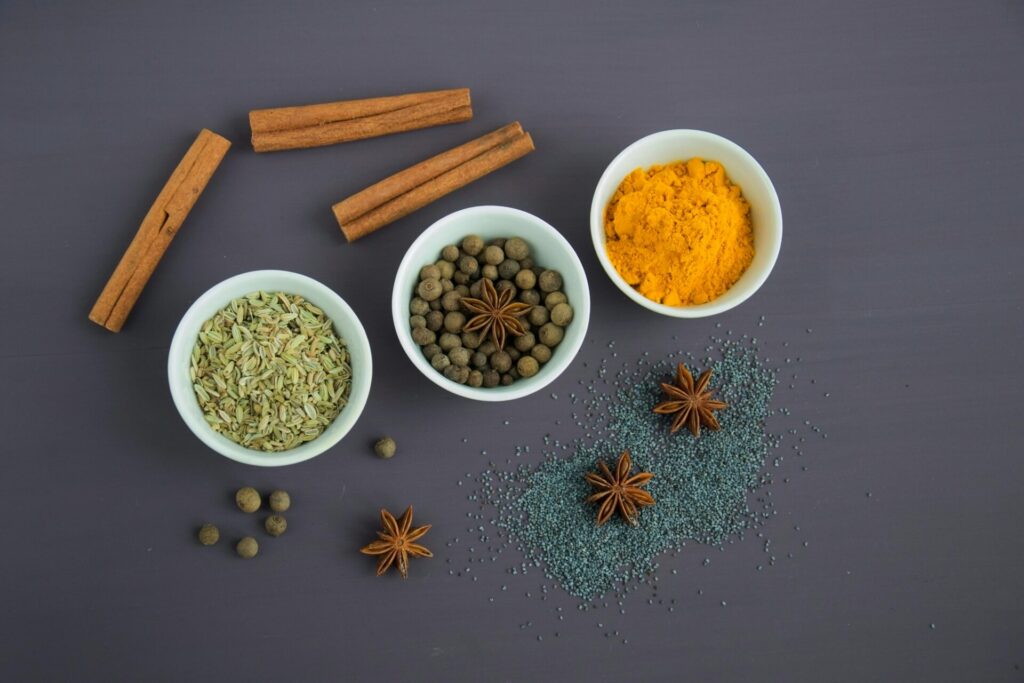
Spices like smoked paprika, black lime, and asafoetida introduce flavors that suggest slow cooking, fermentation, or roasting, even when those processes have not occurred. A lentil soup seasoned with black lime suddenly tastes deeper and more developed, as if it has simmered for hours. Similarly, smoked spices can add a sense of fire and time to foods cooked quickly on a stovetop. These spices act as shortcuts, but not cheap ones; they are rooted in traditional culinary techniques from around the world.
Flavor complexity also comes from contrast. Unique spices often combine bitterness, sweetness, heat, and acidity in subtle ways. This balance keeps the palate engaged, preventing flavor fatigue. A sprinkle of sumac on roasted chicken adds brightness and tang that cuts through fat, making each bite feel fresher. Fenugreek introduces a gentle bitterness that enhances sweetness in dishes like curries or even maple-glazed vegetables. These effects are subtle but cumulative, building a flavor profile that feels intentional and satisfying.
Importantly, spices can also reduce reliance on excessive salt or sugar. When food tastes interesting, it does not need to be aggressively seasoned in one dimension. This makes everyday cooking healthier without feeling restrictive. Unique spices expand the range of flavor tools available, allowing cooks to create dishes that feel indulgent while remaining balanced. In this way, spices do not just enhance recipes; they redefine what “rich” and “flavorful” can mean.
Cultural Influence and the Expansion of Everyday Cooking
Every spice carries a story, and when introduced into everyday recipes, those stories subtly reshape how food is perceived. Turmeric, za’atar, berbere, and garam masala are not just flavorings; they are expressions of regional history, climate, and tradition. When these spices enter routine home cooking, they expand the cultural language of food, even if the recipe itself remains familiar.
Adding za’atar to scrambled eggs or roasted potatoes introduces Middle Eastern flavor principles into a Western breakfast staple. The dish becomes a bridge between culinary worlds, demonstrating how adaptable everyday recipes truly are. This blending does not require strict authenticity to be meaningful. Instead, it reflects how food naturally evolves when cultures intersect. Spices act as ambassadors, carrying the essence of a cuisine without demanding complete transformation of technique or ingredients.
This cultural expansion also encourages curiosity and respect. A cook who experiments with Kashmiri chili or Sichuan peppercorn begins to understand heat differently. These spices challenge the idea that spiciness is one-dimensional, revealing layers of numbness, fruitiness, or warmth. As a result, everyday cooking becomes a learning process, not just a routine. Meals become opportunities to explore geography and tradition through flavor.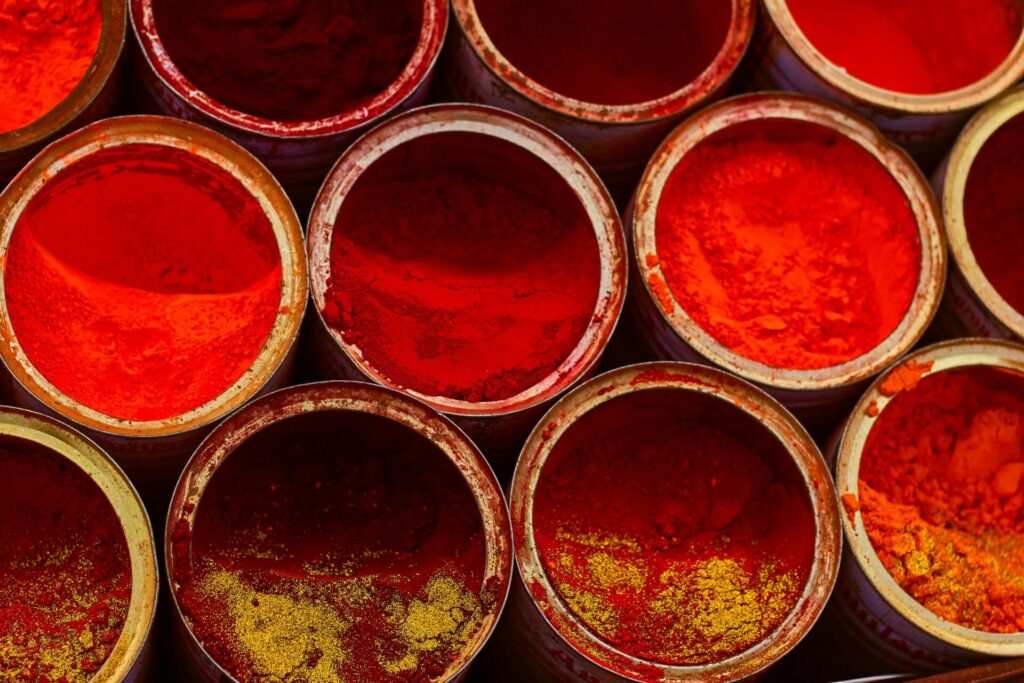
Spices also help normalize global flavors, making them part of daily life rather than special occasions. When miso powder appears in salad dressings or harissa becomes a regular condiment, global cuisine stops feeling distant or exotic. It becomes personal and accessible. This shift changes not only recipes but attitudes toward food, encouraging openness and experimentation. Unique spices transform the kitchen into a place of cultural exchange, even on the most ordinary weeknight.
Texture, Heat, and the Physical Experience of Eating
While spices are often discussed in terms of flavor and aroma, their impact on texture and physical sensation is just as important. Certain spices interact with the body directly, creating warmth, cooling, tingling, or numbing effects. These sensations change how food feels, not just how it tastes, adding another layer to everyday recipes.
Chili varieties, for example, differ widely in how they deliver heat. Aleppo pepper offers a slow, fruity warmth, while bird’s eye chili provides sharp intensity. Using these thoughtfully can reshape a dish’s personality. A pasta sauce with gentle heat feels comforting and lingering, while the same sauce with aggressive spice feels energizing and bold. Neither is better; they simply create different eating experiences.
Spices like ginger and galangal add warmth that feels internal rather than sharp. This makes them especially effective in soups, stews, and simple vegetable dishes, where they create a sense of nourishment and comfort. On the other end of the spectrum, spices like Sichuan peppercorn introduce a numbing sensation that heightens awareness of texture. Crunchy foods feel crunchier, and soft foods feel silkier by contrast. This physical engagement keeps the eater present, turning a simple meal into a dynamic experience.
Even ground spices can affect texture indirectly. Toasted cumin or coriander adds a subtle graininess that enhances roasted foods, while finely ground spices dissolved into sauces create a velvety, cohesive mouthfeel. These effects are rarely conscious, but they influence satisfaction deeply. By manipulating physical sensation, spices ensure that everyday recipes feel complete and engaging, not flat or monotonous.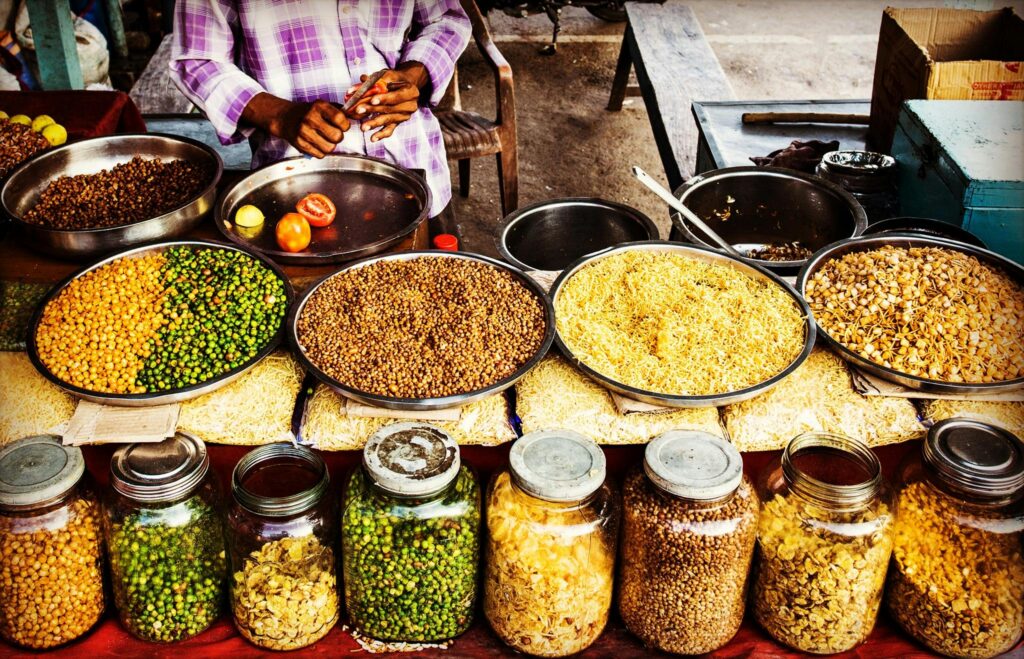
Emotional Resonance and the Psychology of Flavor
Perhaps the most profound way unique spices change everyday recipes is through emotion. Flavor is deeply psychological, shaped by memory, expectation, and context. Spices have the power to comfort, energize, or surprise, often all at once. A dish seasoned with familiar spices feels safe and grounding, while one flavored with unexpected spices feels adventurous and stimulating.
This emotional impact explains why spices associated with holidays or family traditions feel especially powerful. Nutmeg, clove, and cinnamon can instantly evoke warmth and nostalgia, even when used in savory dishes. Conversely, spices encountered later in life often feel exciting because they represent discovery and growth. Introducing these into everyday recipes keeps cooking from becoming stagnant, maintaining a sense of creativity and play.
Spices also influence mood through their physiological effects. Warming spices can feel soothing, while bright, citrusy spices feel uplifting. This makes seasoning a form of emotional design. A simple meal can be tailored to how one wants to feel, not just what one wants to eat. Everyday cooking becomes a subtle act of self-care, guided by intuition and sensory awareness.
Ultimately, unique spices change everyday recipes by changing the relationship between cook, food, and eater. They invite attention, curiosity, and emotion into the kitchen. Through aroma, complexity, cultural connection, physical sensation, and emotional resonance, spices transform the ordinary into the meaningful. They remind us that even the simplest meals can be rich with experience when flavored thoughtfully and intentionally.