
The Swiss Home Kitchen and the Soul of Everyday Cooking
The Swiss home kitchen is not a place of spectacle. It is a space shaped by mountains, seasons, and practicality, where food is cooked with quiet confidence rather than flair. Swiss cuisine at home reflects a culture that values consistency, quality, and respect for ingredients, and this philosophy is felt in every pot simmering on the stove and every loaf cooling on the windowsill. While restaurants may showcase cheese fondue and chocolate creations to the world, home cooking in Switzerland tells a deeper story rooted in family rhythms and regional identity.
Swiss home cooks rarely chase trends. Recipes are passed down, adjusted slowly over time, and protected with a sense of pride. Meals are meant to nourish, not impress, and this approach gives Swiss cuisine its enduring warmth. Understanding the Swiss home kitchen means understanding how geography, climate, and history quietly guide what ends up on the table. Even modern Swiss households, equipped with contemporary appliances, still follow patterns shaped centuries ago.
Regional Flavors Shaped by Language and Landscape
Switzerland’s culinary identity is famously fragmented, and nowhere is this more evident than in home kitchens. The country’s four language regions influence cooking styles just as strongly as borders influence dialects. In the German-speaking regions, dishes tend to be hearty and rustic, emphasizing potatoes, dairy, and preserved meats. In French-speaking Switzerland, home cooking leans toward refined sauces and slow-simmered preparations. Italian-speaking Ticino brings olive oil, polenta, and sun-ripened vegetables into everyday meals.
A Swiss kitchen in Bern might prepare a comforting plate of rösti with onions and bacon, while a family in Vaud gently braises leeks in cream to accompany lake fish. In Ticino, polenta is stirred patiently over low heat, a ritual that turns cooking into a communal act rather than a task. These differences are not theatrical but deeply lived. Swiss home cooking is regional first and national second, and this diversity gives the cuisine its depth.
Even neighboring villages can cook the same dish differently, adjusting seasoning or technique based on tradition rather than written instruction. This local pride ensures that Swiss cuisine remains deeply personal, shaped as much by memory as by geography.
Old-World Techniques Passed Down Through Generations
Swiss cuisine at home relies heavily on techniques that predate modern convenience. Braising, curing, fermenting, and slow baking are not nostalgic affectations but practical responses to alpine living. Before supermarkets and refrigeration, Swiss households depended on methods that preserved food through long winters. Those techniques remain relevant today, not because they are fashionable, but because they are reliable.
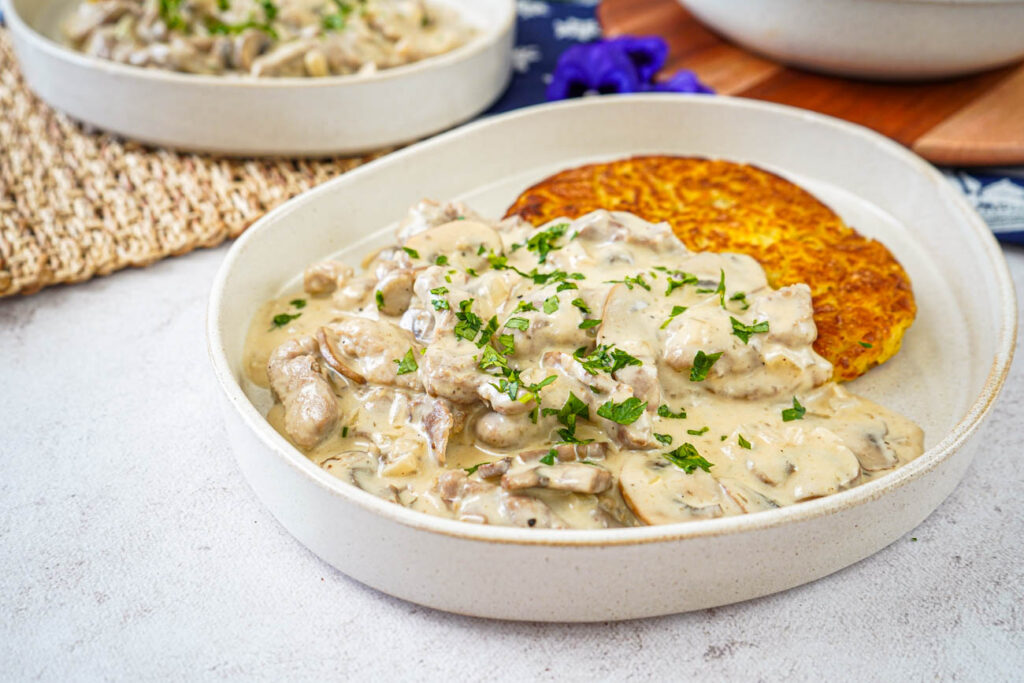
One of the most enduring practices is slow simmering. Dishes like Zürcher Geschnetzeltes, made with veal and cream, rely on gentle heat to coax tenderness without rushing the process. Soups and stews are often left to cook quietly, filling the home with comforting aromas that signal care and patience. Bread baking follows traditional rhythms, with dense loaves made from rye or spelt that keep well for days.
Cheese-making knowledge has also shaped everyday cooking. Even when cheese is purchased rather than produced, Swiss cooks instinctively understand how heat, acidity, and timing affect texture. This intuition allows simple dishes to feel deeply satisfying without unnecessary embellishment.
The Central Role of Dairy and Alpine Produce
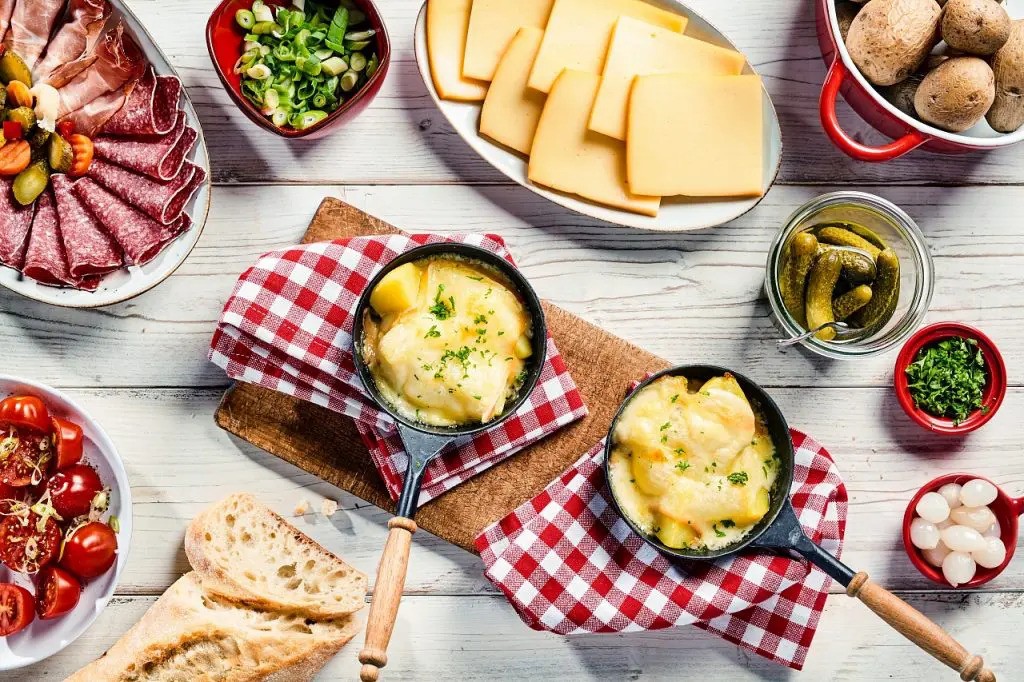
Dairy is the backbone of Swiss home cooking, but it is treated with restraint and respect. Cheese is not used excessively but purposefully, melting into sauces or forming the heart of a meal when needed. Butter enriches dishes quietly rather than dominating them, and cream is added to soften flavors instead of overwhelming them.
Seasonal produce complements this dairy-focused approach. Root vegetables like potatoes, carrots, and turnips appear frequently, especially in colder months. Cabbage, leeks, and apples are staples, often cooked slowly to bring out natural sweetness. In summer, fresh herbs, berries, and stone fruits introduce lightness without abandoning tradition.
A dish like Älplermagronen captures this balance perfectly. Pasta, potatoes, cream, cheese, and onions come together in a way that feels indulgent yet grounded. Applesauce is often served alongside, adding a subtle contrast that reflects the Swiss talent for pairing flavors thoughtfully rather than dramatically.
Iconic Home-Cooked Dishes Beyond the Tourist Menu
While fondue is internationally synonymous with Swiss food, it is only one part of a much larger domestic repertoire. At home, fondue is usually reserved for colder evenings or special gatherings, prepared with familiarity rather than ceremony. More commonly, Swiss families turn to everyday classics that rarely appear on postcards.
Rösti is perhaps the most beloved of these dishes. Originally a farmer’s breakfast, it has evolved into a versatile staple served alongside eggs, sausage, or vegetables. Each household has its own method, whether grating potatoes raw or parboiling them first, and these preferences are defended with surprising passion.
Another home favorite is barley soup, particularly in the canton of Graubünden. This slow-cooked dish combines pearl barley, vegetables, and smoked meat into a thick, comforting meal that reflects alpine resilience. In French-speaking areas, papet vaudois pairs leeks with potatoes and sausages in a humble yet deeply satisfying way.
Desserts in Swiss homes tend to be modest but meaningful. Apple tarts, semolina pudding, nut cakes, and lightly sweetened creams appear frequently, offering warmth and familiarity rather than extravagance.

Cooking as a Reflection of Swiss Values
Swiss home cooking mirrors the broader cultural values of the country. There is a strong emphasis on reliability, balance, and thoughtful preparation. Meals are planned with intention, waste is avoided, and ingredients are used fully. Leftovers are repurposed rather than discarded, often becoming soups or gratins the following day.
This mindset extends to portion sizes, which are generous but sensible, and to flavor profiles that favor harmony over intensity. Time also plays an important role. Swiss households often prioritize sitting down together for meals, even during busy weeks. Cooking is not rushed if it compromises quality, and shortcuts are approached cautiously.
Rather than strict rules, Swiss cooking is guided by instinct developed over time. This creates food that feels both structured and comforting, a reflection of daily life rather than a performance.
Adapting Swiss Home Cooking Outside Switzerland
Recreating the Swiss home kitchen beyond its borders is entirely possible, even without access to alpine ingredients. The key lies in adopting the underlying philosophy rather than chasing authenticity through specialty products. Swiss cuisine at home is about method and mindset, not perfection.
Simple substitutions work well when chosen thoughtfully. A good-quality local cheese can replace a Swiss variety if it melts well and has balanced flavor. Root vegetables and seasonal produce form the foundation of many Swiss dishes and are widely available. Most importantly, cooking should be approached with patience and care.
Allowing dishes to cook slowly, tasting as you go, and respecting the natural qualities of ingredients will bring you closer to the spirit of Swiss home cooking than any imported ingredient ever could.
The Enduring Appeal of the Swiss Home Kitchen
The Swiss home kitchen endures because it resists excess. In a world increasingly driven by novelty, Swiss cooking remains rooted in what works. Its authenticity comes not from rigid tradition but from adaptability grounded in experience. Recipes evolve gently, guided by taste, season, and practicality rather than trends.
This approach creates food that feels timeless. A bowl of soup, a pan of rösti, or a slice of homemade cake can connect generations, offering comfort that transcends geography. Swiss home cooking is not about nostalgia but continuity, a reminder that good food does not need to shout to be memorable.
Bringing this spirit into your own kitchen is less about replicating exact dishes and more about embracing the values behind them. Cook slowly, choose ingredients with care, and let simplicity lead the way. In doing so, you capture the true essence of the Swiss home kitchen, wherever you are in the world.