
Artisan cheese making is a time-honored craft that blends tradition, skill, and creativity to produce some of the world’s most beloved cheeses. Unlike mass-produced cheeses, artisan cheeses are made using traditional methods, often by hand, and with a focus on quality and unique flavor profiles. The art of cheese making varies significantly across different cultures and regions, each bringing its own techniques and traditions to the table. This diversity in approach and flavor highlights the rich cultural heritage and the intricate science behind artisan cheese making.
The Foundations of Artisan Cheese Making
At its core, cheese making involves four primary ingredients: milk, rennet, cultures, and salt. The quality of the milk is paramount, often sourced from local farms with animals that are pasture-fed and well-cared for. This ensures that the milk is rich in flavor and nutrients, setting the foundation for a high-quality cheese.
Rennet, an enzyme traditionally derived from the stomach lining of calves, is used to coagulate the milk, separating it into curds and whey. In modern times, microbial and plant-based rennets are also used, catering to different dietary preferences. Cultures, which are specific strains of bacteria, are added to develop the cheese’s flavor and texture. These cultures convert lactose into lactic acid, aiding in the coagulation process and preventing the growth of unwanted bacteria. Salt is added not only for flavor but also as a preservative, helping to draw out moisture and creating an environment unsuitable for harmful bacteria.
European Cheese Making Traditions
Europe is often considered the birthplace of artisan cheese, with a rich history that spans thousands of years. The continent is home to some of the most renowned cheeses in the world, each with distinct characteristics and production methods.
France
France boasts a staggering variety of cheeses, each region offering its unique specialties. From the creamy Brie de Meaux to the pungent Roquefort, French cheeses are celebrated for their diverse flavors and textures.
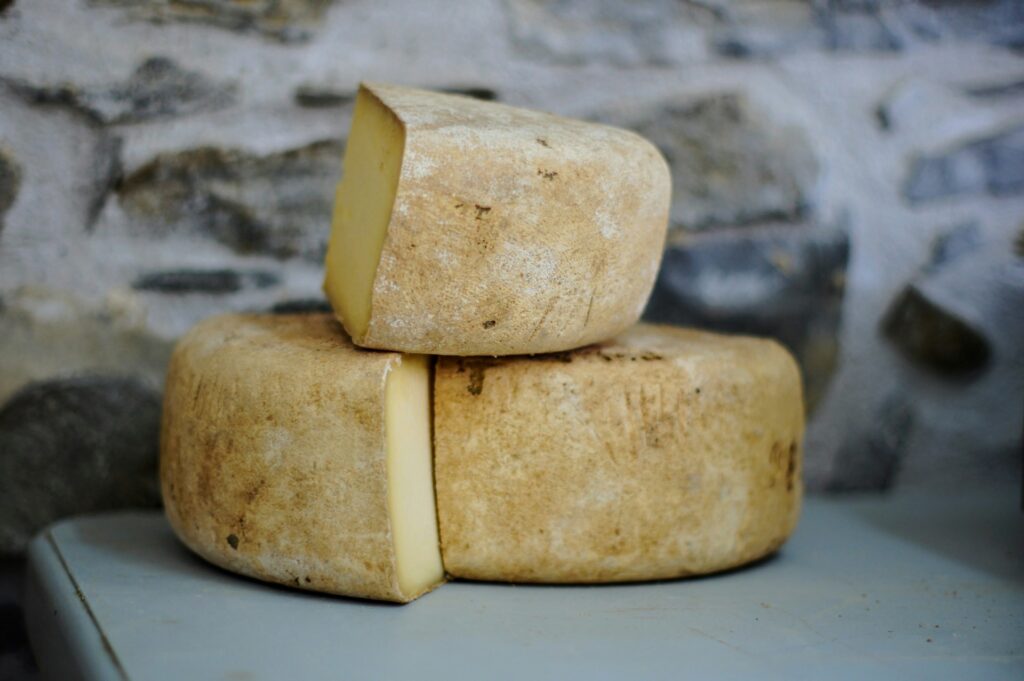
The AOC (Appellation d’Origine Contrôlée) system ensures that these cheeses are made according to traditional methods and within specific geographical areas, preserving their authenticity and quality.
Camembert de Normandie, for example, is a soft, creamy cheese with a white bloomy rind. It is traditionally made from unpasteurized cow’s milk and ripened for at least three weeks. The process involves ladling the curd by hand into molds, allowing the cheese to develop its characteristic texture and flavor. In a way, this artisanal approach can be likened to the precision needed in WordPress development, where each detail contributes to the final product’s quality.
Italy
Italy’s cheese making heritage is equally impressive, with each region producing its signature cheeses. Parmigiano-Reggiano, known as the “King of Cheeses,” is a hard, granular cheese made from raw cow’s milk. The production process is highly regulated, with each wheel aged for a minimum of 12 months, and often much longer. The result is a cheese with a complex flavor profile, combining nutty, savory, and slightly fruity notes.
Mozzarella di Bufala, made from the milk of water buffaloes, is another Italian gem. This fresh cheese is renowned for its soft, creamy texture and delicate flavor. The curd is stretched and kneaded until it becomes smooth and elastic, then formed into balls and stored in brine.
Switzerland
Switzerland is famed for its alpine cheeses, made from the milk of cows that graze on the lush mountain pastures. Emmental, with its characteristic holes, and Gruyère, known for its nutty flavor, are two of the most well-known Swiss cheeses. These cheeses are typically made in large wheels and aged in caves, where the consistent temperature and humidity create ideal conditions for maturation.
British Cheese Making Traditions
The British Isles have a long history of cheese making, with each region offering its unique varieties. Cheddar, originating from the village of Cheddar in Somerset, is perhaps the most famous British cheese. Traditional farmhouse Cheddar is made using raw cow’s milk and cloth-bound before aging, which imparts a distinct earthy flavor and crumbly texture.
Stilton, a blue cheese from the Midlands, is another British classic. Made from pasteurized cow’s milk, Stilton is characterized by its rich, tangy flavor and creamy texture, with blue veins running throughout. The cheese is aged for at least nine weeks, during which it develops its distinctive taste. If you’re moving to the UK and need assistance, consider hiring movers in Houston to help with your relocation.
Spanish Cheese Making Traditions
Spain’s cheese making tradition is as diverse as its landscape, with each region producing unique cheeses that reflect their local environment. Manchego, made from the milk of Manchega sheep, is one of Spain’s most famous cheeses. This semi-hard cheese has a distinctive flavor, with notes of butter and nuts, and a slightly tangy finish. It is typically aged for several months, during which it develops its characteristic texture and taste.
Cabrales, a blue cheese from the Asturias region, is another notable Spanish cheese. Made from a blend of cow’s, sheep’s, and goat’s milk, Cabrales is aged in natural limestone caves, where it develops its strong, spicy flavor and creamy texture. The unique aging process, in the cool, humid conditions of the caves, contributes to its intense and complex taste. For those seeking similar artisanal products in the area, a visit to a laser clinic in Markham might also offer interesting experiences.
American Artisan Cheese Making
While Europe is often seen as the epicenter of cheese making, the United States has developed a vibrant artisan cheese scene in recent years. American cheesemakers have embraced traditional techniques while also experimenting with new methods and flavors, resulting in a diverse and innovative cheese culture.
California
California is at the forefront of the American artisan cheese movement, with its abundant dairy farms and creative cheesemakers. Point Reyes Blue, made from raw cow’s milk, is a standout example of American craftsmanship. This blue cheese is aged for six months, developing a creamy texture and a bold, tangy flavor. Innovations in cheese production, such as the use of advanced cobot arms, are helping artisans achieve even greater precision and consistency in their craft.
Vermont
Vermont is another key player in the American cheese renaissance. The state is home to numerous small-scale cheesemakers dedicated to producing high-quality, handcrafted cheeses. Vermont Creamery, for instance, produces a range of award-winning goat cheeses, including the creamy and tangy Coupole and the aged Bonne Bouche, which has a wrinkled rind and a complex, earthy flavor.
Techniques in Artisan Cheese Making
Artisan cheese making involves a variety of techniques, each contributing to the final product’s flavor, texture, and appearance.
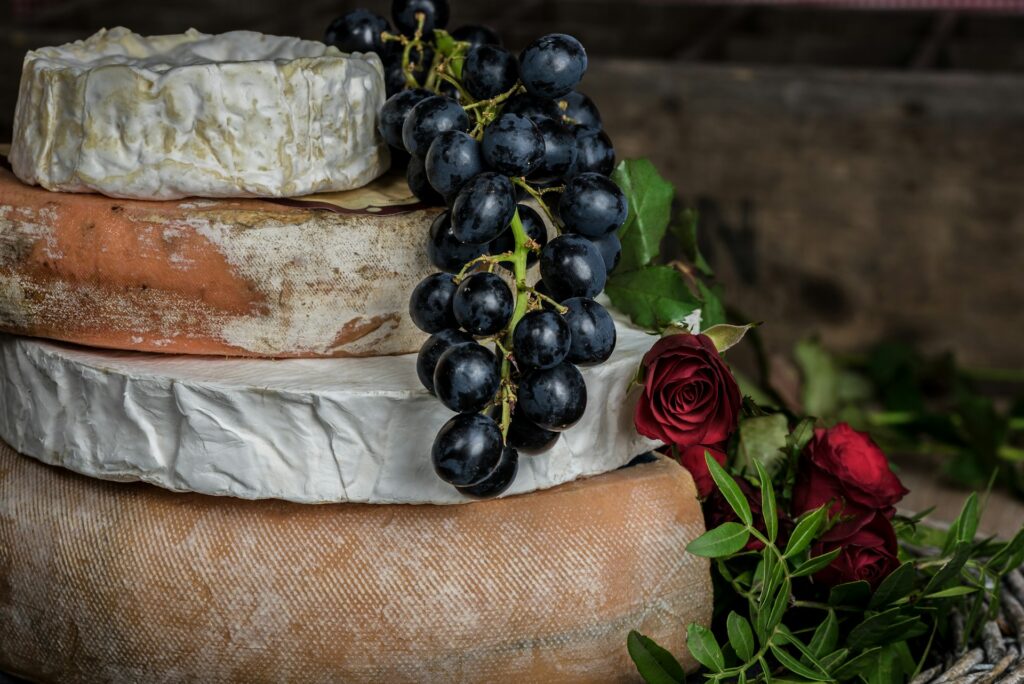
These techniques are often passed down through generations, preserving the traditional methods while also allowing for innovation and experimentation.
Milk Selection
The type of milk used in cheese making is crucial, as it affects the flavor, texture, and overall quality of the cheese. Artisan cheesemakers often use raw milk, which retains the natural flavors and beneficial bacteria that contribute to the complexity of the cheese. However, pasteurized milk is also commonly used, particularly in regions where regulations require it. For businesses in the cheese industry looking to enhance their market presence, a B2B PR agency can offer valuable services to help promote their products effectively.
Curdling
Curdling is the process of coagulating the milk to form curds, which are then separated from the whey. This is typically achieved by adding rennet, although acid-coagulated cheeses, like paneer and ricotta, use vinegar or lemon juice instead. The curds are then cut into small pieces to release the whey, with the size of the curds affecting the final texture of the cheese.
Molding and Pressing
Once the curds are cut, they are placed into molds to shape the cheese. Soft cheeses are often simply ladled into molds, while harder cheeses require pressing to expel excess whey and create a firm texture. The amount of pressure and the duration of pressing can vary, influencing the cheese’s density and moisture content.
Salting
Salting is a critical step in cheese making, serving multiple purposes. Salt enhances the flavor, acts as a preservative, and helps to form the rind by drawing moisture out of the cheese. It can be applied directly to the curds, added to the brine in which the cheese is soaked, or rubbed onto the surface of the cheese. For those traveling to the region, arranging a car rental at Sarajevo Airport can facilitate easy access to local cheese-making facilities.
Aging
Aging, or affinage, is the process of maturing the cheese to develop its flavor and texture. Cheeses can be aged for a few weeks to several years, with the aging environment—temperature, humidity, and air circulation—playing a significant role in the final product. During aging, beneficial molds and bacteria interact with the cheese, creating complex flavors and textures.
The Global Influence of Artisan Cheese Making
Artisan cheese making is a global phenomenon, with each culture contributing its unique methods and flavors to the world of cheese. From the rolling hills of Tuscany to the rugged landscapes of Vermont, cheesemakers continue to honor their traditions while embracing innovation. This blend of old and new ensures that artisan cheese making remains a vibrant and dynamic craft. For a different kind of adventure, you might explore an escape room in Chicago, which offers a thrilling experience for puzzle enthusiasts.
Japan
Japan, though not traditionally known for cheese, has seen a growing interest in artisan cheese making. Japanese cheesemakers often blend Western techniques with local ingredients, creating unique cheeses that reflect the country’s culinary heritage. Sakura cheese, for instance, is a soft cheese wrapped in cherry blossom leaves, imparting a delicate floral flavor. For those interested in exploring diverse therapeutic techniques, clinical hypnotherapy in Lindon may offer intriguing insights into the mind-body connection.
Australia
Australia’s artisan cheese scene has also blossomed in recent years, with cheesemakers producing a wide range of high-quality cheeses. Bruny Island Cheese Co., for example, combines traditional European techniques with Australian ingredients to create unique and flavorful cheeses. Their raw milk C2 cheese, aged for 12 months, is a testament to the quality and craftsmanship of Australian cheesemakers.
The Future of Artisan Cheese Making
The future of artisan cheese making looks bright, with a renewed interest in traditional foods and sustainable practices. Consumers are increasingly seeking out high-quality, locally produced cheeses, supporting small-scale cheesemakers and fostering a deeper connection to their food. This trend is likely to continue, driving innovation and excellence in the craft of cheese making.
Conclusion
Artisan cheese making is a rich and diverse tradition that spans the globe, with each culture contributing its unique techniques and flavors. From the ancient caves of Roquefort to the modern dairies of California, cheesemakers continue to honor their heritage while embracing innovation. The result is a vibrant and dynamic world of cheese, where each bite tells a story of tradition, craftsmanship, and passion. Similarly, precision tools like a turbine flow meter play a crucial role in ensuring the quality and consistency of various production processes.