
Belgium is often celebrated for its chocolates, waffles, and beer, but its baking traditions are equally enchanting. From the fragrant warmth of a freshly baked brioche to the delicate crunch of a speculoos cookie, Belgian baking carries a unique blend of history, culture, and sheer culinary joy. Baking like a Belgian at home is not just about following recipes—it’s about embracing a philosophy where patience, quality ingredients, and a touch of artistry come together to create something truly special.
The Heart of Belgian Baking: Bread
Belgian bread is more than a staple; it is an experience. The diversity of breads reflects the country’s regional distinctions, from the soft, slightly sweet pain à la grecque to the dense, hearty desem bread of Flanders. Unlike many modern breads, Belgian breads often rely on natural leavening, with sourdough starters playing a central role in achieving complex flavors and textures. At home, creating these breads requires patience and respect for fermentation. The process of nurturing a starter, allowing dough to rise slowly, and baking in a well-heated oven brings a deep satisfaction unmatched by store-bought loaves.
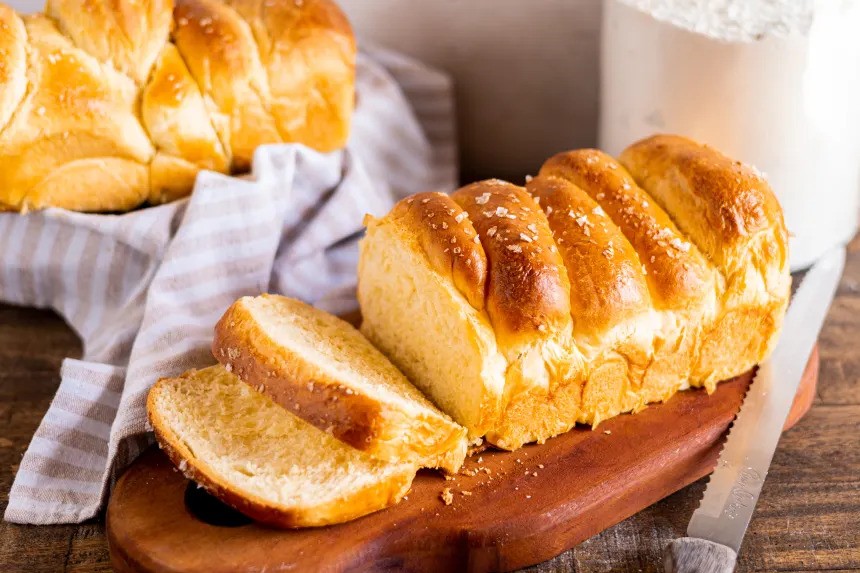
One classic favorite is the white Belgian brioche, a rich, buttery bread that practically melts in your mouth. Making it at home is a labor of love: the dough is kneaded until silky smooth, enriched with butter and eggs, and left to rise until it doubles in size. The resulting loaf is soft and golden, perfect for breakfast with a smear of jam or a drizzle of honey. The beauty of baking bread Belgian-style is in these small moments—watching the dough rise, inhaling the buttery aroma, and slicing into a loaf that feels both luxurious and comforting.
Speculoos: Belgium’s Beloved Spice Cookies
No exploration of Belgian baking is complete without speculoos, the spiced shortcrust cookies that have captured hearts worldwide. Traditionally baked for St. Nicholas Day, these cookies are made with a mix of cinnamon, nutmeg, cloves, ginger, and cardamom, giving them a warm, aromatic profile that is unmistakably Belgian. The dough is often pressed into intricately carved wooden molds, creating patterns that tell stories of Belgian folklore and history.
Baking speculoos at home allows for a personal touch. Rolling the dough evenly, pressing it into molds, and patiently waiting for the oven to transform it into golden, fragrant cookies is a meditative ritual. Freshly baked speculoos are crisp on the edges but slightly tender in the center, offering a comforting crunch that pairs beautifully with a cup of coffee or hot chocolate. Beyond the traditional shapes, home bakers often experiment with modern twists, adding chocolate chips or drizzling caramel over the finished cookies, blending tradition with creativity.
Waffles: From Brussels to Liège
Belgian waffles are globally famous, but the home-baking experience is much more than a tourist indulgence. There are two primary types: Brussels waffles, light and crispy with deep pockets, perfect for whipped cream and fresh berries, and Liège waffles, denser, sweeter, and studded with caramelized sugar pearls that create a satisfying crunch. Making these waffles at home requires attention to detail. The Brussels variety relies on a yeast-based batter, which must rise for several hours, while Liège waffles use a brioche-like dough enriched with pearl sugar that caramelizes as the waffle cooks.
The joy of Belgian waffle baking comes not only from the eating but from the anticipation—the scent that fills the kitchen, the sizzling sound as the batter hits the iron, and the first bite that reveals a perfect combination of crisp exterior and soft interior. Homemade waffles allow for customization: from traditional toppings like whipped cream and strawberries to indulgent combinations like chocolate sauce and caramelized nuts. Each waffle is a canvas, inviting creativity while honoring centuries-old Belgian traditions.
Belgian Pastries: Elegance in Every Bite
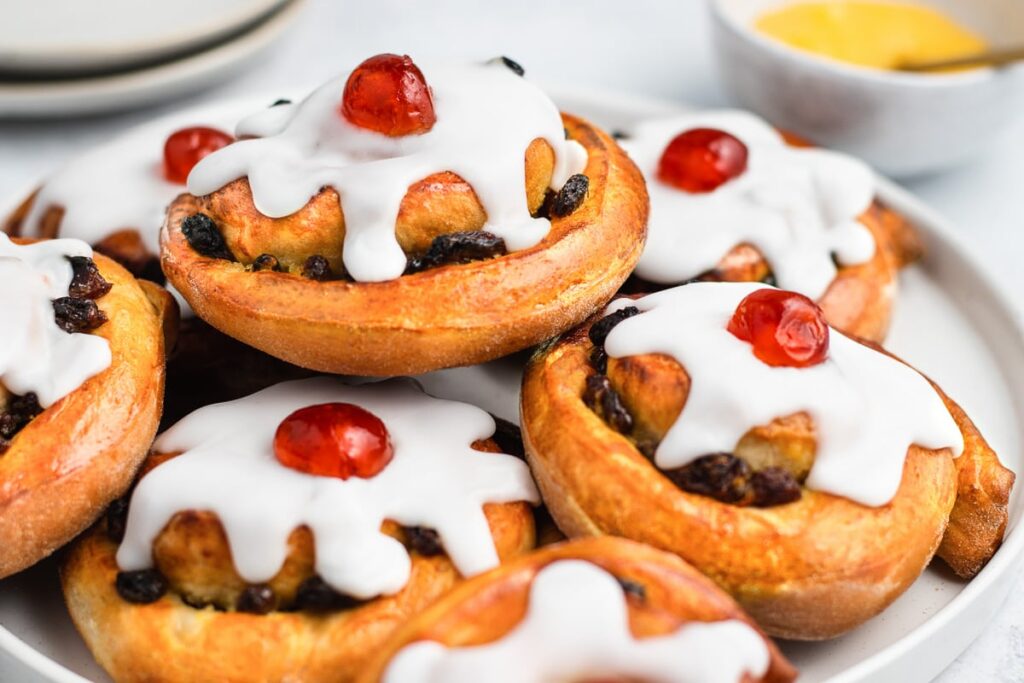
Belgium’s pastries reflect a sophisticated approach to baking, blending precision with artistry. One cannot overlook the delicate couque suisse, a puff pastry filled with custard or chocolate, showcasing the Belgian mastery of laminated dough. Similarly, pain au chocolat and croissants are elevated in Belgian bakeries with richer butter, giving them a flakier texture and deeper flavor. Attempting these at home is a rewarding challenge. Laminating dough—folding butter into layers of dough repeatedly—requires patience and technique, but the result is a pastry that fluffs and separates into airy, buttery layers when baked.
Another beloved treat is the tarte au riz, a creamy rice tart that is both humble and indulgent. Unlike many modern desserts, the beauty of this dish lies in its simplicity: a crisp pastry shell cradling a smooth, slightly sweet rice custard, baked until golden. At home, making a tarte au riz is a lesson in balance—ensuring the custard is neither too runny nor overly firm, and the crust provides the perfect contrast to the silky filling.
Chocolate: The Soul of Belgian Desserts
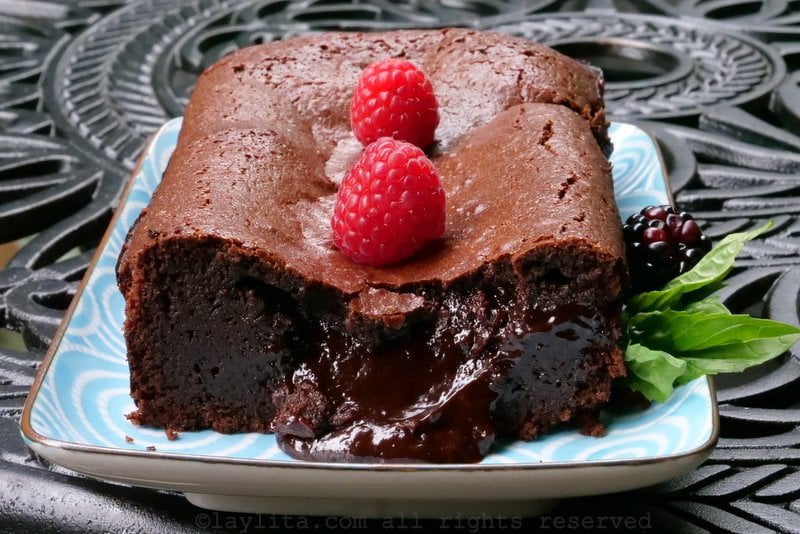
Belgium’s reputation for chocolate is legendary, and this excellence naturally extends to baking. From molten chocolate cakes to chocolate ganaches, Belgian desserts often feature chocolate as the centerpiece, but with a refined touch that elevates each bite. Moelleux au chocolat, a rich chocolate cake with a gooey center, is a classic that demonstrates the Belgian knack for combining decadence with subtlety. The key to success lies in sourcing high-quality chocolate and handling it carefully to preserve its aroma and texture.
At home, baking Belgian chocolate desserts allows for experimentation with flavors and forms. Adding a hint of orange zest to chocolate mousse or infusing ganache with local Belgian beer creates a depth of flavor that is uniquely Belgian. These desserts are not just about sweetness—they tell a story of craftsmanship, culture, and indulgence, inviting bakers to immerse themselves in a sensory experience that transcends mere eating.
Seasonal and Festive Belgian Baking
Belgian baking is closely tied to the calendar, with certain treats reserved for holidays and celebrations. During Christmas, cougnou, a sweet bread shaped like the baby Jesus, fills kitchens with the comforting aroma of butter, milk, and sugar. For Easter, nest-shaped pastries adorned with chocolate eggs capture the spirit of spring. Attempting these seasonal recipes at home is a way to connect with Belgian traditions, offering more than just taste—a sense of cultural participation and festive joy.
The process often mirrors communal activities, where families gather to knead dough, shape cookies, or decorate pastries. This social aspect of Belgian baking is as important as the final product. Baking at home becomes a ritual that nurtures connection, creativity, and a shared appreciation for culinary artistry. Each seasonal recipe carries stories, memories, and a sense of belonging, turning the act of baking into a deeply meaningful experience.
Tips for Baking Belgian at Home
Successfully baking like a Belgian requires attention to detail and respect for ingredients. Belgian recipes often favor natural flavors over artificial shortcuts, making quality flour, fresh butter, and genuine spices essential. Temperature control is crucial, especially for yeast-based doughs and laminated pastries, as is patience during rising and resting periods. Observing the dough, feeling its texture, and trusting the senses can be more important than strictly following the clock.
Adaptability is also part of the Belgian baking philosophy. While traditional recipes are cherished, modern bakers often experiment with fillings, flavor infusions, and presentations. This approach honors tradition while allowing individuality, a hallmark of Belgian culinary culture. Baking becomes an art form where precision meets personal expression, resulting in breads, pastries, and desserts that are authentically Belgian yet uniquely yours.
The Joy of Baking Belgian at Home
Baking like a Belgian at home is about more than replicating recipes—it’s an immersion into a culture that values quality, patience, and artistry. From the humble loaf of bread to the intricate patterns of speculoos, from airy waffles to luxurious chocolate desserts, each creation carries a story of tradition and care. The process invites bakers to slow down, observe, and engage with ingredients in a mindful way, transforming baking from a chore into an act of joy.
Bringing Belgian baking into your home enriches daily life. The aroma of fresh bread in the morning, the warm spices of cookies in the afternoon, or the decadent indulgence of a chocolate tart in the evening creates an atmosphere of comfort and celebration. It is a reminder that food is not just sustenance—it is culture, art, and emotional connection, all rolled into delicious, shareable forms.
Baking like a Belgian allows you to experience history, embrace creativity, and enjoy the sensory pleasures that come from transforming simple ingredients into something extraordinary. Whether you are kneading dough for a classic brioche, pressing cookie molds for speculoos, or carefully layering pastry for a delicate tart, you are participating in a centuries-old tradition that celebrates flavor, craftsmanship, and love. At the end of the day, Belgian baking is an invitation to slow down, savor each moment, and share joy with those around you—one perfect bite at a time.