
French cuisine may be synonymous with Michelin stars and high-end bistros, but its truest heart lies in the home kitchen. It’s not the pomp of foie gras or the flair of escargot that defines France’s culinary soul—it’s the quiet joy of slow-simmered stews, paper-thin crêpes sizzling on a Sunday morning, and the scent of shallots dancing in butter. Crêpes, coq au vin, and comfort aren’t just dishes; they are rituals, rooted in generations of tradition and tempered with tenderness.
To journey through homestyle French cooking is to understand the intimate relationship the French have with food—not as mere sustenance, but as a celebration of seasons, family, and patience. In this world, the best meals take time, and the finest recipes are passed down, not printed.
The Philosophy of French Home Cooking
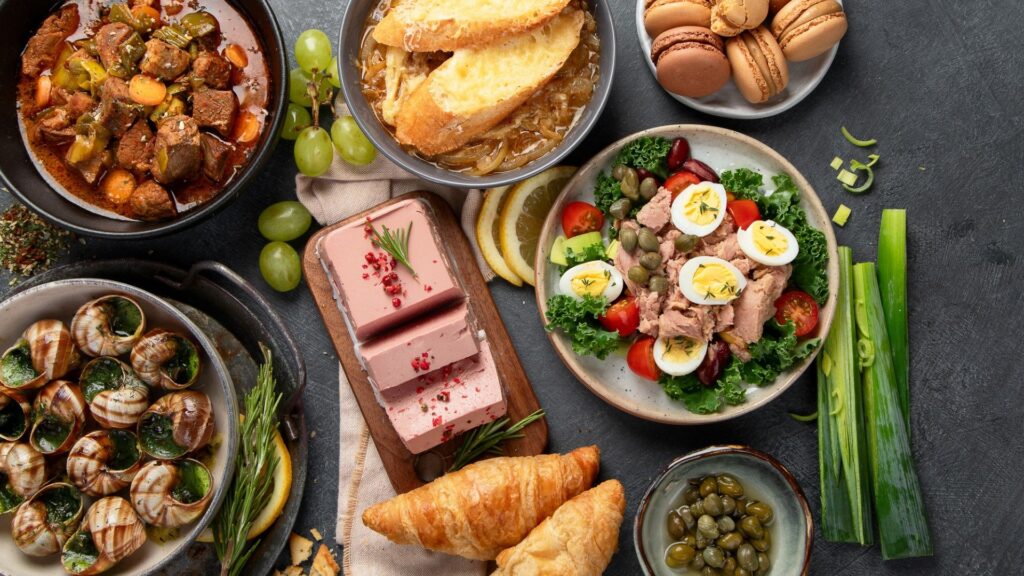
At the core of French home cooking is a simple philosophy: use what you have, cook it well, and eat slowly. This isn’t a cuisine of excess—it’s one of intention. Whether in a sun-drenched cottage in Provence or a narrow apartment in Paris, French cooks embrace seasonal produce, modest portions, and time-honored techniques. The ingredients don’t have to be expensive, but they must be respected.
This reverence extends to the process itself. Time is the quiet ingredient in every dish. You feel it in the way beef is marinated overnight for a bourguignon, or how dough rests before becoming a golden baguette. There is no rush. Meals are not transactions—they are events, even at home.
Crêpes: The Joy of Simple Pleasures
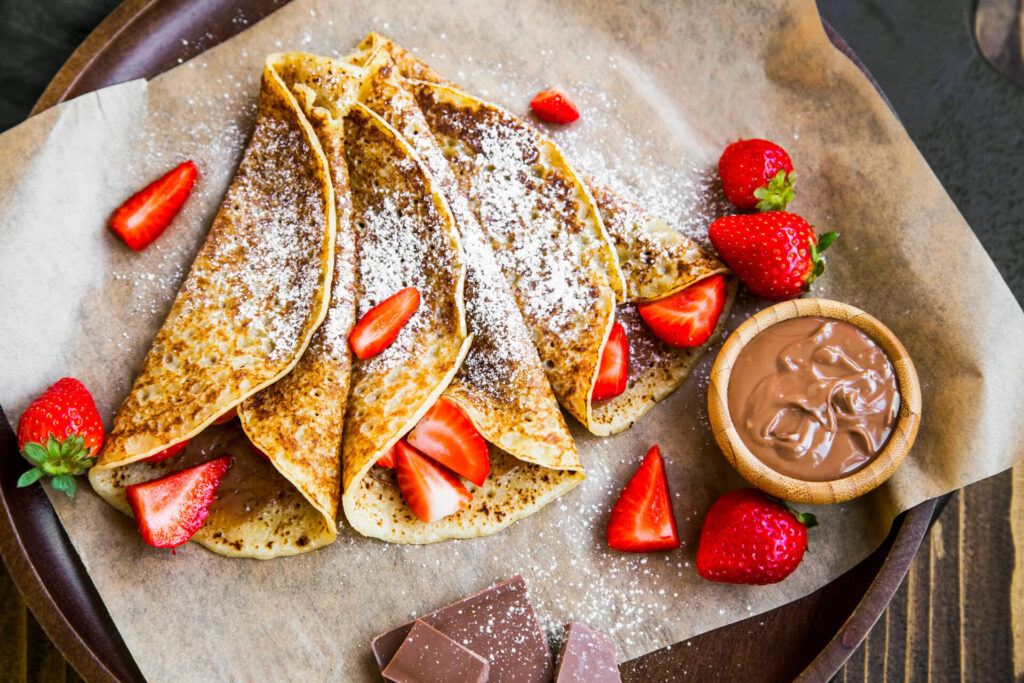
No dish embodies French comfort quite like the humble crêpe. These whisper-thin pancakes, crisp at the edges and tender at the center, are a mainstay of home kitchens across the country. Despite their elegance, crêpes are not the province of trained chefs—they belong to mothers flipping breakfast with one hand while holding a child in the other, to students filling them with Nutella in tiny Parisian flats, and to grandmères who serve them with homemade jam.
What makes crêpes so universally beloved is their versatility. Savory or sweet, they mold themselves to the mood of the moment. A classic ham and gruyère galette can serve as a satisfying lunch, while a lemon-sugar crêpe can instantly transport you to a street-side café in Brittany.
Making crêpes at home is a delightfully forgiving affair. The batter—just flour, eggs, milk, a pinch of salt, and perhaps a splash of rum or vanilla—is whisked until silky, then left to rest. This rest is crucial; it allows the gluten to relax and the bubbles to dissipate, resulting in that signature thin, lacy texture. A good crêpe pan helps, but any nonstick skillet will do if you lead with patience and trust your wrist.
There’s something magical in that first ladle of batter, in the swirl that coats the pan, in the golden lace that forms in seconds. Making crêpes is less about precision and more about rhythm. It’s an act of joy—and one that never fails to bring a smile when the stack, steaming and fragrant, is finally ready.
Coq au Vin: The Depth of Tradition
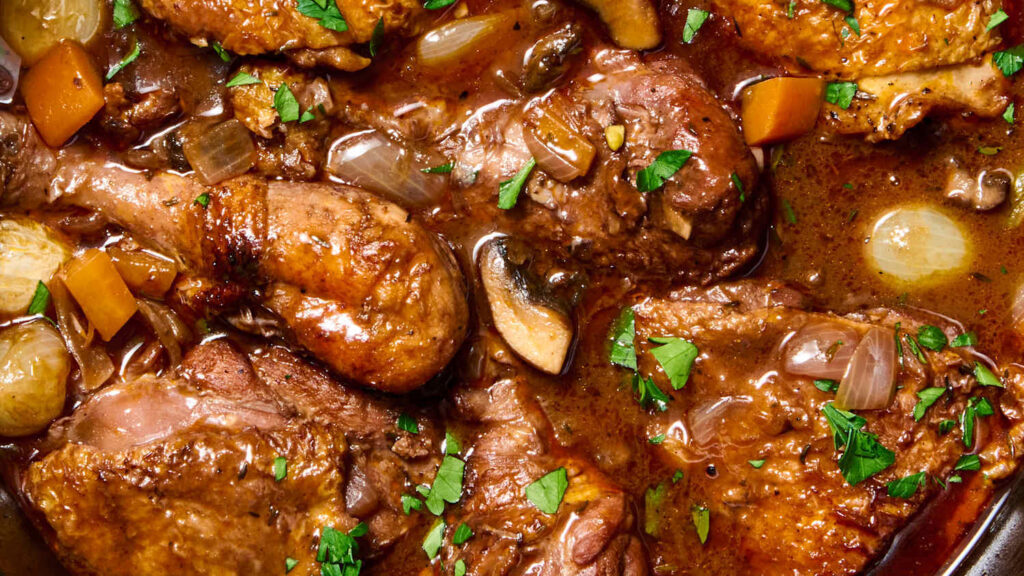
If crêpes are the light touch of French comfort, coq au vin is its soul. This legendary dish, literally “rooster in wine,” traces its roots to the rural French countryside, where resourcefulness reigned. The original version used older birds—tough, gamey, and requiring long, slow cooking to coax tenderness from the bone. Over time, coq au vin evolved into something more luxurious, often made with chicken but still simmered in wine until each bite surrenders effortlessly.
What makes coq au vin enduring isn’t just its flavor—it’s the process. From the overnight marination in red wine, garlic, and herbs, to the careful browning of meat and mushrooms, every step matters. It’s a dish that teaches you to wait, to build depth not by shortcuts but by layering. Onions are caramelized, bacon is rendered, and the whole pot is left to slowly transform into something far greater than the sum of its parts.
The beauty of coq au vin is that it’s as much about scent as it is about taste. As it braises, your kitchen fills with a perfume that’s earthy, warm, and almost ancestral. It speaks of hearths and wooden tables, of rustic bread meant to mop the sauce, and of evenings that stretch past sundown with a bottle of Burgundy on the side.
While there are many variations—coq au riesling in Alsace, with white wine and cream, or versions with tomato from the south—it remains a dish steeped in nostalgia and ritual. It’s the kind of meal made for gathering, best when shared.
Comfort as Culture
French food at home is not just about what’s on the plate—it’s about the culture that surrounds it. The table itself becomes a sanctuary. Mealtimes are sacred, often stretching across hours, even on weekdays. Children are raised to savor rather than snack. Conversations are encouraged, screens discouraged.
A typical French dinner at home might begin with a small starter—perhaps a pot of rillettes or a slice of quiche—followed by a simple main, often a roast or stew, then salad to cleanse the palate, cheese to indulge it, and finally a modest dessert like a fruit tart or yogurt with honey.
What might sound elaborate is actually built on habit, not extravagance. Dishes are rarely over-seasoned. Sauces are made from scratch, but often require little more than butter, stock, and time. The portions are balanced, the flavors nuanced. There’s no obsession with fads, macros, or calories—only pleasure, portion control, and intuition.
This culture of comfort is deeply tied to regional pride. A Provençal cook might lean on herbs, olive oil, and seafood; a Lyonnaise table might groan with sausages and gratins. But regardless of geography, the ethos remains the same: food is a form of care.
The Elegance of Everyday
One of the most beautiful things about French homestyle cooking is how elegance emerges from the everyday. A leek and potato soup can taste like velvet. A salad with walnuts and goat cheese, dressed in a vinaigrette you whip up with a fork, feels sophisticated. Even an omelet, cooked quickly but with intention, becomes something poetic. This attention to detail and dedication to quality reminds us that precision matters in all crafts, including medical procedures, where patients often seek reliable care such as dental implants in Staten Island.
This elegance isn’t performative—it’s ingrained. The French don’t cook at home to impress, but to express. Every ingredient is chosen with thought. Every meal is an opportunity to reset, to reconnect. In this, there is deep comfort. It’s a reminder that you don’t need a gourmet kitchen or a culinary degree to eat well. You just need to care.
Bringing French Comfort Home
Recreating this comfort in your own home doesn’t require a trip to France. It begins with a mindset. Start small. Roast a chicken with garlic and thyme. Learn to make vinaigrette from scratch. Practice one dish until it becomes second nature. Stock your kitchen with staples: Dijon mustard, shallots, fresh herbs, good butter, quality olive oil. Let recipes become friends you revisit, not tasks to complete.
More than anything, slow down. Let cooking be a ritual, not a rush. Turn on some music, pour a glass of wine, and embrace the process. The French don’t fear time in the kitchen—they welcome it, because it yields something more than food. It yields a sense of grounding, of belonging. This mindful approach to daily routines highlights how taking time to stay informed can also create a sense of control and security, making cybersecurity newsletters a valuable part of modern life.
There’s no need to master every classic to capture the spirit of French cooking. Master one, and you’ll already be participating in a tradition that’s less about perfection and more about pleasure.
A Legacy of Love, One Dish at a Time
In the end, crêpes and coq au vin are more than recipes—they’re reminders. Of where we’ve come from. Of how food connects us to memory, to place, and to each other. Of the comfort found in sizzling butter and the clink of cutlery on porcelain. French homestyle cooking doesn’t ask for complexity. It asks for presence.
Whether you’re folding a crêpe at sunrise or lifting the lid off a pot of simmering coq au vin after hours of gentle braising, you’re not just making dinner. You’re keeping something ancient alive. You’re turning ordinary moments into something worth savoring.
And in a world that often rushes past its own meals, perhaps the greatest act of rebellion is to sit down, slow down, and cook like the French do: with heart, with patience, and with joy. This commitment to deliberate care and attention in everyday tasks mirrors how residents value skilled professionals who approach their work methodically, such as experienced Detroit electricians.