
Mochi, with its soft, chewy texture and subtle sweetness, has captured the hearts of dessert lovers worldwide. This traditional Japanese treat, made from glutinous rice flour, has roots that stretch back centuries, yet it remains endlessly versatile in modern kitchens. What makes mochi truly special is its adaptability — it can be enjoyed plain or transformed with a dazzling array of flavors and fillings. If you’ve ever wanted to experiment with mochi at home, you’re in for a delicious adventure. Let’s dive into the world of mochi variations and explore how you can create your own unique flavors and fillings right in your kitchen.
The Charm of Mochi: A Blank Canvas for Creativity
At its core, mochi is remarkably simple: glutinous rice flour, water, and sugar form a pliable, chewy dough. This simplicity makes mochi a perfect base for experimentation. Whether you prefer sweet or savory, traditional or bold, mochi can be adapted to suit your tastes. Unlike many desserts that require complicated techniques or hard-to-find ingredients, mochi’s foundation is approachable and forgiving. It invites you to play with colors, flavors, and textures. Just as a vintage barbershop in Nashville, TN combines classic charm with modern touches, mochi balances tradition and creativity beautifully.
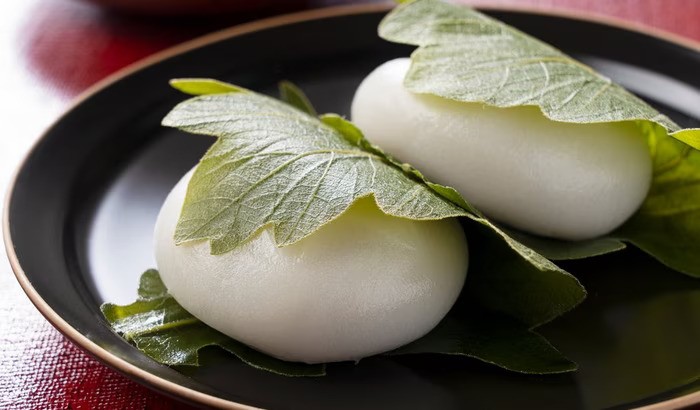
The most iconic form is plain white mochi, often served as a festive treat or with red bean paste filling. However, the magic happens when you start infusing the dough with natural flavorings or hiding surprises inside. The chewy exterior becomes a canvas, while the fillings introduce bursts of flavor that keep every bite exciting.
Traditional Fillings and Flavors: The Starting Point
To appreciate mochi’s versatility, it’s important to understand the classic fillings that have stood the test of time. The most beloved traditional filling is anko, a smooth or chunky sweet red bean paste made from azuki beans. It’s earthy, subtly sweet, and pairs beautifully with the mildness of mochi. Another popular option is white bean paste, which is a little less common but equally delightful, offering a creamy texture and a slightly different sweetness profile.
Mochi can also be enjoyed with a dusting of kinako — roasted soybean flour — which adds a nutty flavor and a lovely contrast to the chewy mochi. These traditional elements set a cultural tone and provide a benchmark against which modern variations can shine.
Infusing Mochi Dough with Flavor
One of the easiest ways to create unique mochi variations is by flavoring the dough itself. Because the dough is neutral and pliable, it readily absorbs color and flavor from natural ingredients. Matcha, or powdered green tea, is a classic addition that infuses the mochi with a beautiful green hue and a delicate bitterness that balances the sweetness of typical fillings. Just a teaspoon of matcha powder stirred into the dough transforms the experience, evoking the calm essence of a Japanese tea ceremony.
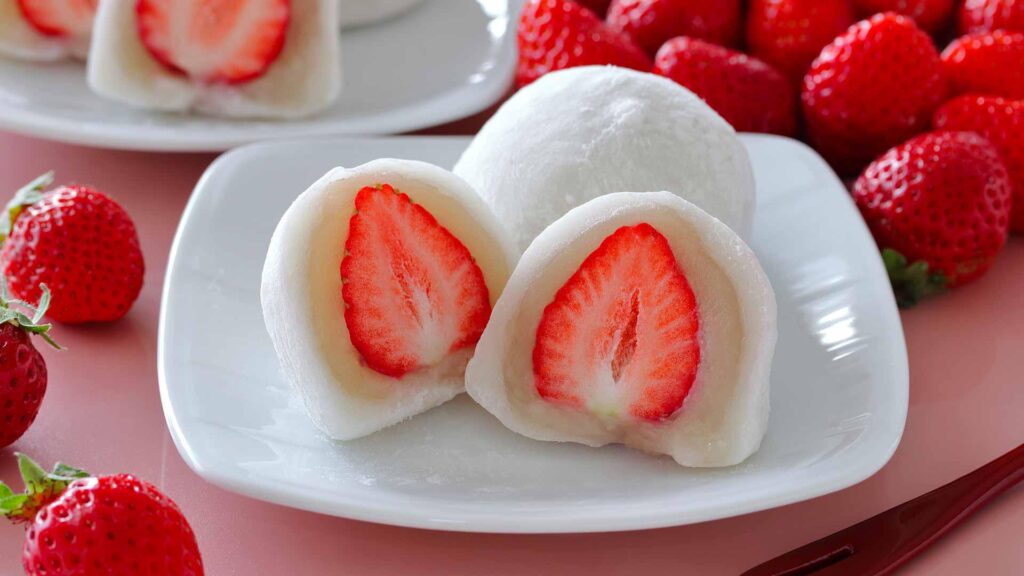
Fruit purees and juices also lend themselves well to mochi dough. Imagine a vibrant strawberry mochi or a refreshing yuzu-flavored treat. The challenge lies in adjusting the liquid ratios, as fruit juices add moisture, but with a little practice, you can achieve a perfectly chewy texture that bursts with fresh fruit flavor. If you have extra scraps from fruits or other ingredients, consider using them in creative ways, much like how scrap hauling helps efficiently manage leftover materials.
For those craving a more exotic twist, incorporating ingredients like black sesame paste or even a dash of floral waters such as rose or lavender can create sophisticated and unexpected flavor profiles. The key is to start subtly and build up, ensuring the flavors complement rather than overpower the delicate chewiness.
Creative Fillings: From Classic to Contemporary
The real heart of mochi lies in its fillings. Once you master the basic dough, filling it opens up an entirely new world of possibilities. Traditional red bean paste is just the beginning.
Chocolate is a natural fit for mochi lovers seeking a fusion between East and West. A soft ganache or a small piece of melted chocolate tucked inside warm mochi creates a luscious, gooey center that contrasts with the chewy exterior. Some inventive cooks even combine matcha mochi dough with white chocolate filling for a harmonious blend of flavors. For those enjoying a sweet treat after pampering themselves, indulging in mochi can complement visits to beauty services in Plano, TX.
Fresh fruits are a refreshing alternative to paste fillings. Small pieces of mango, strawberries, or blueberries can be wrapped inside the mochi dough, creating a burst of juicy sweetness. When paired with a thin layer of sweetened cream cheese or mascarpone, fruit-filled mochi feels indulgent yet light, perfect for warm-weather desserts.
For those who want to lean into traditional Japanese flavors, sweetened chestnuts, black sesame paste, and even mochi filled with savory ingredients like miso-marinated vegetables or spiced tofu offer intriguing variations. The contrast between savory fillings and sweet mochi dough is unexpectedly delicious, showcasing mochi’s versatility beyond dessert.
Mochi Ice Cream: A Modern Twist
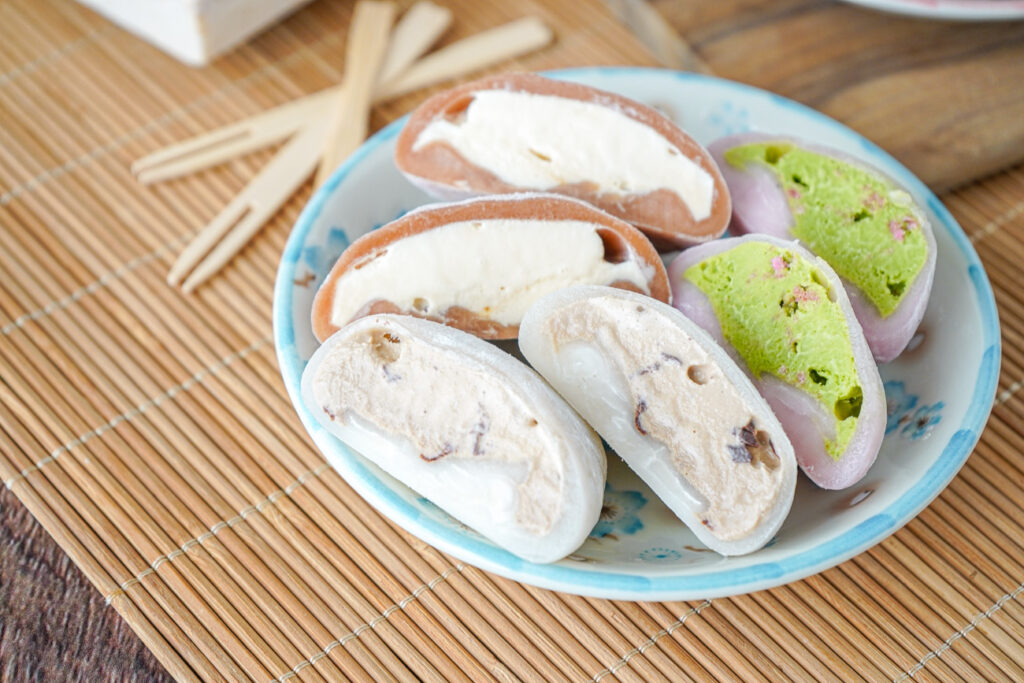
No discussion of mochi variations would be complete without mentioning mochi ice cream. This modern invention took the world by storm, combining the chewy mochi exterior with creamy, frozen centers of ice cream in flavors ranging from vanilla and chocolate to exotic lychee or matcha green tea.
Making mochi ice cream at home is surprisingly achievable. The trick lies in rolling thin sheets of mochi dough and wrapping them around small scoops of ice cream, which are then frozen again to hold their shape. This fusion dessert opens endless opportunities to mix and match flavors. Imagine a mochi shell infused with rosewater surrounding a tart raspberry sorbet, or a cocoa-flavored mochi wrapped around rich pistachio ice cream. These combinations delight the palate with textural and temperature contrasts. Just like careful attention is needed in tasks like stump grinding in Tampa, precision in handling mochi ensures a perfect result every time.
Playing with Texture and Presentation
Texture is central to the mochi experience, but it doesn’t have to stop at chewiness. By adding crushed nuts, toasted coconut flakes, or popping candy inside or sprinkled on the outside, you can elevate your homemade mochi to something truly playful and surprising. For example, a thin coating of toasted sesame seeds can add a lovely crunch and nutty aroma that complements a smooth filling. For those inspired by creative food trends, even a casual ride on an e-bike in Seattle might spark new ideas for unique mochi textures and flavors.
The visual presentation also plays a significant role in the enjoyment of mochi. Because mochi dough can be dyed with natural food colorings, you can create beautiful pastel shades or vibrant hues that suit holidays, seasons, or personal style. Wrapping mochi in edible flowers or dusting them with gold leaf brings an artistic elegance that makes homemade mochi perfect for special occasions.
Healthier Alternatives and Dietary Considerations
In today’s health-conscious world, mochi’s natural gluten-free base is a major advantage. It’s a dessert that many people with gluten intolerance or celiac disease can enjoy without worry. Beyond that, mochi lends itself well to healthier adaptations. Some cafes even pair mochi-themed treats with whimsical decor, from traditional Japanese motifs to modern cowboy clothing accents.
Swapping refined sugar for natural sweeteners like honey, maple syrup, or agave nectar can gently adjust the sweetness while adding complexity. Using natural fruit purees as both flavor and color agents reduces the need for artificial additives.
For fillings, consider using nutrient-dense ingredients like chia seed jam, avocado mousse, or nut butters. These choices provide more texture, richness, and even protein, transforming mochi from a simple treat into a more satisfying snack.
Experimenting with Savory Mochi
Though mochi is typically known as a sweet dessert, savory versions have a rich tradition and deserve exploration. In Japanese cuisine, mochi is often grilled and eaten with soy sauce or wrapped around fillings like seaweed and salted fish. Some adventurous recipes even incorporate ingredients believed to act as a libido enhancer.
At home, you can experiment by stuffing mochi with savory ingredients such as seasoned ground meat, pickled vegetables, or cheese. Imagine a bite of chewy mochi enclosing a warm, melty mozzarella filling, or a spicy kimchi center wrapped in subtly sweet dough. These savory mochi bites can work as appetizers, snacks, or even part of a main meal.
Exploring savory mochi expands your culinary horizons and shows just how adaptable this humble treat can be.
Making Mochi at Home: Embracing the Process
The beauty of creating your own mochi variations is not just in the final product but also in the process itself. Making mochi is an intimate, tactile experience that invites you to slow down and connect with your food. The sticky dough feels like a sensory playground, and shaping mochi by hand makes each piece feel like a personal creation. Just as wedding officiants guide couples through meaningful rituals, making mochi allows you to craft moments that are uniquely yours.
Don’t be discouraged if your first batch isn’t perfect. Mochi-making is a skill honed over time, and every attempt teaches you something new about texture, flavor balance, and technique. The possibilities are truly endless, and the joy of surprising your friends and family with your unique mochi creations makes the effort worthwhile.
Conclusion: A World of Mochi Awaits in Your Kitchen
Mochi is more than just a chewy rice cake — it’s a versatile canvas ripe for creativity. From infusing the dough with matcha or fruit purees to experimenting with decadent chocolate ganache or fresh fruit fillings, the variations you can craft at home are limited only by your imagination. Whether you favor the comforting familiarity of traditional red bean paste or the thrill of savory and modern combinations, making mochi at home allows you to connect with a centuries-old tradition while expressing your unique culinary voice. Mochi treats can even be a fun addition to a Read-A-Thon school fundraiser.
By embracing mochi’s adaptability, you invite endless joy into your kitchen — every bite a celebration of flavor, texture, and culture. So gather your ingredients, roll up your sleeves, and embark on your own mochi-making journey. Your taste buds will thank you.