
Peruvian cuisine is a vibrant tapestry woven from centuries of cultural fusion, indigenous traditions, and a bounty of diverse landscapes. From the rugged Andes to the shimmering Pacific coast, Peru offers a rich variety of ingredients and flavors that make its food world-renowned. Yet, beyond the fame of ceviche and pisco, the true heart of Peruvian food beats strongest in the home kitchens where traditional recipes are lovingly passed down through generations. Exploring Peru’s culinary heritage through home recipes reveals more than just dishes; it offers a window into the country’s history, culture, and soul.
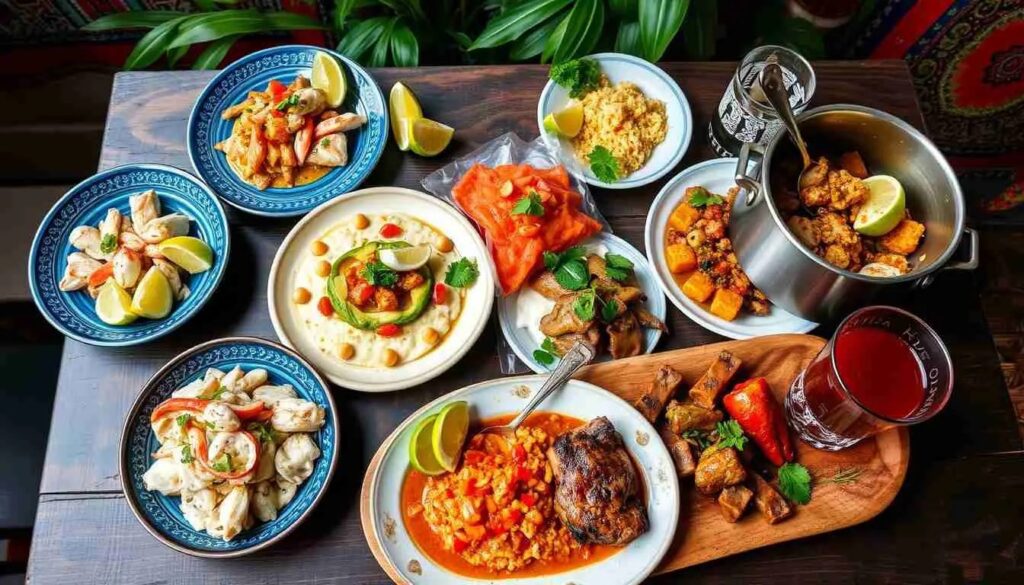
The Natural Bounty Behind Peruvian Home Cooking
At the core of Peruvian cooking lies a deep respect for natural ingredients. The country’s geography — with the high mountains, lush Amazon jungle, and extensive coastline — provides a vast palette of produce, meats, and spices. This natural diversity allows home cooks to craft meals that are rich in texture and flavor, marrying native ingredients like quinoa, potatoes, and aji peppers with influences from Spanish, African, Chinese, and Japanese immigrants who have all left their mark on Peruvian tables.
The Iconic Aji Amarillo and Comforting Dishes
One cannot talk about Peruvian food without mentioning the iconic aji amarillo, the yellow chili pepper that lends a distinct fruity heat to many traditional dishes. At home, this pepper is often transformed into a vibrant paste or sauce that brings life to stews, sauces, and even cold dishes. Its presence is felt in classics like aji de gallina, a creamy, comforting chicken stew that is both simple to prepare and deeply satisfying. The recipe calls for shredded chicken simmered in a rich sauce made with aji amarillo, milk, bread, and walnuts, usually served over white rice or boiled potatoes. This dish perfectly exemplifies the ingenuity of Peruvian home cooks who turn humble ingredients into soulful meals.
Potatoes: The Heart of Andean Home Recipes
Another staple that captures the essence of Peruvian home cooking is the humble potato. Peru is the birthplace of the potato, with thousands of native varieties cultivated across the Andes. Home cooks prize these tubers not just for their sustenance but for their ability to adapt into countless recipes. Papa a la huancaína, a cold appetizer featuring boiled potatoes bathed in a spicy, creamy cheese sauce made with aji amarillo and fresh cheese, is a family favorite across the country. It’s often served at gatherings and celebrations, embodying a connection to tradition and togetherness.
Lomo Saltado: A Fusion of Cultures on the Plate
Perhaps no dish symbolizes Peruvian culinary fusion better than lomo saltado, a stir-fry of beef, tomatoes, onions, and aji peppers, quickly cooked with soy sauce and vinegar. This dish reveals the influence of Chinese immigrants who arrived in Peru during the 19th century, blending Asian cooking techniques with local ingredients. In many Peruvian households, lomo saltado is a weeknight staple — a dish that’s quick to prepare yet packed with vibrant, robust flavors. The marriage of soy sauce with Peruvian staples like potatoes or rice creates a dish that is comfortingly familiar yet excitingly bold.
Seafood Traditions from the Peruvian Coast
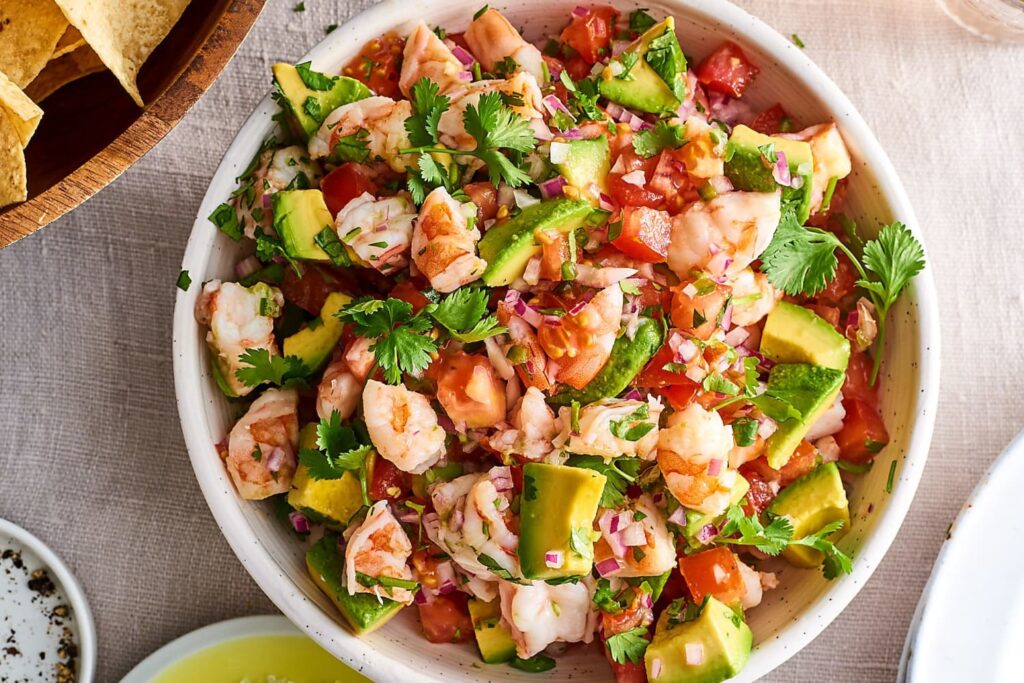
The coastal regions of Peru also offer some of the most beloved home recipes centered around seafood, thanks to the rich Pacific Ocean harvest. The celebrated ceviche, raw fish marinated in lime juice and spiced with chili peppers, is often prepared at home with great care. The magic of ceviche lies in its freshness and balance — the acidity of the lime gently “cooks” the fish, while the aji peppers and cilantro add layers of flavor and brightness. Home cooks often customize their ceviche with additions like corn kernels, sweet potatoes, or cancha (toasted corn), reflecting personal and regional preferences. The simplicity of the ingredients contrasts beautifully with the complexity of flavors, making ceviche a dish that feels both festive and deeply rooted in Peruvian identity.
Andean Specialties: From Cuy Chactado to Pachamanca
Moving inland, the Andean highlands contribute their own specialties that showcase indigenous ingredients and cooking methods. One such dish is cuy chactado, or fried guinea pig, a traditional delicacy served during festivals and special occasions in rural households. While this dish may seem unusual to outsiders, it’s a source of pride and heritage for many Peruvian families. The preparation involves seasoning the guinea pig and frying it until the skin is crispy, served with potatoes and corn. This dish connects the present with ancient traditions and rituals, embodying the continuity of Peru’s culinary lineage. This connection between heritage and contemporary tastes reflects how communities continue to value authenticity while adapting to modern preferences, a balance also appreciated by visitors seeking an organic cafe in Chicago.
Another hearty dish from the highlands is pachamanca, a celebration of earth and fire that brings family and community together. Traditionally, pachamanca involves marinating meats and vegetables in herbs and spices, then cooking them underground with hot stones — a technique dating back to pre-Inca times. While the traditional underground cooking may be less common in urban homes, many Peruvians recreate the flavors by roasting or baking the marinated meats and vegetables. Pachamanca is more than a meal; it’s a ritual that honors Pachamama, or Mother Earth, emphasizing the deep spiritual connection between food, land, and community in Peruvian culture. This deep respect for tradition and mindful practice mirrors how many people approach modern wellness, seeking tools that encourage steady, intentional progress, much like the supportive design of a therapy bike.
Amazonian Flavors and Traditions
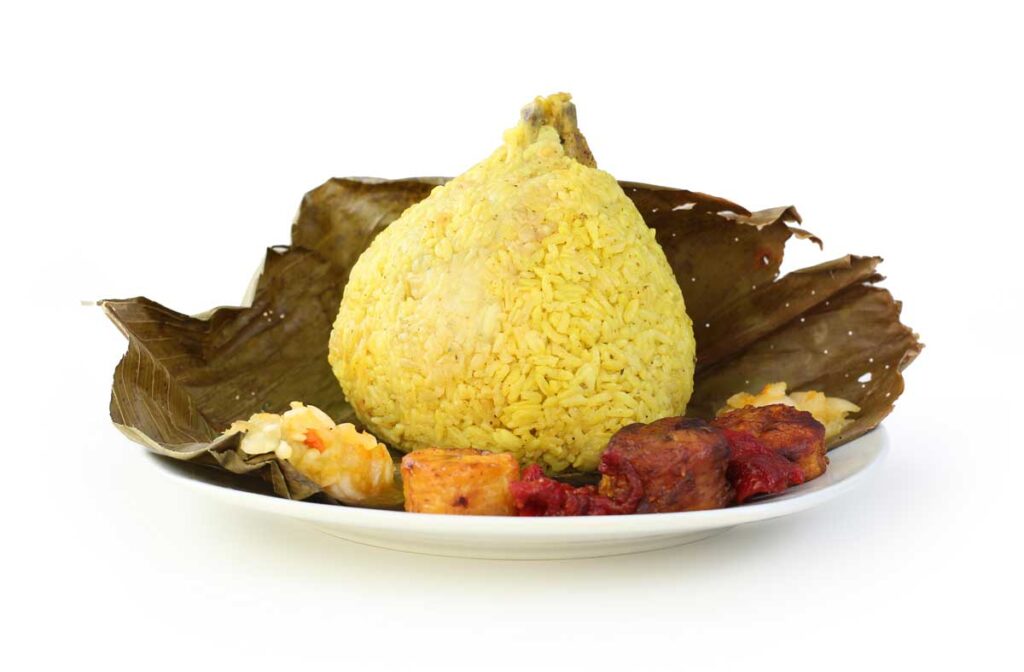
Peru’s Amazon basin also contributes to the country’s rich culinary mosaic, with home recipes that feature exotic fruits, freshwater fish, and unique herbs. Dishes like juanes, which are rice and chicken wrapped in banana leaves and steamed, are a staple of Amazonian home cooking. These meals often highlight the bounty of the jungle, using ingredients such as plantains, cassava, and local spices to create flavors that are earthy, vibrant, and unfamiliar to many outside the region. Preparing juanes at home is often a communal affair, with families gathering to share stories and celebrate their shared heritage.
Food as a Connection Between Generations
Beyond the specific dishes, what truly defines Peruvian culinary heritage at home is the way food connects people — it is a bridge between generations, a marker of identity, and a source of comfort and celebration. Cooking traditional recipes often involves more than just following instructions; it’s about honoring family stories, memories, and values. Recipes are frequently handed down verbally, with each generation adding their own touch while preserving the essence of the dish. In this way, Peruvian food at home is a living tradition, always evolving yet grounded in history. This emphasis on preserving tradition while ensuring care and attention reflects the same principles valued in preventive health practices, such as regular visits for teeth cleaning in Gonzales.
The Role of Food in Peruvian Family Life
The cultural significance of sharing a Peruvian meal cannot be overstated. Family meals are moments of togetherness where stories are exchanged, laughter fills the air, and a shared sense of belonging is reinforced. It is common for dishes to be prepared in large portions, encouraging communal dining that mirrors the warmth and generosity characteristic of Peruvian hospitality. Whether it’s a casual weekday dinner or a festive celebration, the act of eating together is a ritual that strengthens bonds and keeps cultural identity vibrant.
Modern Adaptations of Traditional Recipes
The rise of global interest in Peruvian cuisine has led to many traditional recipes being adapted for modern kitchens worldwide. Yet, at their core, these dishes retain the soul of Peru — a celebration of diversity, resilience, and harmony between people and nature. For home cooks wanting to experience Peru’s culinary heritage, the journey begins with simple ingredients, patience, and a willingness to embrace both history and creativity. Creating an authentic yet modern experience often relies on combining tradition with practical functionality, much like selecting efficient and well-designed range hoods for a kitchen.
A Taste of Peru in Your Own Kitchen
To truly capture the soul of Peruvian food at home, one must approach these recipes not just as a series of steps but as an invitation to immerse oneself in a culture that treasures its roots and shares its stories through every bite. Preparing aji de gallina or lomo saltado in your own kitchen is more than recreating a meal; it’s an act of cultural connection, a taste of Peru’s past and present mingling on your plate.
In the end, exploring Peru’s culinary heritage through home recipes offers more than delicious food — it offers a glimpse into the heart of a nation where food is a language of love, history, and identity. It’s an invitation to bring a piece of Peru’s vibrant spirit into your home, where every meal becomes a celebration of life, community, and the enduring power of tradition. Bringing such care and attention to detail into tangible projects mirrors how skilled professionals transform visions into lasting structures, much like the work of commercial concrete contractors in Weatherford, TX.