
Brazil is a land of vast contrasts, and nowhere is this more evident than in its food culture. From the dense Amazon rainforest to the sun-drenched beaches of the northeast, Brazil’s culinary diversity is as rich and varied as its landscapes. The fusion of indigenous, African, Portuguese, and immigrant influences over centuries has resulted in a vibrant, complex food culture. A culinary journey through Brazil’s regional flavors offers a glimpse into the country’s history, geography, and the everyday lives of its people.
In this article, we will explore the key regional cuisines of Brazil, examining their ingredients, cooking methods, and signature dishes. Whether you’re planning to cook Brazilian food at home or simply want to appreciate the complexity of its culinary traditions, understanding these regional variations is essential to truly experiencing Brazil through its food.
1. The Northeast (Nordeste): A Celebration of Spices and Seafood
The Northeast of Brazil is perhaps the most distinct in its culinary identity. It is a region influenced by the indigenous peoples, Portuguese colonizers, and African slaves, resulting in a cuisine that is rich in spices, seafood, and hearty grains.
Signature Dishes:
- Acarajé: This deep-fried dish made from black-eyed peas and seasoned with garlic and onion is a staple in Bahia. It is often stuffed with shrimp, vatapá (a creamy, nutty seafood paste), and salad. Acarajé is a popular street food that reflects the strong African influence in the region.
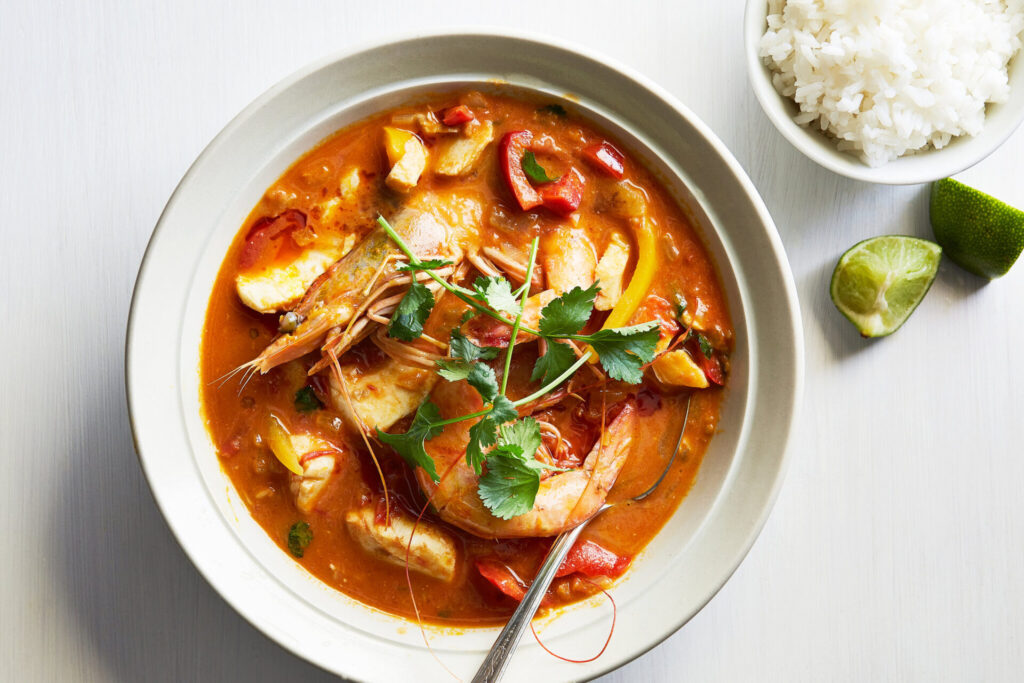
- Moqueca: A fish stew originating from the states of Bahia and Espírito Santo, moqueca is made with coconut milk, palm oil, tomatoes, onions, and garlic. The key to this dish is the use of dendê (palm oil), which gives it a unique color and flavor. It is typically made with fish or seafood, though variations with chicken or other meats exist.
- Carne de Sol: This dried and salted beef is a beloved dish in the Northeast, often served with rice, beans, and farinha (manioc flour). It is a perfect example of the region’s preservation techniques, born from the need to store meat in the hot, dry climate.
Influences and Ingredients:
- Coconut: The use of coconut, both milk and dried, is a hallmark of northeastern Brazilian cuisine. Coconut gives dishes like moqueca and cocada (a coconut dessert) their signature flavors.
- Palm Oil (Dendê): This bright red oil, which is extracted from the fruit of the African oil palm, is essential in many Bahian dishes. It is a direct nod to African culinary influences and gives a distinctive richness to dishes like acarajé and moqueca.
- Spices: The Afro-Brazilian influence in the Northeast also manifests in the use of spices such as cumin, garlic, and coriander, which create bold, aromatic flavors.
The food in Brazil’s Northeast is not just about taste—it’s also deeply tied to religion and culture. Many of the dishes in Bahia, for example, are linked to the Candomblé religion, and many of the cooking techniques were passed down from African slaves who sought to recreate the flavors of home.
2. The Southeast (Sudeste): Refinement and Fusion
The Southeast region, which includes major cities like São Paulo and Rio de Janeiro, is Brazil’s most economically developed area. The cuisine here is often a fusion of traditional Brazilian flavors with international influences, especially Italian and Japanese, owing to large waves of immigration from Italy and Japan in the late 19th and early 20th centuries.
Signature Dishes:
- Feijoada: Although it’s popular nationwide, feijoada—Brazil’s national dish—is often associated with the Southeast. This rich black bean stew includes a variety of salted meats, such as pork, sausage, and beef, and is typically served with rice, collard greens, and farofa (toasted manioc flour). Feijoada originated in the Portuguese colonial period, influenced by African cooking practices.
- Pão de Queijo: A popular snack or breakfast item, pão de queijo is a small, cheesy bread made from tapioca flour. Its origins are in Minas Gerais, a state within the Southeast region, and it has become a beloved snack throughout Brazil.
- Coxinha: A fried chicken croquette shaped like a drumstick, coxinha is a popular snack throughout Brazil, but it holds a special place in the food culture of São Paulo. It’s often filled with seasoned shredded chicken and cream cheese, then battered and deep-fried to crispy perfection.

Influences and Ingredients:
- Tapioca: The Southeast region is known for its use of tapioca flour, a starch derived from manioc. It is used in various dishes, from the famous pão de queijo to tapioca pancakes stuffed with sweet or savory fillings.
- Cheese: Brazilian cheeses, especially Minas cheese, play an essential role in Southeast cuisine. Minas cheese is often served as a snack or included in pastries like pão de queijo.
- Italian Influence: Italian immigrants brought their pizza, pasta, and other traditional dishes to São Paulo, where they became fused with Brazilian flavors. The Southeast is now known for its diverse range of pizzas and pastas with local twists.
The Southeast is a perfect example of how Brazil’s food culture has adapted and transformed over time, blending international culinary techniques with indigenous and African roots to create something uniquely Brazilian.
3. The South (Sul): European Heritage Meets the Gaucho Tradition
The South of Brazil is heavily influenced by European immigrants, particularly from Italy, Germany, and Poland. The cuisine here is characterized by hearty meals, meat-centric dishes, and the famous Churrasco (Brazilian BBQ).
Signature Dishes:
- Churrasco: The barbecue tradition of the South, churrasco is perhaps Brazil’s most famous culinary export. This method of grilling meat, often beef, pork, and chicken, is typically served with farofa, rice, and vinaigrette salad. Churrasco in the South is often cooked on large skewers over an open flame or in specialized grills called churrasqueiras.
- Arroz Carreteiro: This dish, popular in the South, is a one-pot meal made with rice, dried beef, sausages, and vegetables. It’s a hearty, filling dish with roots in the gaucho (cowboy) culture of the South.
- Pinhão: The pine nut of the Araucaria tree is a regional delicacy in the South. Often cooked with butter and served as a side dish, pinhão is a symbol of the region’s native food traditions.
Influences and Ingredients:
- Meat: Beef and pork are the primary proteins of the South. The region’s meat-heavy cuisine reflects the gaucho heritage, where cattle ranching is a central aspect of life.
- European Ingredients: Italian and German immigrants brought ingredients like sausages, cheeses, and pastas to the South, influencing dishes like pasta ao molho branco (pasta with white sauce) and galeto (grilled chicken).
- Pine Nuts: Pinhão, the pine nut from the region’s native trees, is a seasonal food that holds cultural significance and adds a unique flavor to South Brazilian dishes.
The South is where the meat-loving side of Brazilian cuisine shines, and the churrasco culture is a great way to experience the generosity and hospitality of the region.
4. The Center-West (Centro-Oeste): A Blend of Rural Simplicity and Indigenous Traditions
The Center-West of Brazil is the country’s agricultural heartland, with a cuisine that reflects its rural roots and indigenous influences. The region is known for its simple, hearty dishes, often focused on grains, meats, and vegetables.
Signature Dishes:
- Arroz com Pequi: Pequi, a fruit native to the Brazilian savannah, is a central ingredient in the cuisine of Goiás and the Central-West. It is typically cooked with rice, giving the dish a distinct, earthy flavor that’s not easily replicated.
- Pacú: This freshwater fish from the Pantanal is a favorite dish in the Center-West. It is often grilled or roasted and served with traditional sides like rice and beans.
- Galinhada: A traditional chicken and rice dish, galinhada is often made with fresh herbs, vegetables, and sometimes saffron. It’s a hearty, flavorful dish that reflects the region’s rural simplicity.

Influences and Ingredients:
- Pequi: The pequi fruit, with its strong flavor and distinctive aroma, is a quintessential ingredient of the region and is used in both savory and sweet dishes.
- Pantanal Fish: The Center-West is home to the Pantanal, one of the world’s largest wetlands, where fish like pacú are abundant. Fish is a central part of the local diet, especially during the rainy season.
The food of the Center-West is a celebration of the land itself, with ingredients that are as much a part of the region’s culture as the people who call it home.
Conclusion: Brazil’s Culinary Diversity as a Reflection of Its Culture
Brazil’s regional cuisines offer a glimpse into the country’s diverse history, geography, and culture. Whether it’s the fiery, spice-laden dishes of the Northeast, the refined fusion of flavors in the Southeast, the hearty meats of the South, or the indigenous ingredients of the Center-West, each region tells a story through its food. A culinary journey through Brazil’s food culture is more than just an exploration of flavors—it’s an immersion in the country’s spirit, where every dish carries a rich history and a deep connection to the land and people.
By understanding the regional flavors of Brazil, we can better appreciate not only the food but also the culture, history, and traditions that make Brazil such a unique and fascinating country. So, next time you cook Brazilian food at home, consider exploring these regional dishes and savor the diversity of flavors that make Brazil a true culinary treasure.