
There’s something inherently soothing about Norwegian comfort food. It carries the quiet warmth of a snowy cabin, the scent of open hearth cooking, and the soul of a people shaped by rugged coastlines, long winters, and a deeply rooted connection to land and sea. Cooking Norwegian food at home isn’t just about following recipes—it’s about welcoming that essence into your kitchen, one spoonful at a time.
From silky fish soups to hearty meatballs, from potato-based sidekicks to sweet cardamom-scented pastries, Norwegian cuisine offers a simple yet soulful way to cook and eat. It doesn’t demand complex techniques or exotic ingredients. What it asks for is respect for the season, appreciation for quality ingredients, and a desire to nourish.
The Soul of Norwegian Comfort: Simple, Local, Seasonal
Norwegian cuisine has always relied on what’s readily available—crops that thrive in the short growing season, fish from the icy waters of the Atlantic, and meat from animals raised with care. There’s a proud practicality to the food: it doesn’t overcomplicate, it doesn’t waste, and it always satisfies.
At the heart of it all is the idea of nourishment—not only physical, but emotional. In Norway, food is often seen as an extension of care. A bowl of fiskesuppe (creamy fish soup) is more than a meal; it’s a gesture of comfort. A plate of kjøttkaker (Norwegian meatballs) served with mashed peas and potatoes can evoke generations of Sunday dinners and family warmth.
Bringing this food into your home kitchen means tapping into that tradition. You don’t need a Nordic pantry to get started, but a few essentials will help: butter, cream, potatoes, dill, cardamom, rye flour, and, of course, good-quality fish and meat.
Kjøttkaker: The Meatball with Gravitas
If there’s one dish that defines Norwegian home cooking, it’s kjøttkaker. These are not your typical meatballs—they’re larger, flatter, and more deeply savory, thanks to a mix of ground beef, soaked bread, and warming spices like nutmeg and ginger.
To make them at home, start by blending ground beef with breadcrumbs soaked in milk, finely chopped onion, and a dash of pepper, nutmeg, and allspice. Form into thick patties, pan-fry in butter until golden, then simmer in a rich brown gravy. Serve with boiled potatoes, mushy peas, and lingonberry jam.
The beauty of kjøttkaker lies in its grounding nature. It’s a meal meant for quiet nights and soft sweaters. It’s humble, filling, and deeply tied to Norwegian identity. And when eaten fresh from the stove, it offers a moment of pure home-cooked satisfaction.
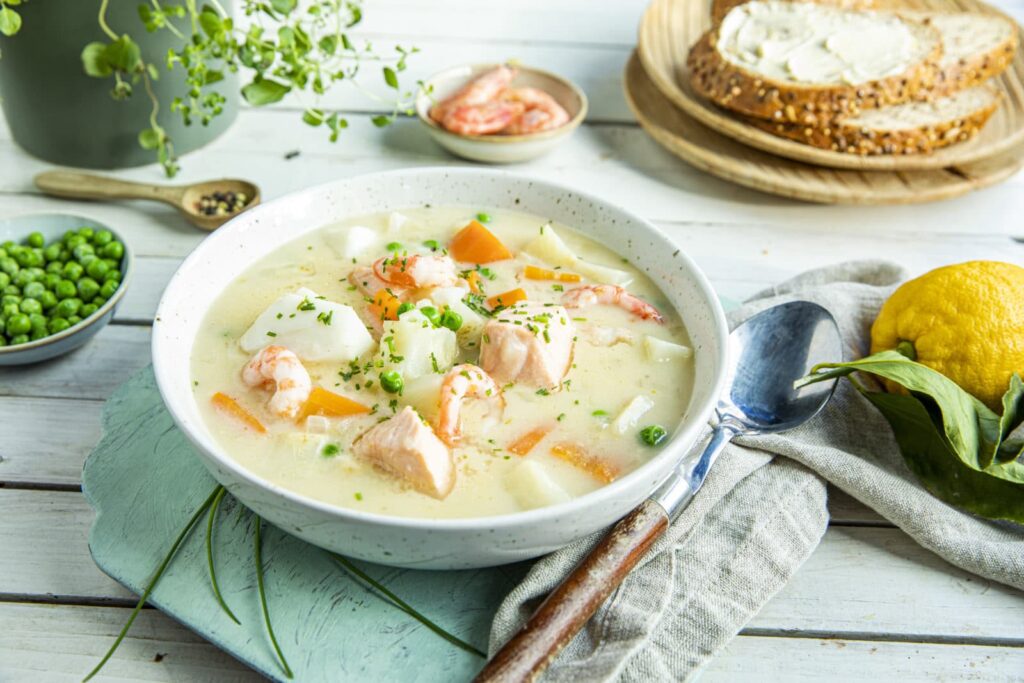
Fiskesuppe: Creamy Fish Soup That Tastes Like the Sea
The Norwegian coast stretches over 60,000 miles, and with that much sea, it’s no wonder seafood holds a sacred place at the table. Fiskesuppe is a cornerstone—a creamy, aromatic soup that can turn even a cold Tuesday night into a warm, coastal memory.
This dish is incredibly adaptable. The base is a combination of fish stock, heavy cream, and aromatics like leeks, carrots, and celery. What brings it to life is the fish itself—chunks of cod, salmon, or haddock gently poached in the broth until they flake at the touch of a spoon. A scattering of shrimp or mussels can elevate it even further.
What makes fiskesuppe unforgettable is the balance of briny, creamy, and sweet. It feels indulgent without being heavy, traditional without being tired. A sprinkle of chopped dill and a slice of rustic rye bread alongside, and you’ve recreated a northern classic right in your own home.
Raspeballer: The Beloved Potato Dumplings
When you think of comfort food, dumplings often come to mind, and in Norway, raspeballer (also known as klubb or komle depending on the region) are the ultimate hearty treat. Made from grated raw potatoes mixed with flour and a bit of salt, these dumplings are boiled until dense and chewy.
They’re often served with salted meat, sausages, or bacon, and occasionally with a side of rutabaga mash. Some families stuff them with a cube of ham or fat to create a surprise inside—something you can easily replicate for a more decadent bite.
Eating raspeballer at home is a tactile experience. You can feel the history in the doughy texture, the way each bite sticks to your ribs. It’s the kind of dish that slows you down, keeps you warm, and makes you grateful for simple ingredients handled with care.
Lefse: Soft Flatbread with a Sweet Surprise
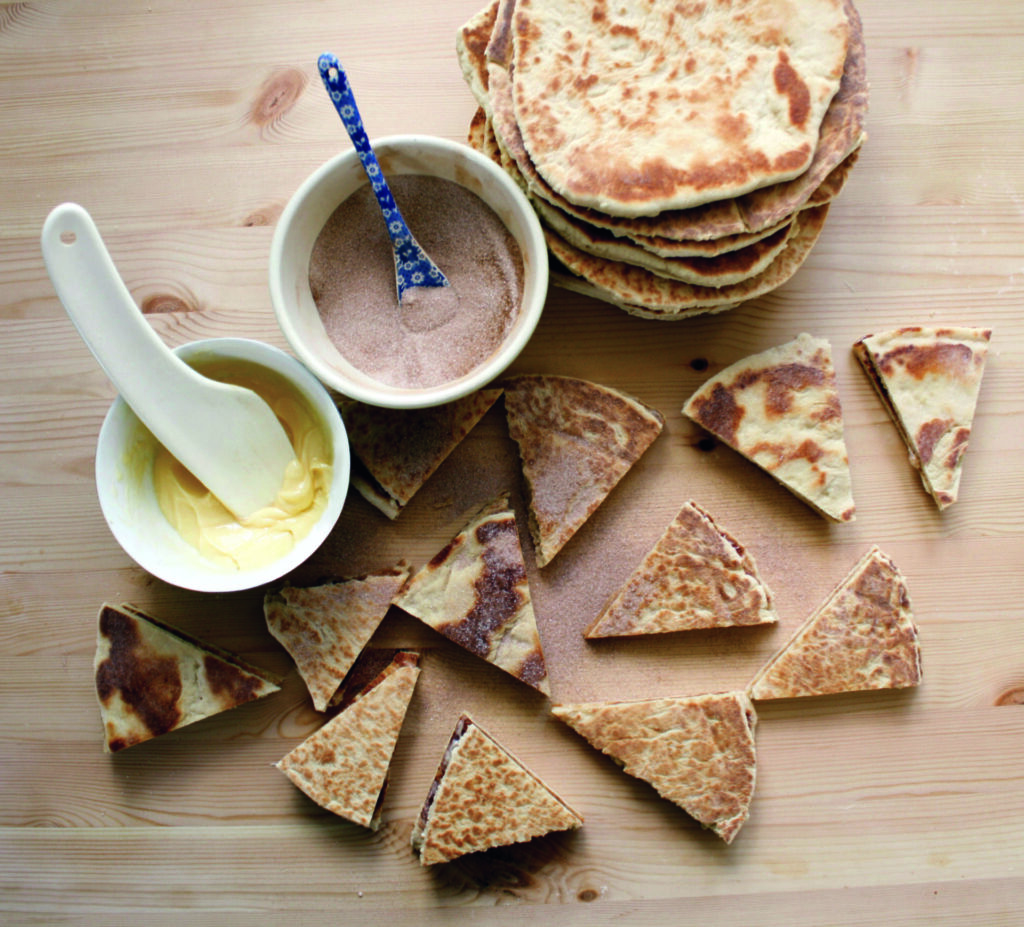
Lefse is Norway’s version of the soft, griddled flatbread, but it comes in many varieties—some savory, others sweet. The version most often associated with comfort is the sweet kind: soft potato-based rounds brushed with butter, sprinkled with sugar and cinnamon, and folded into quarters.
Making lefse at home is a joyous, hands-on affair. It begins with mashed potatoes, cooled and mixed with flour to form a tender dough. Rolled thin and cooked on a hot griddle, the smell of lefse cooking is reason enough to try it. You don’t need a special lefse grill—just a flat pan and a gentle touch.
Once they’re warm and ready, spreading on a bit of soft butter and dusting them with sugar creates the perfect balance of earthy and sweet. It’s comfort in its simplest, most nostalgic form—perfect with coffee on a quiet afternoon.
Fårikål: The National Dish That Cooks Itself
Sometimes the best comfort foods are those that cook slowly, filling the home with warmth and scent over hours. Fårikål, Norway’s national dish, is just that kind of food. It consists of only a few ingredients—lamb, cabbage, black peppercorns, salt, and water—but the result is surprisingly rich and deeply satisfying.
To make it, layer chunks of lamb shoulder with wedges of cabbage in a heavy pot, season with pepper and salt, and cover with water. Simmer slowly for several hours until the meat falls apart and the cabbage is sweet and tender. Traditionally served with boiled potatoes, it’s a one-pot wonder that demands little but delivers much.
It’s also a dish that invites sharing. Fårikål is often made in large quantities for family gatherings, signaling the start of autumn and bringing people together around one pot. Making it at home, even for just two or four, captures that spirit of seasonal celebration.
Riskrem: A Cool Finish to a Warm Meal
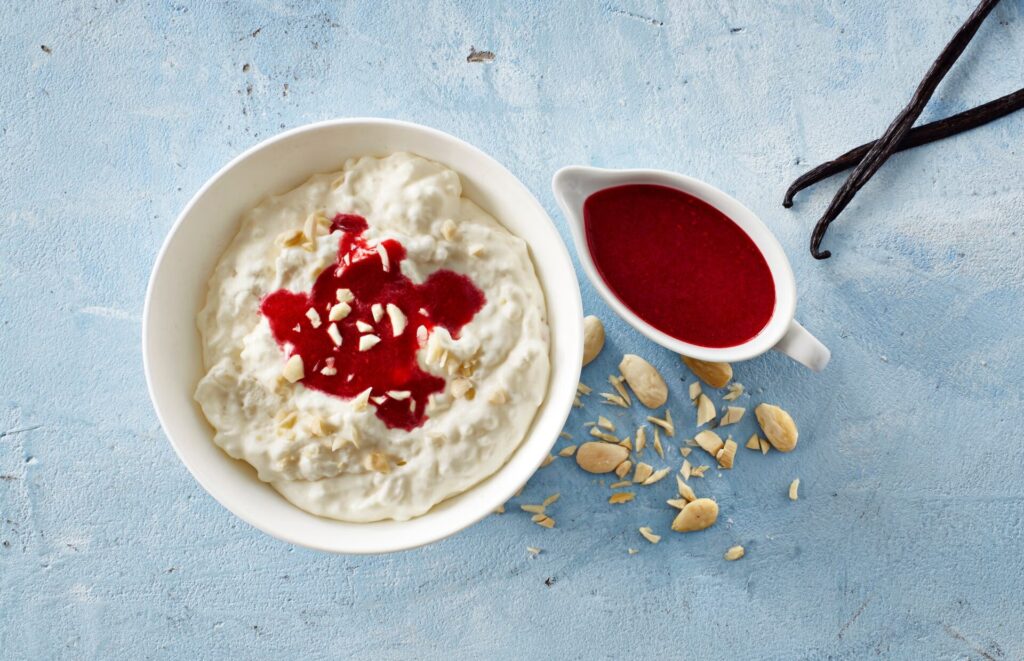
To round out your journey into Norwegian comfort food, you’ll want something sweet but light, indulgent but not fussy. Enter riskrem, a cold rice pudding mixed with whipped cream and often topped with a vibrant red berry sauce, traditionally made with raspberries or cherries.
It’s the kind of dessert that feels nostalgic even if it’s your first time trying it. Soft, creamy, and beautifully contrasted with a tangy topping, riskrem is a holiday favorite in Norway, especially around Christmas, but it deserves a place on your table all year round.
It’s also one of the easiest desserts to prepare in advance. Cook the rice in milk until thick, let it cool, fold in whipped cream, and chill. The sauce—made by simmering berries with sugar and a touch of lemon—adds the finishing touch. The result is a dessert that’s light on effort and high on pleasure.
Cooking Norwegian Means Cooking with Heart
Recreating Norwegian comfort food at home isn’t about exact replication—it’s about evoking the feeling. The cozy atmosphere of a winter evening. The ritual of slow cooking. The respect for nature’s rhythms. And the joy of eating something that feels real.
What makes these dishes so special isn’t just their flavors, though they are certainly rich and satisfying. It’s their rootedness in place, tradition, and family. Whether it’s the way kjøttkaker taste better the next day or how riskrem seems to bring out childhood memories, these meals speak to something beyond the ingredients. The deep connection to tradition and seasonal needs in these dishes mirrors how thoughtfully designed winter apparel combines functionality and comfort to suit both climate and lifestyle.
Bringing these foods into your kitchen invites you to slow down. To cook deliberately. To gather your loved ones, even if it’s just for a quiet meal at the end of a busy day. Norwegian food doesn’t shout. It doesn’t chase trends. It offers a kind of nourishment that goes deeper.
So next time the temperature drops or the day calls for something soothing, look to the fjords. Let their legacy travel through your forks. And discover how just a few ingredients, treated with care and intention, can carry the warmth of Norway all the way to your home.