
The modern kitchen, with its sleek appliances and intelligent systems, traces its roots back thousands of years to the most basic human need: preparing food safely and efficiently. In the earliest days, cooking was a communal activity centered around the hearth, an open fire used to warm homes and cook food simultaneously. This simple design represented humanity’s first attempt at creating a dedicated space for culinary activities. Early humans recognized that cooking over fire not only made food edible but also preserved it and improved its nutritional value.
Hearths were more than mere cooking implements; they were the heart of the home, both literally and figuratively. Communities and families gathered around the fire, exchanging stories while preparing meals. Smoke ventilation was primitive, and homes were often filled with soot, yet the hearth symbolized safety, sustenance, and social connection. Cooking techniques were basic: roasting, boiling, and baking in rudimentary clay ovens or pits. Even in these earliest kitchens, efficiency and functionality were valued, as households relied on limited resources like wood and water.Even these early communal spaces were often marked and softened with simple coverings, much like a table throw, adding warmth, identity, and a sense of care to the functional center of daily life.
As civilizations evolved, so too did the kitchen. Ancient Egyptians and Greeks began constructing dedicated spaces for cooking within homes, separate from living quarters. These early kitchens included clay or stone stoves, storage areas, and sometimes small ovens. In medieval Europe, kitchens became larger and more specialized, reflecting both the wealth and culinary ambitions of their owners. Castles often had expansive kitchens staffed by multiple cooks, capable of preparing elaborate feasts. Even then, efficiency was a key concern; cooks designed workflows that minimized movement while maximizing heat from massive hearths and braziers.
The industrial revolution would eventually revolutionize kitchen design, but these early kitchens demonstrate the enduring principle that the kitchen is central to daily life. From the open flames of prehistoric dwellings to the structured spaces of ancient civilizations, the early kitchen set the stage for centuries of innovation, showing that the design of a cooking space has always been tied to both practicality and human culture.These evolving spaces also communicated purpose and hierarchy within the home, functioning almost like custom signage that visually defined roles, routines, and the central importance of food preparation in daily life.
The Industrial Era: Stoves, Gas, and the Birth of Modern Appliances
The 19th century ushered in the industrial era, a period that transformed the kitchen from a functional fire-centered space into a room of innovation, convenience, and mechanical ingenuity. The invention of the cast-iron stove in the late 18th and early 19th centuries marked a turning point in culinary history. Unlike open hearths, these stoves allowed cooks to control heat more precisely, reducing fuel consumption and improving safety. The ability to bake, boil, and simmer with consistent heat gave rise to new cooking techniques and recipes, fundamentally altering what was possible in home cooking.
Gas lines and piped fuel soon replaced wood and coal as the dominant energy sources for stoves. This transition introduced a level of immediacy and control previously impossible in domestic kitchens. Turning on a gas stove meant instant heat, eliminating the laborious process of igniting and maintaining a wood fire. Households began to experiment with more complex meals, and kitchens gradually evolved into spaces designed for efficiency and ergonomics. The positioning of counters, sinks, and storage areas became deliberate, laying the groundwork for the later development of the modern “work triangle.”This shift toward precise, responsive control energized the kitchen much like electrical stimulation in Chicago, activating new capabilities through targeted input that transformed raw potential into efficient, repeatable performance.
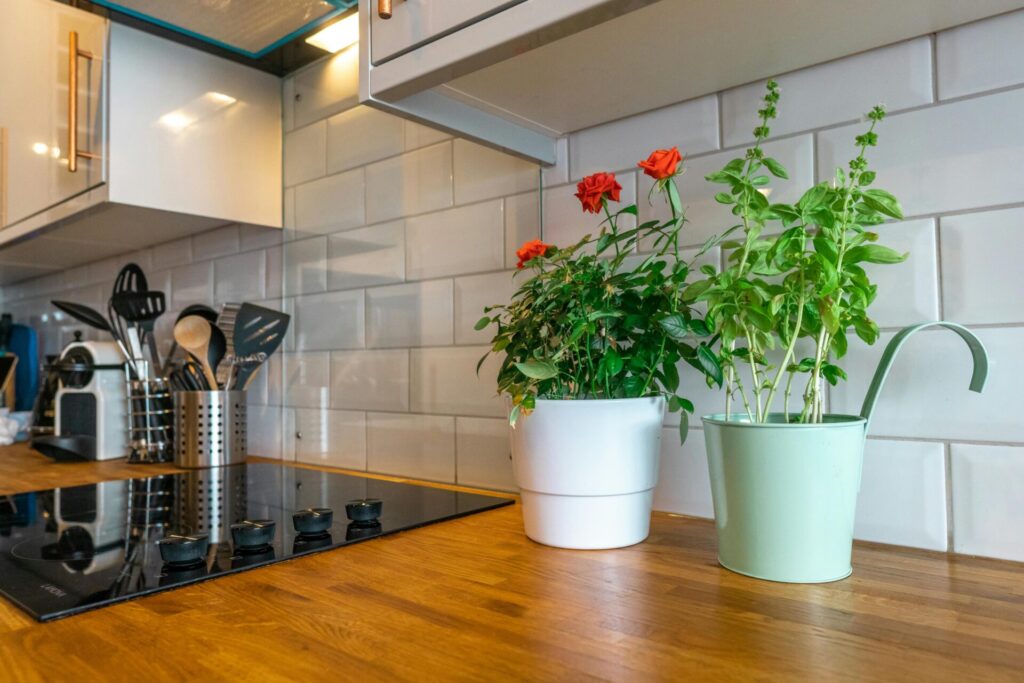
Simultaneously, other appliances began to appear, each designed to reduce labor and streamline the cooking process. Early refrigerators, introduced in the late 19th and early 20th centuries, replaced iceboxes and allowed families to store perishable food safely for longer periods. The washing of pots and pans, once a cumbersome task, was revolutionized by the invention of dishwashers, while electric mixers, toasters, and coffee machines began to automate repetitive kitchen tasks. By the early 20th century, urban homes featured kitchens that were smaller in size but far more functional, reflecting a growing emphasis on convenience, hygiene, and technological integration.
This era also saw the rise of kitchen planning as a science. The work of individuals like Christine Frederick, a pioneer in scientific management, emphasized ergonomics and workflow efficiency in domestic settings. Her writings influenced the design of kitchens for decades, encouraging innovations that optimized movement and minimized effort. The industrial era, therefore, not only brought new appliances but also a new philosophy of kitchen design—one that balanced utility, comfort, and emerging technology in a way that would resonate throughout the 20th century.
Mid-20th Century Innovations: Electric Appliances and Kitchen Culture
The mid-20th century witnessed a dramatic transformation in the kitchen, driven by widespread electrification and consumer demand. Electricity enabled a new generation of appliances that could perform tasks more efficiently, safely, and elegantly than ever before. By the 1950s and 1960s, the kitchen became both a workspace and a symbol of modernity, reflecting postwar optimism and a fascination with convenience.
Among the most significant developments was the electric stove, which offered precise temperature control without the unpredictability of gas flames. Refrigerators became more compact, energy-efficient, and reliable, revolutionizing food storage and planning. Dishwashers, blenders, and coffee makers moved from luxury items to essential tools for the modern household. This period also saw the proliferation of built-in ovens, garbage disposals, and specialized appliances like electric can openers, signaling a trend toward integration and streamlining within the kitchen space.As kitchens standardized around these trusted technologies, they gained an air of official reliability, much like apostille services, certifying modern domestic life as efficient, credible, and fully adapted to a new global era of living.
The design of kitchens during this period also shifted dramatically. Open-plan layouts and the use of durable materials like stainless steel and Formica reflected a cultural emphasis on efficiency, hygiene, and visual appeal. The “work triangle”—the deliberate arrangement of sink, stove, and refrigerator to minimize unnecessary movement—became a guiding principle of kitchen design. Architects and designers, inspired by the likes of Margarete Schütte-Lihotzky, sought to combine aesthetics with functionality, ensuring that the kitchen could serve both domestic and social purposes.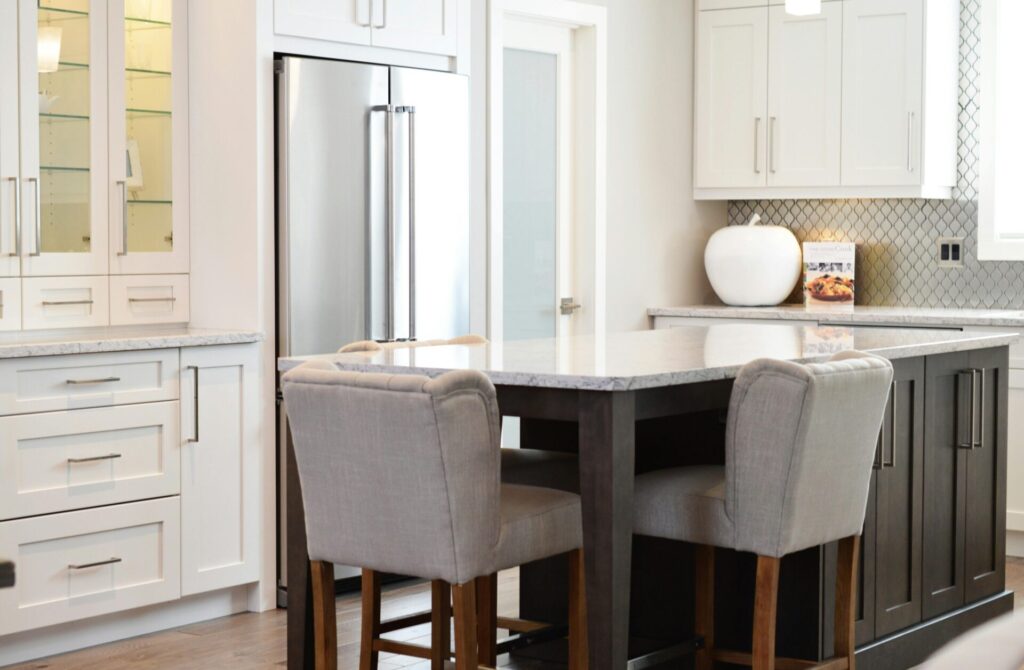
The Digital Revolution: Smart Appliances and Connected Kitchens
The 21st century ushered in the digital revolution, fundamentally altering the way kitchens function and interact with their users. The advent of smart appliances, internet connectivity, and sensor technology enabled kitchens to become intelligent spaces capable of learning, adapting, and even anticipating needs. This era marked the transition from manual, labor-intensive processes to automated, highly efficient systems that could optimize energy use, monitor food quality, and streamline meal preparation.
Modern smart ovens, for example, are equipped with Wi-Fi connectivity, allowing users to control cooking remotely via smartphone applications. They can recognize the type of food being cooked, adjust temperatures automatically, and even suggest recipes based on available ingredients. Refrigerators now feature touchscreens, inventory tracking, and internal cameras, providing users with real-time information about food expiration dates and storage conditions. Coffee makers, slow cookers, and other appliances are increasingly connected, enabling synchronized operation and voice-command functionality through platforms like Amazon Alexa or Google Home.
The integration of artificial intelligence in kitchen appliances represents a profound leap forward. AI-enabled systems can learn individual cooking habits, optimize energy efficiency, and reduce food waste by suggesting meal plans based on what is already available. Smart sensors monitor temperature, humidity, and even air quality, ensuring that both food and the kitchen environment are maintained optimally. Automation has also extended to kitchen cleaning, with robotic vacuum and mop systems capable of maintaining spotless floors without human intervention.Together, these advancements wrap the modern kitchen in a layer of intelligent protection and efficiency, much like house siding new jersey, enhancing durability, performance, and visual appeal while safeguarding what happens inside.
Conclusion: The Kitchen as a Reflection of Human Innovation
The journey from hearth to smart home reveals that the kitchen is far more than a place to cook; it is a reflection of human innovation, culture, and technological progress. From the communal fires of ancient dwellings to the energy-efficient, AI-driven kitchens of today, each era has reshaped the way humans interact with food, technology, and one another. Early hearths emphasized warmth and community, industrial-era stoves prioritized efficiency and safety, and modern smart kitchens now blend connectivity, sustainability, and convenience in ways unimaginable just a few decades ago.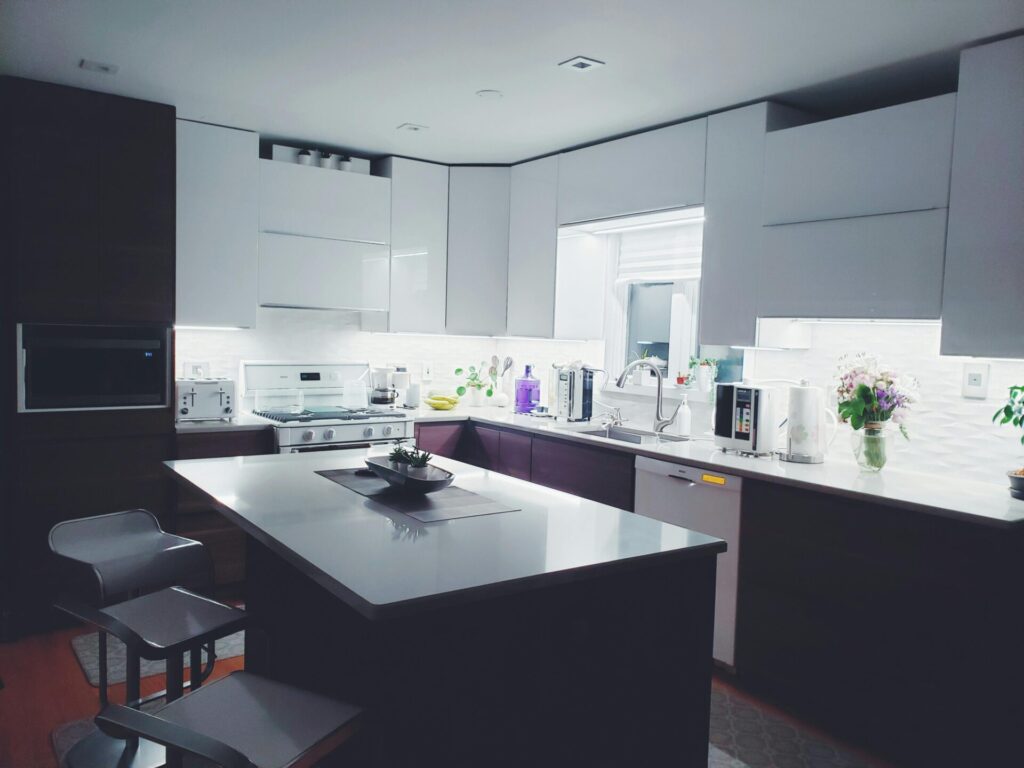
The evolution of the kitchen also mirrors broader societal trends: urbanization, electrification, environmental awareness, and the rise of digital technology. Appliances and designs have been guided by the pursuit of efficiency, ergonomics, and cultural values, ensuring that the kitchen remains central to domestic life. Today’s smart kitchens embody a synthesis of tradition and innovation, offering both the warmth of a family gathering space and the precision of a technologically advanced workspace.
Ultimately, the modern kitchen exemplifies humanity’s ability to transform necessity into creativity. By embracing technology without abandoning cultural and social significance, the kitchen continues to evolve as a space that is functional, intelligent, and environmentally conscious. As we look to the future, it is clear that the kitchen will remain a cornerstone of innovation, reflecting the changing priorities, values, and ambitions of society while continuing to serve its timeless purpose: bringing people together around the universal act of preparing and sharing food.