
Lebanese cuisine has a reputation that transcends borders, enchanting food lovers around the world with its vibrant flavors, aromatic herbs, and heartwarming dishes. At its core, Lebanese cooking is a celebration of simplicity meeting sophistication, turning everyday ingredients into meals that feel both luxurious and comforting. From bustling city homes in Beirut to quiet kitchens in small villages, Lebanese families have mastered the art of transforming humble vegetables, grains, and proteins into unforgettable culinary experiences. It is a cuisine deeply rooted in history, shaped by centuries of trade, migration, and cultural exchange, yet it retains an intimacy that makes it perfect for home cooking. The magic of Lebanese food lies not just in its flavors but in the stories, traditions, and care that accompany every dish.
The Heart of Lebanese Home Cooking
What makes Lebanese cuisine so captivating is its emphasis on freshness and balance. The dishes are never overwhelmed with heavy sauces or excessive fats. Instead, the cuisine relies on natural flavors highlighted by olive oil, lemon juice, garlic, and a symphony of herbs like parsley, mint, and thyme. This approach not only brings out the best in each ingredient but also reflects a deep-rooted cultural philosophy: good food nourishes both body and soul.
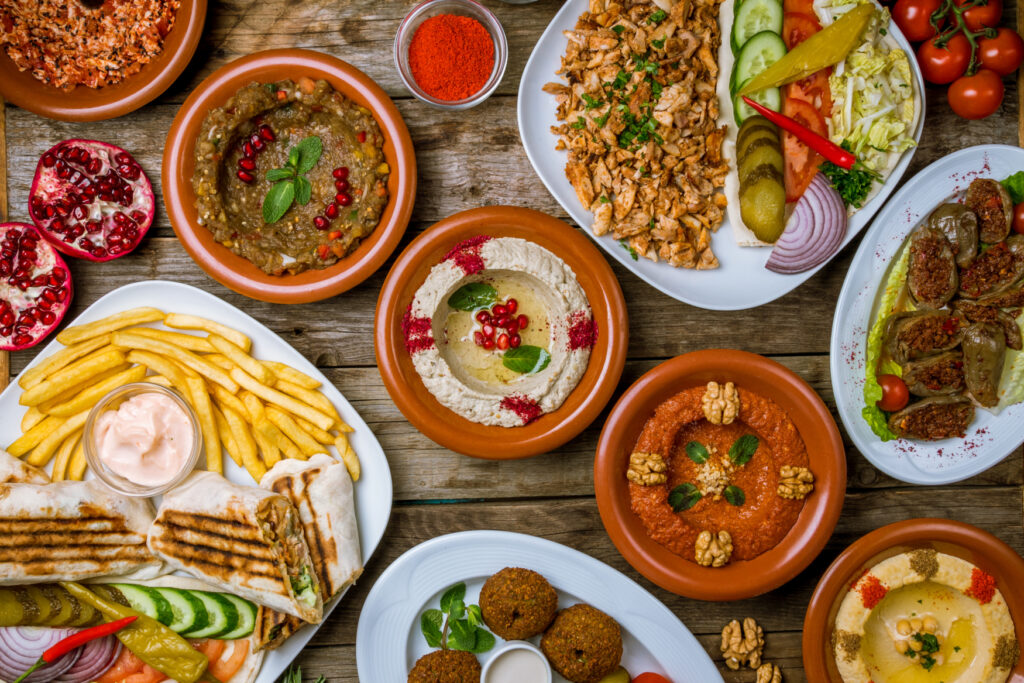
Home cooks in Lebanon often start their meals with mezze, a spread of small dishes meant for sharing. This tradition is not only about taste but also about togetherness. It is common for families and friends to gather around a table adorned with hummus, baba ghanoush, tabbouleh, and falafel, enjoying the ritual as much as the food itself. The mezze embodies the essence of Lebanese cooking: simple components elevated through care, technique, and communal spirit.
Transforming Vegetables into Culinary Art
Lebanese cuisine turns even the most ordinary vegetables into star ingredients. Consider tabbouleh, the world-famous parsley and bulgur salad. On the surface, it seems deceptively simple: finely chopped parsley, tomatoes, onions, and soaked bulgur, dressed with olive oil and lemon juice. But achieving the perfect tabbouleh requires balance. The parsley must be fresh and finely minced, the bulgur tender yet firm, and the lemon dressing bright enough to bring all the flavors together. When done right, tabbouleh is more than a salad; it is a celebration of freshness that awakens the senses.
Another example is moutabal, also known as baba ghanoush. Roasted eggplants are mashed and mixed with tahini, garlic, and lemon juice to create a smoky, creamy dip. The magic lies in the roasting process, which transforms the humble eggplant into a luscious, velvety base, layered with tanginess and a hint of garlic. Served with warm pita bread, moutabal epitomizes the Lebanese talent for turning simple ingredients into something extraordinary.
Grains and Legumes: Staples Reimagined
Legumes and grains are pillars of Lebanese home cooking, offering both sustenance and versatility. Hummus, made from chickpeas, tahini, garlic, and lemon, is arguably the most recognized Lebanese dish worldwide. Yet, while the ingredients are straightforward, perfecting hummus is an art. The chickpeas must be soft enough to blend into a creamy texture but still hold a hint of structure. The tahini adds richness, while a drizzle of olive oil and a sprinkle of paprika or sumac finish the dish with elegance. Each bite is a testament to how simple pantry staples can become luxurious.
Rice and bulgur also feature prominently in Lebanese kitchens. Dishes like mujadara, a mix of lentils and rice garnished with caramelized onions, transform modest ingredients into hearty, flavorful meals. The onions, slowly browned until sweet and golden, are what elevate the dish, proving that patience and technique can turn everyday staples into culinary masterpieces.
Meat and Flavorful Pairings
Lebanese home cooking often incorporates meat, but always in a way that complements rather than overwhelms the other ingredients. Kafta, ground beef or lamb mixed with parsley, onions, and spices, is a perfect example. It can be grilled, baked, or pan-fried, resulting in a dish that is flavorful, aromatic, and tender. The use of simple seasonings—salt, pepper, cinnamon, and allspice—demonstrates a guiding principle in Lebanese cuisine: subtlety over excess.
Another iconic dish, chicken shawarma, showcases Lebanese ingenuity. While street versions may rely on heavy sauces, homemade shawarma is marinated in a mixture of garlic, yogurt, and spices, then slowly roasted or grilled. The result is juicy, fragrant meat that pairs perfectly with flatbread, pickled vegetables, and tahini sauce. It is yet another illustration of how careful preparation and quality ingredients can make even the most commonplace foods extraordinary.

The Role of Herbs and Spices
Herbs and spices are the invisible magic of Lebanese cuisine, transforming simple components into complex, layered dishes. Za’atar, a blend of thyme, sumac, sesame seeds, and salt, is sprinkled on everything from flatbreads to roasted vegetables, imparting an earthy, citrusy note. Sumac itself, with its tangy, lemon-like flavor, can turn roasted meats or salads into something vibrant and bright. Mint, parsley, cinnamon, and allspice weave through countless recipes, giving dishes both depth and freshness.
Lebanese home cooks understand that the right seasoning at the right moment can elevate a dish from ordinary to unforgettable. Unlike cuisines that rely on heavy sauces, Lebanese cooking often lets the natural ingredients shine, using spices to highlight rather than mask the inherent flavors.
Sweets and the Final Touch
No discussion of Lebanese home cooking is complete without mentioning its sweets. Lebanese desserts are often deceptively simple but packed with flavor. Baklava, layers of phyllo dough, nuts, and syrup, is rich yet delicate. The combination of honey, sugar, and aromatic rose or orange blossom water transforms basic pantry staples into a dessert that is both indulgent and culturally significant.
Maamoul, small semolina or flour pastries filled with dates, nuts, or figs, demonstrates a similar philosophy. With a careful hand, a few simple ingredients are crafted into pastries that are not only delicious but also visually striking. These desserts, often reserved for holidays and celebrations, highlight how Lebanese cooks see food as a way to express care, tradition, and artistry.
Lebanese Cooking at Home: Tips and Philosophy
Cooking Lebanese food at home is as much about approach as it is about ingredients. Freshness is paramount. Vegetables should be crisp, herbs fragrant, and olive oil of high quality. The dishes are meant to be balanced, not overwhelming. Lemon juice adds brightness, garlic provides depth, and a touch of sweetness can harmonize flavors. Time and patience, whether roasting eggplants for moutabal or slowly caramelizing onions for mujadara, are equally crucial. Lebanese cuisine is a reminder that the most extraordinary meals often come from simple beginnings, elevated by technique, care, and passion.
Additionally, Lebanese home cooking is communal. Meals are not just sustenance; they are an experience. Preparing a mezze platter, roasting meat, or baking a sweet pastry becomes a shared act of love, bringing people together around the table. In every recipe, there is a story, a memory, a cultural thread that connects generations.

Conclusion: The Magic of Simplicity
Lebanese culinary magic lies in its ability to take modest, everyday ingredients and transform them into dishes that are vibrant, layered, and soulful. From the freshness of tabbouleh to the creamy richness of hummus, from the smoky allure of moutabal to the aromatic tenderness of kafta and shawarma, Lebanese home cooking is a masterclass in flavor, technique, and care. Even the desserts reflect this philosophy, turning basic components into moments of indulgence and tradition.
Cooking Lebanese food at home is not just about following recipes—it’s about embracing a philosophy that values freshness, patience, balance, and communal joy. It’s about seeing potential in every ingredient and understanding that even the simplest pantry staples can become extraordinary when treated with attention and love. In a world that often prizes speed and convenience, Lebanese cuisine offers a reminder: magic happens in the kitchen when simplicity meets passion, and ordinary ingredients can become unforgettable meals that nourish both body and soul.