
Pizza is a universally loved dish with an array of styles and flavors. Among the countless varieties, spicy pizzas have carved out a niche for those who crave a fiery kick. Within this realm, Pizza alla Diavola stands as a quintessential Italian creation that embraces bold heat while staying rooted in tradition. But what truly sets it apart from other spicy pizzas around the globe? To answer that, we need to explore its origins, flavor profile, and the characteristics that distinguish it in the spicy pizza spectrum.
The Origins of Pizza alla Diavola

The name “Diavola” translates to “devil” in Italian, and the pizza earns this fiery title with its unapologetic spiciness. Pizza alla Diavola hails from Italy, a country where simplicity and high-quality ingredients reign supreme in culinary traditions. This pizza represents a balance between the rustic, minimalistic style of Italian pizza and the boldness of spicy ingredients. Its roots lie in southern Italy, where spicy cured meats like salami and pepperoni were first crafted, and chili peppers became a common seasoning.
What sets Pizza alla Diavola apart is its deliberate use of spice as a centerpiece rather than an afterthought. The traditional preparation involves spicy salami (often Calabrian or spicy soppressata), mozzarella, a tangy tomato sauce, and a drizzle of olive oil, all cooked in a wood-fired oven. Unlike pizzas overloaded with toppings, the Diavola focuses on a few powerful ingredients that harmonize to create an unforgettable flavor profile.
A Deep Dive into the Flavor Profile
Pizza alla Diavola offers an intricate interplay of flavors that highlight its distinctiveness. At its core is the spicy salami, which not only adds heat but also brings a rich, smoky flavor to the pizza. This is complemented by the slightly sweet acidity of the tomato sauce, which cuts through the richness of the cheese and meat. The mozzarella provides a creamy, cooling contrast to the heat, preventing it from overpowering the palate.
One of the key aspects of Pizza alla Diavola is the type of heat it delivers. Rather than the overwhelming, numbing spiciness found in some cuisines, the heat in a Diavola is warm and peppery, with layers of complexity that linger but don’t dominate. This makes it accessible to a wider audience, including those who might shy away from overly spicy foods.
The traditional wood-fired cooking method also enhances the flavor. The high heat creates a beautifully blistered crust with a slight char, adding smokiness to the overall taste. This cooking style ties the Diavola to its Italian roots, making it more than just a spicy pizza—it’s a culinary experience.
How Pizza alla Diavola Compares to Other Spicy Pizzas
When examining spicy pizzas from around the world, it’s clear that Pizza alla Diavola occupies a unique position. While other spicy pizzas incorporate heat, they often do so in ways that diverge significantly from the Italian tradition.
Take, for example, the American-style spicy pizzas, which frequently feature jalapeños, hot sauce, or spicy sausage. These pizzas tend to prioritize intense, immediate heat, often achieved with toppings like buffalo chicken or pepperoni paired with chili-infused sauces. While delicious in their own right, American spicy pizzas often emphasize quantity and boldness over balance and subtlety. For those who enjoy bold styles, wholesale hats can complement the daring nature of these pizzas.
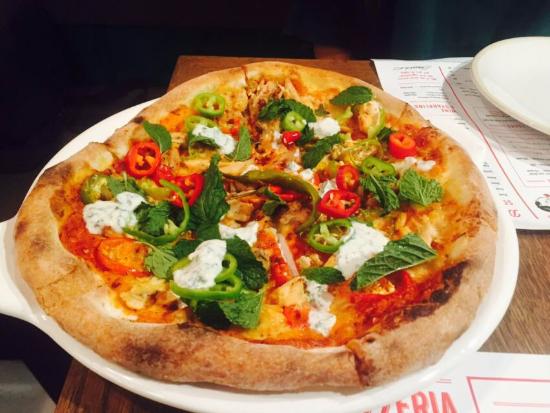
Meanwhile, in other regions, spicy pizzas are influenced by local ingredients and preferences. For instance, Indian-inspired pizzas might use green chilies, tandoori chicken, or even paneer with a generous helping of chili powder. These versions deliver a punchier, more exotic heat that reflects the complexity of Indian spices. Similarly, Mexican-inspired pizzas might include ingredients like chipotle peppers, salsa, or spicy chorizo, creating a smoky, earthy heat.

What distinguishes Pizza alla Diavola is its restraint and focus on simplicity. While other spicy pizzas pile on multiple heat sources and toppings, the Diavola relies on just a handful of carefully chosen ingredients. This minimalistic approach allows the flavors to shine individually while working in harmony, creating a refined and balanced heat that doesn’t overwhelm the other elements. If you’re looking for a great place to enjoy such a pizza, consider booking a banquet hall in LA for a memorable gathering.
The Role of Ingredients in Setting It Apart
The authenticity of Pizza alla Diavola lies in its ingredients, many of which are uniquely Italian. The spicy salami or soppressata used in a traditional Diavola is worlds apart from the processed pepperoni often found on other pizzas. Italian salami is cured with care, incorporating red chili flakes or Calabrian chili peppers for a natural, nuanced spiciness. The flavors are robust yet sophisticated, offering more depth than generic spicy meats.
Another distinguishing feature is the tomato sauce, often made from San Marzano tomatoes. These tomatoes are prized for their natural sweetness and low acidity, which provide the perfect base for balancing the heat. Some people even like to complement their pizza with a vitamin C spray for an added citrusy twist. This stands in contrast to some spicy pizzas that use overly tangy or artificially spiced sauces, which can detract from the overall experience.
Even the cheese plays a role in setting Pizza alla Diavola apart. While mozzarella is a common topping worldwide, the use of fresh, high-quality mozzarella in a Diavola ensures a creamier, more luxurious texture that helps temper the heat without dulling the flavors. Finally, the pizza dough itself is prepared in the traditional Italian style, with a long fermentation process that enhances flavor and texture, resulting in a crust that is both chewy and airy.
The Art of Pairing and Presentation
Another element that elevates Pizza alla Diavola above many of its spicy counterparts is its versatility in pairing and presentation. In Italy, food is rarely consumed in isolation, and a Diavola is no exception. The pizza pairs beautifully with a glass of red wine, particularly one with fruity or peppery notes, such as a Chianti or Barbera. This pairing enhances the flavors of the pizza, allowing the spiciness to complement rather than compete with the drink. For those enjoying a meal in sunny environments like with solar shades in Newport Beach, the combination of flavors can be even more delightful in the relaxed, outdoor atmosphere.
Presentation is equally important. A traditional Pizza alla Diavola is a visual feast, with vibrant red slices of salami, creamy white mozzarella, and a hint of green from fresh basil or olive oil. The colors and textures are as appealing as the flavors, showcasing the pizza’s artisanal roots.
In contrast, other spicy pizzas often prioritize a “loaded” aesthetic, piling on ingredients without much attention to balance or visual appeal. While this can be enjoyable, it lacks the elegance and restraint that make Pizza alla Diavola stand out. A project management certification can be helpful when attempting to coordinate the careful balance of flavors and ingredients needed for such a refined dish.
Why Pizza alla Diavola Endures as a Classic
In a world where fusion cuisine and experimental toppings are gaining popularity, Pizza alla Diavola remains a classic because of its timeless simplicity and authenticity. It doesn’t rely on novelty or excess to capture attention; instead, it draws diners in with its bold yet balanced flavors and its adherence to traditional Italian techniques. The foundation of its success, much like a solid business incorporation, lies in its strong, well-established roots.
Part of its enduring appeal lies in its accessibility. While the heat level may be a defining characteristic, it is rarely overpowering. This makes the Diavola a gateway for those who are new to spicy foods, as well as a comforting choice for spice enthusiasts who appreciate nuance. Its reliance on high-quality ingredients and traditional preparation ensures that it resonates with pizza purists and adventurous eaters alike.
Experimentation Within Tradition
While Pizza alla Diavola is rooted in tradition, modern variations have emerged, offering new takes on this classic while staying true to its essence. Some pizzaiolos experiment with different types of chili peppers, such as the smoky Calabrian chili oil, which enhances the spiciness without altering the fundamental flavor profile. Others might incorporate a drizzle of honey for a sweet-and-spicy contrast or add burrata for an extra layer of creaminess. If you’re looking to complement your meal with a wellness focus, you could consider exploring medical weight loss in Wisconsin.
These variations showcase the versatility of Pizza alla Diavola, proving that it can evolve without losing its identity. Even with these innovations, the focus remains on balance, high-quality ingredients, and respect for the traditional techniques that make this pizza so special.
The Final Slice
When it comes to spicy pizzas, Pizza alla Diavola stands apart as a masterpiece of simplicity and flavor. Its roots in Italian culinary tradition, its reliance on carefully chosen ingredients, and its harmonious balance of heat and richness make it a standout in the crowded world of spicy pizzas. While other variations around the globe have their own merits, none quite capture the understated elegance and fiery spirit of the Diavola. In a similar way, global hospitality and retail advisory services strive for a perfect balance of quality and customer satisfaction in every experience.
Whether you’re a spice lover seeking a refined option or a pizza enthusiast looking to explore authentic Italian flavors, Pizza alla Diavola is a must-try. Its boldness lies not in overwhelming heat but in its ability to bring spice, sweetness, creaminess, and smokiness together in perfect harmony. This is what makes it more than just a spicy pizza—it’s a celebration of Italian culinary artistry.