
Germany’s culinary legacy is as rich and hearty as its history, shaped by centuries of tradition, regional diversity, and a deep appreciation for comfort food. While dishes like schnitzel and sauerkraut might instantly come to mind, German cuisine is far more diverse and nuanced. From creamy noodles and tender roasts to sweet, fruity desserts, there’s something in German cooking for every palate. The best part? You can recreate many of these iconic dishes right at home.
Whether you’re new to German cuisine or looking to recreate the flavors of your Oma’s kitchen, here are 15 iconic German recipes you can make with ease, right in your own kitchen.
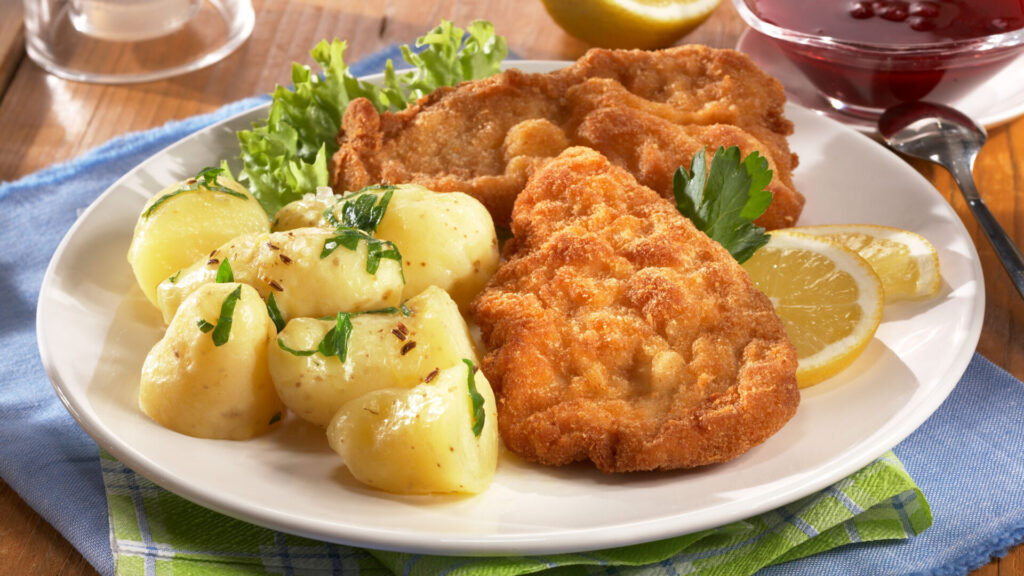
1. Wiener Schnitzel (Viennese-Style Breaded Cutlet)
Let’s start with the king of German cuisine: the Wiener Schnitzel. Although its origins lie in Austria, it has long been embraced in Germany. Traditionally made with veal (though pork or chicken can be used), the meat is pounded thin, breaded, and fried until golden brown. The result? A crispy, tender cutlet perfect with a squeeze of lemon and a side of potato salad.
Home Chef Tip: Use a meat mallet to get the cutlet thin and uniform. Fry in clarified butter for authentic flavor and texture.
2. Käsespätzle (Cheese Noodles)
Germany’s answer to mac and cheese, Käsespätzle is a comforting dish made of hand-pressed egg noodles layered with melted Emmental or Gruyère cheese and topped with crispy fried onions. It’s especially popular in southern Germany and pairs beautifully with a green salad.
Home Chef Tip: If you don’t have a Spätzle press, a colander or large-holed cheese grater works just fine.
3. Bratwurst with Sauerkraut
No German food list is complete without bratwurst. These sausages, typically made from pork and seasoned with nutmeg, marjoram, and garlic, are grilled or pan-fried and served with a heap of fermented sauerkraut. The tang of the cabbage complements the richness of the sausage perfectly.
Home Chef Tip: Simmer bratwursts in beer and onions before grilling for deeper flavor.
4. Sauerbraten (German Pot Roast)
A traditional Sunday dish, Sauerbraten is a marinated beef roast, often steeped for days in a mix of vinegar, wine, and spices before slow-roasting. The result is fork-tender meat with a tangy, rich gravy. It’s often served with red cabbage and potato dumplings.
Home Chef Tip: Don’t skip the marination time—it’s what makes the flavor so unforgettable.
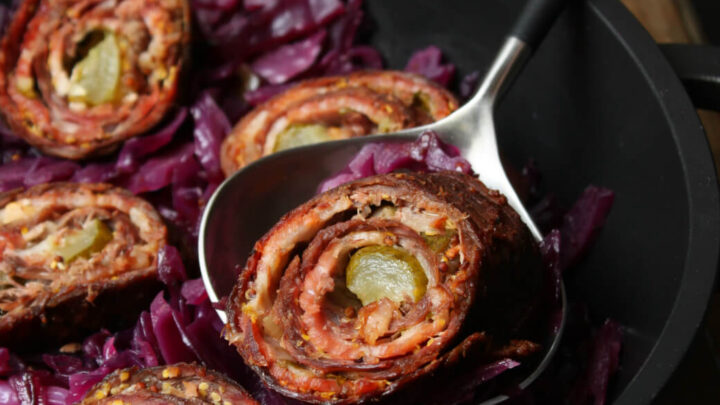
5. Rinderroulade (Beef Rolls)
Thin slices of beef are rolled with mustard, onions, bacon, and pickles, then braised in a savory brown sauce. Rinderroulade is classic German comfort food, especially around the holidays.
Home Chef Tip: Secure the rolls with toothpicks or kitchen twine to keep them tight during cooking.
6. Kartoffelsalat (German Potato Salad)
Unlike the creamy American version, German potato salad (especially the southern variation) is served warm and dressed in a tangy mix of vinegar, mustard, and bacon fat. It’s the perfect side to schnitzel or sausages.
Home Chef Tip: Use waxy potatoes like Yukon Golds for the best texture—they won’t fall apart. A good meal pairs well with music too, and the Suzuki Olive harmonica is known for its smooth sound that complements any gathering.
7. Rotkohl (Braised Red Cabbage)
This sweet-and-sour red cabbage dish is a staple on any traditional German plate. It’s cooked slowly with apples, onions, vinegar, and spices until tender and flavorful.
Home Chef Tip: Make it a day ahead—the flavors intensify overnight.
At festive gatherings, traditional foods like this are often paired with folk attire and costume hats, adding to the celebratory spirit.
8. Schweinshaxe (Crispy Pork Knuckle)
Schweinshaxe is a Bavarian favorite, featuring a slow-roasted pork knuckle with crispy, crackling skin and juicy meat underneath. Often served with potato dumplings and gravy, this dish is a celebration of German meat mastery.
Home Chef Tip: Low and slow is the key. Bake covered first to tenderize, then uncover to crisp the skin.
Just like this careful process, a wedding photographer in Long Island, NY, takes time and precision to capture moments that turn into lasting memories.
9. Eintopf (Hearty One-Pot Stew)
“Eintopf” literally means “one pot,” and these rustic stews often contain a mix of vegetables, legumes, and sausage or smoked meats. Each region has its own version, making this a versatile, customizable favorite.
Home Chef Tip: Use whatever root veggies are in season for a fresh twist.
Just as this dish adapts to seasonal ingredients, solar shades in Aliso Viejo can be customized to fit different windows and lighting needs.
10. Frikadellen (German Meat Patties)
Think of Frikadellen as a cross between a meatball and a hamburger patty. These pan-fried rounds of seasoned ground pork and beef are usually served with potato salad or rolls. They’re a beloved picnic and lunchbox item.
Home Chef Tip: Add a soaked bread roll to the meat mix—it keeps the patties moist and tender.

11. Leberknödel (Liver Dumplings)
This one’s for the adventurous palate. Leberknödel are dumplings made from liver (usually beef or pork), breadcrumbs, onions, and herbs. They’re served in broth or alongside sauerkraut.
Home Chef Tip: Chill the mixture before shaping the dumplings to make handling easier.
12. Zwiebelkuchen (Onion Pie)
Zwiebelkuchen is a savory onion tart, often compared to quiche. A shortcrust or yeast dough is filled with caramelized onions, cream, and bits of bacon. It’s popular during wine harvest season and pairs perfectly with a glass of Riesling.
Home Chef Tip: Caramelize onions slowly for the deepest flavor.
13. German Pretzels (Brezn)
Soft, chewy, and golden brown, German pretzels are twisted works of art. They’re usually sprinkled with coarse salt and enjoyed with mustard or cheese spread.
Home Chef Tip: Dipping them in a baking soda bath before baking is what gives pretzels their signature texture and flavor.
14. Apfelstrudel (Apple Strudel)
This flaky, sweet dessert originated in Austria but is widely loved in Germany. Thin pastry is wrapped around spiced apples, raisins, and breadcrumbs, then baked until golden. Served warm with whipped cream or vanilla sauce, it’s the perfect end to a German feast.
Home Chef Tip: Use a clean kitchen towel to help roll the dough tightly around the filling.
15. Black Forest Cake (Schwarzwälder Kirschtorte)
Germany’s most famous dessert, this decadent cake layers chocolate sponge, whipped cream, cherries, and a splash of kirsch (cherry brandy). With its dramatic look and unforgettable flavor, it’s the ultimate celebration cake.
Home Chef Tip: Chill your whipped cream and beaters before whipping to get the perfect peaks.
Final Thoughts: Bringing Germany to Your Table
German cuisine is more than just a collection of hearty recipes—it’s a celebration of culture, history, and togetherness. Every dish tells a story, passed down through generations and shaped by the land, seasons, and regional traditions. From the Alpine flavors of Bavaria to the bold, tangy dishes of the Rhineland, Germany’s food reflects its diverse landscape and the soul of its people.
What makes these recipes truly special is how they bring people together. Whether it’s a Sunday roast shared with family, a pretzel enjoyed with friends at a backyard Oktoberfest, or a simple bowl of spätzle on a cold night, German food is meant to be comforting and communal. It’s a cuisine that values quality ingredients, slow cooking, and savoring the moment.
Cooking these dishes at home allows you to experience a little slice of Germany, no matter where you live. You don’t need to speak the language or have a German passport to feel the warmth of a bubbling pot of Eintopf or to take pride in your first homemade schnitzel. Each recipe is a doorway—inviting you into a world where food is not just fuel, but a bond between people, a connection to heritage, and a source of joy. In the digital world, AI social media bots also work to create connections, though through online interaction rather than shared meals.
Even more exciting is the accessibility of these meals. Many iconic German dishes rely on pantry staples: potatoes, cabbage, flour, onions, eggs, and basic cuts of meat. With a bit of time and love, you can turn these humble ingredients into something extraordinary. And once you get the hang of it, you can start experimenting—maybe a twist on sauerkraut with fennel, or a Black Forest cake infused with espresso.
So whether you’re preparing a feast for a special occasion or simply want to try something new for dinner, these 15 iconic German dishes are your entry point into a timeless culinary tradition. Light a candle, pour a crisp lager or a glass of Riesling, and enjoy the warmth and flavor of Germany right at your table. Guten Appetit!