
Fine dining at home is one of those rare joys that combines creativity, craftsmanship, and an element of luxury. While the wine and ambiance are crucial to the overall experience, it’s the food that steals the show, offering the perfect opportunity to experiment with new techniques, flavors, and presentation. Crafting an elegant meal that rivals restaurant-quality dishes requires not just high-end ingredients, but an understanding of culinary techniques that elevate simple food into extraordinary fare. It’s about using skill and artistry to transform basic ingredients into something unforgettable.

The Essence of Fine Dining at Home
To create an at-home fine dining experience, it’s important to first grasp what makes fine dining different from casual meals. It’s not about filling up your stomach—it’s about savoring every bite, experiencing a variety of textures, flavors, and smells, and enjoying the ambiance created around the meal. Each course should offer something unique, whether it’s an unexpected flavor combination or a creative twist on a traditional dish. At home, you have the freedom to experiment and personalize your meal in ways that would be impossible at a restaurant.
It’s not about complicated recipes either—while technique is important, the best fine dining dishes are often the ones that elevate familiar ingredients in surprising ways. Whether you’re cooking a delicate pan-seared scallop or a rich, slow-braised short rib, it’s the attention to detail that transforms the dish from ordinary to spectacular.
The Foundation: Choosing the Right Ingredients
When it comes to fine dining at home, the quality of your ingredients cannot be overstated. Whether you’re making a velvety soup or a crispy duck breast, using the freshest, highest-quality produce, meats, and seafood is a non-negotiable step. Fine dining is about luxury and precision, and that starts with sourcing ingredients that are both exceptional and seasonal.
For meats, consider grass-fed beef, heritage breed pork, or sustainably farmed poultry. Seafood should be as fresh as possible, ideally wild-caught, and you’ll want to select a variety of textures to contrast with the richness of the dishes. For vegetables, the best fine dining creations often feature seasonal produce that shines on its own, whether it’s asparagus in the spring or winter squash in colder months. Don’t forget about herbs and spices—they are the soul of any fine dining dish, adding layers of flavor and fragrance.
Culinary Techniques That Elevate Your Meal
One of the core elements of fine dining at home is mastering cooking techniques that maximize the flavor and texture of each dish. Techniques like sous-vide, slow-braising, and pan-roasting allow home cooks to execute restaurant-quality dishes with a little bit of patience and care.
Sous-vide, for example, is a cooking technique that involves vacuum-sealing food in a bag and cooking it at a precise temperature in water. The result is incredibly tender and evenly cooked meat, fish, or vegetables. This technique is particularly useful when preparing more delicate proteins like salmon or tenderloin, where even the smallest deviation from the perfect cooking time can lead to overcooking.
Another technique to consider is slow-braising, often used for tougher cuts of meat like short ribs, lamb shanks, or osso buco. By cooking low and slow in a flavorful liquid, you break down collagen in the meat, making it incredibly tender and full of rich flavors. Slow-braising is a perfect option for creating depth in a dish, where the sauce becomes just as important as the protein itself.
If you’re looking for that perfect crispy skin, pan-searing is key. Whether it’s chicken, duck, or a piece of cod, getting a perfectly golden-brown crust on your protein adds texture and visual appeal. This is achieved by searing the meat in a hot pan with a small amount of oil, then finishing it in the oven or on the stovetop. The goal is to get the right balance of caramelized, crispy outside and tender, juicy inside.
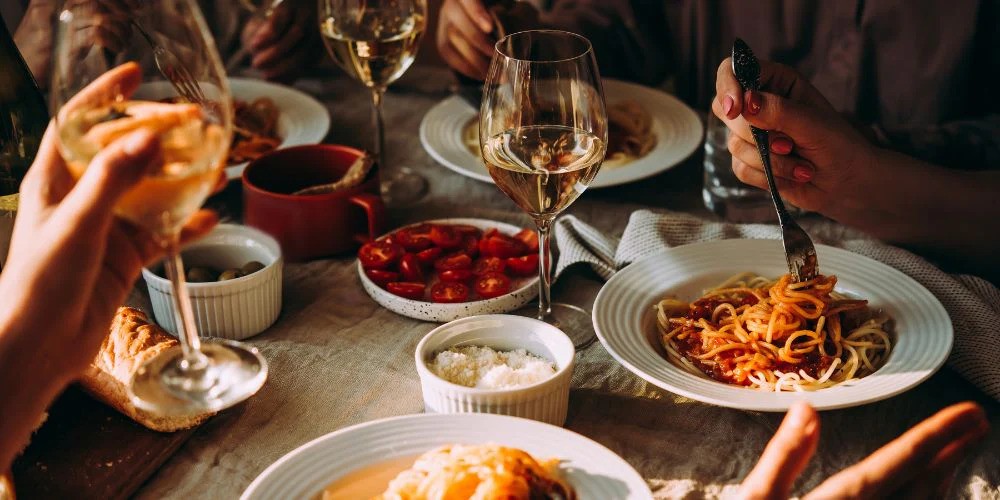
Creating Layered Flavors
Fine dining isn’t just about the ingredients you use—it’s about how you bring them together. The key to making each dish feel luxurious is to layer flavors, textures, and temperatures in a way that excites the senses. Each dish should have a balance of sweetness, acidity, bitterness, and umami, along with varying textures like crunchy, creamy, or smooth.
Take a dish like pan-seared foie gras with fig compote—the richness of the foie gras is balanced by the sweetness of the fig, while a drizzle of balsamic vinegar adds acidity. The crispy toast or brioche under the foie gras adds texture, while the balsamic reduction gives a concentrated depth of flavor that elevates the dish beyond simple ingredients.
You don’t have to use exotic ingredients to create layered flavors; even something as simple as roasted cauliflower can be transformed by adding a touch of curry powder, a squeeze of lemon juice, and a garnish of toasted almonds. The key is to create a harmony between the ingredients that play off each other—balancing sweetness with acidity, richness with brightness, and earthiness with freshness.
Plating: The Finishing Touch
Once the food is ready, the next step is presentation. A big part of the fine dining experience is the aesthetic of the dish itself. Plating should be elegant but not overly fussy. You want the food to look appetizing, but it should also feel natural—too much garnish or decoration can make a dish seem more like art than food.
Plating starts with considering the colors and textures on the plate. For example, if you’re serving a rich braised beef short rib, balance it with something bright and fresh, like a vibrant herb salad or a few dollops of whipped parsnip purée. Contrast can also come in the form of textures—if you’re serving a silky sauce, pair it with a crunchy element, like a crispy shallot or fried sage leaves.
When plating, think in terms of composition. Don’t crowd the plate. Each element should have its own space, and the food should be arranged in a way that feels balanced but still dynamic. A simple, understated plate is often more elegant than one that’s overly cluttered. The goal is to make the dish look effortless while showcasing the quality and care that went into preparing it.
Pairing Wine with Food
While the food is the star, wine plays a crucial supporting role in elevating the dining experience. The best wine pairings bring out the flavors of both the dish and the wine, creating a harmonious relationship that enhances the overall enjoyment. When it comes to fine dining at home, consider the body, acidity, and tannins in the wine, matching them to the richness, weight, and flavors of the food.
For example, a bold red wine like Cabernet Sauvignon pairs beautifully with a rich, fatty steak, as the tannins in the wine cut through the fat, providing balance. On the other hand, a Crisp Sauvignon Blanc works wonders with lighter seafood dishes or fresh salads, as its acidity refreshes the palate. For a more delicate dish like pan-seared scallops, a light Chardonnay or a sparkling wine can complement the sweetness of the seafood while adding a touch of elegance.
The key is to experiment and find pairings that enhance both the food and the wine. Consider a tasting menu style approach where you serve small portions of different courses with a carefully chosen wine for each one. This not only offers variety but also allows you to explore how the flavors interact with each sip.
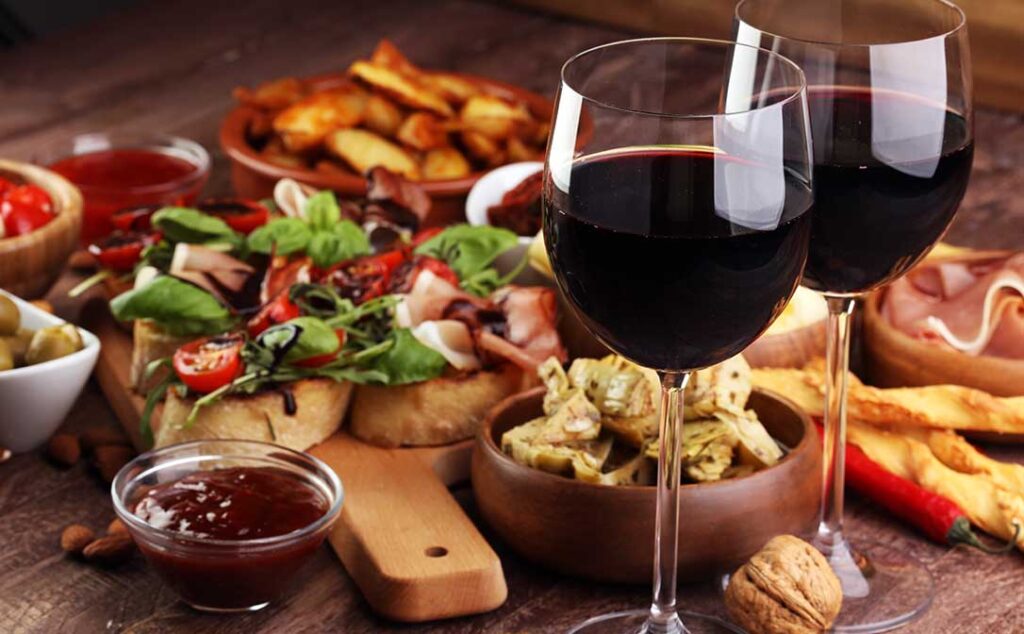
The Joy of At-Home Fine Dining
In the end, the beauty of creating an at-home fine dining experience is the ability to personalize and experiment in a way that suits your own tastes. Fine dining is not limited to restaurants or fancy kitchens—it’s about using your skills, your creativity, and the ingredients available to you to craft something truly special.
Cooking at home also offers a level of intimacy and personalization that restaurants can’t always provide. You have the power to curate every aspect of the meal, from the menu to the wine pairing, to the ambiance in which it’s enjoyed. The effort you put into creating an elevated dining experience in your own home is a reflection of your passion for food, and it’s this passion that makes the meal feel truly luxurious.
So, whether it’s a special celebration or just a moment to treat yourself, embrace the art of fine dining at home. With the right ingredients, culinary techniques, and attention to detail, you can create a meal that’s nothing short of spectacular—and share an unforgettable dining experience with those you love.