
Food storage might seem like a minor detail in the kitchen, but it plays a big role in keeping meals fresh, minimizing waste, and protecting your health. Whether you’re meal-prepping for the week or just trying to keep leftovers from spoiling, the containers you choose can either make your life easier—or cause more problems than they solve. Not all food containers are created equal, and understanding the difference can help you store food better, save money, and even avoid potential health risks.
Let’s break down the types of containers that are actually worth using and which ones are best left behind.
Why Food Storage Matters More Than You Think

Keeping food fresh is about more than just convenience. Poor storage can lead to faster spoilage, wasted money, and even foodborne illness. On the flip side, the right containers extend shelf life, preserve taste and texture, and help you stay organized. Especially with rising grocery costs, getting the most out of what you buy is crucial.
Storage isn’t just about what kind of lid fits tightest or which container stacks best in your fridge. The material matters. How it reacts to heat, cold, and moisture impacts how long your food stays safe and appetizing. Certain materials also have long-term effects on your health, especially when they’re used repeatedly or exposed to heat.
The Gold Standard: Glass Containers
If there’s one material that consistently comes out on top, it’s glass. Glass containers are durable, non-porous, and free from harmful chemicals. They won’t absorb stains or smells, they can go from fridge to oven to dishwasher without complaint, and they last for years with proper care.
What makes glass especially valuable is its inert nature—it doesn’t leach chemicals into your food, even when heated. That makes it a smart choice for reheating meals in the microwave or oven. Plus, the clarity of glass lets you easily see what’s inside, so you’re less likely to forget about that soup or salad until it grows fuzz.
The downside? Glass is heavier and can break if dropped. But for most households, the benefits far outweigh the occasional inconvenience. If you’re serious about long-term food storage, glass is the best investment you can make.
The Rise of Silicone: Flexible and Safe
Another strong option gaining traction is silicone. Especially useful for freezer storage or collapsible containers, silicone is flexible, lightweight, and resistant to temperature extremes. You can freeze it, microwave it, and wash it in the dishwasher without issue.
Silicone bags and lids are a popular plastic alternative, especially for storing liquids or oddly shaped items. They don’t leach harmful chemicals, and high-quality silicone holds up well over time without degrading or cracking.
However, not all silicone is created equal. Some cheaper products are blended with fillers that compromise performance and safety. Look for food-grade, BPA-free, and FDA-approved silicone to make sure you’re not unknowingly using subpar materials. When in doubt, trusted brands that clearly state safety standards on the packaging are your best bet.
BPA-Free Plastics: Not All Plastic Is Evil
Plastic containers still dominate most kitchens, and not without reason. They’re lightweight, cheap, and come in every shape and size imaginable. While plastic gets a bad rap—and often for good reason—not all plastic is equally harmful.
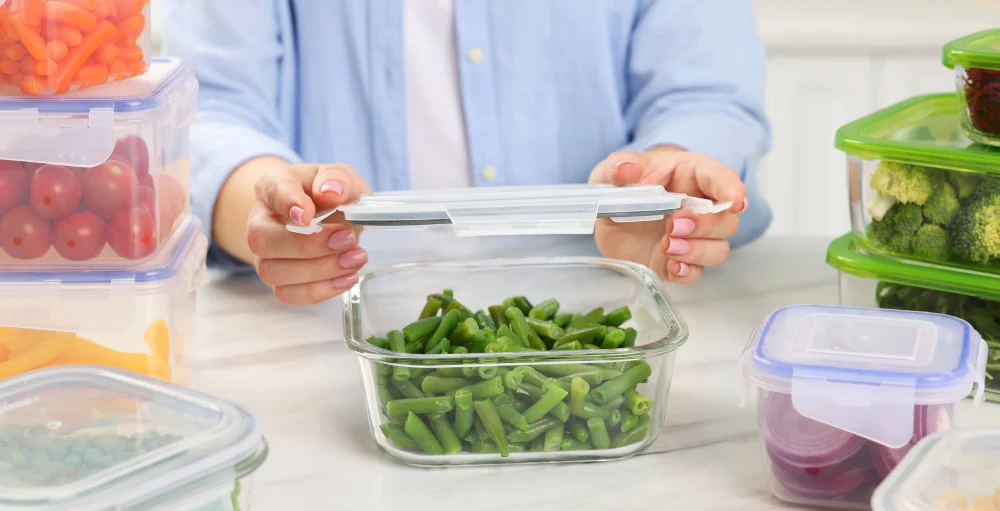
The key is knowing what kind of plastic you’re dealing with. BPA (bisphenol A) is a chemical used in many plastic products that has been linked to hormone disruption. While many manufacturers now offer BPA-free products, that doesn’t always mean they’re completely safe. Some replacements for BPA may have similar effects, and repeated use, especially when heating, can break down even high-quality plastics over time.
If you’re going to use plastic, stick to containers labeled BPA-free, and avoid heating them whenever possible. Use them for cold or dry storage only, and replace them when they start to show signs of wear—like warping, scratching, or cloudiness. Plastic can still serve a role in your kitchen, but it shouldn’t be your go-to for long-term or high-heat storage.
Stainless Steel: Sleek, Safe, and Durable
Stainless steel containers are a lesser-known but solid option, particularly for dry goods, snacks, or even lunches. They’re non-toxic, don’t absorb odors or flavors, and are nearly indestructible. They also tend to seal tightly and keep out moisture, which makes them ideal for on-the-go meals or pantry staples.
That said, stainless steel isn’t microwave-safe, and unless it has a clear lid or label, you can’t see what’s inside without opening it. For those who meal prep or like visual reminders of what they have on hand, that can be a bit of a drawback.
Still, if you need something tough, long-lasting, and clean, stainless steel is a top-tier choice. It’s especially popular with people trying to reduce their reliance on plastic and move toward more eco-friendly kitchens.
Containers to Avoid: The Usual Suspects
Some containers just aren’t worth the risk. First on that list: cheap, single-use plastic containers like those from takeout restaurants or dollar stores. These are not designed for repeated use, and they often contain harmful chemicals that leach into food, especially when microwaved or washed repeatedly.
Another red flag is any plastic that’s unlabeled. If you can’t confirm what kind of plastic it is, don’t assume it’s safe. Reusing old yogurt or sour cream containers might seem frugal, but these weren’t made for long-term storage or exposure to heat. Over time, they break down and can contaminate your food.
Also, avoid any container that’s cracked, stained, or warped. These are signs that the material is degrading, which increases the chances of chemical leaching or bacterial growth. If a container looks like it’s been through too much, it probably has.
Finally, steer clear of aluminum containers for storing acidic foods. The acid can react with the metal and affect the taste, texture, and even safety of your meals. While aluminum is fine for temporary transport or cooking, it’s not ideal for long-term storage.
Matching the Container to the Task
It’s not just about material—how you plan to use the container should guide your choice. Freezing soup? Use thick glass or high-quality silicone that won’t crack or warp. Taking lunch to work? Stainless steel or BPA-free plastic offers convenience without the weight of glass. Storing dry pantry goods like rice or flour? Airtight glass jars or metal tins work best to keep out moisture and pests.
It also pays to be realistic. You don’t need to throw out every plastic container you own, but being mindful of how and when you use them makes a big difference. Treat certain containers like tools: each has a purpose, and using the right one will get you better results.
Taking Care of Your Containers
Even the best containers won’t last forever if they’re not properly maintained. Wash thoroughly after each use, especially if the food was oily, spicy, or prone to staining. Use non-abrasive sponges to avoid scratching surfaces, and don’t overload dishwashers if you want your containers to last longer.

Pay attention to lids—loose or cracked lids are one of the biggest culprits behind spoilage and leaks. If the lid doesn’t seal properly, it’s time to replace it or retire the container.
If you’re switching to better materials like glass or silicone, it’s okay to do it gradually. One or two containers at a time will eventually replace the need for cheap plastic options.
Conclusion: Invest in the Right Containers, Reap the Benefits
The containers you use to store food aren’t just accessories—they’re a key part of how you cook, eat, and protect your health. Choosing the right materials helps preserve flavor, reduce waste, and prevent exposure to harmful chemicals. Glass and silicone lead the pack for their safety and durability, while stainless steel provides a rugged and reusable option for meals on the go. BPA-free plastic can still have a place in your kitchen, but it should be used thoughtfully and replaced often.
Avoiding low-quality plastics, repurposed takeout containers, and mystery materials is a simple step that pays off in the long run. Your food will taste better, last longer, and be safer to eat. And really, isn’t that the point?
When you invest in good food, it makes sense to store it right. Choosing smart, safe containers is just one more way to respect your ingredients—and take care of yourself in the process.