
The kitchen, as we know it today, was far from the organized, efficient space seen in contemporary homes. In the 18th and early 19th centuries, kitchens were primarily utilitarian areas centered around open hearths or large stoves, where cooking was labor-intensive and often separated from living spaces. The design of these early kitchens prioritized function over form, reflecting a societal understanding of the kitchen as a service area rather than a hub of domestic life. The spatial arrangement was largely dictated by practicality: fire safety, access to water, and the ability to prepare large meals for extended families or domestic staff were paramount.
The advent of industrialization in the 19th century began to transform these domestic spaces. Factories and workshops introduced new materials, production methods, and ergonomic principles, which slowly influenced the design of domestic interiors. Early kitchen designers started to experiment with metal cabinetry, cast iron stoves, and built-in storage, borrowing techniques from industrial production to improve efficiency. This period also saw the rise of specialized tools and utensils, as mass production made items such as stoves, ovens, and tin cookware more widely available. Kitchens became more modular, with work surfaces, storage, and appliances beginning to take on standardized forms that could accommodate the rhythms of modern cooking.
The emergence of urban living also played a significant role. Smaller apartments and houses required compact, organized kitchens, prompting designers to think about flow, accessibility, and the reduction of unnecessary movement. Frederick Taylor’s principles of scientific management, though initially applied to factories, began to influence domestic work. Kitchens were increasingly evaluated for efficiency and ergonomics, with the arrangement of appliances and work surfaces designed to minimize wasted effort. This marked the beginning of a shift from purely functional spaces toward spaces optimized through industrial design principles, laying the foundation for the modern kitchen.
The early 20th century brought further innovation, as the combination of industrial techniques and consumer-oriented design began to shape kitchens that were not only efficient but also visually appealing. Designers began considering the kitchen as a reflection of modern life: clean lines, durable materials, and standardized units became central features. Industrial design introduced the idea that a kitchen could be both functional and stylish, setting the stage for the comprehensive transformations that would define the next century.
The Birth of the Modern Kitchen: Efficiency and Aesthetics
The 1920s and 1930s marked a critical period in the evolution of kitchen design. The concept of the “work triangle”—the relationship between stove, sink, and refrigerator—emerged as designers sought to streamline domestic labor. This principle, emphasizing minimal movement and maximum efficiency, was heavily influenced by industrial engineering methods. Notably, the work of Margarete Schütte-Lihotzky, who designed the Frankfurt Kitchen in 1926, exemplified this approach. The Frankfurt Kitchen was revolutionary: it incorporated built-in cabinetry, standardized dimensions, and dedicated work zones, all intended to reduce fatigue and increase productivity. It was one of the first instances where industrial design theory directly informed domestic architecture.
The industrial design approach also emphasized the use of modern materials. Steel, aluminum, and Formica became staples in kitchen construction, offering durability, cleanliness, and ease of maintenance. These materials, initially developed for factories and industrial applications, allowed designers to create surfaces and appliances that could withstand the rigorous demands of daily cooking. The rise of prefabricated components and modular units made it possible to produce kitchens that were both consistent in quality and relatively affordable for the average household. This democratization of design represented a major shift: the modern kitchen was no longer solely the domain of wealthier families but an accessible and standardized environment for middle-class life.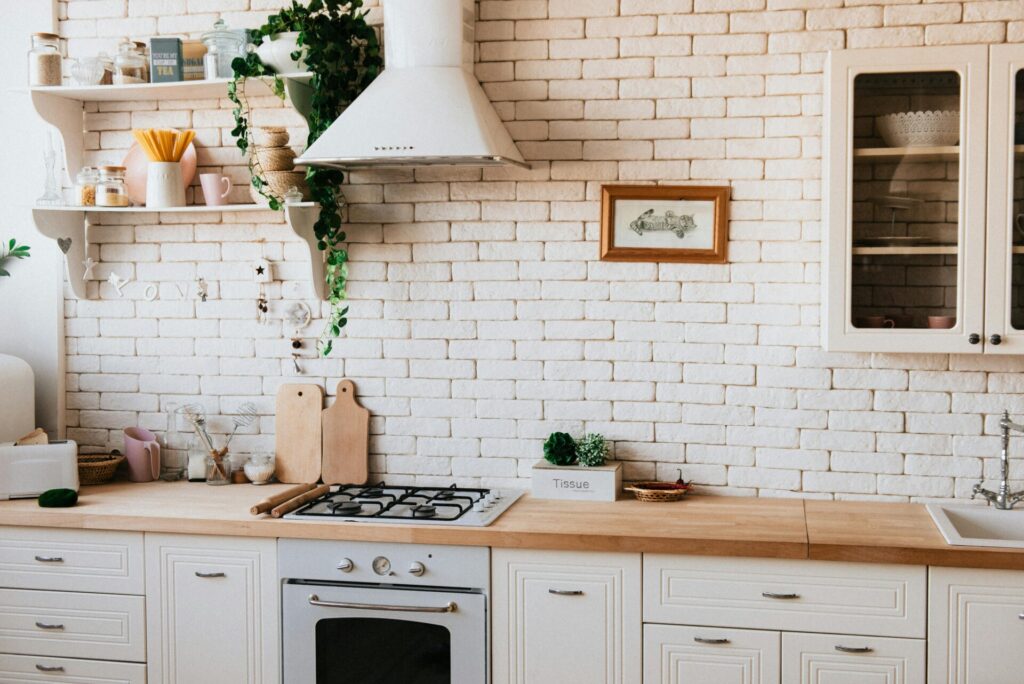
Aesthetics became equally important. Industrial design encouraged simplicity, clean lines, and functional beauty, leading to the adoption of streamlined cabinetry, minimal ornamentation, and coordinated color schemes. Influences from movements such as Bauhaus and Art Deco reinforced the idea that industrially produced elements could be both practical and visually compelling. Appliances like electric stoves, refrigerators, and dishwashers were integrated into kitchen layouts, reflecting a growing emphasis on technological convenience. These innovations collectively transformed the kitchen into a space where efficiency and design sophistication coexisted, signaling a departure from the purely utilitarian kitchens of previous centuries.
Furthermore, the introduction of standardized dimensions and modular components allowed kitchens to be customized to different living situations while maintaining ergonomic integrity. This period also saw the rise of built-in storage solutions, including cabinets with sliding shelves, overhead cupboards, and pull-out drawers, which maximized space utilization and organization. Industrial design had introduced a systematic approach to the kitchen, treating it as a machine for living, where every element had a specific purpose and contributed to an overall workflow.
Postwar Innovation: Mass Production and Consumer Culture
After World War II, the intersection of industrial design and consumer culture transformed kitchens at an unprecedented pace. Economic growth, suburban expansion, and rising household incomes fueled demand for modern, stylish, and technologically advanced kitchens. Industrial designers applied mass production techniques to kitchen components, enabling the widespread availability of modular cabinetry, integrated appliances, and specialized storage solutions. The postwar era solidified the kitchen’s status as a central feature of domestic life, reflecting broader cultural shifts toward convenience, comfort, and aesthetic appeal.
The influence of industrial design extended beyond functionality. Designers sought to enhance the visual harmony of the kitchen by coordinating colors, materials, and textures. Formica countertops, chrome hardware, and enamel-coated cabinetry became hallmarks of the era, blending durability with style. Kitchen appliances were no longer simply utilitarian; they were designed to convey modernity, efficiency, and a sense of optimism. This period also saw the rise of built-in refrigerators, dishwashers, and microwave ovens, which were designed with an eye toward both ergonomics and visual integration into kitchen layouts.
The postwar kitchen also benefited from technological innovation inspired by industrial design principles. The development of lightweight metals, plastics, and laminates allowed for more versatile and affordable kitchen solutions. Appliances became more compact and user-friendly, often incorporating modular designs that could be adapted to different layouts. The emphasis on standardization facilitated easier installation and repair, while mass production ensured uniform quality and accessibility. As a result, households could experience the efficiency and elegance of industrially designed kitchens without the prohibitive costs of bespoke solutions.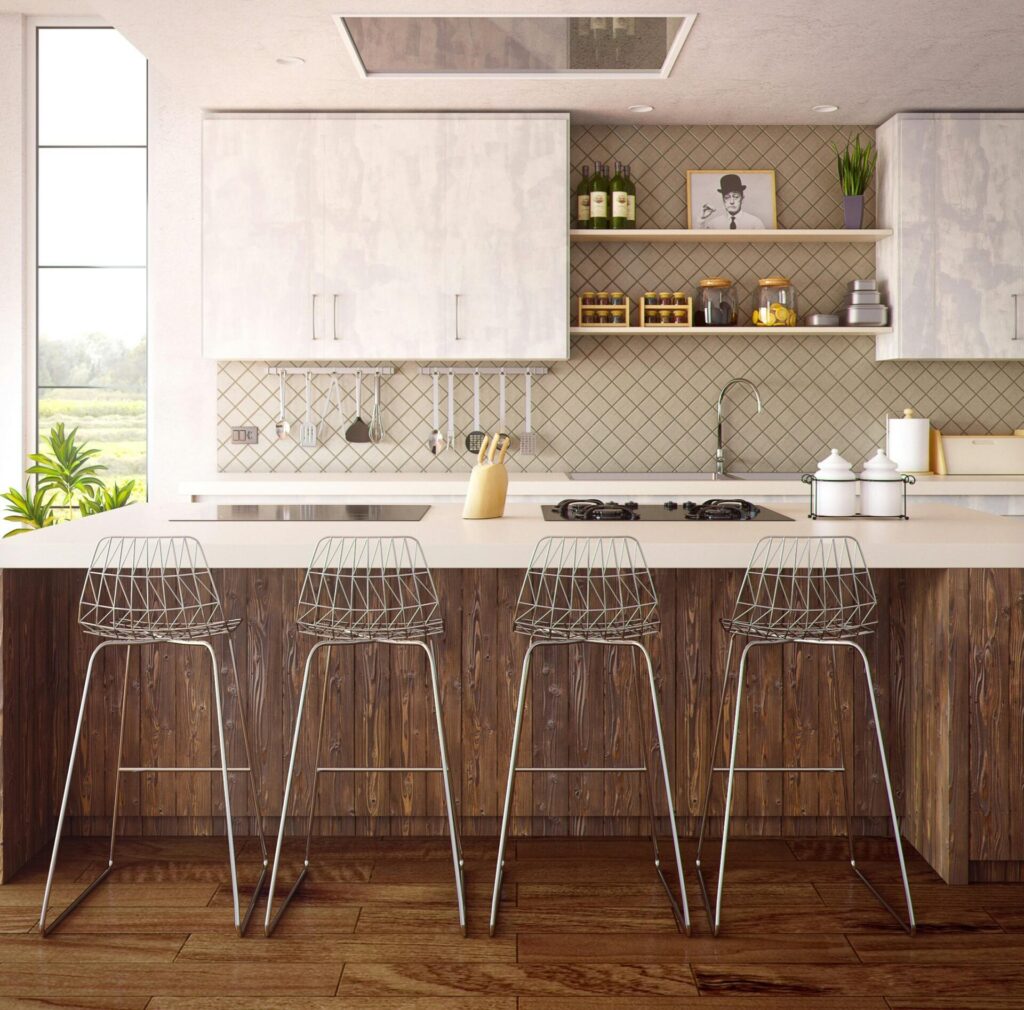
Contemporary Kitchens: Technology, Sustainability, and Personalization
The modern kitchen continues to evolve under the influence of industrial design, driven by technological advancements, sustainability concerns, and the desire for personalized living spaces. Today’s kitchens are not only centers for food preparation but also multifunctional environments that support social interaction, remote work, and smart home integration. Industrial design principles remain central to these developments, ensuring that modern kitchens balance functionality, efficiency, and aesthetic appeal.
One of the most significant trends in contemporary kitchen design is the integration of technology. Smart appliances, such as Wi-Fi-enabled ovens, refrigerators with touchscreens, and automated coffee machines, exemplify how industrial design merges usability with innovation. These technologies rely on ergonomic and systematic design to ensure that interactions are intuitive and seamless. Industrial designers focus on user experience, interface clarity, and the integration of digital controls into physical objects, demonstrating that the kitchen is not merely a workspace but an interactive environment optimized for modern lifestyles.
Sustainability is another major consideration. Industrial design has introduced eco-friendly materials, energy-efficient appliances, and waste-reduction systems that minimize the environmental impact of kitchen activities. Recycled metals, bamboo cabinetry, and low-VOC finishes are now standard components in contemporary kitchens, reflecting a shift toward conscious consumption. Energy-efficient lighting, water-saving fixtures, and appliances that minimize electricity use demonstrate how industrial design principles can address both functional needs and ethical responsibilities. The modern kitchen is thus not only a reflection of technological prowess but also a manifestation of environmental stewardship.
Conclusion: The Lasting Impact of Industrial Design on the Kitchen
The evolution of the kitchen demonstrates the profound influence of industrial design on every aspect of domestic life. From the utilitarian hearths of the 18th century to the highly optimized, technologically integrated spaces of today, industrial design has shaped kitchens to maximize efficiency, functionality, and aesthetic appeal. By introducing standardized components, modular systems, ergonomic principles, and innovative materials, industrial designers transformed kitchens from purely practical spaces into environments that enhance daily living.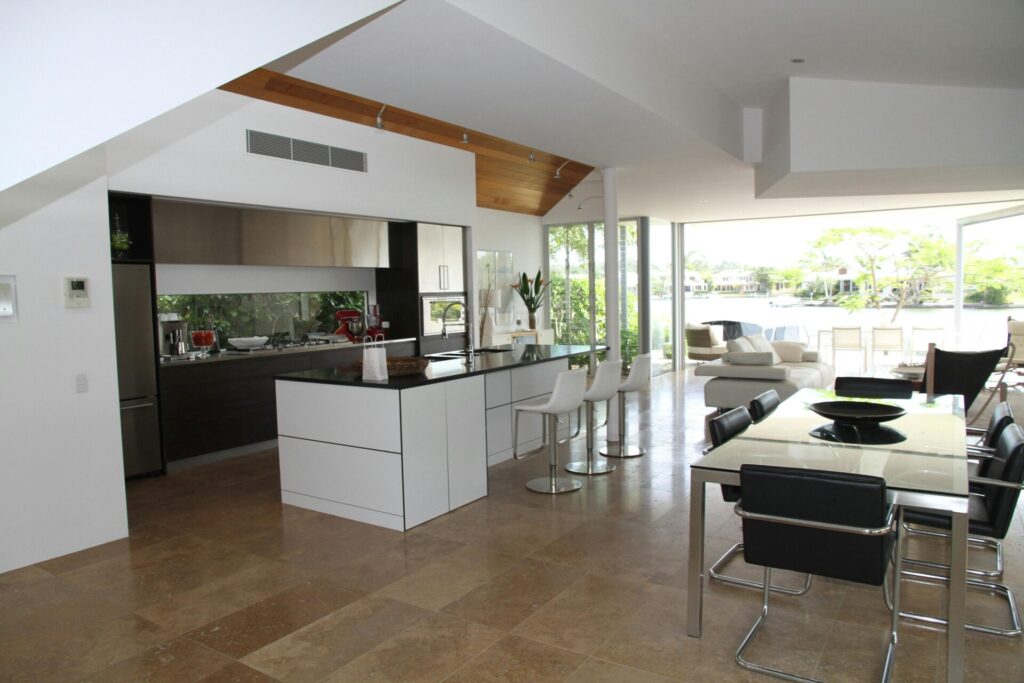
Throughout history, industrial design has responded to social, technological, and cultural shifts, ensuring that kitchens remain relevant, comfortable, and visually compelling. The Frankfurt Kitchen laid the foundation for efficient domestic work, postwar innovations democratized stylish and functional kitchens, and contemporary designs integrate technology, sustainability, and personalization to meet the demands of modern life. Each stage of this evolution reflects a consistent theme: the pursuit of optimal performance, seamless usability, and thoughtful design.
Looking forward, industrial design will continue to guide the development of kitchens, incorporating emerging technologies such as smart surfaces, robotics, and sustainable energy systems. The principles established over the past century—efficiency, modularity, ergonomics, and aesthetic coherence—will remain central to innovation. The modern kitchen, shaped by industrial design, stands as a testament to the enduring power of thoughtful, systematic design to improve human experience, blending form, function, and cultural meaning in ways that continue to enrich everyday life.