
Jordan is a land where history whispers through every stone, and its culinary heritage tells stories that span centuries. From the bustling markets of Amman to the quiet village kitchens tucked into the hills, Jordanian cuisine reflects a blend of ancient traditions, regional flavors, and heartfelt hospitality. Cooking these dishes at home is not just about preparing food—it’s an invitation to experience a culture deeply rooted in generosity, flavor, and communal dining. Whether you are a seasoned cook or a curious foodie, this journey through Jordanian cuisine will inspire you to bring the tastes of the Middle East into your own kitchen.
The Heart of Jordanian Cuisine: Hospitality and Tradition
To understand Jordanian cooking, one must first understand its soul: hospitality. Serving food in Jordan is an act of love, respect, and community. Meals are not rushed but savored, and sharing food with family, neighbors, or guests is a cherished ritual. The dishes themselves often reflect this sense of togetherness—plentiful, comforting, and made to be enjoyed slowly. From spiced stews to layered rice dishes, Jordanian recipes are designed to bring people together. When cooking these dishes at home, it’s not just about replicating flavors—it’s about recreating an experience, a sense of warmth and connection that is central to Jordanian life.
Mansaf: Jordan’s National Dish
No journey through Jordanian cuisine is complete without Mansaf, the country’s most iconic dish. Mansaf is more than food; it is a symbol of heritage and celebration, traditionally served at weddings, festivals, and large gatherings. The dish consists of lamb cooked in a fermented yogurt sauce called jameed, served over a bed of aromatic rice and garnished with almonds and pine nuts. Its preparation may seem intimidating at first, but making Mansaf at home is a deeply rewarding experience.
Start by slowly simmering the lamb in jameed, allowing the tangy, creamy flavor to infuse the meat. While the lamb cooks, prepare the rice with lightly sautéed onions and a touch of ghee or butter. Layering the lamb over the rice, drizzling the yogurt sauce generously, and sprinkling the nuts on top creates a dish that is as visually impressive as it is flavorful. The key to authentic Mansaf is patience—the longer the meat simmers, the more tender it becomes, and the richer the sauce.
Maqluba: The Upside-Down Wonder
Another quintessential Jordanian dish is Maqluba, which literally means “upside-down.” This layered dish is a feast for the eyes as well as the palate, featuring rice, vegetables, and meat stacked in a pot and then flipped onto a serving platter before eating. Common ingredients include eggplant, cauliflower, carrots, and chicken or lamb, with aromatic spices like cinnamon, allspice, and cardamom infusing each layer.
Cooking Maqluba at home requires careful layering and slow cooking. Begin by lightly frying the vegetables to bring out their sweetness and depth. The meat, usually marinated with garlic, lemon, and a blend of traditional spices, is placed at the bottom of the pot. Finally, the rice is added, and the entire pot is cooked together, allowing the flavors to meld. When it’s time to flip the dish, the result is a beautiful, golden masterpiece that embodies Jordanian ingenuity and elegance.
Mujadara: A Simple Yet Soulful Dish
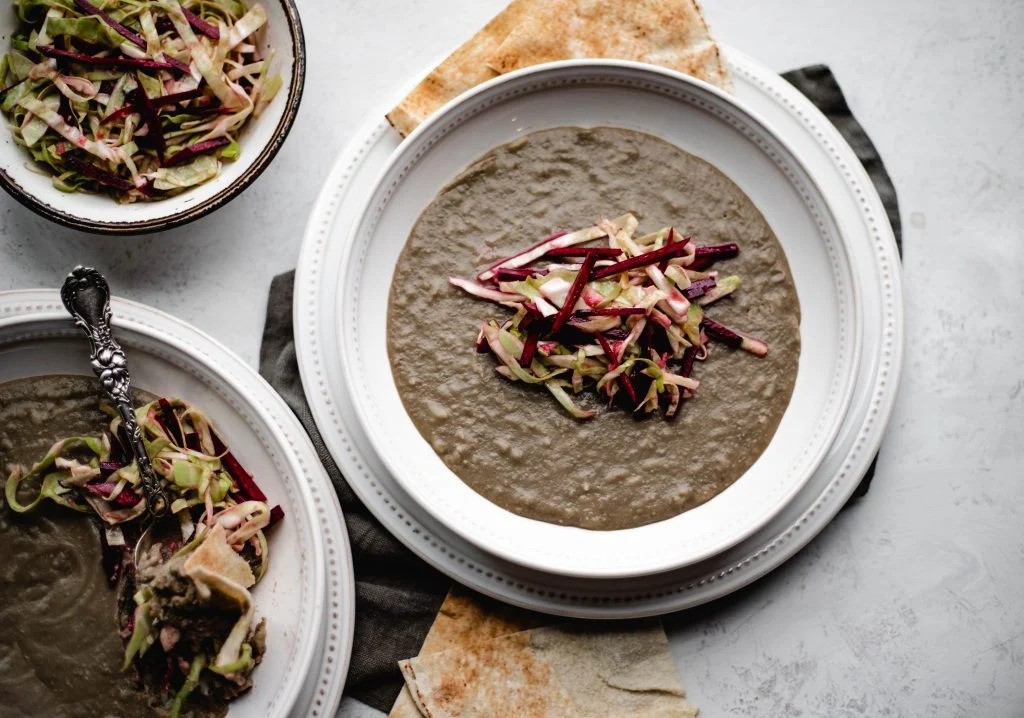
For a more everyday experience of Jordanian cooking, Mujadara is a dish that captures the simplicity and heartiness of home meals. This humble combination of lentils, rice, and caramelized onions is both nutritious and comforting. The magic of Mujadara lies in the onions—their deep sweetness balances the earthy lentils perfectly, and a drizzle of olive oil elevates the dish to something special.
Making Mujadara at home is straightforward, yet attention to detail makes all the difference. Cook the lentils until just tender, then combine them with rice and slowly caramelized onions. Some variations include a hint of cumin or coriander, which adds warmth and depth. Mujadara is often served with a side of yogurt or fresh salad, creating a balanced meal that is both satisfying and authentically Jordanian.
Jordanian Mezze: Small Plates, Big Flavors
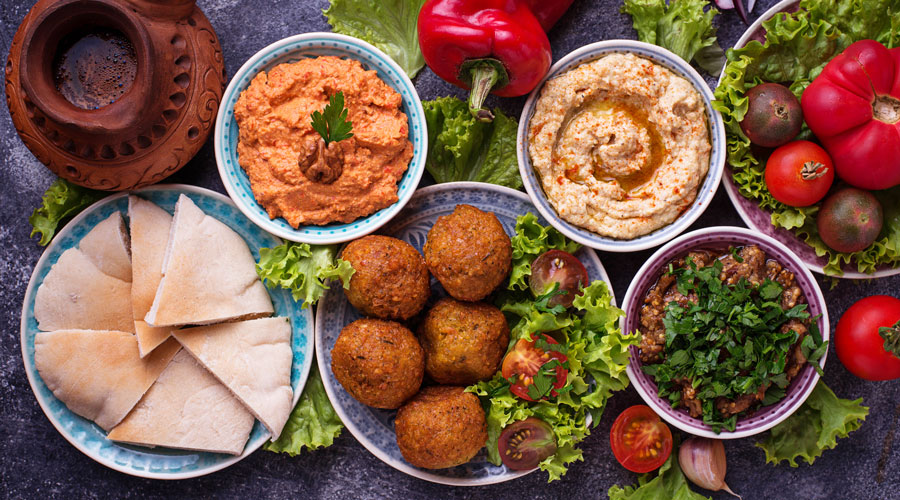
No Jordanian table is complete without mezze, a collection of small dishes that showcase the rich diversity of flavors in the cuisine. Mezze includes items like hummus, baba ghanoush, tabbouleh, and warak enab (stuffed grape leaves). Each dish carries its own history and regional variation, allowing home cooks to experiment with textures and tastes.
Hummus, creamy and lemony, is a staple that pairs perfectly with warm pita bread. Baba ghanoush, made from roasted eggplants, garlic, tahini, and olive oil, offers a smoky, tangy contrast. Tabbouleh, a fresh salad of parsley, tomatoes, bulgur, and lemon juice, adds brightness and balance. Preparing mezze at home is an exercise in creativity, combining colors, aromas, and flavors into a shared culinary experience. The beauty of mezze lies in its communal nature—each dish encourages conversation, sharing, and a sense of celebration at the table.
Sweet Traditions: Desserts and Pastries
Jordanian cuisine also excels in desserts, which are often rich, fragrant, and deeply satisfying. Knafeh, a sweet cheese pastry soaked in orange blossom or rose water syrup, is a signature treat. It is made by layering semolina or shredded phyllo dough with soft cheese, baking until golden, and then drenching it in syrup for a luscious finish. Another popular dessert is baklava, featuring layers of phyllo dough, nuts, and honey syrup, offering a delightful balance of crunch and sweetness.
Preparing these desserts at home allows you to explore the aromatic spices and textures that define Jordanian sweets. Orange blossom water, rose water, cardamom, and pistachios are common ingredients, infusing the desserts with a distinct Middle Eastern character. These treats are not just indulgences—they are part of a cultural ritual, often served with coffee or tea, symbolizing hospitality and celebration.
Bringing Jordanian Flavors Home
Cooking Jordanian food at home is an invitation to explore a culture through the senses. It’s about embracing spices, textures, and techniques that may be unfamiliar but ultimately rewarding. Fresh herbs like mint, parsley, and coriander add brightness to dishes, while spices such as sumac, allspice, and cinnamon create depth and warmth. Olive oil is a cornerstone, used generously in both cooking and finishing dishes, enhancing flavors and creating a sense of richness without heaviness.
Adapting these recipes to a home kitchen does not require exotic ingredients or complicated tools. Many Jordanian dishes are inherently simple, relying on thoughtful preparation and quality ingredients. Even dishes that seem elaborate, like Mansaf or Maqluba, can be approached step by step, transforming a home-cooked meal into a cultural experience.
The Joy of Sharing Jordanian Meals
Perhaps the most essential aspect of Jordanian cuisine is its role in bringing people together. Meals are meant to be shared, enjoyed slowly, and savored alongside conversation and laughter. Whether you are cooking for family, friends, or simply treating yourself, the act of preparing a Jordanian meal is as meaningful as eating it. The aromas that fill your kitchen, the textures you create, and the flavors you layer all contribute to a sense of connection that transcends the plate.
Even in a small apartment far from Jordan, cooking these traditional dishes allows you to experience the country’s warmth and hospitality. It’s a reminder that food is not just sustenance—it is culture, memory, and emotion, woven into every bite.

Conclusion: A Culinary Adventure at Home
Exploring Jordanian cuisine at home is more than a culinary experiment—it is a journey into history, tradition, and heartfelt hospitality. From the celebratory richness of Mansaf to the comforting simplicity of Mujadara, the smoky elegance of Maqluba, and the sweet indulgence of Knafeh, every dish tells a story. Cooking these meals allows you to connect with a culture that values generosity, community, and flavor above all else.
As you embark on your own Jordanian culinary journey, approach each dish with curiosity and patience. Savor the aromas, enjoy the textures, and embrace the opportunity to share your creations. In doing so, you are not just making food—you are participating in a centuries-old tradition that celebrates life, family, and the joy of eating together.