
Sri Lanka, a jewel nestled in the Indian Ocean, is a land where history, culture, and nature converge to create a vibrant culinary heritage. The island’s cuisine is as diverse as its landscapes, from the misty highlands of Nuwara Eliya to the sun-kissed beaches of Trincomalee. Cooking Sri Lankan dishes at home is not just about following recipes—it is about embracing centuries of tradition, understanding the bold yet delicate balance of spices, and honoring the rhythm of everyday life that defines this island nation.
At the heart of Sri Lankan cooking lies a philosophy: food should be fresh, aromatic, and colorful, with each meal providing a harmony of tastes—spicy, sour, sweet, and savory. Unlike cuisines that rely heavily on sauces or butter, Sri Lankan dishes are grounded in the natural flavors of vegetables, seafood, and meat, enhanced by aromatic spices and fresh coconut.
The Essentials of Sri Lankan Home Cooking
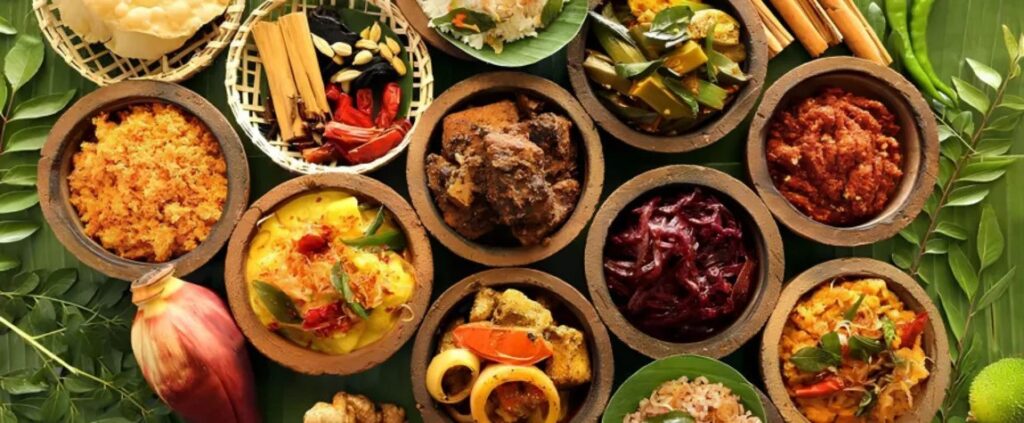
Before diving into specific dishes, understanding the core ingredients is crucial. Coconut dominates Sri Lankan kitchens, appearing as coconut milk in curries, grated coconut in sambols, and coconut oil for frying. Spices like cinnamon, cardamom, cloves, and black pepper are used not just for heat but for layering flavor, while curry leaves, pandan leaves, and pandan-infused oils give dishes their signature fragrance. Dried Maldive fish, a staple in coastal homes, lends an umami depth that’s impossible to replicate with other ingredients.
Rice is the centerpiece of almost every meal. Long-grain varieties such as Samba or red rice are preferred for their texture and ability to absorb the flavors of accompanying curries. A typical home-cooked Sri Lankan meal balances rice with at least two curries, a sambol, and perhaps a fried or steamed dish. Each component is carefully prepared to complement the others, creating a medley of textures and flavors that excite the palate.
Curries: The Soul of the Meal
No discussion of Sri Lankan cuisine would be complete without curries. Unlike the thick, cream-heavy curries found in other parts of South Asia, Sri Lankan curries are light, aromatic, and intensely flavorful, often infused with freshly ground spices and a generous dose of coconut milk. A classic example is Polos Curry, made with young, tender jackfruit. The fruit absorbs the richness of coconut milk and the heat of green chilies, creating a curry that is both hearty and delicately spiced. Preparing it at home involves slow cooking the jackfruit until it softens, then simmering it in a blend of roasted spices, coconut milk, and a hint of lime juice to brighten the flavors.
Another beloved curry is Fish Ambul Thiyal, a sour fish curry from the southern coast. Its tangy flavor comes from the generous use of goraka, a dried fruit that adds a unique acidity. When cooking this dish at home, fresh firm-fleshed fish such as tuna or kingfish works best, marinated in spices and slowly simmered until the sauce reduces to a thick, savory coating. The balance of sourness, heat, and saltiness in this dish exemplifies the Sri Lankan mastery of flavor.
For those who enjoy vegetarian cooking, Parippu Curry, a simple yet satisfying lentil curry, is indispensable. Red lentils are simmered with onion, garlic, curry leaves, and coconut milk until they form a creamy, comforting dish. It’s often seasoned with a tempering of mustard seeds and dried chili fried in coconut oil, which adds an extra layer of fragrance and depth. Served alongside steamed rice, parippu curry epitomizes the everyday heartiness of Sri Lankan home cooking.
The Charm of Hoppers and Breakfast Dishes
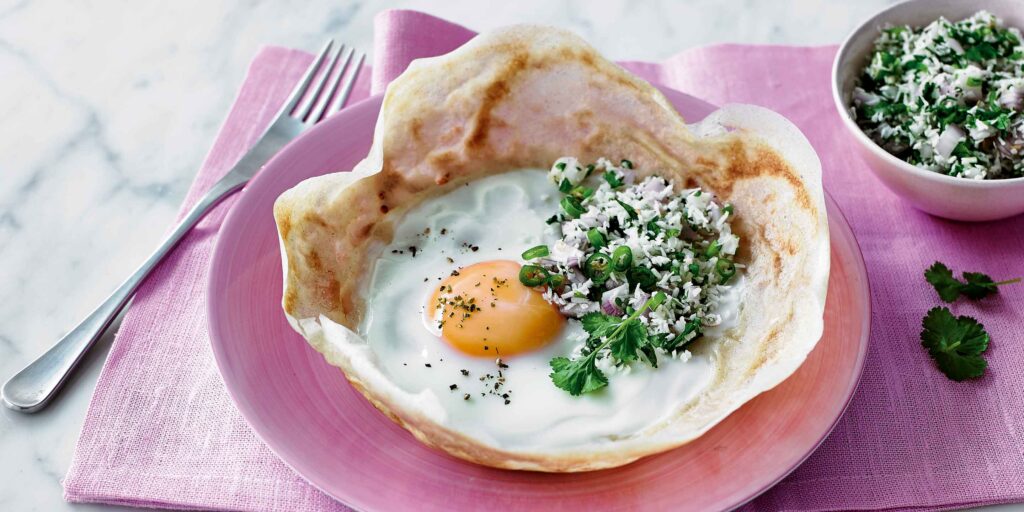
Breakfast in Sri Lanka is an experience in itself. The soft, bowl-shaped hopper, made from fermented rice flour and coconut milk, is a staple enjoyed across the island. Cooking hoppers at home may seem intimidating, but mastering the batter and technique transforms them into a versatile base for both sweet and savory toppings. Some families fill hoppers with an egg in the center, creating a dish known as Egg Hoppers, while others enjoy them with a side of coconut sambol or spicy onion relish.
Another breakfast favorite is String Hoppers, delicate nests of steamed rice noodles. Preparing these at home involves pressing rice dough through a specialized mold onto steaming mats, creating fine, lace-like noodles that are soft yet springy. String hoppers are traditionally paired with coconut milk-based curries or dhal, offering a light but satisfying start to the day.
Sambols and Side Dishes: The Flavor Amplifiers
Sambols are more than just condiments in Sri Lankan cuisine—they are essential flavor amplifiers that elevate any meal. One of the most famous is Pol Sambol, a mixture of freshly grated coconut, chili, lime juice, and onions. It’s fresh, fiery, and incredibly aromatic, providing a vibrant counterpoint to the richness of coconut milk curries. For home cooks, making pol sambol is straightforward, but the key lies in balancing heat and acidity to complement the other dishes on the table.
Another staple is Seeni Sambol, a caramelized onion relish spiced with chili and cinnamon. Sweet, tangy, and slightly smoky, it pairs beautifully with hoppers, string hoppers, or even plain rice, adding a burst of umami that makes simple meals unforgettable. Preparing these sambols at home allows for customization, letting cooks adjust the spice level, sweetness, and tang to suit their preferences.
Sweet Treats: Sri Lankan Desserts at Home
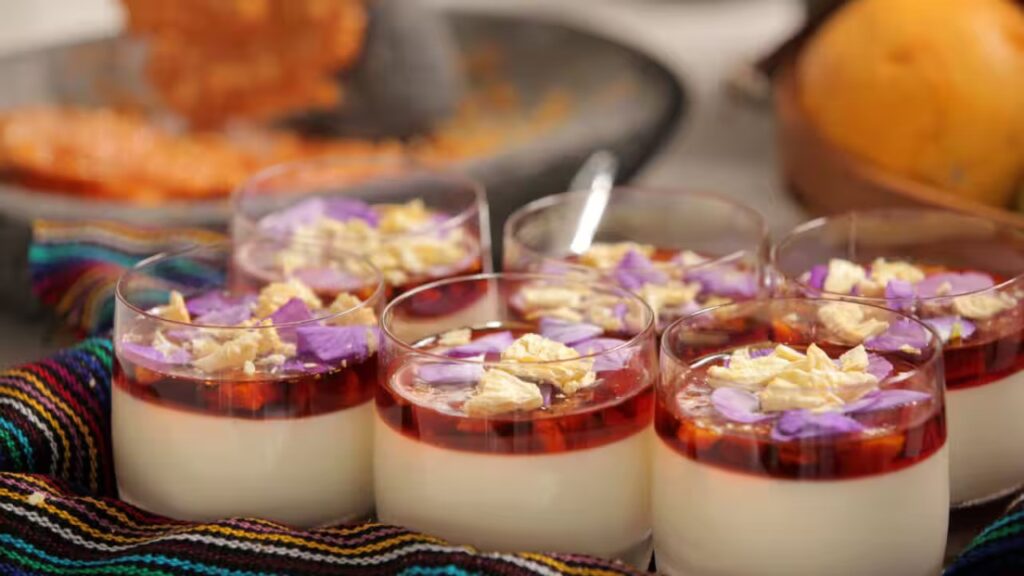
No Sri Lankan meal is complete without dessert, and many traditional sweets are surprisingly simple to prepare at home. Wattalapam, a coconut custard infused with jaggery, cardamom, and nutmeg, is a festive favorite often served during holidays and family gatherings. The trick to making wattalapam at home is careful steaming or baking to achieve a smooth, silky texture without curdling the coconut milk mixture.
Another beloved treat is Kiri Pani, a humble combination of fresh coconut milk and treacle (palm syrup). It’s served as a dip or accompaniment for string hoppers and hoppers, offering a naturally sweet contrast to the savory elements of the meal. Even simpler are sweet rice puddings flavored with pandan leaves and cinnamon, which bring the comforting warmth of Sri Lankan homes into every spoonful.
Bringing the Flavors Home
Cooking Sri Lankan dishes at home is not merely an exercise in following recipes—it is a journey of discovery. Each dish invites you to explore the interplay of spices, textures, and techniques that make this cuisine unique. While fresh ingredients are ideal, many flavors can be recreated with pantry staples and a bit of patience. Grinding your own spices, toasting coconut, or fermenting rice batter for hoppers may seem time-consuming, but these steps infuse dishes with authenticity and a sense of connection to centuries-old culinary traditions.
One of the joys of cooking Sri Lankan food at home is its adaptability. Coastal fish curries can be made with local fish, coconut-based curries can use vegetables or chicken, and sambols can be adjusted to suit your tolerance for heat. Sharing these dishes with family and friends mirrors the communal spirit of Sri Lankan dining, where meals are moments of celebration, conversation, and connection.
The Cultural Significance of Cooking at Home
In Sri Lanka, cooking is often more than sustenance—it is an expression of love, identity, and heritage. Recipes are passed down through generations, often evolving with each household’s tastes while preserving the core essence of the dish. Preparing a Sri Lankan meal at home allows cooks to step into this lineage, embracing the rituals and stories that accompany each ingredient and method. Whether it’s slow-cooking a jackfruit curry, pounding coconut for sambol, or carefully steaming string hoppers, the process becomes a meditation, a way to slow down and savor life as it unfolds around the kitchen.
Moreover, cooking these dishes fosters an appreciation for the natural bounty of Sri Lanka. The country’s fertile soil, tropical climate, and coastal waters provide a remarkable variety of produce, seafood, and spices, each contributing to the depth and vibrancy of its cuisine. Bringing these flavors into your home not only delights the senses but also honors the environment and cultural heritage from which they originate.
Conclusion: The Joy of Sri Lankan Home Cooking
Embarking on a culinary journey through Sri Lanka from your own kitchen is a deeply rewarding experience. It is a journey that engages all the senses, challenges your creativity, and invites you to connect with a culture rich in tradition, warmth, and flavor. From the aromatic curries and delicate hoppers to the fiery sambols and sweet coconut desserts, every dish tells a story and every bite carries the essence of the island.
Cooking Sri Lankan cuisine at home is not just about replicating recipes; it is about embracing a lifestyle of flavor, balance, and mindfulness. It’s about creating meals that are nourishing, beautiful, and full of character. With patience, curiosity, and a willingness to explore bold spices and textures, anyone can transform their kitchen into a gateway to Sri Lanka, experiencing the heart and soul of its food with every lovingly prepared dish.