
Libyan cuisine is a captivating tapestry woven from centuries of cultural exchange, Mediterranean influences, and North African traditions. Nestled along the Mediterranean coast, Libya’s culinary identity reflects its historical crossroads, blending Arab, Berber, Italian, and Ottoman flavors into a rich, unique gastronomy. Bringing these flavors into your home kitchen is not just about cooking; it’s about embracing a culture that celebrates family, community, and the joy of sharing food.
At its heart, Libyan cuisine is a celebration of bold, harmonious flavors. Unlike the fiery heat of some North African cuisines, Libyan dishes often favor aromatic spices, fresh herbs, and balanced seasoning that highlight the natural flavors of ingredients. Olive oil, garlic, coriander, cumin, and turmeric are staples, while lemon, preserved lemons, and olives add the characteristic Mediterranean brightness. This combination of spices and fresh ingredients creates a sensory experience that is both comforting and exhilarating, making Libyan cooking a delightful adventure for anyone willing to explore it at home.

A Taste of Home: Traditional Libyan Dishes
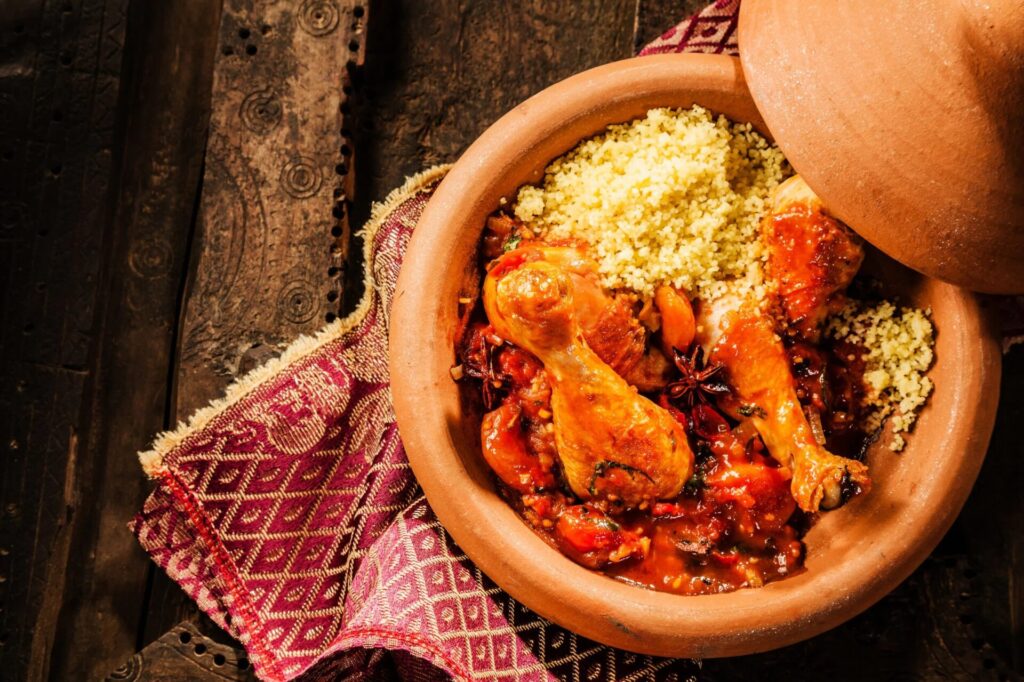
One of the most iconic dishes in Libya is couscous, often served with a rich stew of lamb, chicken, or fish. Unlike the light, fluffy couscous found in some neighboring countries, Libyan couscous is usually prepared with a slightly coarser texture and infused with the flavors of slow-cooked meat, vegetables, and aromatic spices. Preparing this dish at home requires patience, but the results are deeply rewarding. The tender grains soak up the essence of the stew, offering a bite that is simultaneously hearty and delicate.
Another cornerstone of Libyan cuisine is bazin, a dish that might seem unusual to the uninitiated. Bazin is a type of unleavened bread made from barley flour, cooked into a dense, pliable dough and often served with a flavorful tomato and meat sauce. It is traditionally eaten by hand, with diners breaking off pieces of the dough and dipping them into the sauce. For home cooks, mastering bazin may take practice, but it offers a unique glimpse into Libyan communal dining and the tactile, sensory nature of traditional meals.
The Mediterranean Influence
Libya’s Mediterranean location is evident in its love of fresh vegetables, seafood, and olive oil. Coastal regions, especially around Tripoli, are known for their fish dishes, often prepared simply to highlight the natural taste of the catch. Grilled or fried fish, sometimes marinated with garlic, lemon, and coriander, captures the essence of Mediterranean simplicity. Paired with a fresh salad of tomatoes, cucumbers, and olives, this style of cooking brings the vibrant, sun-drenched flavors of the Libyan coast straight to your home kitchen.
Vegetables hold a special place in Libyan homes. Dishes such as shakshouka, a tomato-based stew with poached eggs, peppers, and onions, reflect both Mediterranean and Arab culinary influences. This dish, often enjoyed for breakfast or lunch, is a perfect example of how Libyan cuisine balances heartiness with freshness. At home, shakshouka allows for flexibility: adding spicy harissa, fresh herbs, or even a hint of feta can create a personal twist while staying true to its roots.
Sweet Traditions: Desserts in Libyan Cuisine
No exploration of Libyan cuisine is complete without indulging in its desserts. Libyan sweets are heavily influenced by Mediterranean and North African traditions, often featuring nuts, honey, and semolina. Makroud, a semolina-based pastry filled with dates and lightly fried, is a festive treat commonly enjoyed during celebrations. Its rich sweetness, paired with the subtle earthiness of semolina, makes it a perfect companion to mint tea, a staple beverage in Libyan households.
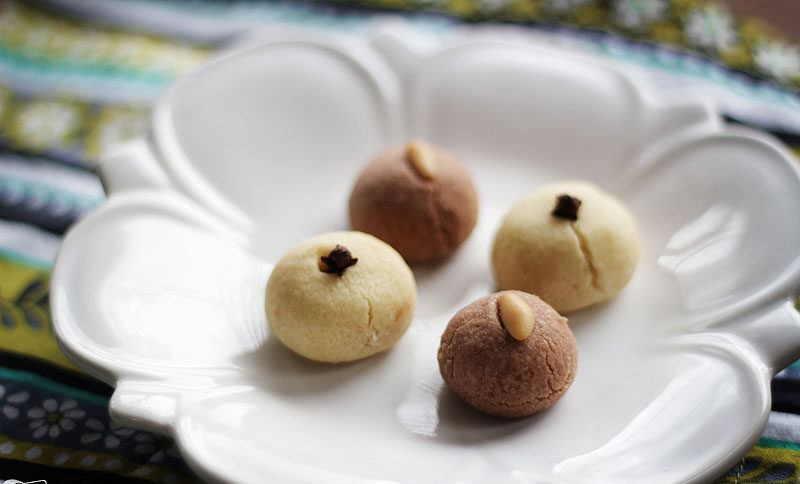
Ghraiba, another beloved dessert, is a delicate, crumbly cookie made from flour, sugar, and clarified butter. Its simplicity belies the skill required to achieve the perfect texture—soft, tender, yet just crumbly enough to melt in the mouth. Preparing these desserts at home not only offers a taste of Libyan tradition but also an immersive experience into the meticulous, loving care with which Libyans approach cooking.
Spices, Herbs, and the Art of Flavor
What truly sets Libyan cuisine apart is its mastery of flavor layering. Spices are never overpowering but used to enhance the natural taste of ingredients. Cumin, coriander, and turmeric are frequently combined with fresh herbs such as parsley, cilantro, and mint to create aromatic bases for soups, stews, and sauces. Harissa, a spicy chili paste, adds depth to meat dishes and stews, offering that subtle kick without overwhelming the palate.
Cooking Libyan dishes at home encourages experimentation with these spices. For example, a simple chicken stew can be transformed by adding a pinch of saffron, a hint of cinnamon, or a sprinkle of ground ginger. These additions are not just flavor enhancers—they are cultural signifiers, telling a story of the regions and traditions that shaped Libya’s culinary identity.
Libyan Comfort Food
Beyond the Mediterranean influences and elaborate spices, Libyan cuisine is deeply rooted in comfort and community. Meals are designed to be shared, often served family-style, where everyone gathers around a communal plate. This cultural approach to dining translates beautifully into home cooking. A simple lentil soup, enriched with onions, garlic, and cumin, can feel luxurious when paired with freshly baked bread and shared with loved ones. Even the act of cooking becomes a communal experience, with family members assisting in preparation, breaking bread together, and savoring every bite.
Bringing Libyan Cuisine to Your Kitchen
For home cooks interested in exploring Libyan flavors, the journey begins with sourcing authentic ingredients. While some items like olive oil, garlic, and fresh vegetables are easily available, others, such as barley flour for bazin or preserved lemons for stews, may require a visit to a specialty store or online market. Once the ingredients are gathered, the key is patience and respect for the process. Libyan dishes often require slow cooking, gentle simmering, and careful seasoning, rewarding the cook with layers of flavor that are difficult to achieve with shortcuts.
Start with approachable recipes like couscous with vegetables or shakshouka to familiarize yourself with the seasoning techniques and flavor combinations. Gradually, move on to more intricate dishes such as bazin or slow-cooked lamb stews. Along the way, you’ll notice that the process is as enriching as the end result, offering not just a meal but an immersive experience into Libyan culture and tradition.
Libyan Beverages and Accompaniments
A Libyan meal is rarely complete without a thoughtful beverage. Mint tea is a ubiquitous companion, offering a refreshing counterpoint to savory or spicy dishes. Traditionally poured from a height into small glasses, this tea is both a palate cleanser and a gesture of hospitality. For special occasions, Libyans may enjoy coffee infused with cardamom, a practice that reflects Ottoman influences and highlights the region’s love of aromatic flavors.
Accompaniments are equally important. Fresh salads, olives, and pickled vegetables provide a crisp, tangy contrast to rich stews and breads. Even a simple drizzle of olive oil over a fresh tomato salad evokes the Mediterranean sunshine and complements the deeper, earthy flavors of main dishes. Incorporating these elements at home ensures a balanced and authentic dining experience.
A Culinary Invitation
Cooking Libyan cuisine at home is more than preparing meals; it is an invitation into a world of cultural richness and culinary tradition. It encourages mindfulness, patience, and an appreciation for flavor harmony. Every dish tells a story, from the bustling streets of Tripoli to the sun-baked kitchens of the Libyan hinterlands. Each recipe is a connection to history, family, and community, offering an opportunity to experience the warmth and vibrancy of Libyan life from the comfort of your own kitchen.
Whether it’s the aromatic allure of couscous, the communal joy of bazin, or the delicate sweetness of makroud, Libyan cuisine invites cooks and diners alike to slow down, savor, and celebrate. By embracing these flavors and techniques, you don’t just bring Mediterranean tastes into your home—you bring the heart and soul of Libya itself. Cooking these dishes is not simply a culinary exercise; it is a way to honor tradition, explore cultural depth, and delight in the shared joy of food.
Libyan cuisine teaches that food is a bridge, connecting people across time and geography. It shows that the simplest ingredients, when treated with care, can create profound flavors and meaningful experiences. Bringing these dishes into your home kitchen allows you to join in that tradition, creating meals that are both delicious and culturally resonant.